
San Jose Catering Cost: A Guide to What’s Included
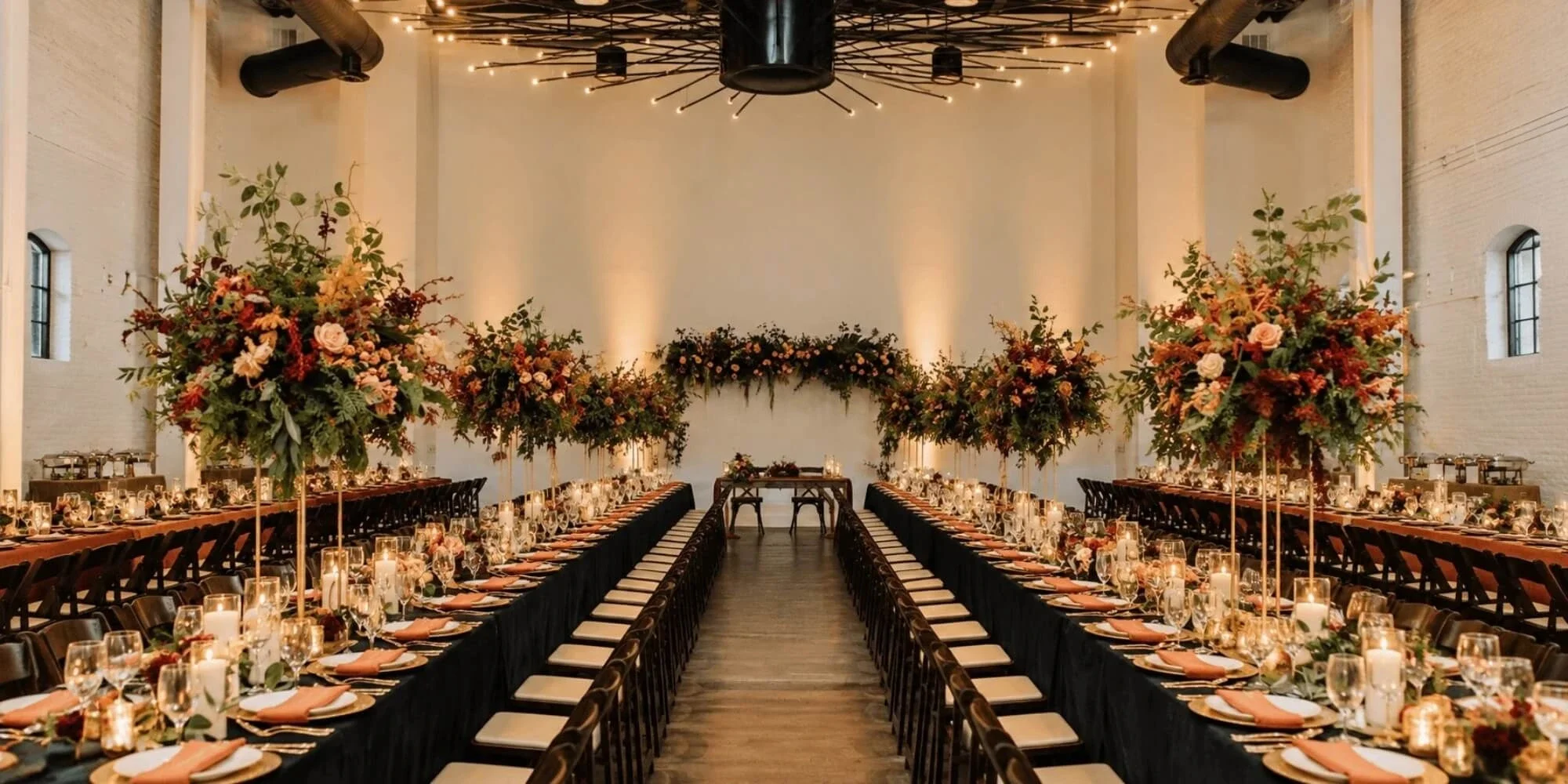
San Jose’s mix of corporate offices, conference spaces, private venues, and unconventional settings creates a wide range of catering needs. As a result, San Jose catering cost can vary well beyond the menu itself. The setting, service format, and amount of onsite work all play a part.
At Culinary Eye, our approach to catering in San Jose starts with understanding what the gathering calls for. This guide explains how catering prices take shape, what your quote may include, and which costs may fall outside it.
How Is Catering Priced in San Jose?
Catering prices aren’t always presented in the same way. Some quotes start with a price per guest, while others reflect a package or custom scope. Knowing the difference helps you understand what the initial number actually represents.
Here are a few terms you may encounter:
Per-person pricing: A caterer may calculate food or selected services according to guest count. The catering cost per person in San Jose can also depend on the menu and level of service included in that figure.
Package pricing: Packages group specific menu and service elements at a set price. Anything outside that scope, such as additional rentals or labor, may cost extra.
Custom proposals: For more involved gatherings, caterers may build a proposal around specific menu, service, and production needs rather than offer a standard package.
Minimum spend: Some caterers require a minimum booking amount for certain dates or types of service, regardless of guest count.
Before comparing catering prices in San Jose, check what each figure actually represents. A per-person food price and a full custom proposal may describe very different portions of the overall San Jose catering cost.
What Affects the Cost of Catering an Event?

Guest count is a useful starting point, but several other decisions shape the final price. The menu, style of service, schedule, and level of custom work all affect what goes into producing the meal.
Several factors can change the budget:
Guest count: More guests require more food, while larger groups may also change the amount of prep and service needed.
Menu complexity: A three-course dinner takes more preparation than a simple lunch spread. Multiple menu choices and dishes finished onsite can add culinary labor.
Service format: Buffets, passed bites, stations, family-style meals, and plated dinners each require a different approach to preparation and service.
Service duration: A two-hour lunch requires fewer service hours than a reception that continues through the evening. Longer gatherings may also include several rounds of food.
Setup and breakdown timing: Early access, late finishes, or narrow load-in windows can add hours to the working schedule even when guests are only present briefly.
Custom food elements: A branded dessert display, interactive station, or edible installation can involve culinary development and fabrication beyond the menu itself.
That’s why San Jose catering cost makes more sense when you look at the event as a whole rather than guest count alone. A 100-person lunch and a 100-person evening reception can require very different levels of production.
What’s Typically Included in a Catering Quote?
A catering proposal should tell you more than what will be served. It should also show which parts of planning, preparation, and service the quoted price covers.
Depending on the caterer and scope, a quote may include:
Menu development: The culinary team develops dishes around the format, dietary needs, season, and direction of the gathering.
Ingredients and preparation: This covers the food required for the agreed menu as well as the kitchen work that happens before service.
Onsite finishing: Some dishes need final cooking, assembly, garnishing, or plating at the venue.
Staffing and service: Event staff may include chefs, captains, servers, and bussers who manage food service, stations, clearing, and guest needs.
Setup: Staff prepare catering stations, service areas, and back-of-house workspaces before guests arrive.
Breakdown: After service, the crew packs catering equipment and clears the work areas covered by the agreement.
When comparing San Jose catering cost, check how much of this work each proposal includes. A lower figure can look attractive at first, but it may leave you responsible for labor or services included elsewhere.
“See What Your Event Could Look Like
Every catering budget starts with a different mix of food, service, space, and timing. Share what you’re planning, and we can put together a quote shaped around the gathering.”
What Goes Into the Wedding Catering Cost in San Jose?
Wedding catering often covers several parts of the celebration. Cocktail hour may lead into dinner, dessert and coffee, followed by a late-night bite. Each stage needs to connect smoothly with what comes before and after it.
That sequence affects how the kitchen works. Passed hors d’oeuvres may need continuous finishing during cocktail hour, while dinner preparation is already underway behind the scenes. Later, dessert or late-night food may require another round of setup and service.
Weddings also rarely run exactly to the minute. A speech may go long, photos may delay dinner, or guests may stay at cocktail hour longer than expected. When planning catering for your wedding, it helps to consider how the food and service can adjust without disrupting the celebration.
When estimating San Jose catering cost for a wedding, consider the full reception schedule rather than dinner alone. Multiple rounds of service and a longer timeline can add culinary and staffing hours throughout the celebration.
How Does the Corporate Catering Cost in San Jose Vary by Event?
Corporate gatherings can call for very different approaches to food. Sometimes people need lunch without interrupting a meeting. At other events, food may support a product launch, company celebration, or branded experience.
The format changes the catering plan:
Office lunches: Speed and accessibility usually matter most. Food needs to arrive, set up, and fit naturally around the workday.
Executive meetings: Smaller groups may need paced service that works around presentations and discussion without becoming distracting.
Conferences: Breakfast, coffee breaks, lunch, and afternoon snacks may follow a strict agenda. As a result, conference catering depends on timing as much as menu planning.
Company celebrations: Passed food, drinks, and stations allow people to move around rather than sit for a formal meal.
Brand events: A launch may connect food with a product, campaign, or visual identity. In these settings, presentation can become part of the guest experience.
When estimating San Jose catering cost for a corporate event, the schedule and format matter alongside the number of guests. Feeding 80 people during a 45-minute lunch break requires a different plan from serving 80 people across a three-hour reception.
What Does the Full-Service Catering Cost in San Jose Cover?
The level of service affects how much the host manages and how much the catering team takes on. Comparing a few common approaches makes that difference easier to see.
Drop-off catering: The caterer prepares and delivers the food. The host or venue team handles serving, replenishment, guest needs, and cleanup.
Staffed catering: A service crew stays onsite to manage the meal and support guests. The host may still coordinate other parts of the event separately.
Full-service catering: The catering team takes responsibility for the meal from preparation through service and breakdown. This creates one coordinated plan for the culinary and service sides of the event.
Experience-led catering: Interactive stations, edible installations, custom presentation, or coordinated event design can extend that role beyond the meal itself.
That difference in responsibility helps explain why San Jose catering cost can vary even when two events have similar menus. Full-service catering accounts not only for the food, but also for the team managing how it reaches guests throughout the event.
Which Catering Costs May Be Charged Separately?
A catering proposal may not include every item needed onsite. Some expenses come from outside vendors, while others depend on the venue or final event plan.
Separate expenses may include:
Rentals: China, glassware, flatware, linens, tables, chairs, and specialty serving pieces may come from a rental company.
Beverages: A staffed bar may require bartenders, ice, mixers, glassware, equipment, and other beverage supplies.
Venue fees: Some spaces charge separately for kitchen access, cleaning, security, parking, or extended hours.
Temporary kitchen equipment: A gallery without a kitchen may need refrigeration, prep tables, ovens, power, or a temporary finishing area.
Transportation: Longer travel, parking fees, loading restrictions, or additional trips can add logistical costs.
Additional hours: If the schedule runs beyond the contracted time, the final bill may include added labor.
Custom fabrication: A built-to-order station, display, or branded structure may require separate materials and production.
Taxes and service-related charges: Taxes, service charges, administrative fees, delivery fees, or gratuity may appear separately depending on the caterer and agreement.
Before booking, check whether the quoted San Jose catering cost includes these expenses or lists them separately. That distinction gives you a clearer picture of the working budget before plans are finalized.
How Can You Get an Accurate Catering Estimate?
You don’t need every detail settled before contacting a caterer. However, a few pieces of information can turn a broad estimate into something you can actually plan around.
Share what you know about:
Guest count: Give your current estimate and note how much you expect it to change.
Date and schedule: Include arrival time, meal periods, end time, and any known setup restrictions.
Venue: Name the space and share what you know about kitchen facilities and loading access.
Meal format: Explain whether you’re considering passed food, stations, a buffet, family-style dining, or plated courses.
Dietary needs: Mention known allergies and dietary requirements early so the kitchen can plan for them.
Beverages: Note whether you need coffee, nonalcoholic drinks, cocktails, wine, or other beverage service.
Creative direction: Share brand guidelines, visual references, a theme, or any interactive ideas you already have.
Working budget: A range gives the caterer useful boundaries when recommending menus and service formats.
The more clearly you describe the gathering, the more useful your San Jose catering cost estimate can be. Details may change as planning continues, but the caterer will have a stronger starting point for shaping the proposal.
“Have a Few Details, but Not the Whole Plan?
That’s enough to start a conversation. We can talk through the menu, venue, service, and practical details to understand what your event may require.”
What Should You Ask Before Booking a San Jose Caterer?
Once you have a proposal, the conversation changes. Now you need to understand how the caterer will run the day and what remains your responsibility.
Ask questions such as:
What exactly does this price include? Confirm what the proposal covers and whether any expected services or equipment sit outside the quoted price.
What do we need to source ourselves? Find out whether you need separate vendors for rentals, beverages, or other parts of the event.
How will you work in our venue? Ask how the crew plans to cook, finish, store, and serve food within the available space.
Who manages service onsite? Learn who leads the crew and who handles changes once guests arrive.
How do you handle dietary restrictions? Ask how the kitchen prepares those dishes and how the service team identifies them.
When does the guest count become final? This deadline can affect ordering, labor, and the final invoice.
What happens when the schedule shifts? Ask how the team adapts if a presentation, speech, or other part of the program runs late.
Which parts of the price can still change? Identify variable expenses before signing and ask what could cause them to increase.
Before booking, make sure you understand how the quoted San Jose catering cost may change as the event takes shape. You should also know what the caterer will manage and what you’ll need to arrange separately.
What Your Catering Budget Supports

Catering costs make more sense when you can see the work behind them. At Culinary Eye, that work starts with the menu but also considers the venue, service, timing, and how guests will experience the food.
For some events, that means a carefully developed menu with attentive service. Others may involve an interactive station, edible installation, custom fabrication, or food connected to a brand story. Each choice adds different layers of planning and production.
Understanding those layers helps you read a catering proposal for what it really represents: the people, preparation, and coordination required to bring the event together.
Frequently Asked Questions (FAQs)
How much does catering cost per person?
Catering prices per person vary based on the menu, service style, staffing, venue, and event schedule. Drop-off catering generally involves fewer service requirements than a staffed buffet or plated meal. When comparing per-person prices, check what each figure includes rather than comparing the numbers alone.
How much does it cost to cater 100 people?
There is no single catering price for 100 guests. A delivered office lunch, staffed buffet, and plated dinner can require very different amounts of food, labor, equipment, and onsite service. For a useful estimate, define the menu and service format alongside the guest count.
Is a catering service charge the same as a tip?
No, a catering service charge is not automatically the same as a tip or gratuity. A service charge may cover administrative or operational expenses, depending on the caterer and agreement. Ask how the charge is used and whether gratuity is already included before signing.
Do caterers charge a deposit?
Many caterers require a deposit to reserve an event date. The amount and payment schedule vary, as do cancellation and refund terms. Before booking, check when the deposit and remaining balance are due and whether either payment is refundable.
Is buffet catering cheaper than plated catering?
Buffet catering can cost less than plated catering, but not in every case. Staffing, menu complexity, rentals, equipment, guest count, and service duration all affect the final price. Compare complete proposals rather than assuming the service style alone determines which option costs less.