
Backyard Party Catering San Jose: Designing a Birthday With Food Stations
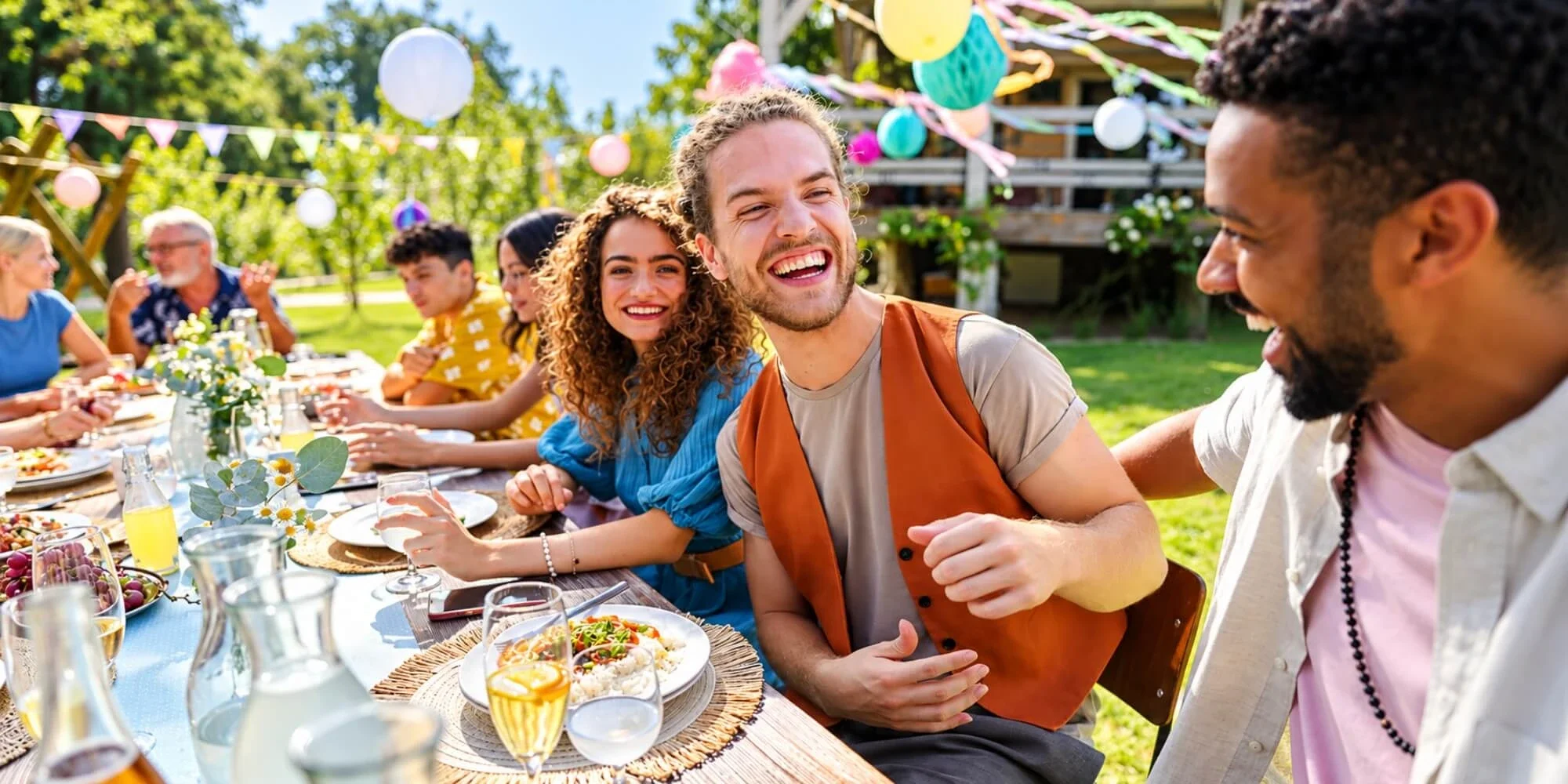
A backyard birthday works differently from a party at a rented venue. Friends move between the kitchen and patio, kids may take over the lawn, and conversations settle in different parts of the yard. If you’re planning backyard party catering in San Jose, look for a team that can adapt the menu, equipment, and service to your home. Food stations, service areas, and seating should support the party without getting in the way.
At Culinary Eye, that can include developing a custom menu, building food stations for the space, creating interactive dishes, and finishing food in front of guests. We can also design serving displays and other physical elements around the birthday. The culinary and design teams work together, so the food and its presentation develop as one plan.
The property matters, too. With catering in San Jose, access, available space, and utilities can affect the menu and equipment from the start. Looking at those details early helps us plan for what the home can actually support.
This guide explains how to choose food stations, arrange your backyard, and plan the staffing and equipment your birthday celebration needs.
Designing Backyard Birthday Catering in San Jose Around the Space
Before choosing food stations, we look at what the property can actually support. This is an important part of planning backyard party catering San Jose, since residential spaces come with fixed entrances, surfaces, utilities, and structures. Those details affect what we can cook onsite, what we need to bring in, and how much equipment the yard can accommodate.
A site visit or detailed walkthrough helps us answer several practical questions:
Guest arrival: We check which entrance guests will use and how much room surrounds it. Keeping equipment and active service areas away from the entrance makes arrivals easier.
Kitchen access: Some yards connect directly to a large home kitchen. Others require staff to work through a side gate, garage, or narrow doorway. Because we regularly handle catering in spaces without a commercial kitchen, we can plan separate prep, finishing, and holding areas when the property requires them.
Ground surfaces: Grass, decking, gravel, stone, and slopes affect what we can safely place in each area. Cooking equipment and service tables need stable surfaces, while uneven ground may rule out certain setups.
Permanent features: Pools, built-in grills, garden beds, trees, and fixed seating reduce or divide the usable area. Mapping them early shows us how much working space we actually have.
Utilities: We check access to electricity and water before selecting equipment. Refrigeration, cooking, lighting, handwashing, and cleanup all depend on having the right infrastructure nearby.
Shade and shelter: Sun exposure can change considerably during an afternoon party. We account for those changes when deciding where food, equipment, and working staff can safely remain for several hours.
Once we understand the property, our event design services can adapt stations, serving pieces, and furniture to the usable space. The result comes from decisions about the actual backyard, not a standard event layout.
“Curious What Your Backyard Birthday Might Cost?
Every backyard, menu, and guest list brings different needs. Share what you’re planning, and we can talk through the food, staffing, and setup before putting together a quote.”
Planning Food Station Catering in San Jose
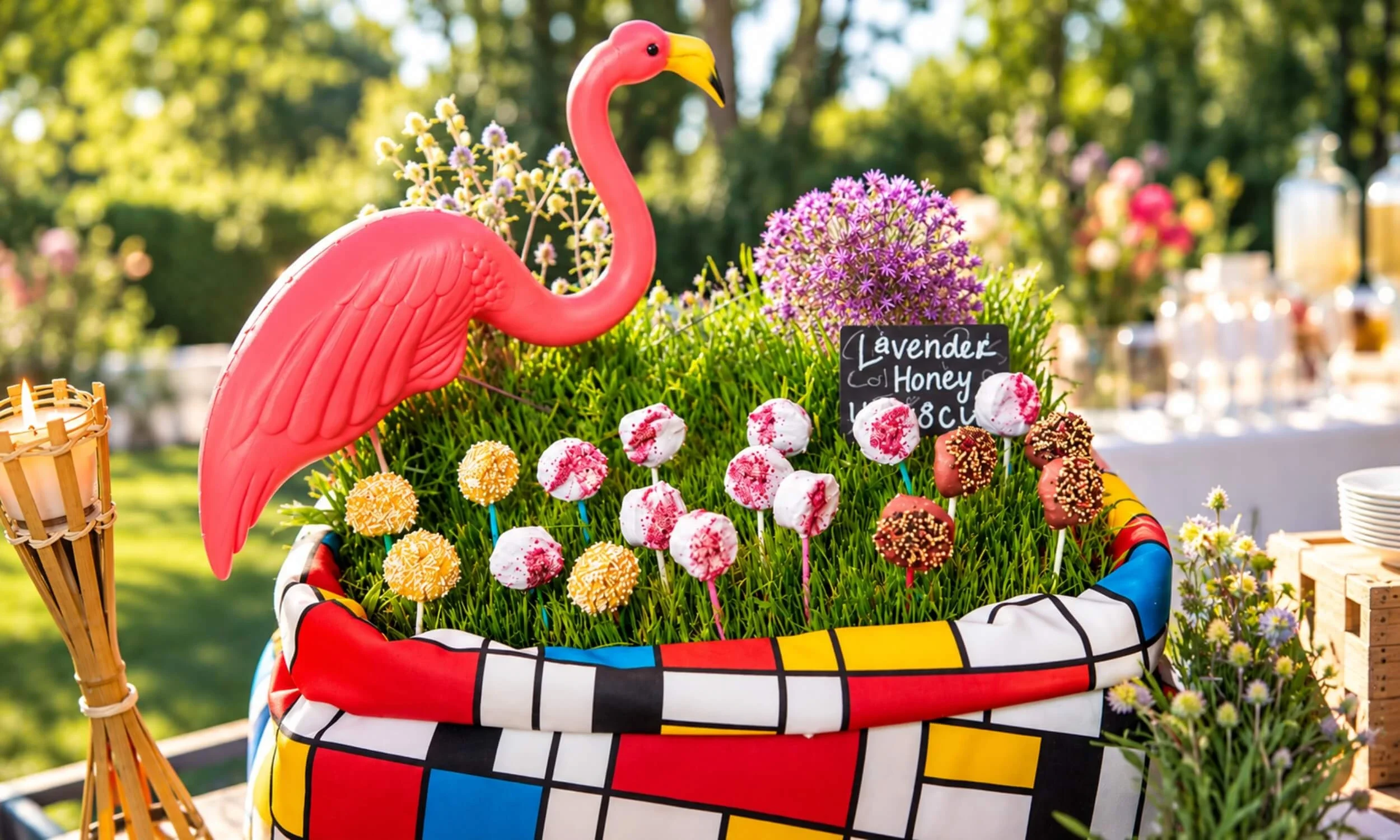
Once we know what the property can support, we can turn to the menu. Hosts looking into backyard party catering San Jose often need food that can be served well outside without tying everyone to a single mealtime. Stations let us match each dish with the service style, temperature, and finishing it needs.
For this kind of birthday, we might build the menu around four stations.
Welcome Bites and Drinks
Guests often arrive at different times, so we start with food that is easy to eat while standing and talking. That might be a chilled bite, something crisp and savory, or a small item finished just before serving.
The Main Savory Station
This is where we serve the more substantial part of the menu. It might feature live-fire cooking, seasonal vegetables, a favorite cuisine, or a dish connected to the person celebrating.
Our approach to gourmet catering comes through in the details. We consider ingredient quality, cooking method, texture, holding time, and what needs to happen just before a plate reaches a guest.
An Interactive Food Station
Some dishes benefit from having the final preparation happen in front of the guest. At an interactive food station, a chef might grill something to order, spoon on a warm sauce, add a garnish, or assemble individual portions.
For the host, this means guests can eat when they are ready instead of waiting for one scheduled serving time. Food can also be finished in smaller batches, so it reaches guests soon after preparation. Meanwhile, the cooking itself gives people something to watch and talk about as they move through the party.
Birthday Cake and Dessert
Alongside the birthday cake, we might serve a childhood favorite, frozen dessert, or smaller sweets based on flavors the guest of honor loves. Smaller portions can also let people try more than one dessert while cake remains part of the birthday tradition.
Dividing the menu this way lets us give each dish the cooking, holding, and finishing method it needs instead of asking every item to work under the same service conditions.
Creating a Backyard Layout That Keeps Guests Moving
Once the menu is set, we can decide where each station should go. When planning backyard party catering San Jose, this matters because food, drinks, seating, and service all compete for space in a residential yard. The layout needs to give each one enough room without creating bottlenecks.
A few decisions can make the yard easier for both guests and staff to use:
Keep the main food station away from the bar. Both areas can draw several people at once. Placing them apart prevents two lines from forming in the same part of the yard.
Allow room in front of each station. Guests need enough space to see what is being served, receive a plate, and step away. Tables and chairs should not narrow that area.
Position seating for eating, not queuing. Dining tables can stay within easy reach of the food without sitting beside a service line. This also gives seated guests more room to talk and eat.
Use smaller stations to spread people out. Dessert or an interactive dish can work well away from the main food area. That gives guests a reason to use another part of the yard.
Keep staff routes clear. Cooks and servers may carry hot food, trays, glassware, or used dishes between prep and service areas. Their working paths should avoid the busiest guest routes whenever possible.
Give drinks enough room of their own. A staffed bar service needs space for ordering, preparation, glassware, ice, and waiting guests. Planning for that footprint keeps the bar from spilling into dining or food-service areas.
If every food and drink option sits together, guests tend to cluster there. Spreading key elements across the yard can encourage smaller groups to form in different areas instead.
Planning Outdoor Birthday Party Catering in San Jose
A backyard gives us less environmental control than an indoor venue, and that affects how food can be prepared and served. With backyard party catering San Jose, a menu that works well at 5 p.m. also needs to hold up to the conditions earlier in the afternoon. Temperature, sun, wind, and changing light all factor into the service plan.
For an outdoor birthday, we pay particular attention to:
Temperature: Warm afternoons affect chilled dishes, desserts, beverages, and cooking areas. We consider those conditions when choosing ingredients and preparation methods.
Hot and cold holding: Some dishes can move directly from cooking to the plate. Others need reliable holding between batches, so the equipment and service schedule need to support both.
Sun exposure: A station that sits in shade during setup may receive direct sun later. Tracking that change helps us protect sensitive foods and exposed working areas.
Wind: Wind can affect burners, napkins, menus, garnishes, and lightweight serving pieces. We plan the setup around anything that could move or become difficult to use.
Lighting after sunset: Prep areas need enough light for cooks to work safely. Pathways, bars, and serving stations also need functional lighting after dark.
A weather alternative: We decide ahead of time which parts of the setup can move or receive cover. We also identify dishes that may need a different finishing or serving method if conditions change.
Outdoor conditions can influence the menu itself, not just the equipment around it. A dish with several delicate finishing steps may work under a covered patio but become difficult in an exposed garden. In that case, we can adjust the preparation method while keeping the flavors behind the dish.
Building Personal Details Into the Food and Setting
A birthday gives us plenty to work with before we start designing anything. The person celebrating may have a dish they always order, a family recipe everyone knows, or a snack friends associate with them. Those details can make backyard party catering San Jose specific to the occasion instead of feeling like the same menu moved into someone’s yard.
We can use those details in several ways:
Start with food they already love. A favorite snack, restaurant dish, or dessert can become the starting point for something new. Knowing why they love it can also guide the ingredients or presentation.
Look at family food traditions. A recipe served at holidays or birthdays can influence a dish without being reproduced exactly. Sometimes one ingredient, cooking method, or familiar accompaniment is enough to make the connection.
Pull from places they know well. A city they lived in, a neighborhood restaurant, or a memorable trip can point us toward particular flavors or ways of serving food.
Use hobbies and interests selectively. A record collection, sport, film, garden, or other interest might influence a serving piece or station without turning into party décor.
These details work best when guests recognize them without needing an explanation. Someone might notice a flavor from a family dessert or immediately understand why a particular dish made the menu. That recognition can start conversations that generic birthday decorations cannot.
Staffing Food Stations for a Backyard Birthday
Food stations change the staffing needs of a party. A plated dinner relies heavily on coordinated table service, while stations may need cooks, attendants, bartenders, and support staff working in different parts of the property. That is worth considering when choosing backyard party catering San Jose, especially if several dishes require onsite finishing.
The role at each station depends on the food. A live-fire setup needs a cook focused on heat and timing. A made-to-order station needs someone who can prepare each plate while explaining the choices. Meanwhile, other team members can handle replenishment, clearing, glassware, and dishes moving between prep and service areas.
Our approach to event staffing starts with those actual jobs rather than assigning a standard number of people based only on guest count. Two birthdays with 50 guests may need different teams if one serves mostly prepared dishes and the other includes live cooking, a staffed bar, and several active stations.
Staffing decisions can also affect the menu before the event begins. If a dish requires constant finishing, we need to know who will own that station throughout service. That allows the culinary team to design food that can be executed properly, not just food that looks good on a proposed menu.
“Let’s Figure Out What Works in Your Backyard
Have a menu idea, a tricky space, or something you want guests to gather around? We can talk through the food, setup, and service and develop a plan around the birthday you’re hosting.”
How We Approach Private Party Catering in San Jose
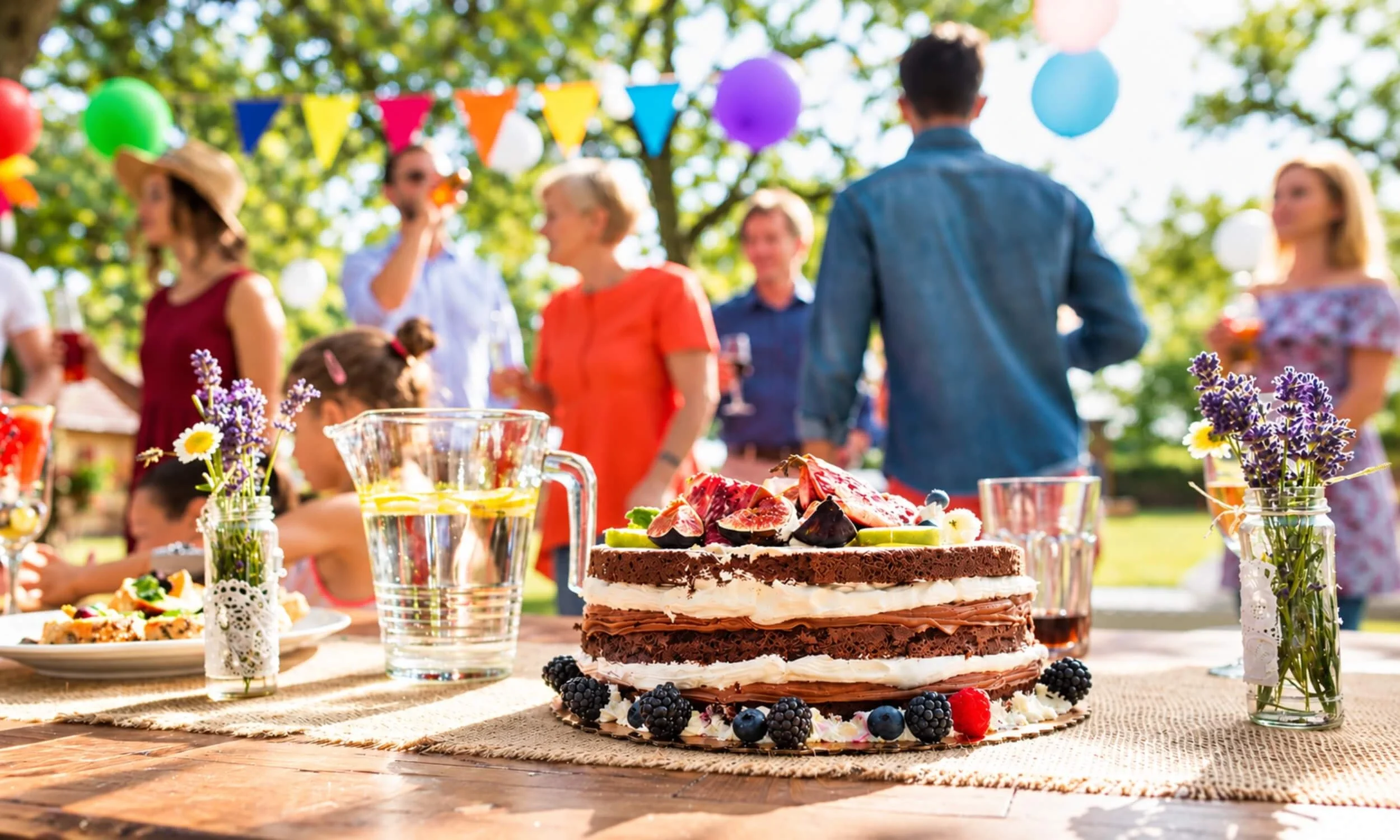
A search for backyard party catering San Jose may start with the menu. At Culinary Eye, the work can also involve culinary development, design, fabrication, and onsite service.
Our chefs and designers develop ideas together, while fabrication gives us the option to make pieces we cannot simply rent or buy. Because the same team carries those decisions forward, we can adjust the food and physical build together as plans develop.
For a backyard birthday, that means we are not fitting separate ideas together at the end. The menu and everything built to serve it come from the same process.
Frequently Asked Questions (FAQs)
How much does birthday party catering cost in San Jose?
Birthday party catering in San Jose can range from about 15–30 per person for basic drop-off catering to 45–95+ per person for full-service catering. Custom menus, onsite cooking, staffing, rentals, bar service, and food stations can increase the total cost.
How far in advance should I book a caterer for a birthday party?
Contact your caterer as soon as you have a preferred date and an approximate guest count. Availability and planning time depend on the event’s size, menu, rentals, and custom elements. Ask the team how much lead time your particular setup requires.
Can a caterer work at a home without a commercial kitchen?
Yes, a professional caterer can serve a party at a home without a commercial kitchen. Food may be prepared offsite, while portable equipment can support cooking, finishing, hot and cold holding, and service at the home. The team should confirm access to electricity, water, prep space, and safe food-holding areas beforehand.
How do caterers keep food hot or cold at an outdoor party?
Caterers use insulated carriers, hot-holding equipment, refrigeration, ice, and other temperature-control equipment to keep outdoor food at safe temperatures. They may also serve dishes in smaller batches to reduce how long food remains outside. Holding and serving methods should account for the menu, weather, and length of service.