
Corinthian Grand Ballroom Wedding Catering: Choosing a Service Style for a Formal Reception
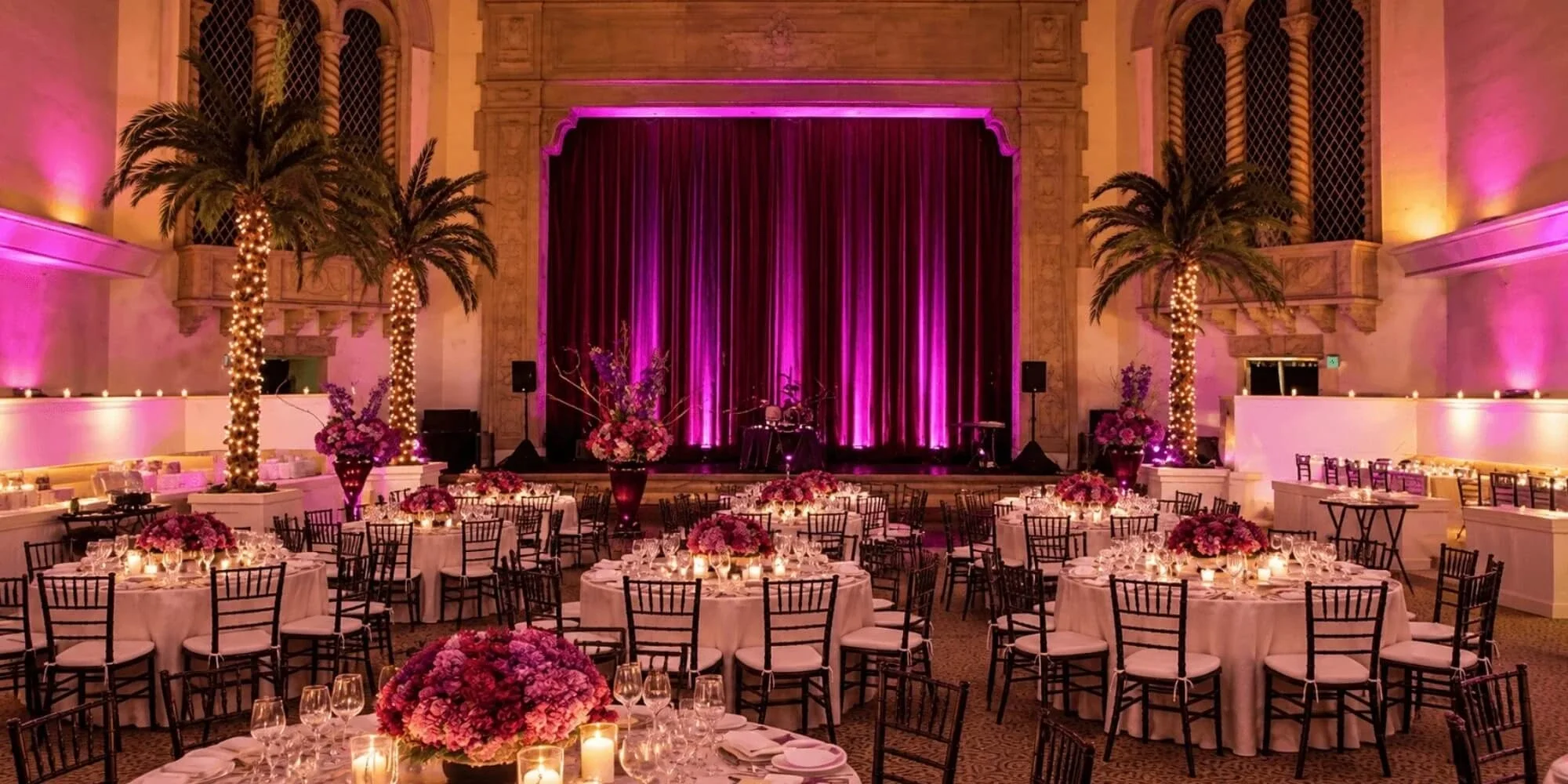
The Corinthian’s grand ballroom sets the stage for a formal celebration, but dinner can take several forms within it. When planning Corinthian Grand Ballroom wedding catering, couples can choose anything from a seated plated meal to shared dishes, buffets, or interactive stations. That choice influences how guests spend their time at the table and how the meal fits into the evening.
Culinary Eye has years of experience providing catering in San Jose and understands how much the service style can shape a ballroom reception. This guide will help you compare the options based on your guest count, schedule, and priorities, so you can choose an approach that fits your wedding.
What to Consider When Planning Corinthian Grand Ballroom Catering
The Corinthian already gives guests plenty to take in, from its soaring ceiling and carved balcony to the stone stage and built-in dance floor. Food service needs to find its place within a room with strong visual focal points. Corinthian Grand Ballroom wedding catering works best when buffets, stations, and displays support how guests experience the space rather than compete with it.
A few features of the ballroom deserve particular attention:
Protect the main sightlines. The stage and dance floor draw attention during speeches, dances, and other shared moments. Buffets, stations, and service equipment should not block those views.
Consider where guests will gather. An interactive station creates a natural gathering point. Good placement can bring activity into another part of the room without crowding entrances.
Plan for dinner to give way to dancing. Food displays and service areas should allow guests to move toward the built-in dance floor without major changes to the setup.
Make visible food areas part of the setting. Stations and displays may remain in view throughout the reception. The event design services from Culinary Eye can connect food presentation, custom builds, and the wider environment when the concept calls for it.
Before settling on a catering service style, confirm the venue’s outside-catering requirements, available preparation facilities, setup access, and cleanup responsibilities. Then mark the stage, dance floor, bar, entrances, and food areas on the approved floor plan to identify potential traffic conflicts.
Comparing Service Styles for a Corinthian Grand Ballroom Wedding Reception
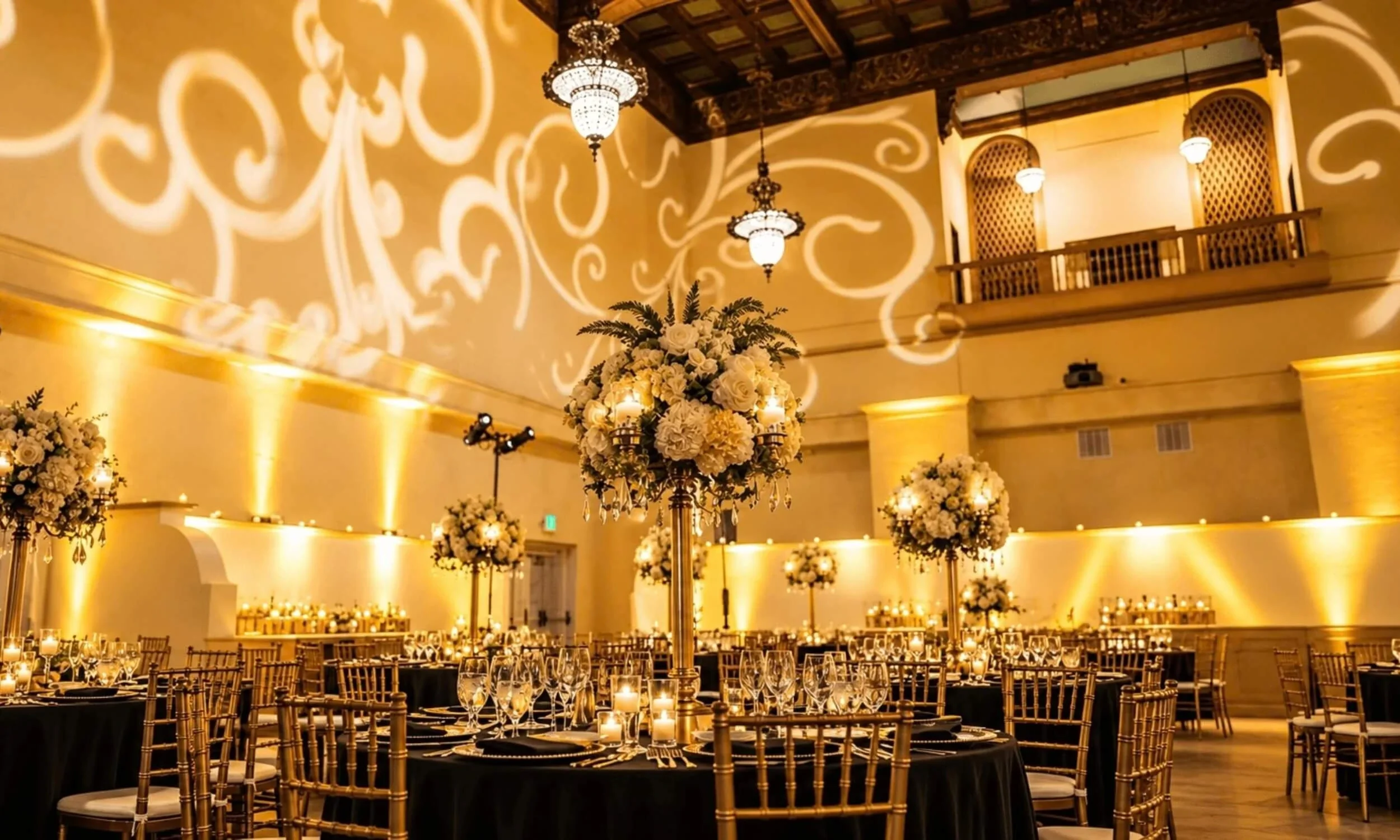
Dinner service shapes how guests experience the ballroom and how much of the evening they spend seated or moving around. For Corinthian Grand Ballroom wedding catering, the best format depends on the atmosphere you want, your guest count, and the time available for dinner.
Plated Dinner
Plated service keeps guests seated while each course arrives at the table. It gives the culinary team control over portions, presentation, and the timing of each course.
Couples researching plated wedding dinner San Jose options may prefer this format when they want dinner to have a defined place in the reception. It also suits the formality of the Corinthian without requiring guests to move around during the meal.
Family-Style Dinner
Family-style service keeps guests at their tables while platters are passed and shared. The format encourages conversation and gives guests more choice over their portions.
However, the tables need enough room for serving pieces alongside place settings, glassware, and décor. The menu should also include dishes that hold well as guests serve themselves.
Buffet Service
A buffet lets guests choose their dishes and portions. If your guest list includes allergies or dietary restrictions, discuss labeling, separate utensils, and any individually prepared meals with your caterer before choosing this format.
Because guests leave their tables at different times, traffic flow matters. Buffet placement should allow people to move through the ballroom without crowding entrances, bars, or the dance floor.
Interactive Food Stations
Stations make food part of the activity in the room. Chefs can carve, assemble, garnish, or finish dishes as guests arrive.
For Corinthian Grand Ballroom wedding catering, stations can work especially well when couples want guests to explore the space during dinner. Each station should have a clear purpose and enough room for guests to gather comfortably.
Which Service Style Works Best at the Corinthian Grand Ballroom?
There is no single service style that works for every reception. Instead, consider what you want guests to do during dinner and how much structure you want around the meal.
| If You Want... | Consider... | What to Plan For |
|---|---|---|
| A structured dinner with guests seated | Plated service | Course timing and advance entrée selections if offering a choice |
| A shared meal and conversation at the table | Family-style service | Space for platters, serving utensils, and table décor |
| A selection of dishes and flexible portions | Buffet service | Table-release timing, queues, and accessible serving routes |
| Chef interaction and movement during dinner | Food stations | Station placement, equipment requirements, and room for queues |
You can also combine formats. A plated main course might follow interactive appetizers, while a dessert station can bring guests back to the food later.
With Corinthian Grand Ballroom wedding catering, the right choice is the one that fits the way you want people to spend the evening.
“Planning Dinner at the Corinthian?
Every guest list, menu, and service style shapes the cost differently. Share what you’re planning with Culinary Eye, and we can help you understand what your wedding may require.”
Planning Dinner Timing, Layout, and Service
Once you choose a dinner format, coordinate the floor plan, staffing, and reception schedule. Review these together with your caterer and venue coordinator so service routes and guest movement fit the planned layout.
Start with the floor plan. Servers need clear paths between the kitchen and tables. Meanwhile, buffets and stations need enough room for guests to gather without blocking entrances, bars, or the dance floor.
Next, look at the reception schedule. Introductions, speeches, dances, and cake cutting can all affect when food leaves the kitchen. Even a short delay matters when chefs are preparing a hot course for a full ballroom.
Avoid serving or clearing during speeches whenever possible. Guests should be able to listen without plates moving through the room or servers working between tables.
Staffing should also match the dinner format. A multi-course plated meal requires a different service team than a buffet or station-based dinner. Event staffing services can be planned around the guest count, menu, and amount of tableside service required.
Beverage timing matters as well. Coordinating bar service for your wedding reception with dinner can reduce unnecessary lines and keep drinks available during courses and toasts.
Finally, consider what happens when dinner ends. At the Corinthian, the built-in dance floor gives guests a natural next destination. Decide whether dessert, coffee, or late-night food happens before dancing or continues alongside it.
Before approving the plan, trace how food enters the ballroom, how used dishes leave, and where guests will move. That simple review can uncover service conflicts before the wedding day.
“Let’s Talk Through Your Reception
From dinner service to the way guests move through the room, the details work best when considered together. Culinary Eye can help shape an approach that fits your plans, your guests, and the Corinthian.”
Wedding Menu Decisions to Make Before Your Tasting
A tasting is more useful when you arrive with a few decisions already made. Your Corinthian Grand Ballroom wedding catering plan should account for dietary needs, entrée choices, dessert, and dishes with personal significance.
First, decide whether guests will choose entrées in advance or receive the same menu. Share allergies and dietary requirements early so the chef can develop appropriate options.
Family and cultural dishes can also shape the menu. Culinary Eye can preserve recognizable flavors or preparations while adapting a dish for the guest count and service style.
Finally, decide what role dessert will play. You may end dinner with dessert at the table or offer something later once guests start dancing.
Bring these decisions to the tasting. The chef can then focus on refining dishes that already make sense for your reception.
How Culinary Eye Approaches Wedding Catering in San Jose
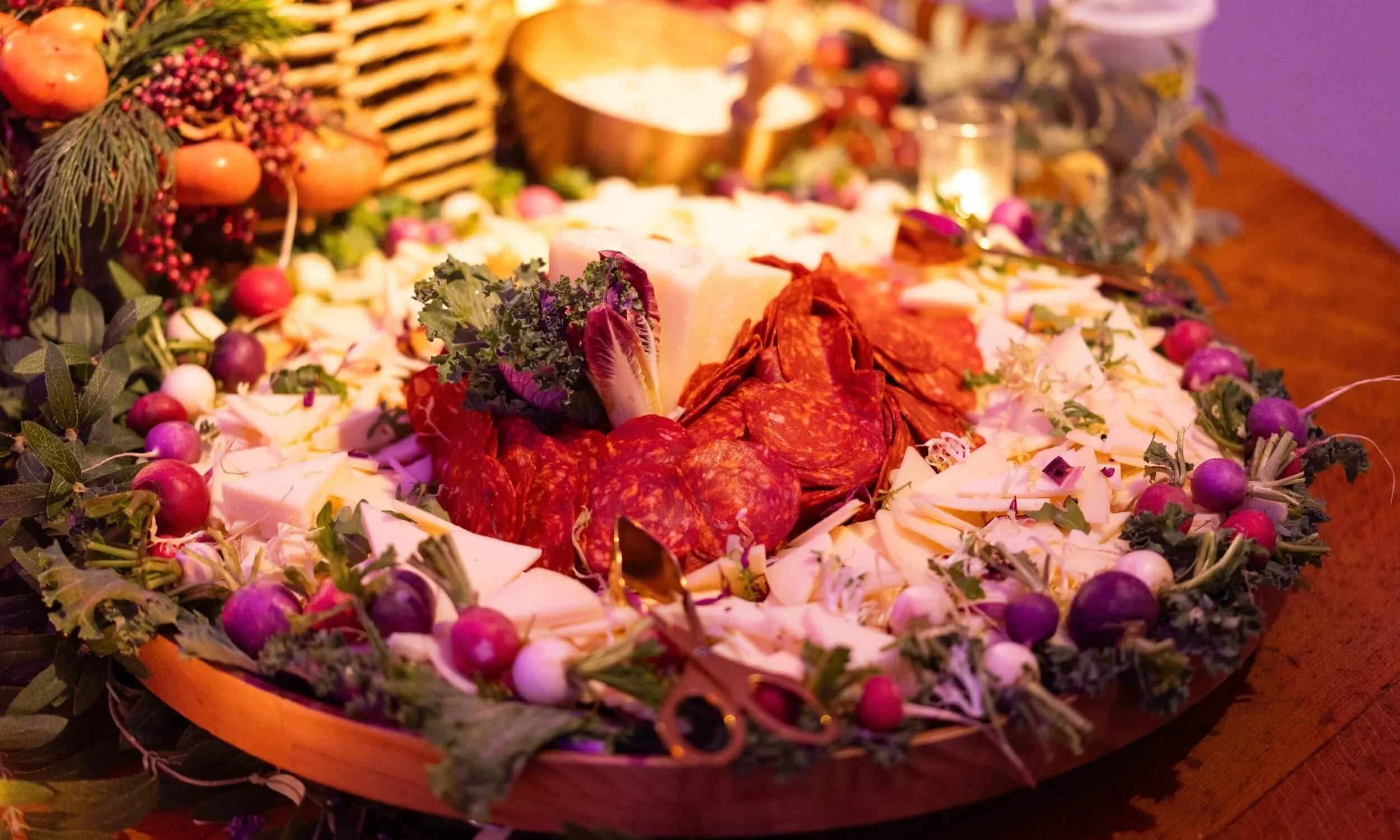
Our wedding catering services bring menu development, event design, and fabrication together for ballroom weddings in San Jose.
At the Corinthian, that might mean building a custom food display, developing a chef-attended station, or finishing individual dishes in front of guests. We consider how people approach the food, how service fits into the ballroom, and what the culinary team needs to execute each dish well.
Our chefs and service team carry that planning through onsite. They finish dishes, manage interactive elements, and adjust service as the reception unfolds. Food becomes part of how guests experience the room rather than something planned separately from it.
Frequently Asked Questions (FAQs)
How many guests can the Corinthian Grand Ballroom accommodate?
The Corinthian Grand Ballroom’s current venue page lists a sit-down capacity of 70 to 300 guests. The practical number can depend on the floor plan, dance floor, dining setup, and other event elements.
How long should you allow for dinner at a wedding reception?
Most wedding dinners need about 60 to 90 minutes. The exact timing depends on guest count, service style, number of courses, and scheduled speeches.
How many servers do you need for a wedding reception?
Staffing depends on guest count, menu, and service style. A multi-course plated dinner generally requires more service staff than a buffet or station-based meal.
How do wedding caterers handle food allergies and dietary restrictions?
Caterers usually collect dietary requirements before the event and plan appropriate meals or menu options. Buffets and stations also need clear allergen information and procedures that help reduce cross-contact.
Can wedding caterers recreate a family or cultural dish?
Yes. A chef can adapt a family or cultural dish for event service while preserving recognizable flavors, ingredients, or preparation methods.
When should you finalize your wedding catering menu?
Finalize the menu by your caterer’s required deadline, often several weeks before the wedding. The caterer may also need your final guest count, entrée selections, and dietary requirements by that stage.