
Interactive Food Stations for Events: How to Plan Them Without Creating Long Lines
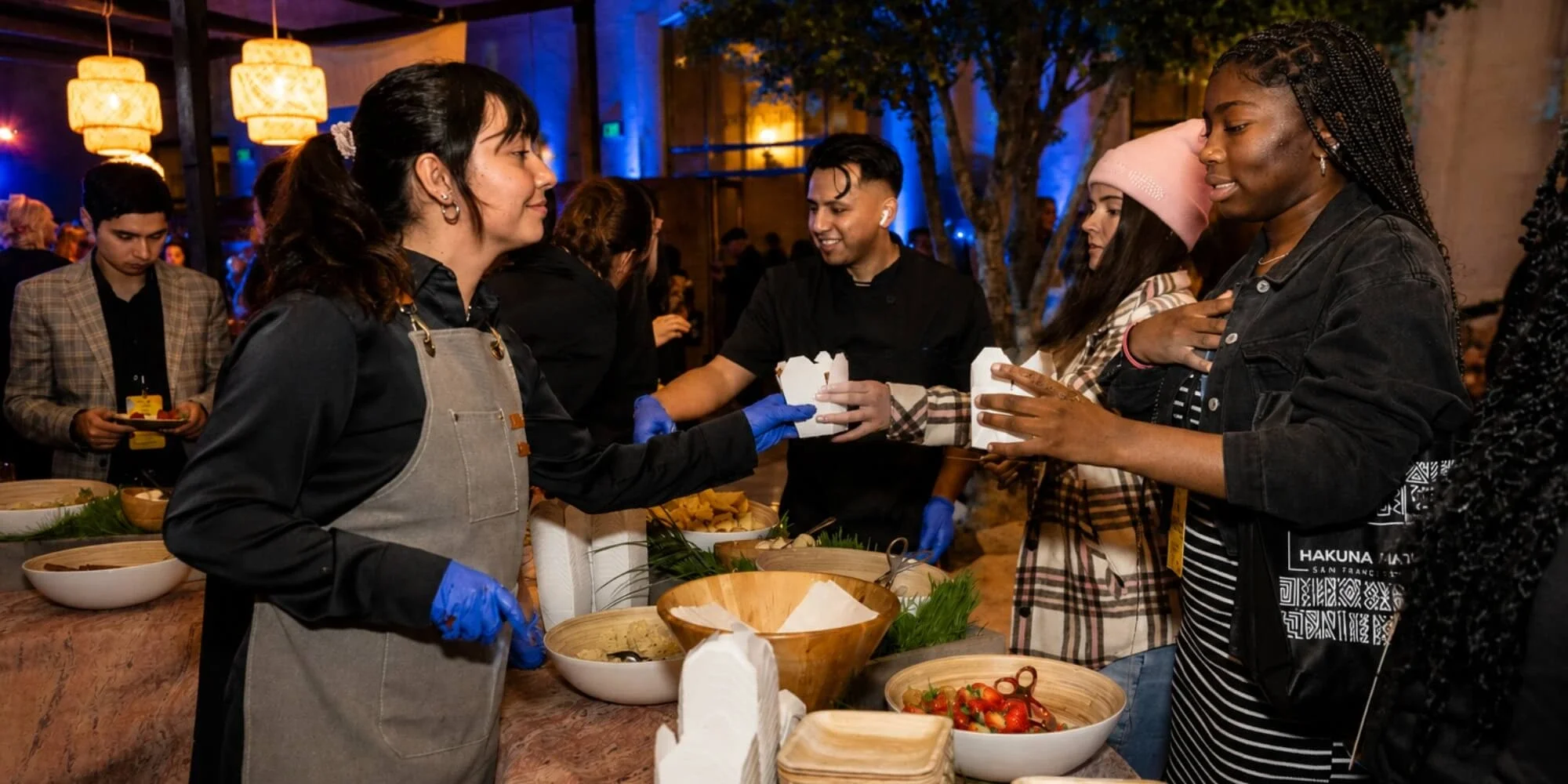
Interactive food stations for events can completely change the way people experience a meal. Instead of joining a single buffet line, they can explore different dishes, watch food being prepared, and choose what appeals to them. Done well, food stations add variety, create conversation, and give people more freedom to enjoy the meal at their own pace. The best way to prevent long lines is to spread demand across multiple service points, simplify made-to-order choices, and match each station’s staffing to the time required to prepare each serving.
Of course, food stations also come with their own challenges. Poor layouts, complicated menus, or too few service points can quickly lead to long lines and frustrated guests. At Culinary Eye, we design interactive food stations for events with both creativity and practicality in mind, making sure every station complements the overall event experience. This guide shares simple ways to keep service running smoothly while creating an experience people remember for the right reasons.
Why Long Lines Form at Interactive Food Stations
Long lines rarely happen by chance. More often, they're the result of several small decisions that affect how people move through an event venue and interact with the food.
One common issue is concentrating too much demand in one place. A single signature station or popular menu item can quickly attract a crowd, especially if there aren't enough alternatives nearby. As more people gather, movement slows and lines begin to build.
Menu design also plays an important role. Stations with too many customization options take longer to serve because every order requires additional decisions and preparation. Even small delays can add up when several people are waiting.
Timing has a similar effect. When food service opens for everyone at once, large groups naturally head toward the stations together. Without enough service points to spread people throughout the space, interactive food stations for events can become crowded within minutes.
The layout matters just as much. Narrow walkways, closely grouped stations, or poorly positioned waiting lines can create bottlenecks that affect the entire room. Instead of moving comfortably between stations, people find themselves waiting for space to open up.
Most long lines aren't caused by the food itself. They're usually the result of planning decisions that influence how people move, choose, and gather throughout an event.
Plan Food Station Catering Around Guest Flow
Successful food station catering starts with understanding how people will move through the space. Before deciding where each station should go, think about how they'll arrive, gather, explore the event, and make their way from one area to another.
Several planning decisions can make service more efficient:
Estimate attendance before deciding how many stations you'll need.
Review the layout of your event venue to identify natural gathering points.
Spread stations throughout the space instead of clustering them in one area.
Schedule food service to avoid sending everyone to the stations at the same time.
Coordinate your station layout with the overall event design so food and the surrounding
space work together.
Thoughtful planning helps people move through the event instead of gathering in one place. As a result, interactive food stations for events feel more inviting, service stays consistent, and long lines are far less likely to develop.
“Planning Food Stations for Your Event?
The right station depends on your guests, your venue, and the kind of experience you want to create. If you’re wondering what that could look like for your event, we’d be happy to share ideas and prepare a tailored quote.”
Design Menus That Keep Service Flowing
A successful menu starts with making choices easy. Offering too many dishes or extensive customization can slow ordering and create unnecessary bottlenecks. A focused selection helps people decide more quickly while still providing enough variety.
The dishes themselves also make a difference. Recipes that require only a few finishing touches at the station allow chefs to serve more orders without sacrificing freshness. At the same time, they preserve the interactive element that makes live food stations so appealing.
Preparation before service is equally important. Portioning ingredients in advance, stocking each station with everything needed, and assigning clear staff responsibilities reduce interruptions once guests begin ordering.
Finally, think about how each item fits into the overall menu. Mixing made-to-order specialties with selections that can be served immediately creates a better balance between variety and speed. As a result, interactive food stations for events can offer a memorable dining experience without creating unnecessary lines.
Estimate Capacity Before Finalizing the Station Count
The number of stations should be based on more than the total guest count. Consider how long service will last, how many servings each station can complete during that period, and how likely guests are to choose each concept.
A station that only requires plating can usually serve people faster than one where food is cooked, sliced, or extensively customized. Popular or slower stations may need to be duplicated, while self-service displays can often accommodate a larger number of guests.
Before finalizing the layout, estimate the preparation time for one serving and compare the station’s total capacity with expected demand. This helps identify potential bottlenecks while there is still time to adjust the menu, staffing, or number of service points.
Choose Event Food Station Ideas That Suit Your Event
The right event food station ideas should reflect more than what's popular. They should suit the occasion, match the way people will eat, and fit the atmosphere you want to create.
Some formats remain popular choices:
Taco stations with pre-prepared fillings and freshly finished toppings.
Slider stations featuring a small selection of proteins and accompaniments.
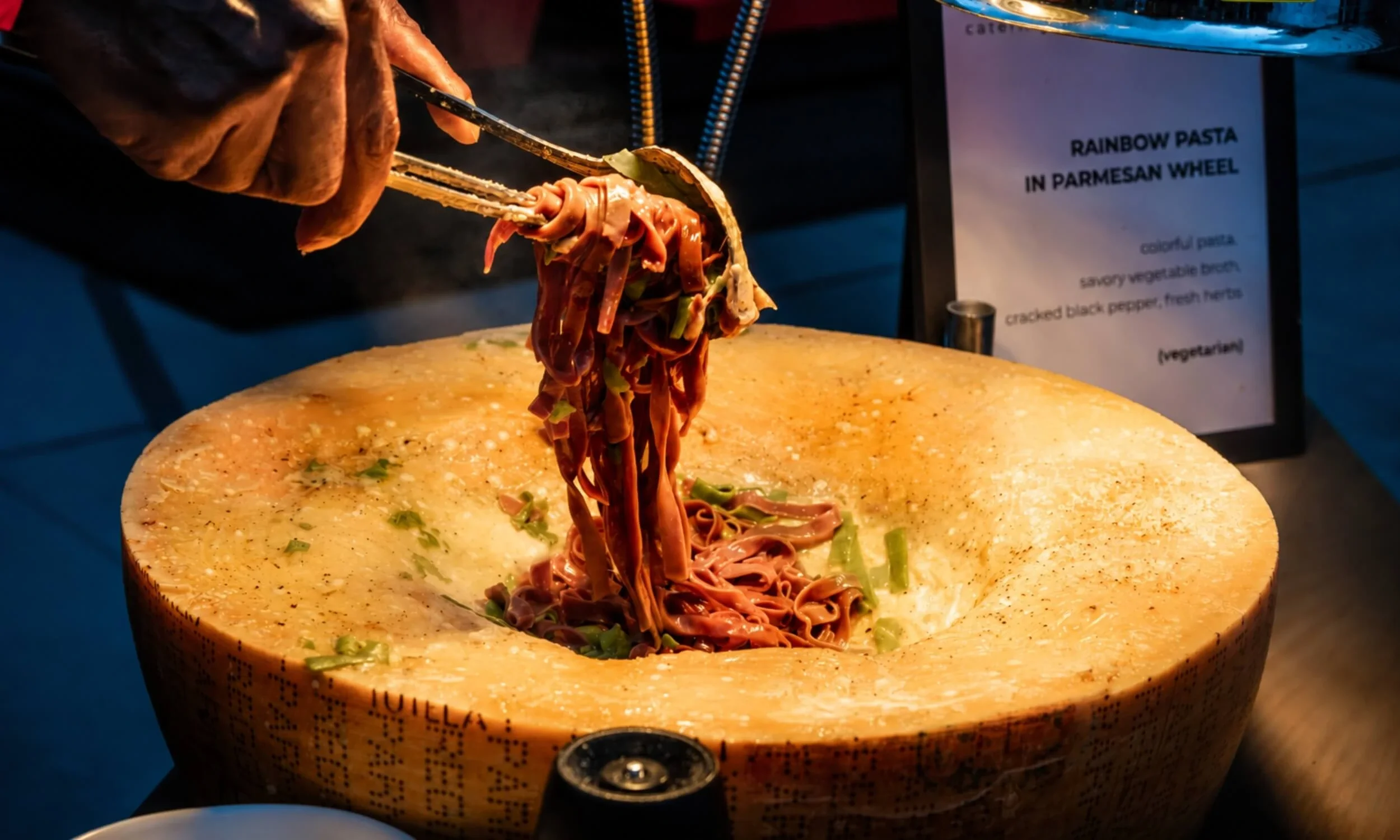
Pasta stations with a limited choice of sauces for quick assembly.
Build-your-own poke bowl stations using pre-portioned ingredients.
Chef-attended carving stations supported by assistants who plate each serving.
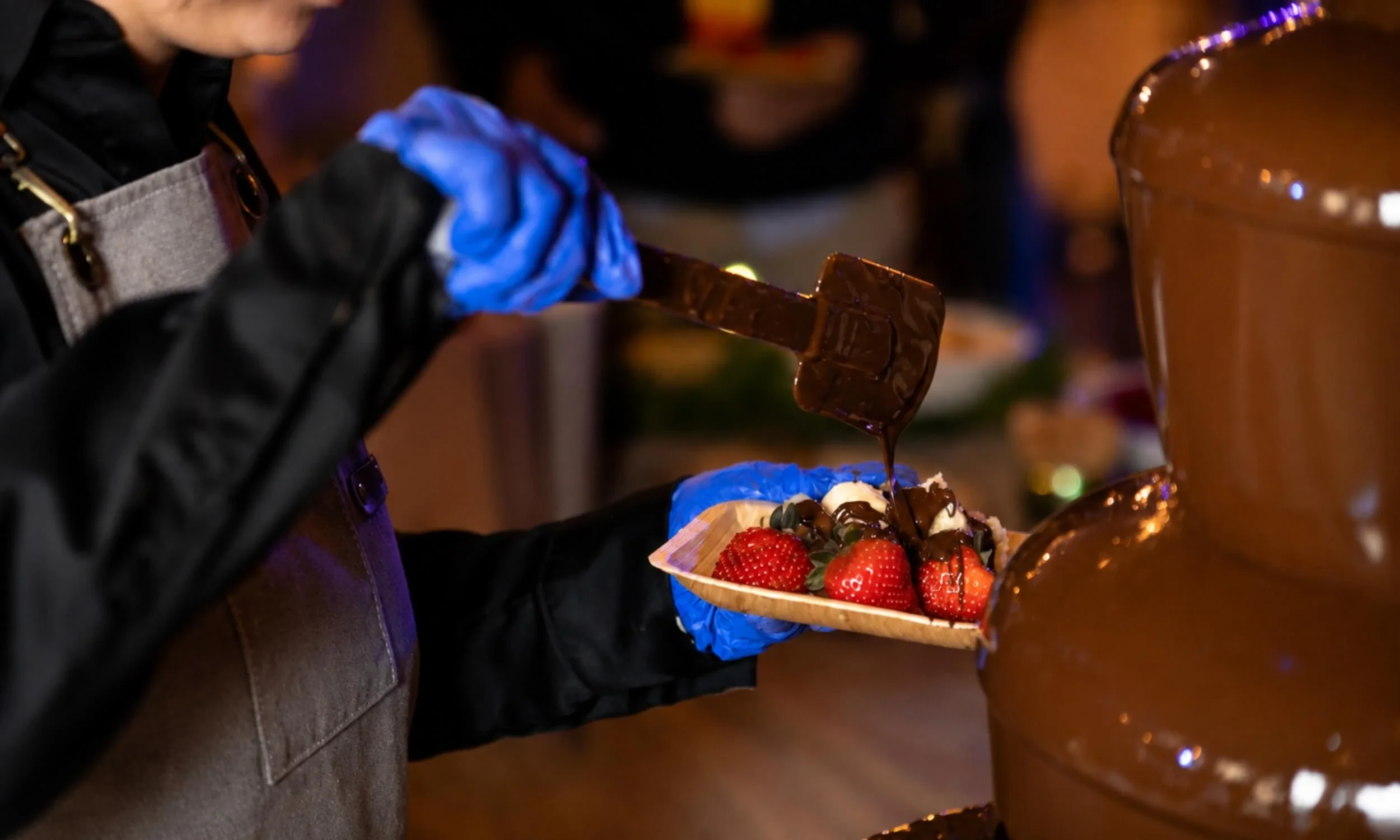
Dessert stations with bite-sized treats that are easy to enjoy while mingling.
Seasonal grazing displays that invite people to serve themselves throughout the event.
No single station is right for every occasion. Wedding receptions, private celebrations, fundraisers, and corporate events all have different service needs. For example, lighter dishes work well when people are standing and socializing, while longer events often benefit from more substantial options. Likewise, conference catering typically works best with stations that support staggered break times instead of serving everyone at once.
When your station choices reflect both the event format and the people attending, interactive food stations for events become a part of the experience, making it easier for everyone to enjoy the food without unnecessary delays.
Position and Staff Stations for Smooth Service
A well-planned layout and menu provide a strong foundation, but the service team keeps everything running once guests begin arriving. Clear responsibilities, good communication, and experienced staff help every station operate with confidence.
Keep these operational considerations in mind:
Assign experienced chefs to stations where food is prepared in front of guests.
Designate a lead for each station to coordinate service and respond to questions.
Position support staff nearby so ingredients and servingware can be replenished before supplies run low.
Keep preparation areas stocked so chefs can stay focused on serving food.
Cross-train team members so they can step in where demand increases during service.
Maintain clear communication between the kitchen and floor staff throughout the event.
Review staffing levels throughout the event and adjust assignments as demand shifts.
No event unfolds exactly as planned. An experienced team monitors each station, responds quickly to changing conditions, and makes small adjustments before minor issues become larger disruptions. That flexibility helps interactive food stations for events deliver a smooth, enjoyable dining experience from beginning to end.
Small Details That Improve the Experience
Once the major planning decisions are in place, small details help food stations perform at their best throughout the event.
Pay attention to the finishing touches that often go unnoticed until they're missing:
Use clear menu boards and dietary labels so people can review their options before ordering.
Keep food displays clean, fresh, and fully stocked from the beginning of service to the last plate served.
Replenish servingware, napkins, and condiments before supplies run low.
Allow enough workspace at chef-attended food stations for food preparation and natural interaction with guests.
Use lighting that makes each station easy to find and showcases the food at its best.
While each detail is simple on its own, they all contribute to the success of interactive food stations for events. Together, they create a polished dining experience that reflects the same level of care as the menu itself.
“Tell Us What You’re Planning
From interactive food stations to fully themed culinary experiences, we shape every event around the people gathering and the story you want to tell. We’d be glad to talk through your ideas and help you decide what fits best.”
Why Brands Choose Culinary Eye for Interactive Food Stations
At Culinary Eye, we believe successful interactive food stations for events begin with understanding the people they're designed for. Every project starts with a conversation about your goals, your guests, and the kind of atmosphere you want to create.
From there, we develop food stations that feel like a natural part of the occasion. We work closely with planners, production teams, and venue managers to coordinate every detail, whether we're creating experiential catering for a product launch or supporting a client appreciation event.
Our experience providing catering in San Francisco has taken us to corporate offices, galleries, warehouses, rooftops, and other distinctive venues across the Bay Area. That experience allows us to adapt our approach and explore different catering styles that suit each space and audience.
If you're planning interactive food stations for events, we'd love to learn more about your plans and help bring them to life.
Frequently Asked Questions (FAQs)
How many interactive food stations should you have for an event?
The ideal number of interactive food stations depends on your guest count, venue, and menu. Larger events typically benefit from multiple stations, while duplicating popular concepts helps distribute demand and reduce lines.
What foods work best for interactive food stations?
Foods that can be prepared quickly and finished to order work best for interactive food stations. Tacos, sliders, pasta, poke bowls, carving stations, and bite-sized desserts all provide variety while supporting efficient service.
How do you reduce long lines at food stations?
Reduce long lines by spreading stations throughout the venue, offering a focused menu, and avoiding a single service point. Clear signage, experienced staff, and thoughtful planning also help prevent bottlenecks.
Are interactive food stations suitable for corporate events?
Yes. Interactive food stations work well for conferences, networking receptions, product launches, company celebrations, and other corporate events because they allow people to eat, socialize, and explore the menu at their own pace.
Should every food station offer customization?
No. A small number of meaningful customization options usually creates a better balance between personalization and efficient service than offering too many choices.