
Wedding Catering Styles: Plated vs. Buffet vs. Stations – Which Is Best for Your Wedding?
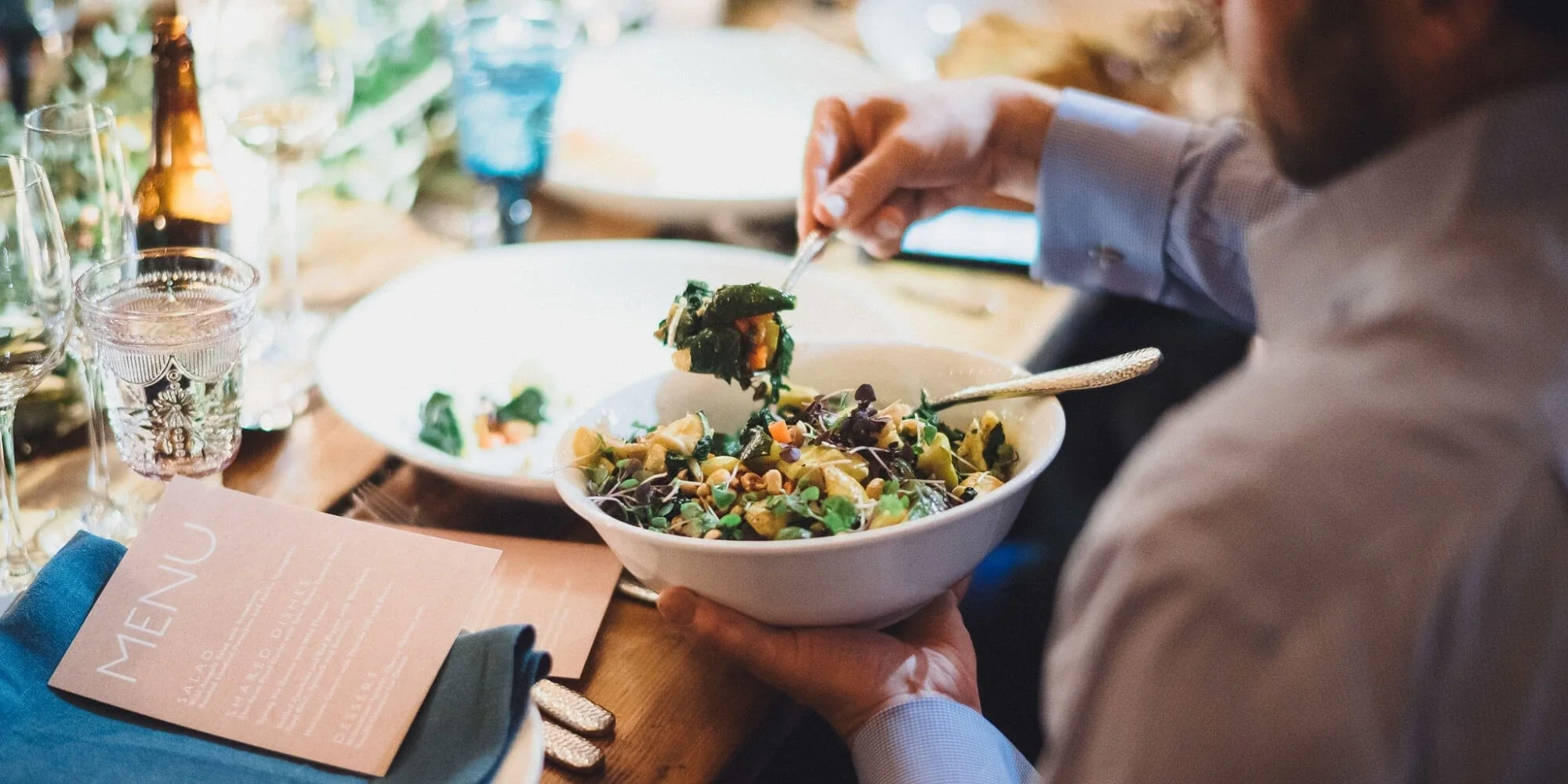
Some parts of a wedding are obvious. Music, lighting, décor—they stand out right away. Others work more quietly, shaping the experience without drawing attention to themselves. Food service sits in that second category. Wedding catering styles influence how the evening flows in ways guests may not notice directly. Still, they feel the difference in how they move, gather, and spend their time.
At Culinary Eye, we approach wedding catering as part of that underlying structure. The format you choose doesn’t just serve the meal. It shapes how the entire room comes together.
What Are Wedding Catering Styles?
Wedding catering styles are the different ways food is served at a wedding, including plated, buffet, stations, and family-style formats. Each one affects timing, movement, and how guests interact during the event.
Before getting into comparisons, it helps to keep the definitions simple. These formats are often grouped together, yet they behave very differently once service begins.
Plated service: Guests remain seated while each course is served individually. The timing stays controlled, and everything arrives in sequence.
Buffet service: A central setup allows guests to serve themselves. Some head up early. Others wait it out and watch the line build.
Stations: Food is spread across multiple points, each focused on a specific dish or idea.
Each style sets a direction early. Once service starts, the room tends to follow.
Plated vs. Buffet vs. Stations: Key Differences at a Glance
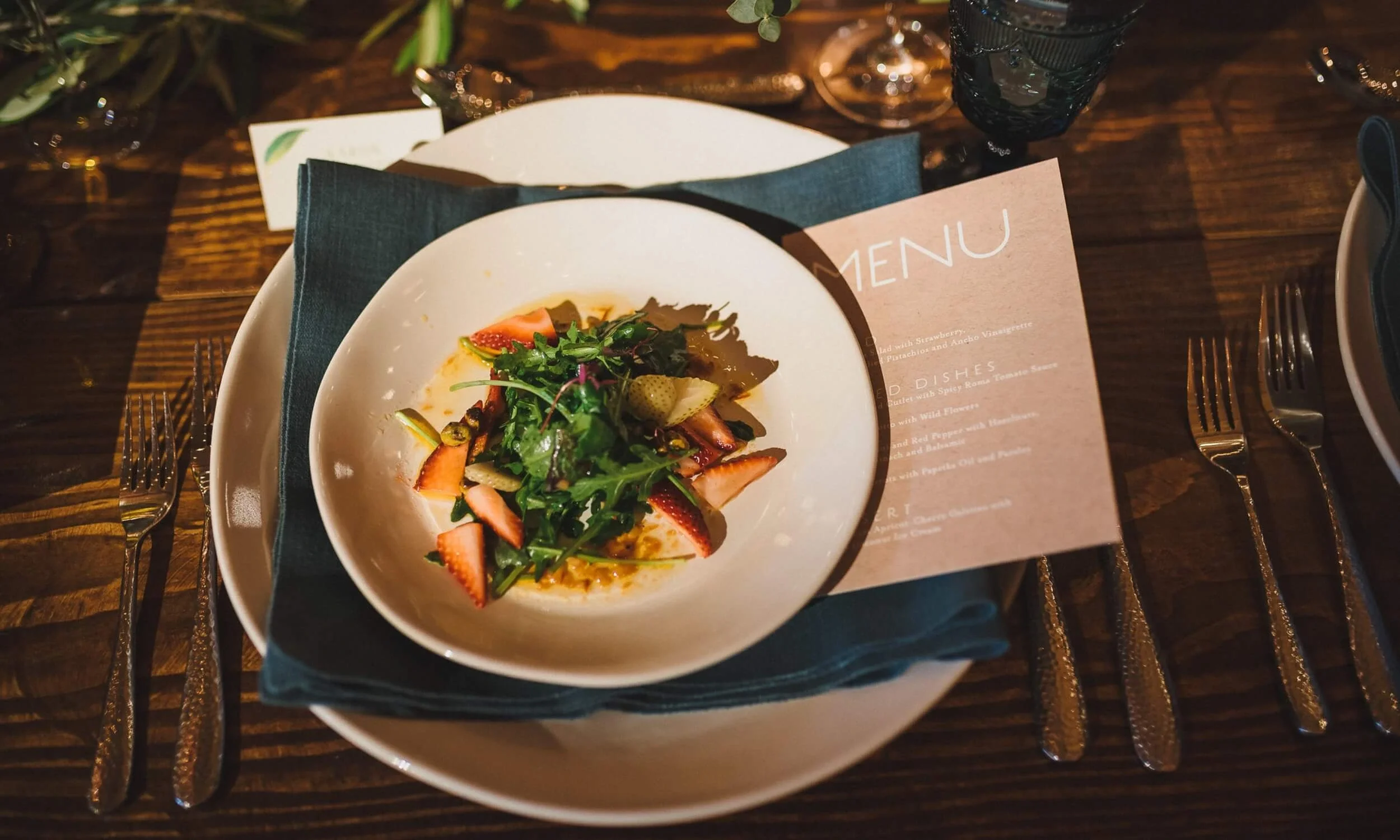
If you’re comparing wedding catering styles like plated, buffet, and stations, it helps to see how they differ side by side.
Guest movement: Plated keeps guests seated, buffet creates light movement, stations encourage continuous flow
Pacing: Plated follows a set timeline, buffet is flexible, stations feel open-ended
Interaction: Plated centers conversation at the table, buffet adds brief interaction, stations create multiple social points
Space needs: Stations require the most space, buffets need careful layout, plated works well in tighter setups
This quick comparison helps clarify which format fits your space and guest dynamic.
“What does this look like for your event?
Every wedding moves a little differently. The format, guest count, and space all shape how the service comes together. If you’re starting to think about cost, you can reach out to our team and talk through the details at your own pace.”
How Wedding Catering Styles Shape the Guest Experience
You can feel the shift within minutes. The room either settles—or it starts to move.
Plated service:
Guests stay seated for longer stretches.
Conversations stay within the table.
The evening follows a steady, predictable pace.
Buffet service:
Guests move between tables and the buffet.
Lines form, then turn into quick conversations.
Someone almost always goes back for seconds—and brings another plate along.
Stations:
Guests keep circulating through the space.
Small groups gather, then drift apart.
People pause to watch something being finished, even if they weren’t planning to eat.
With wedding catering styles, these patterns take care of themselves. You don’t have to push them.
Plated vs. Buffet Wedding Pros and Cons
This is usually where couples pause and weigh options. Both formats work well, but they lead to different kinds of evenings.
Plated:
Keeps the event on a clear timeline
Works well when speeches are spaced between courses
Gives each guest the same presentation
However, requires decisions in advance
Buffet:
Gives guests more control over what they eat
Allows for broader variety
Feels more flexible overall
However, often needs more space and planning than expected
Buffets sound simple. They rarely are. They just shift the work into layout and flow. When comparing plated vs. buffet wedding pros and cons, the decision often comes down to structure versus flexibility.
Where Stations Fit In (And When They Work Best)
Stations tend to change the feel of the event more noticeably. Instead of one focal point, the room opens up.
Guests approach food from different directions.
Chefs can finish dishes in front of them.
Each station can carry its own identity.
The layout needs to be planned carefully.
Staffing plays a bigger role than most expect.
We see guests linger here more than anywhere else. Not just to eat, but to see what’s happening. Among wedding catering styles, this one invites movement without making it feel forced.
Family Style vs. Plated Wedding: A Middle Ground Worth Considering
Some couples want to keep everyone seated but avoid a formal feel. That’s where this option comes in.
Dishes are placed on each table for sharing.
Guests pass plates, serve each other, and keep talking.
Conversations stretch across the table more naturally.
However, table space becomes important.
When comparing family style vs. plated wedding formats, the shift is subtle but noticeable. The structure stays, but the table feels more alive.
What Influences the Right Wedding Catering Style?
At some point, the decision becomes less about preference and more about what will actually work in the space.
The number of guests and how they tend to interact
The layout and natural pathways in the venue
The timing of speeches and transitions
Cultural expectations around dining
How much movement you want in the room
The level of staffing available
In our experience, guest count and layout tend to shape the decision more than anything else. Your wedding catering menu matters here too. Some dishes hold well while guests move around, while others are better served directly to the table.
“Let’s shape the experience around your space
By now, you’ve seen how different formats affect the flow of an event. If you’d like to talk through your venue, guest list, or ideas, we can help you map out a setup that feels natural from start to finish.”
Best Catering Style for Weddings Based on Different Scenarios
It helps to picture the day as it will actually happen. Once you do that, certain formats start to make more sense.
Formal receptions: Plated service keeps everything aligned with the schedule.
Outdoor venues: Buffets and stations adapt more easily to open layouts.
Multi-event celebrations: Stations allow variety across different functions.
Smaller gatherings: Family-style keeps the table feeling connected.
Lively settings: Stations keep people moving without crowding one area.
The best catering style for weddings becomes clearer when you picture where people will pause, not just where they’ll sit.
Common Mistakes Couples Make When Choosing a Catering Style
Some decisions seem minor early on, but they show up quickly during the event.
Choosing a format without walking through the space
Underestimating how lines or movement will build
Forgetting how service timing affects everything else
Not aligning service style with staffing
When choosing between wedding catering styles, these small details often make the biggest difference. It also helps to think about full-service wedding catering from the start, so everything works together smoothly.
The Culinary Eye Way of Planning Food and Space
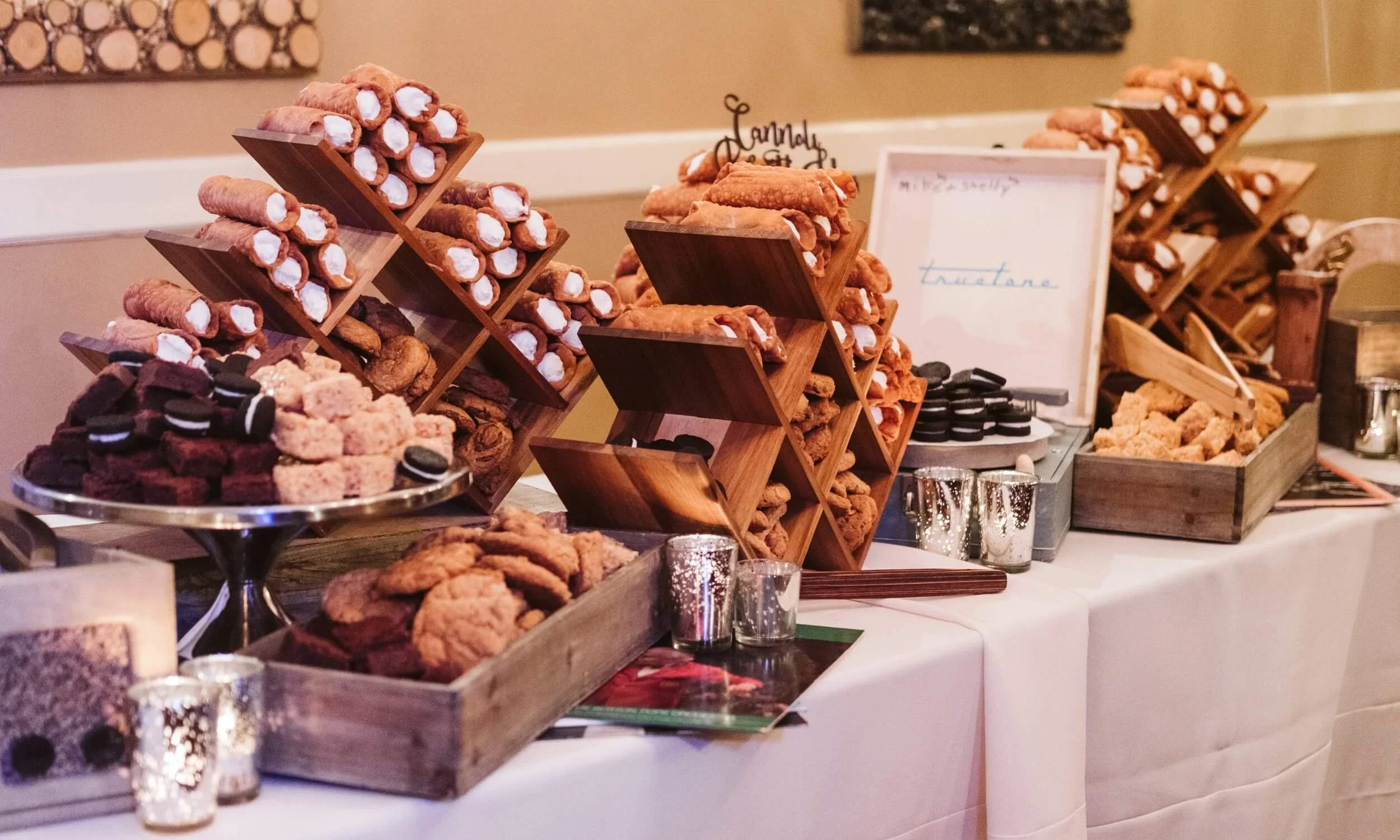
At Culinary Eye, we don’t begin with a fixed format. We start by understanding the space, the people, and how the event is meant to unfold. Then we walk the venue and look closely—where guests might pause, where movement could slow, and where something unexpected might draw attention.
Those observations shape how we design the service. Sometimes that leads to a plated setup with small adjustments in pacing and flow. Other times, it means building stations that guide guests through the space in a natural way. We think about placement, timing, and how each element connects, so the experience feels cohesive from the moment service begins.
Our work often extends beyond the food itself. We design setups that respond to the environment, whether that’s a home, a gallery, or a large open venue. We also adapt in real time, adjusting to how guests move and interact as the event unfolds.
That’s how we approach wedding catering styles—not as fixed categories, but as part of a larger experience that’s shaped with care.
Frequently Asked Questions (FAQs)
What are the different wedding catering styles?
The main wedding catering styles are plated, buffet, stations, and family-style service. Plated meals are served to seated guests, buffets allow self-service, stations offer multiple food points, and family-style involves shared dishes at each table.
Which wedding catering style is best for large weddings?
Buffet and station-style catering work best for large weddings. They allow guests to move freely and reduce delays when planned with proper spacing and staffing.
Is plated or buffet better for a wedding?
Plated service is best for formal weddings with structured timelines. Buffet works better for flexible events where guests want more choice and movement. Plated meals offer structure and timing, whereas buffets provide variety and guest control.
Are food stations more expensive than buffet catering?
Food stations can be more expensive than buffet catering. They often require more staff and setup, though costs vary based on menu and number of stations.
What is family-style wedding catering?
Family-style catering is when shared dishes are placed on each table for guests to serve themselves. It keeps guests seated while encouraging interaction and a communal dining experience.
How do I choose the right wedding catering style?
Choose a wedding catering style based on guest count, venue layout, and event flow. The right format depends on how you want guests to move, dine, and interact.
Can you mix different wedding catering styles at a wedding?
Yes, you can combine multiple wedding catering styles in one event. Many couples pair plated dinners with dessert stations or start with passed appetizers before a buffet.