
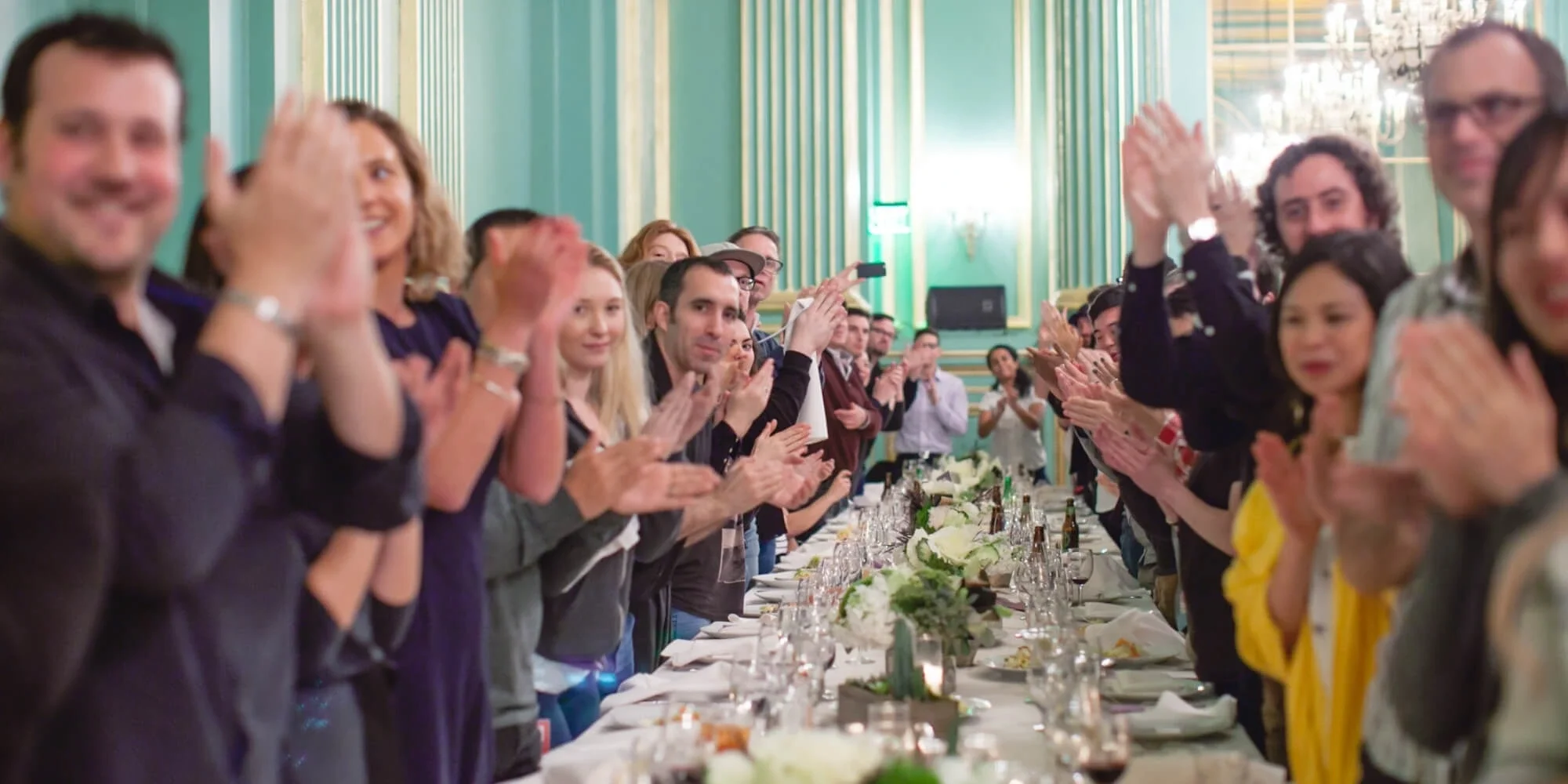
Think about the last wedding you attended. The timeline probably blurred together, but the food stayed with you. Maybe it was something unexpected. Or something simple that just worked in that moment. Food has a way of anchoring people. It gives them a place to stand, something to talk about, a reason to stay a little longer. That’s where a personalized wedding menu starts to matter. It’s not just about what’s served. It shapes how people gather and how the day moves.
A personalized wedding menu is built around a couple’s tastes, background, and shared experiences. It moves beyond standard catering formats to reflect real habits, cultural influences, and meaningful food choices.
At Culinary Eye, wedding catering begins there. We look at how people eat when they feel comfortable, then build something around that.
Start With Your Story: The Foundation of a Personalized Wedding Menu
Before looking at menus, start with your own habits. Not the big occasions—the everyday ones.
Meals you fall back on during busy weeks
Dishes your family always insists on making
Places that changed how you think about food
Small rituals like late dinners or slow weekend cooking
These details give you something solid to work with. They also make it easier to shape a personalized wedding menu that doesn’t feel forced.
For example, a couple who cooks together every Sunday might build a menu around shared, plated courses. Another couple might lean into street-style food they’ve loved while traveling.
Guests may not know the full story behind each choice. Still, they’ll feel that it connects to something real.
Custom Wedding Menu Ideas That Reflect Who You Are
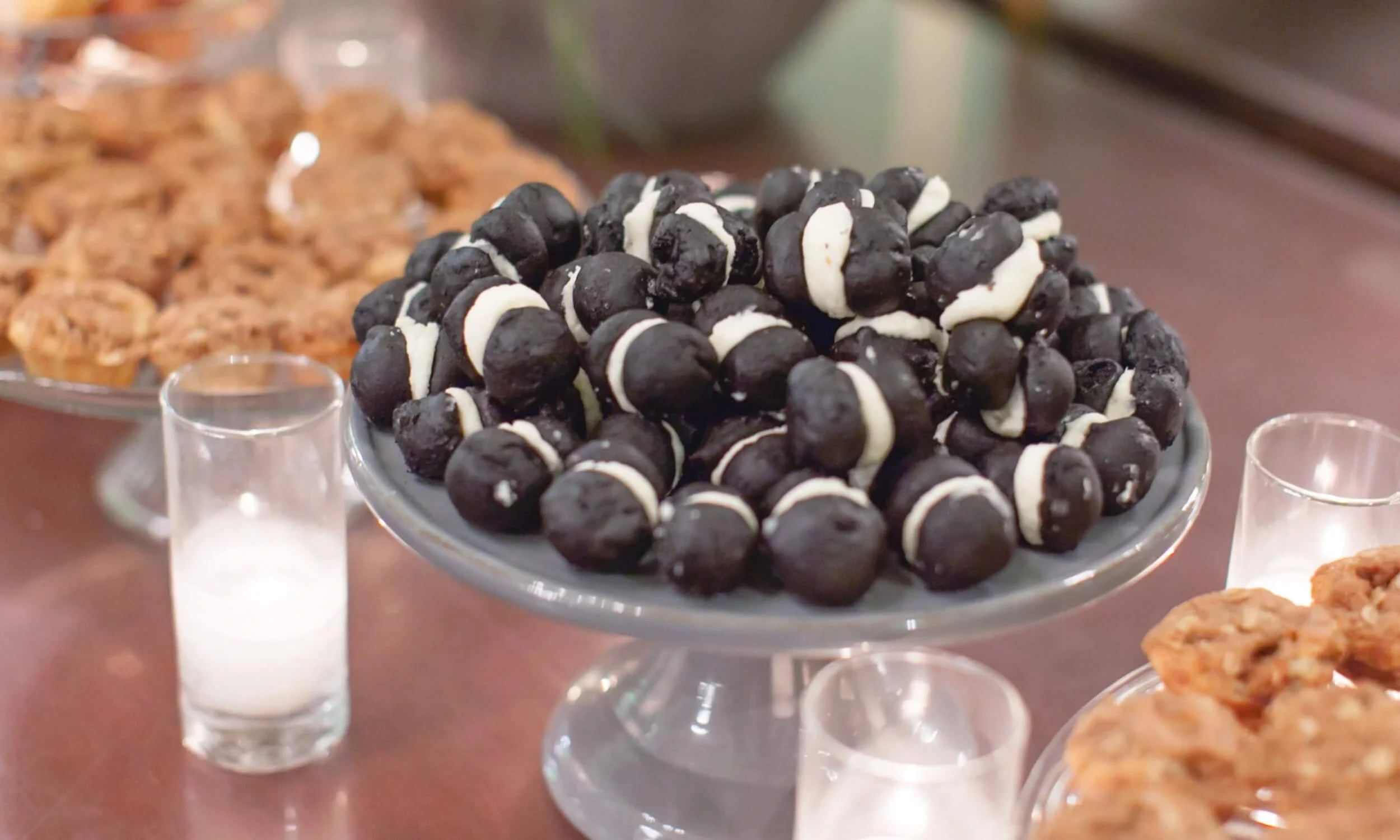
Once you know what matters to you, the food becomes easier to define. This is where your custom wedding menu ideas begin to take shape.
A childhood dish reworked with what’s in season
Two courses that reflect each partner’s background
A station built around something you both order often
Small plates that show different parts of your story
A late-night dish people reach for without thinking
For instance, a family biryani could become a plated course with refined portions and thoughtful presentation. A couple who loves late-night burgers might serve mini versions just before the dance floor fills up.
You don’t need to stretch for originality. Start with what you already enjoy. That’s usually what disappears first. A personalized wedding menu built this way feels familiar from the first bite.
“What would your menu look like in practice?
If you’re starting to picture how this could come together, we can help you map it out. Share a few details, and we’ll walk you through options, formats, and what it could cost in your setting. ”
Cultural Wedding Catering: Honoring Heritage With Care
For many couples, food carries history. Through cultural wedding catering, that history can be shared without turning it into a display.
Including dishes that are part of real celebrations
Working with people who understand traditional cooking methods
Adjusting menus so all guests can take part comfortably
Serving dishes in ways that still feel familiar
One common mistake is trying to merge cultures too quickly. Not every dish needs to be fused. Sometimes it works better to let each cuisine stand on its own.
For example, you might serve traditional starters from one culture and main courses from another, without forcing them into a single format.
There’s no need to explain everything. Let the food show up the way it does at home. A personalized wedding menu feels stronger when it reflects that naturally.
Personalized Wedding Catering: Designing the Guest Experience
What guests eat matters. How they experience it stays with them longer. That’s where personalized wedding catering comes into focus.
Serving food at moments when people naturally gather
Choosing between seated meals and interactive setups
Leaving space for movement instead of fixed paths
Having staff who guide without interrupting
Creating setups that draw people in
If your guest list includes a lot of close family, a seated meal often works well. It allows people to settle in and share time. On the other hand, if your event leans social, stations keep people moving and talking.
| Feature | Plated Dinner | Food Stations |
|---|---|---|
| Guest Experience | Structured & formal | Social & interactive |
| Flow | Fixed seating | Free movement |
| Best For | Family-focused weddings | Social, high-energy events |
| Service Style | Course-based | Self-paced |
| Personalization Level | Moderate | High |
Wedding Menu Inspiration: How Setting Shapes a Personalized Wedding Menu
The space you choose influences more than layout. It affects how food is prepared and how people move around it. Good wedding menu inspiration often starts there.
Outdoor settings that allow live or open-fire cooking
Industrial spaces that suit flexible food stations
Homes where shared platters feel natural
Destination weddings that highlight local ingredients
For example, an outdoor venue might allow live grilling, which naturally draws guests in. A smaller indoor space might work better with passed plates and compact stations.
A common issue is planning a menu without considering the venue. That often leads to adjustments later. When the setting and menu work together, things fall into place.
Seasonality also plays a role here. Ingredients that are in season not only taste better but are often easier to source and manage at scale, which helps maintain consistency during service.
Balancing Creativity With Practical Considerations
Good ideas still need structure. Without it, even simple plans can become difficult to manage.
Set a clear budget and decide what matters most
Plan for dietary needs early
Understand what your venue can support
Work with ingredients that are in season
Align food service with the flow of the event
One thing couples often overlook is timing. Serving too much food too quickly can overwhelm guests. Spacing things out usually creates a better experience.
Guest dietary needs are another key factor. Planning for vegetarian, vegan, or allergy-sensitive options early ensures everyone feels included without last-minute changes.
These decisions keep things running smoothly. They also make your personalized wedding menu easier to execute without constant adjustments.
Common Mistakes When Planning a Personalized Wedding Menu
Overcomplicating the menu
Ignoring guest dietary needs
Choosing style before venue
Trying to merge cultures unnaturally
Serving too many items too quickly
Working With the Right Catering Partner
The team you choose shapes how everything comes together. It’s worth paying attention early.
When booking a wedding caterer, notice how the conversation feels. Do they ask how you like to host? Do they listen before suggesting anything?
Ask how they handle changes during the event. Ask how they adapt to different spaces. These details matter more than a long menu list.
A good partner builds from what you share. They don’t rush into fixed options. Over time, your personalized wedding menu should take shape through that exchange.
“Let’s shape this around your space and guests
Once the details start to come into play, having the right partner makes it easier to move forward. We can talk through your venue, timing, and guest flow, and help you build something that fits naturally. ”
Bringing It All Together With Culinary Eye
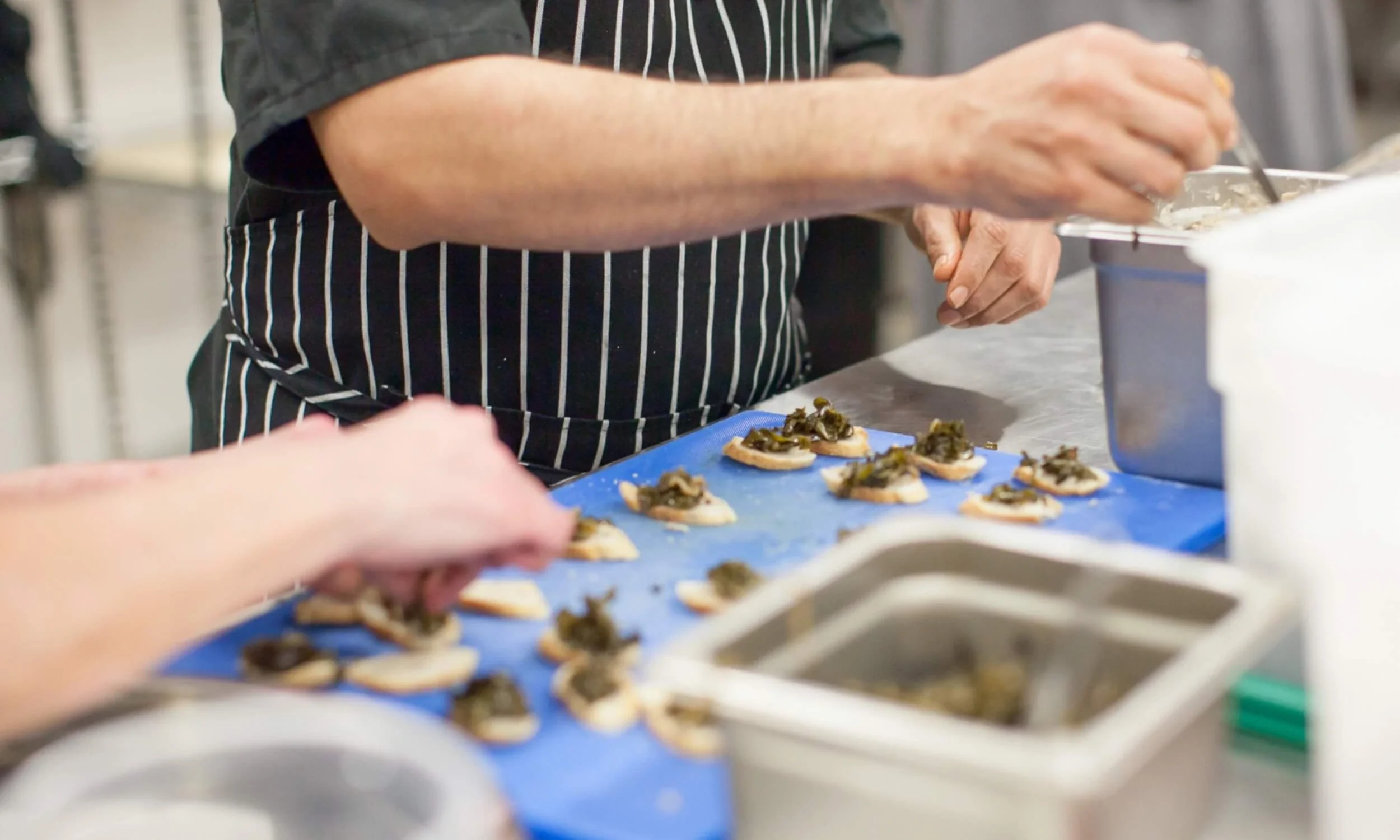
When everything aligns, the menu stops feeling like a separate piece. It becomes part of how the day moves.
At Culinary Eye, we design food experiences around people and place. Some events call for interactive installations. Others work better with slower, shared service. It depends on how guests move through the space. We spend time understanding that before building anything. That’s how each personalized wedding menu develops with clarity.
You’ll see it during the event. Guests returning to the same spot. Plates that empty faster than expected. Conversations that start around food and carry on elsewhere.
That’s also where our approach to personalized wedding catering becomes visible. We focus on what matters to you, then build something people can step into and enjoy.
Frequently Asked Questions (FAQs)
What is a personalized wedding menu?
A personalized wedding menu is a menu designed around a couple’s tastes, background, and shared experiences. Instead of using a standard catering package, it includes dishes that reflect meaningful memories, cultural influences, and everyday food preferences, creating a more personal and memorable dining experience for guests.
How do I create a personalized wedding menu?
To create a personalized wedding menu, start with your favorite meals, family traditions, and food memories. Then work with a caterer to turn those ideas into dishes that suit your guest list, venue, and event style. The goal is to serve food that feels familiar and meaningful to you.
How can I include cultural dishes in my wedding menu?
You can include cultural dishes by selecting recipes that are meaningful to your background and preparing them in an authentic way. Work with chefs who understand traditional techniques, and present the food in formats that feel natural, so your wedding menu reflects your heritage without feeling staged.
What are some unique wedding menu ideas for modern weddings?
Unique wedding menu ideas include interactive food stations, seasonal menus, reworked comfort food, and late-night snacks. Couples often include dishes that reflect their story, such as travel-inspired plates or family recipes, making the menu more engaging and personal for guests.
Should I choose a plated dinner or food stations for my wedding?
Choose a plated dinner if you want a structured and formal experience. Choose food stations if you prefer a more social and interactive setting. The right option depends on your guest list, venue layout, and how you want people to move and interact during the event.
How do I balance creativity with budget in a wedding menu?
To balance creativity with budget, focus on a few meaningful dishes instead of a large menu. Use seasonal ingredients, simplify presentation where needed, and choose a service style that fits your event. This approach keeps your wedding menu personal without unnecessary costs.
When should I book a wedding caterer?
You should book a wedding caterer at least 6 to 12 months in advance, especially during peak seasons. Early booking gives you time to plan, refine your menu, and secure your preferred team.
How many items should be on a wedding menu?
Most wedding menus include 3 to 5 core items per course or station. The exact number depends on your service style and event length. A smaller, well-planned menu often works better than offering too many options, as it keeps service smooth and the experience focused.