
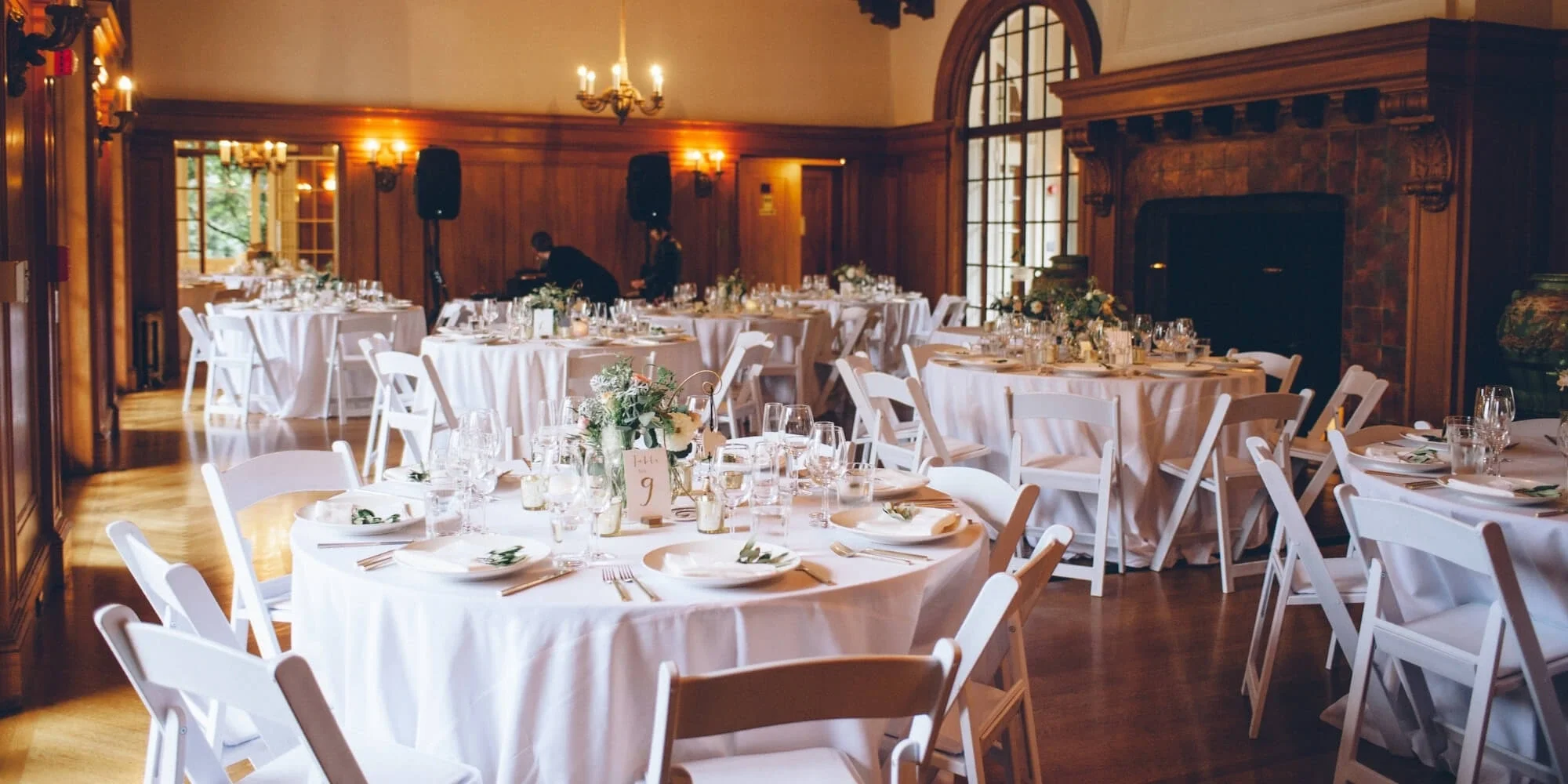
Hidden wedding catering costs are often what catch couples off guard when they start planning. Not because pricing is unclear, but because it’s built from more than what appears on the surface.
At first, everything feels straightforward. You look at a menu, get a quote, and it seems manageable. Then you start comparing options, and the differences begin to show. One proposal includes more detail, while another leaves room for adjustments. That’s usually when the numbers start to feel less certain.
At Culinary Eye, these are often the early conversations. Wedding catering involves more than just food. It includes staffing, setup, timing, and adapting to the space, and each of these elements shapes the final cost.
In most weddings, catering accounts for a significant portion of the budget. Once you see how these pieces connect, the pricing becomes easier to understand and reflects the full experience.
What Are Hidden Wedding Catering Costs?
Hidden wedding catering costs are additional expenses beyond the base menu price, including staffing, rentals, logistics, overtime, and venue-related requirements that are often finalized later in planning.
Wedding Catering Cost Breakdown: What You’re Actually Paying For
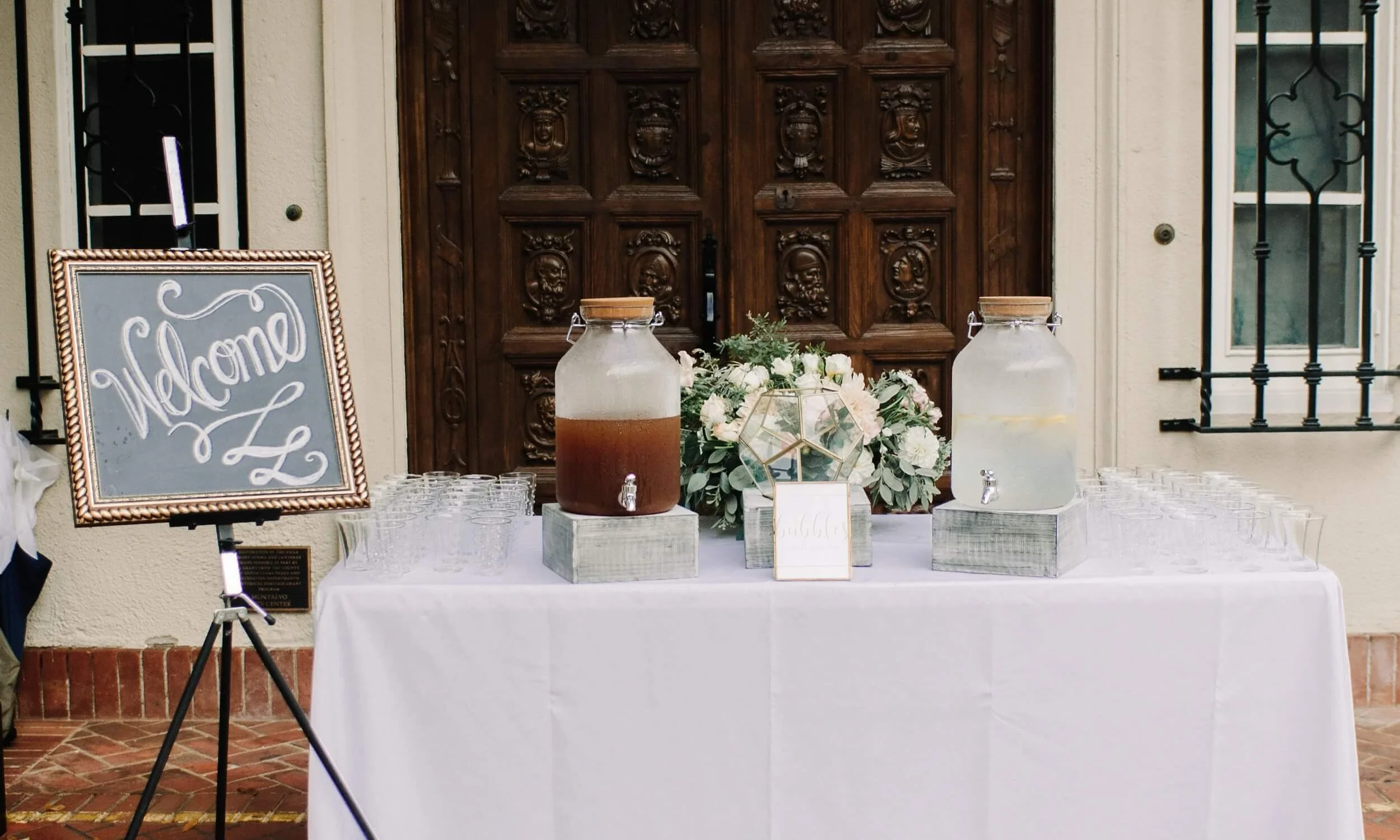
Before getting into surprises, it helps to see the full picture. A clear wedding catering cost breakdown makes the structure easier to follow.
Food ingredients and menu development
Kitchen preparation and onsite finishing
Service staff, chefs, and coordination team
Rentals such as tables, linens, and servingware
Setup and breakdown labor
Transportation, fuel, and delivery logistics
Venue-specific adjustments and equipment
Some of these are visible. Others happen behind the scenes. For example, a simple-looking dish may require hours of prep before guests arrive. In the same way, transporting hot food to a remote venue often requires insulated equipment and extra staff.
Without that context, hidden wedding catering costs can feel disconnected from the experience itself. Once you see these layers, the numbers start to make more sense.
| Cost Category | What It Includes | Visible or Hidden |
|---|---|---|
| Food & Ingredients | Menu items, sourcing, prep | Visible |
| Staffing | Servers, chefs, coordinators | Partially hidden |
| Rentals | Tables, linens, servingware | Sometimes separate |
| Setup & Breakdown | Labor before/after event | Often hidden |
| Logistics | Transportation, fuel, equipment | Hidden |
| Venue Adjustments | Power, kitchen access, restrictions | Hidden |
Common Hidden Wedding Catering Costs Couples Miss
Even with a clear plan, some hidden wedding catering costs appear later. Not because anyone is hiding them, but because details evolve as the event takes shape.
Additional staffing hours beyond the planned schedule
Overtime charges due to delays or extended celebrations
Corkage or beverage handling fees
Cake cutting, plating, or dessert service
Power or water access limitations at the venue
Extra equipment due to venue restrictions
Guest count increases close to the event date
They don’t show up all at once. They build as things shift. A delayed start can extend staffing. A slightly larger guest list can affect rentals and prep more than expected.
This is usually how hidden wedding catering costs come into play. Not through one big change, but through several smaller ones that stack up over time.
Wedding Catering Fees Explained: How Pricing Structures Work
Once you understand components, the next step is structure. Wedding catering fees explained clearly can make proposals much easier to compare.
Per-person pricing based on menu and service style
Service charges that cover staffing and operations
Gratuity, which may be separate or included
Flat fees for certain setups or service styles
Hourly staffing for extended timelines
Package menus versus custom-built experiences
Minimum spend requirements tied to scale
Two proposals might list the same dishes and still land at different totals. Sometimes one includes staffing, while another separates it out. It can feel like small differences, but they add up.
Staffing and logistics often make up a significant part of catering costs, especially for events with complex setups. This tends to be where unexpected wedding catering costs feel confusing, not because they are large, but because they are structured differently across vendors.
“Planning costs shouldn’t feel like guesswork
If you’re trying to make sense of catering numbers, it helps to talk things through early. We can walk you through what shapes the cost and how it connects to your plans. ”
Cost of Wedding Catering Per Person: What Shapes That Number
The cost of wedding catering per person often becomes the main reference point. However, this number shifts based on several decisions.
Menu design plays a large role. For example, premium ingredients or complex preparation increase cost. Service style also matters. Plated meals require more staff than buffet setups.
Guest count affects efficiency. A guest list that grows by twenty can change staffing, rentals, and timing all at once. Meanwhile, smaller gatherings may still require a full setup.
Venue conditions also influence pricing. Limited kitchen access or long distances increase logistics. Because of this, hidden wedding catering costs often connect back to these practical factors.
Understanding these influences helps couples read estimates more accurately. It also supports better planning before they book a wedding caterer.
How Venue and Service Style Affect Wedding Catering Costs
The venue shapes more than the setting. It changes how everything is built and delivered.
An outdoor space without power usually means bringing in a full kitchen. That includes generators, cooking equipment, and refrigeration. It’s manageable, but it does add layers. For example, a beachside setup may require everything from prep tables to lighting to be brought in from scratch.
Access can shift things too. A long walk from the loading area slows down setup. Tight venue schedules can compress prep time, which then affects staffing.
Format matters just as much. Interactive stations need chefs present throughout service. Buffets seem simpler, but they often need more space than people expect. These choices tie closely into wedding event production as a whole.
When these elements are considered early, the plan holds together better. Miss them early, and those hidden wedding catering costs tend to surface later.
“Let’s work through your space and plans together
Every venue and format brings its own considerations. If you’d like to talk through your ideas, we can help you map out the details in a way that feels clear and workable.”
Questions Worth Asking Before You Book
A few good questions early on can make everything clearer. They also open more useful conversations with your caterer.
What is included in the base price?
What might change as we finalize details?
How do you handle overtime or delays?
What rentals will this venue require?
How is staffing planned across the event?
Are there any known challenges with this space?
Sometimes the answers reveal things you hadn’t considered. That’s actually the helpful part. It’s much easier to plan around details early than adjust everything later.
This is where those hidden wedding catering costs become easier to spot and manage, before they turn into last-minute adjustments.
How to Plan Wedding Catering Costs Without Surprises
Catering works best when it’s seen as part of the full event. Not a separate line item sitting on its own.
It shapes how guests move, where they gather, and how the evening unfolds. A small shift in timing, for example, can affect staffing, rentals, and flow all at once.
Most hidden wedding catering costs come from gaps early in planning. Not big decisions, but smaller ones that weren’t fully mapped out.
Close those gaps early, and the process feels much more steady. You spend less time adjusting and more time focusing on what the day actually feels like.
How Culinary Eye Approaches Catering Costs Differently

Culinary Eye approaches catering as part of the full environment, not something added at the end. From the beginning, the team looks at how food, space, and timing come together, which often helps reduce unexpected wedding catering costs before they surface.
The process starts with a conversation that goes beyond the menu. It covers how the day will unfold, where guests gather, how service moves, and what needs to happen behind the scenes to support it. From there, everything is built around the space. If a venue lacks kitchen access, it’s planned for early. If the timeline is tight, staffing adjusts before anything is finalized.
Food is developed alongside the experience, so service styles, installations, and flow are considered together. Nothing feels like an add-on halfway through planning. At the same time, there’s a clear focus on communication. Clients see how decisions affect the overall plan and understand where costs come from as they evolve.
In that sense, these costs aren’t really hidden. They’re part of the conversation from the start.
Frequently Asked Questions (FAQs)
What is included in wedding catering costs?
Wedding catering costs typically include food, preparation, service staff, rentals, and setup. However, what’s included can vary depending on the caterer and event setup. Some proposals cover staffing, servingware, and cleanup, while others may list these separately, which is why hidden wedding catering costs can appear later.
How much does wedding catering cost per person?
The cost of wedding catering per person varies based on menu choices, service style, and event size. Plated meals and more detailed menus usually increase the price, while simpler formats may cost less. Venue logistics and staffing needs also influence how this number is calculated.
Why do wedding catering prices vary so much?
Wedding catering prices vary because each event has different requirements, even when menus look similar. Costs are shaped by staffing, venue conditions, logistics, and how much customization is involved. Small differences in these areas can lead to noticeable changes in the final quote.
What are common hidden wedding catering costs to watch for?
Hidden wedding catering costs often include overtime charges, additional staffing, rentals, and last-minute adjustments. These costs usually appear as timelines shift or guest counts change. They are not unusual, but they are often overlooked during the initial planning stages.
How can I avoid unexpected catering costs at my wedding?
To avoid unexpected catering costs, it helps to ask detailed questions early and review proposals carefully. Understanding what is included, how pricing is structured, and what could change later allows you to plan more accurately and avoid surprises.
Does the wedding venue affect catering costs?
Yes, the wedding venue has a direct impact on catering costs because it affects how food is prepared and served. Limited kitchen access, outdoor setups, and logistical constraints can increase staffing and equipment needs, which in turn affects the overall cost.