
Wedding Catering in San Francisco: How to Create a Menu That Feels Personal, Not Generic
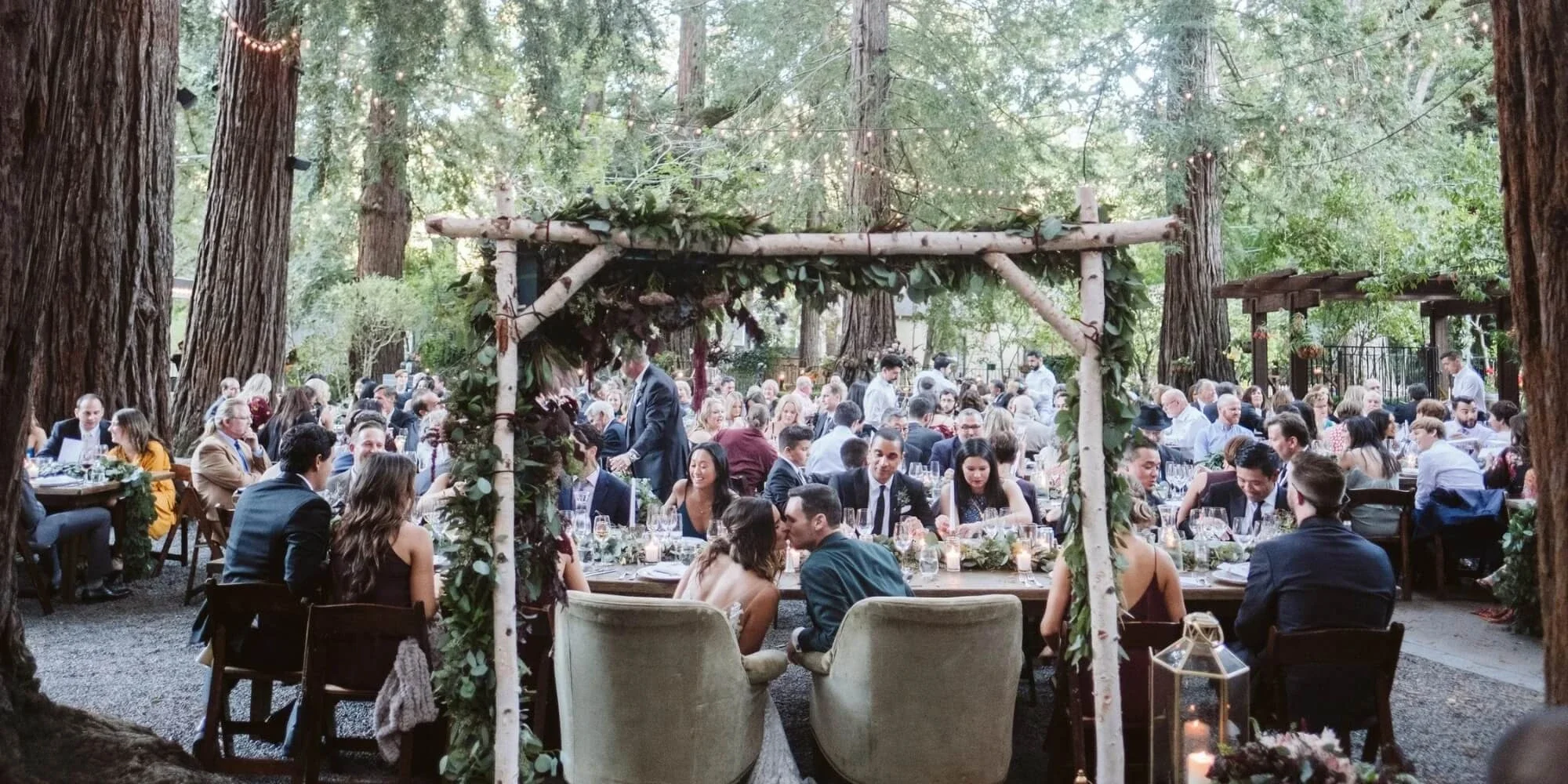
A wedding menu can reflect a couple’s story as naturally as a toast or a song choice. For couples planning wedding catering in San Francisco, the goal often centers on food that feels connected to their lives and the way they share meals with the people they love. Food does more than fill a plate—it helps shape the experience guests remember long after the celebration ends.
At Culinary Eye, we approach wedding catering in San Francisco as an ongoing conversation about food, hospitality, and the people you're bringing together. We listen, ask questions, and build dishes that feel tied to the couple rather than an expected wedding sequence. This guide shares how to design a menu that feels meaningful without losing flow or practicality.
Define What “Personal” Means Before Planning the Menu
A personal menu starts long before ingredients or courses. It begins with an inventory of the moments, memories, and hosting habits that matter to you. These early conversations give the chef insight into your taste, your backgrounds, and the feeling you want guests to carry through the day.
Consider questions like:
Which dishes appear often in your shared life—weeknight meals, travel discoveries, or family celebrations?
Are there spices, herbs, or ingredients that feel tied to your upbringing?
Do you picture your wedding as intimate or lively?
How do you host at home, and how might that translate into a larger gathering?
Which flavors make you feel most yourselves?
These answers help set the direction for wedding catering in San Francisco that reflects real meaning rather than generic choices.
How Personalized Wedding Catering Turns Stories Into Food
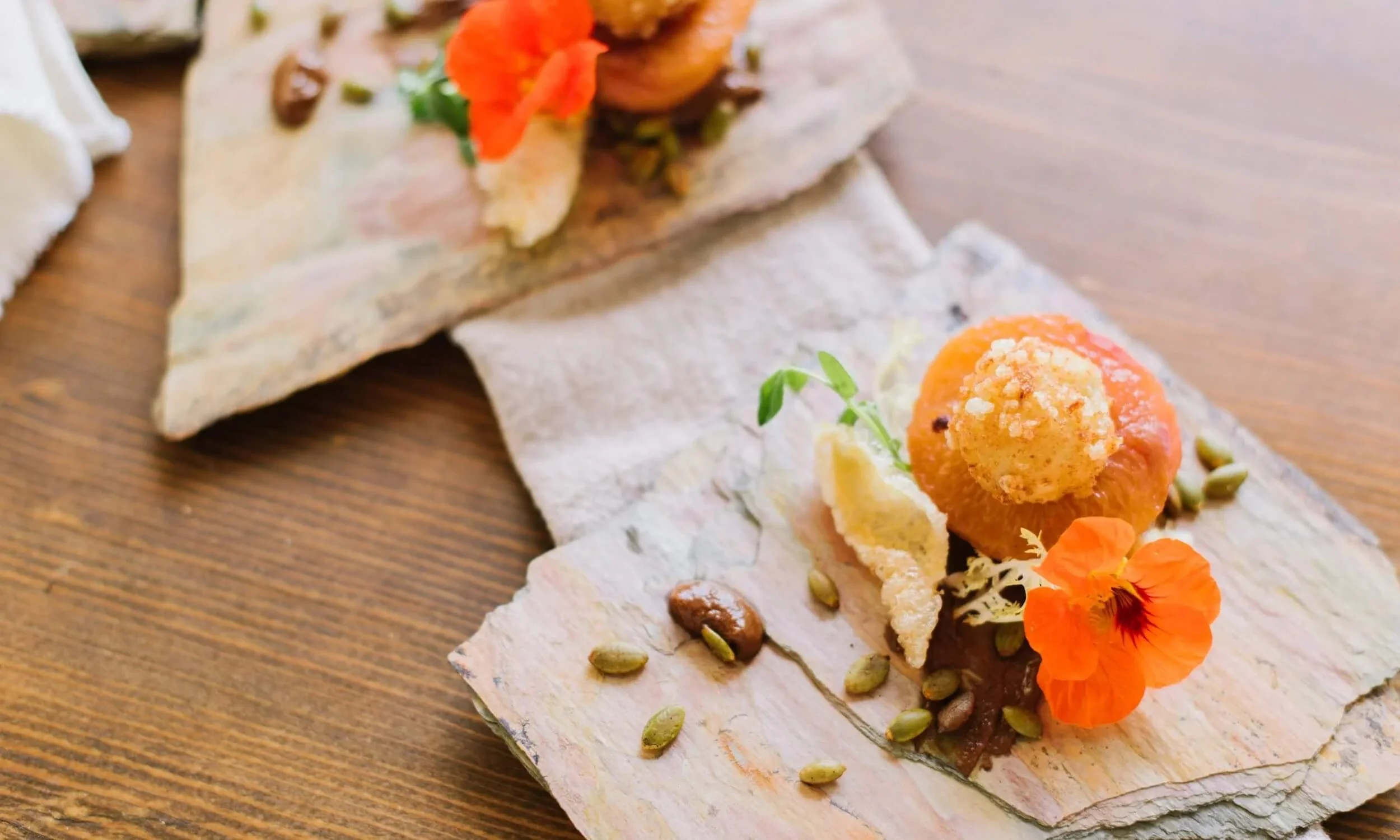
With personalized wedding catering, the chef interprets your stories into dishes that carry both feeling and structure.
This step might involve:
Picking a flavor profile that echoes how you cook together, such as citrusy seafood, warm spices, or bright herbs.
Using small cues from your backgrounds, like a broth that recalls a childhood soup or a grain you grew up eating.
Honoring traditions without recreating entire cultural menus, such as weaving one significant element into a larger course.
Reflecting your shared routines, like a favorite weekend breakfast or a style of dining you return to during trips.
Blending memories in a way that feels unified rather than nostalgic for nostalgia’s sake.
The goal is to create a menu that feels connected to you—not in a literal way, but in a way that mirrors your lives and tastes with subtlety. That outlook sits at the center of how we create personalized wedding menus for Bay Area couples.
Wedding Lunch Catering That Fits Your Day
Once the story takes shape, the menu needs a structure that supports the experience you want guests to have.
Whether you're planning a midday celebration or a full-day event, wedding lunch catering often calls for a different rhythm than an evening reception. Lighter courses, seasonal ingredients, and a pace that encourages conversation can help create a relaxed and welcoming atmosphere.
Think about how to guide the day using:
Service style: Plated meals give focus. Stations create movement and encourage conversation.
Pacing: Short, flavorful bites before dinner can keep energy up. Longer courses later can signal a shift toward evening.
Transitions: A warm dish after sunset can anchor the mood. Lighter dishes suit outdoor ceremonies or early receptions.
Movement: Offer opportunities for guests to mingle if that reflects how you host at home.
These decisions help the rhythm feel more like your style than a standard timeline. With this approach, wedding catering in San Francisco becomes an active part of the celebration’s atmosphere.
“Wondering What a Custom Menu Might Cost?
Every wedding menu takes shape differently. Guest count, service style, and the details that matter most to you all play a role. If you’d like a clearer sense of options and pricing, we’re happy to put together an estimate based on your plans.”
Designing a Menu That Honors Dietary Needs Without Feeling Sectioned Off
A personal menu respects every guest. Dietary needs should feel integrated, not isolated or treated as substitutions. When handled carefully, these adjustments add dimension rather than limit creativity and support a menu that feels cohesive, thoughtful, and welcoming to every guest.
A helpful approach might include:
Designing dishes with flexible components so variations stay visually cohesive.
Letting plant-forward dishes stand confidently rather than feeling secondary.
Using sauces, broths, or marinades that work across versions with slight modifications.
Labeling dishes clearly without creating separate experiences.
Asking early about guests whose needs hold cultural or religious significance.
With this approach, wedding catering in San Francisco feels inclusive in a way that matches your values as a couple.
The Tasting: Turning Ideas Into Real, Personal Dishes
Tastings offer an important bridge between ideas and the meal itself. This step helps refine the tone, flavor, and texture of each dish.
During a tasting, you might:
Compare different levels of acidity or heat to find the right expression of a shared flavor memory.
Explore how garnishes or fresh herbs shift the balance of a plate.
Try two versions of a dish that echo different parts of your story and choose the one that feels closer to you.
Adjust elements so the dish matches the energy of the space, such as clean flavors for outdoor celebrations or deeper notes for evening receptions.
Confirm that dietary variations still feel like they belong.
Seasonal ingredients can also shape menu decisions by offering flavors that feel connected to the time and place of the celebration.
Avoiding Generic Choices: What to Watch Out For
Certain patterns can make menus feel predictable. Couples can avoid this by looking at how each choice connects to the day. That mindset helps guide wedding catering in San Francisco toward something that feels true to the couple rather than routine.
Watch for:
Selecting dishes only because they appear on many wedding menus.
Choosing too many ideas without a unifying thread.
Serving heavy dishes in warm settings or delicate dishes in cold ones.
Overusing trends that do not reflect your tastes.
Forgetting transitions, which can disrupt pacing.
As couples explore wedding catering menu ideas, it can be tempting to follow popular trends or copy menus from other celebrations. The most memorable menus usually draw inspiration from personal tastes, meaningful experiences, and the atmosphere the couple hopes to create.
Personal Wedding Catering Services for Meaningful Celebrations
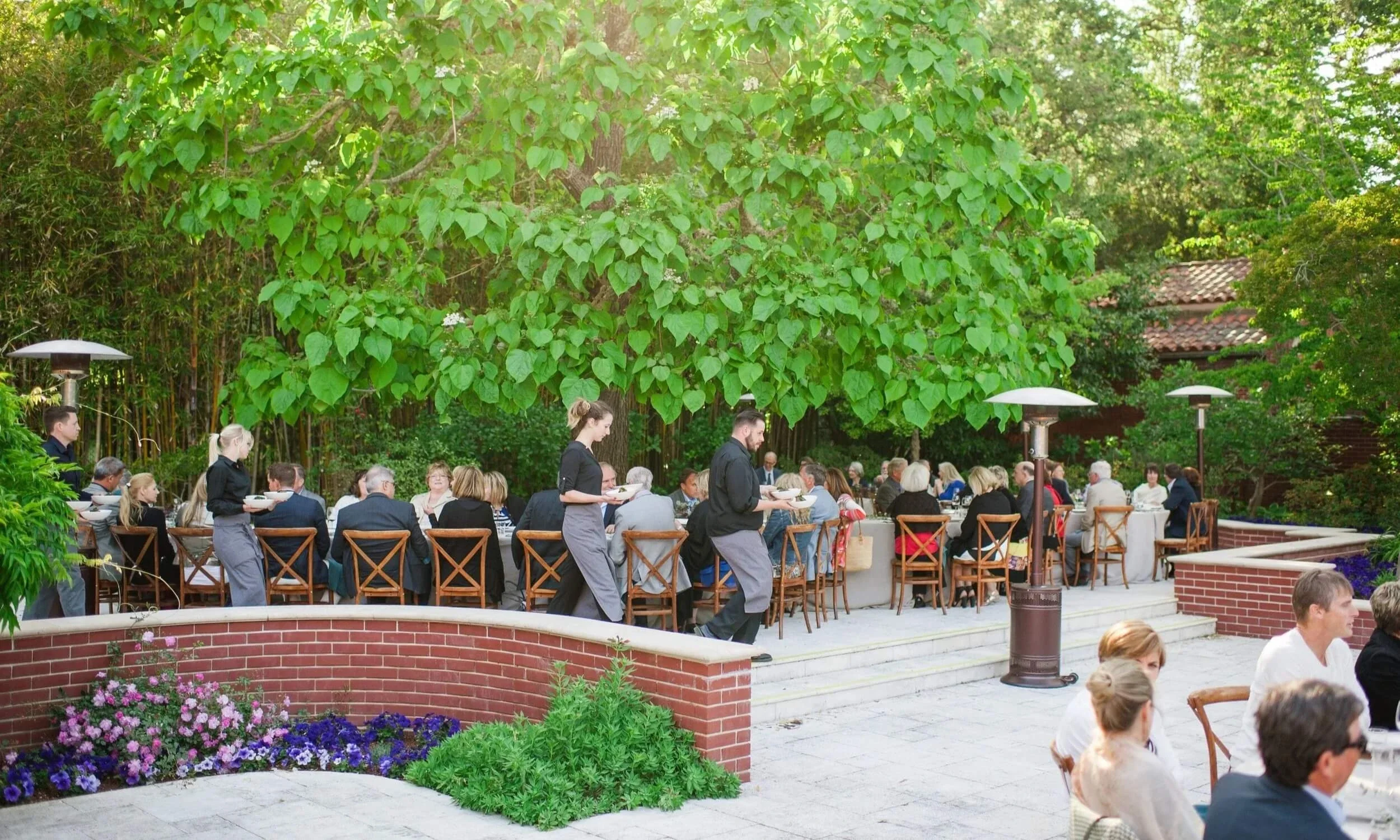
Every couple brings their own story to the table. Our approach to wedding catering in San Francisco starts by listening closely to what matters most to the people being celebrated. From favorite flavors and family traditions to the atmosphere they hope to create, those details help guide every menu we build.
Through our wedding catering services, we think carefully about timing, guest movement, and how each part of the meal supports the rhythm of the celebration. When a wedding includes custom event design elements, we consider how food, presentation, and the overall atmosphere can work together to create a cohesive guest experience.
When food reflects the couple's tastes, values, and way of hosting, it becomes more than a meal. It becomes part of the story guests carry home with them.
“Let’s Start With Your Favorite Food Memories
The best menus often begin with a story, a tradition, or a meal you return to again and again. If you’re ready to explore ideas for your celebration, we’d love to hear what inspires you.”
Frequently Asked Questions (FAQs)
How do I make my wedding menu feel more personal?
A personal wedding menu reflects your tastes, traditions, and shared experiences as a couple. Many couples include favorite dishes, meaningful ingredients, family recipes, or flavors inspired by important moments in their relationship.
What should be included in a wedding catering tasting?
A wedding catering tasting should include sample dishes, menu variations, presentation styles, and dietary accommodations. Tastings help couples evaluate flavors, refine menu selections, and confirm that each dish fits the tone of the celebration.
How do I choose the right wedding catering menu?
The right wedding catering menu reflects your tastes, guest experience goals, venue, and event style. Many couples start with meaningful flavors, seasonal ingredients, and service formats that match the atmosphere they want to create.
How do wedding caterers accommodate dietary restrictions?
Wedding caterers typically accommodate dietary restrictions by offering vegetarian, vegan, gluten-free, dairy-free, and allergy-conscious options. Clear communication and early planning help ensure every guest can enjoy the meal comfortably.
Is plated service or a station-style menu better for a wedding?
Plated service works well for weddings that favor structure and formal dining, while station-style menus encourage movement and conversation. The best choice depends on your guest experience, venue, and event style.
When should we start planning our wedding catering menu?
Most couples begin planning their wedding catering menu 4–8 months before the wedding. Early planning allows time for menu development, tastings, dietary accommodations, and coordination with the venue and event timeline.