
Conference Catering in Bay Area: Menus, Timing & Logistics Explained

Conferences move quickly. People arrive with full schedules, shifting priorities, and a need to stay focused through long stretches of conversation. Food becomes part of that experience, offering small moments of ease that help the day feel more manageable. At Culinary Eye, we’ve seen how the right meal—served at the right time—can settle a room or bring people together between sessions. Because of this, conference catering in Bay Area calls for planning that supports both the program and the people in it. This guide explains how menus, timing, and logistics work together to create a well-supported conference day.
Understanding Your Conference Format Before Planning Menus
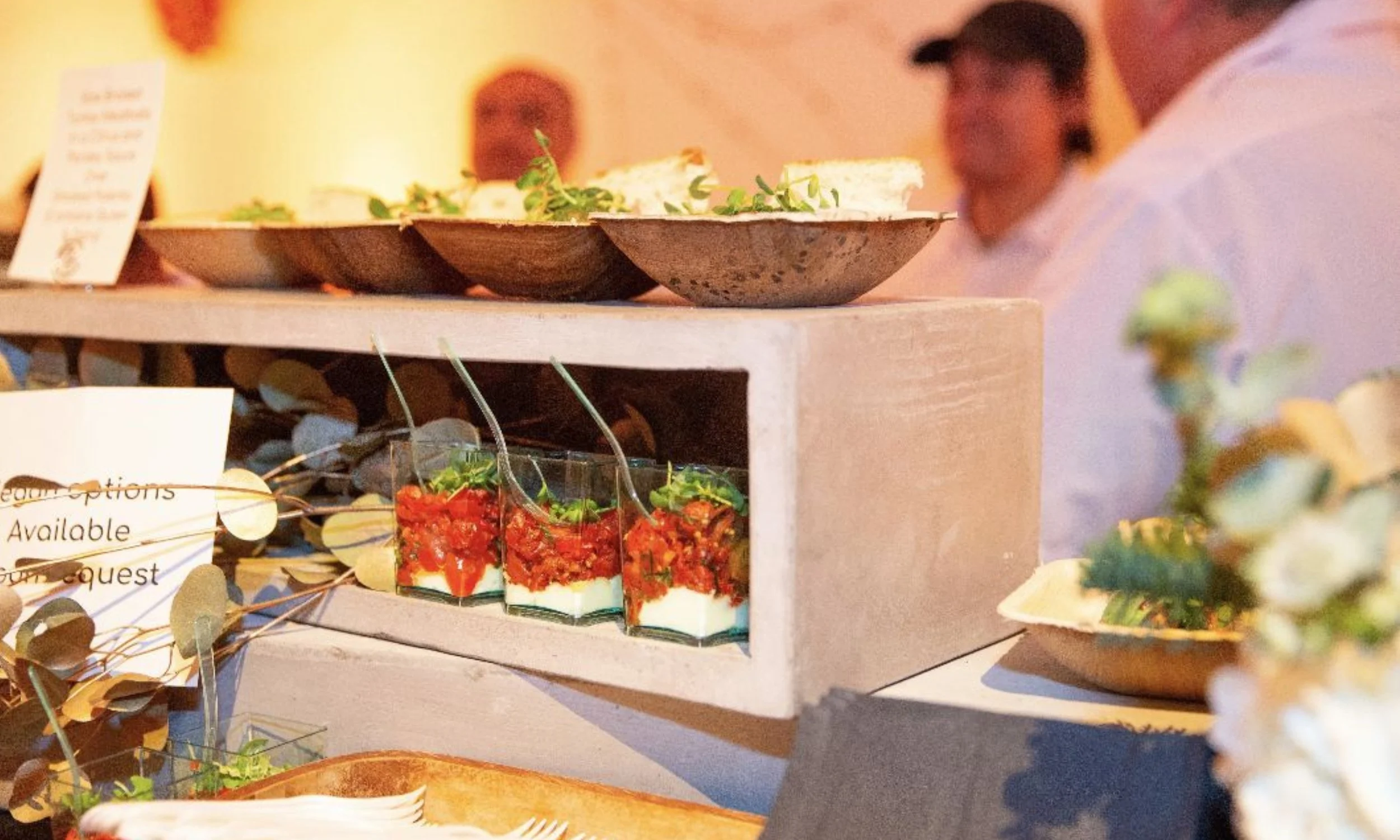
Every conference follows its own pattern. Some focus on a single stage, while others span several rooms with parallel tracks. Because structure affects the food, planners should clarify their format early. Guest counts, session timing, room changes, and dietary needs shape the entire approach. When teams define these elements upfront, they give conference catering in Bay Area a clear foundation.
Venue layout also plays a meaningful role. Open halls require wide stations. Smaller rooms call for modest setups and timed drops. These choices influence movement, service, and staffing. Early clarity helps everyone plan with accuracy and care. Venue selection can also influence catering operations, from kitchen access and loading zones to guest circulation and service timing.
Accurate attendance projections also help determine food quantities, staffing levels, and service layouts throughout the event.
Planners should also determine whether onsite or offsite catering best fits the venue and event schedule. Kitchen access, service timing, and guest flow can all influence which approach supports the conference most effectively.
“Planning a Conference? Let’s Talk Through the Details
Every conference has its own schedule, guest flow, and service needs. If you’re exploring options or building a budget, you can reach out to our team for guidance and a tailored estimate based on your event.”
Menu Planning for Conference Catering in Bay Area
For conferences, menus must support volume while still feeling balanced. Because these events welcome diverse groups, food should offer range without overwhelming guests.
Seasonal choices highlight local produce and maintain flavor integrity.
Protein, grain, and vegetable variety helps guests with different needs find suitable meals.
Warm and cold dishes maintain quality across long service windows.
Visible labeling speeds movement and reduces confusion.
Rotating menu structures prevent repetition over several sessions.
Dietary alternatives should match core dishes in care and presentation.
Moderate flavors help avoid fatigue during long days.
Conferences often bring together attendees with a wide range of dietary preferences and requirements. Clear communication around vegetarian, vegan, gluten-free, and allergy-conscious options helps guests navigate meal periods comfortably and confidently.
Because conference catering in Bay Area demands speed and consistency, chefs should choose dishes that travel well and plate cleanly.
Creating Meals That Support Focus, Energy & Long Schedules
Conferences depend on steady attention, so meals should support the natural rise and fall of energy across the day.
Breakfast items should feel welcoming and hold well from early service.
Mid-morning snacks should support alertness without slowing attendees.
Lunch selections should fit both seated and standing conversations.
Afternoon options should revive focus in slower periods.
Hydration access should appear throughout major rooms.
End-of-day bites should ease the shift into evening events.
Meals built around these moments help conference catering in Bay Area support lasting concentration and attendee comfort.
Timing & Flow for Office Catering San Francisco
Precise timing anchors corporate catering. Many planners who arrange office catering San Francisco programs for conferences rely on detailed service schedules to keep attendees moving comfortably between sessions. Because they rely on structured agendas, food service should align with session changes and speaker transitions.
Load-in windows should follow venue rules.
Service periods should match the conference schedule.
Station placement should reduce lines and congestion.
Clear communication should support shifts in timing.
Silent transitions should protect key moments on stage.
When service mirrors the pace of the program, conference catering in Bay Area supports the experience rather than interrupting it.
Logistics & Venue Coordination for Conference Events
The scale of conference events brings logistical demands that planners should map early. Multi-floor venues and shared docks introduce added points of coordination.
Multi-level coordination requires accurate timing between staff teams.
Dock access often demands strict arrival schedules.
Waste systems should follow venue guidelines.
Storage zones help sustain long service blocks.
Equipment placement should support movement and safety.
AV cooperation prevents interference with sound or screens.
Venue walkthroughs before the event can help identify access points, service routes, and setup requirements before event day. These logistical layers determine how service functions in the venue and help keep the event on track.
Supporting Breakout Sessions, Workshops & Parallel Tracks
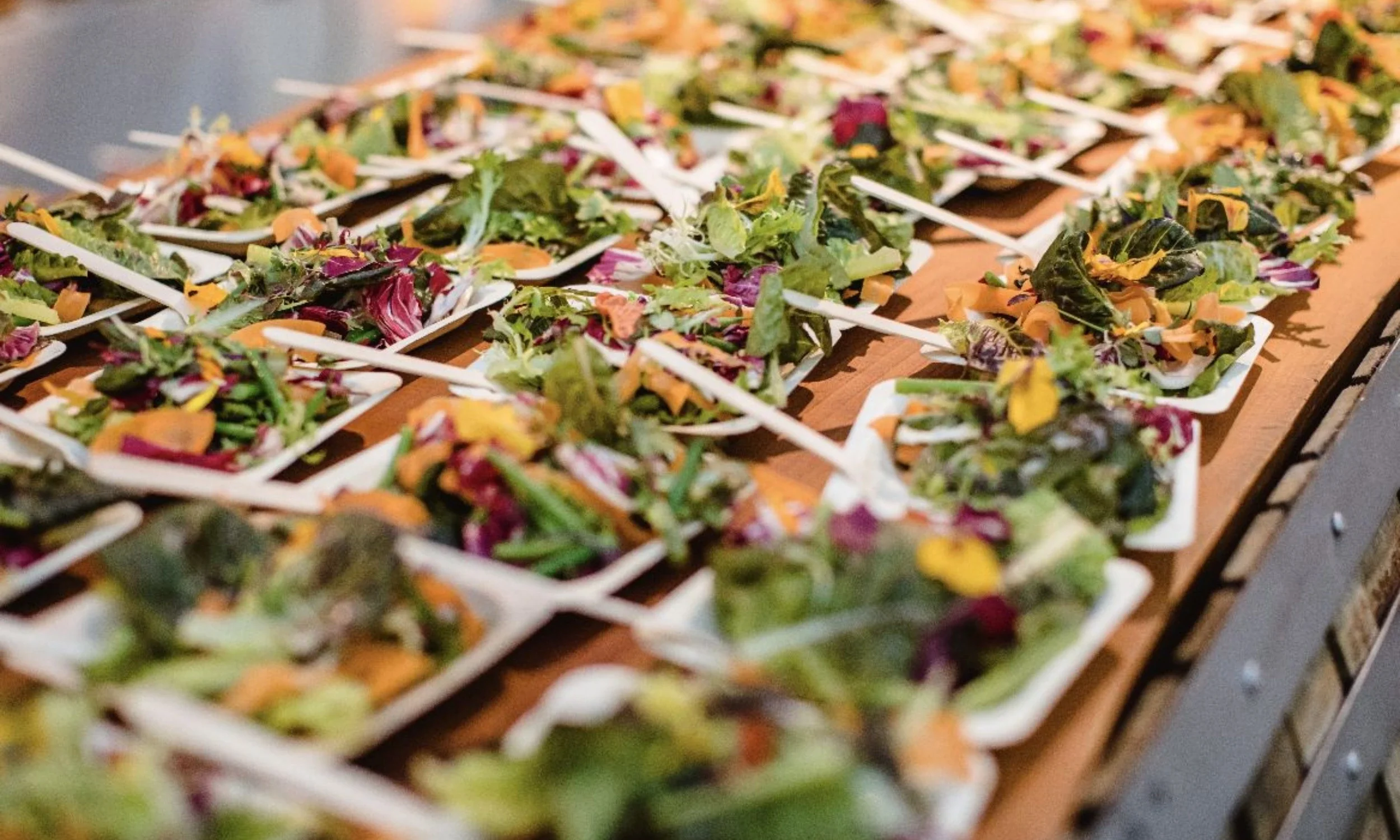
Breakout sessions create unique service needs. Because several rooms operate at once, food service must support ease and keep interruptions minimal.
Satellite stations help distribute crowds.
Timed drops protect freshness without disturbing speakers.
Clear dietary markings speed guest decisions.
Compact serviceware supports limited spaces.
Food runners keep hallways open and transitions smooth.
This approach keeps conference catering in Bay Area aligned with each room’s purpose.
Planning Multi-Day Conference Catering
For multi-day events, catering for conference programs requires menus and logistics that evolve across the event.
Shifting menus prevent attendee fatigue.
Ingredient planning supports consistent quality over several days.
Staff rotations help maintain focus and attentiveness.
Equipment resets keep setups organized.
Daily reviews help adjust quantities and timing.
These considerations help the catering program stay responsive across several days.
Beverage & Coffee Strategy That Matches Conference Pace
Beverage planning helps people stay settled as the day moves along.
Accessible coffee stations support early arrivals.
Water stations should appear across central areas.
Tea options help guests seeking lighter choices.
Afternoon drinks should offer stable energy.
Evening programs may include both alcoholic and non-alcoholic options.
Because guests rely on these stations, conference catering in Bay Area must plan placement and replenishment with care.
Enhancing the Experience: Activations & Branded Moments
Some conferences benefit from elements that add interest without overwhelming the purpose of the gathering.
Chef-led tastings introduce small bites tied to the theme or local produce.
Ingredient displays highlight farms or makers that support the menu.
Branded service pieces offer subtle connections to company identity.
Wellness-focused food spaces help guests pause and reset.
Specialty beverage features bring in small-batch makers or menu-linked pairings.
These additions help the food experience feel aligned with the character of the event. For conferences that include branded environments or custom guest experiences, food can work alongside broader event design services to create a more cohesive atmosphere.
Evaluating Proposals & Selecting a Catering Partner
Comparing proposals helps teams understand how caterers think and work.
Scalable menus show how dishes hold across long windows.
Clear staffing structures define roles and timing.
Logistical planning reveals familiarity with venue needs.
Dietary systems show how guests with restrictions stay included.
Past layouts demonstrate attention to guest flow.
Reliable communication shows how partners support planning.
Proposal reviews should also consider the corporate catering budget alongside menu variety, staffing needs, and logistical requirements. A clear understanding of priorities helps planners allocate resources where they will have the greatest impact on the guest experience.
This process helps identify partners who carry out conference catering in Bay Area with attentive planning and consistent follow-through. Experienced event staffing helps service run smoothly across room changes, session breaks, and guest interactions.
“Let’s Talk Through Your Conference Plans
Food, timing, staffing, and venue logistics all work together to shape the guest experience. If you’d like to discuss your event, we’re happy to help you think through the details and find an approach that fits your schedule and goals.”
What Culinary Eye Brings to Bay Area Conferences
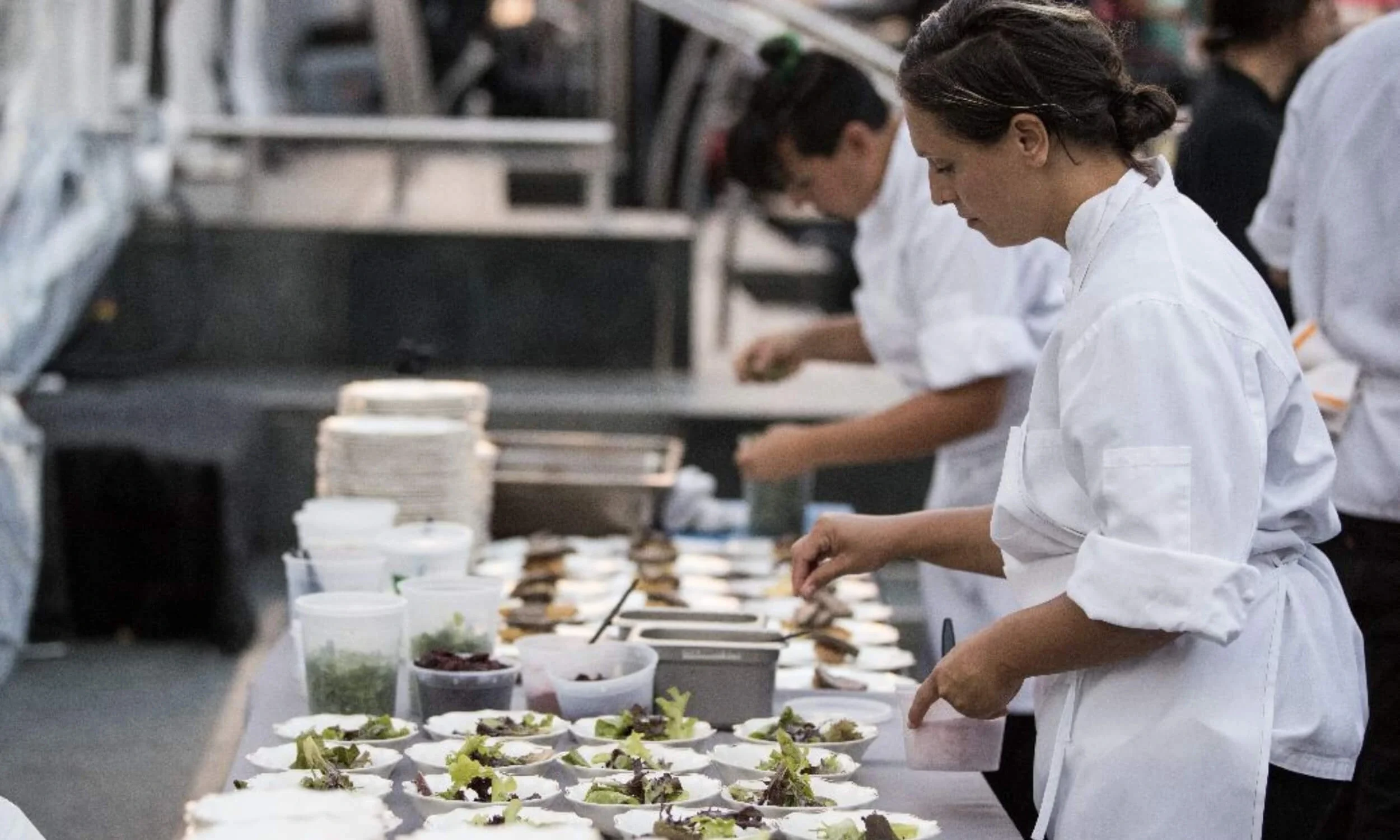
Culinary Eye approaches conference work with a focus on the people in the room and the purpose behind the gathering. Our chefs cook with the seasons and design menus that match the flow of the day, whether the event moves through quick breaks or longer sessions. Our operations and service teams coordinate closely with planners and venue partners so food, timing, and movement support the program rather than compete with it.
Sustainability remains part of our everyday decisions. We work with local producers, follow regional waste guidelines, and choose ingredients that reflect care for the community we serve. We also help clients shape small branded touches or beverage features that bring a sense of cohesion to the space.
This approach guides how we handle conference catering in Bay Area. Our aim stays clear: to support hosts, simplify planning, and offer guests food and service that help them feel looked after throughout the day.
Frequently Asked Questions (FAQs)
How far in advance should I book conference catering in Bay Area?
For most conferences, catering should be booked at least 2–6 months in advance. Larger events often require additional planning time for menu development, venue coordination, staffing, and dietary accommodations.
What types of menus work best for conference catering?
The best conference catering menus are easy to serve, easy to eat, and designed to support energy throughout the day. Popular options include breakfast spreads, buffet lunches, grab-and-go snacks, refreshment stations, and beverage service.
How do caterers accommodate dietary restrictions at conferences?
Conference caterers typically offer vegetarian, vegan, gluten-free, dairy-free, and allergy-conscious options. Clear labeling and advance planning help ensure guests can identify suitable menu items quickly and confidently.
What should be included in a conference catering budget?
A conference catering budget should include food, beverages, staffing, rentals, service equipment, setup and breakdown labor, and venue-related logistical costs. Event size, menu style, and service requirements all influence the final budget.
What should I look for when choosing a conference caterer?
When choosing a conference caterer, look for experience with event logistics, flexible menu options, dietary accommodation processes, clear staffing plans, and reliable communication. A strong catering partner should support both the guest experience and the event schedule.