
What Is Experiential Catering? How Food Becomes Part of the Event Experience

What is experiential catering, and why are more hosts choosing it for their events? Think back to the last gathering you genuinely enjoyed. Chances are, it wasn't memorable because of one outstanding dish. Maybe you watched a chef finish dessert in front of you or discovered a food display that became a conversation starter.
Experiential catering transforms food into an active part of an event through interactive dining, creative presentation, and guest participation. At Culinary Eye, we believe catering should contribute to the atmosphere instead of existing as a separate feature, whether that's through edible installations, chef-led stations, or custom culinary concepts designed around the occasion.
In this guide, you'll learn what is experiential catering, how it differs from traditional catering, and how it can shape the way people experience an event.
What Is Experiential Catering?
The simplest answer to what is experiential catering is that it transforms dining into an active part of the event.
Traditional catering focuses on preparing and serving meals efficiently. Experiential catering still values exceptional cuisine, but it also considers how food contributes to the overall occasion. Where will conversations begin? How can the menu complement the setting? What role can food play beyond the plate? Those questions shape every creative decision.
One event may feature chefs finishing handmade pasta while attendees gather around the counter. Another may include an edible installation inspired by a client's brand, where every color and ingredient supports the story being told. Sometimes, the concept is much simpler. A baker decorating pastries during service or a sushi chef preparing each roll to order can create moments that naturally draw people in.
Importantly, experiential catering isn't defined by the size of the event. Even intimate gatherings can leave a lasting impression when the presentation feels thoughtfully connected to the occasion.
So, what is experiential catering really about? It's not elaborate displays or theatrical service. It's about designing dining moments that complement the setting, reflect the purpose of the event, and give people another reason to gather, explore, and connect.
How Experiential Catering Shapes the Guest Experience

Part of understanding what is experiential catering is recognizing how expectations around events have changed.
Today, people expect more than a well-prepared meal. Whether they're attending a networking reception, wedding, fundraiser, or product launch, they want every part of the event to feel connected. When the food reflects the atmosphere, complements the theme, or reinforces a brand story, it becomes another part of the occasion instead of a standalone service.
This approach also gives hosts greater flexibility. A company can reinforce its brand through custom culinary concepts. A couple can share part of their story through the menu. A nonprofit can encourage guests to explore different areas of the venue without interrupting the evening's program. The dining experience adapts to the purpose of the event instead of following the same format every time.
Some of the biggest advantages include:
Food becomes another way to reinforce the event's theme or purpose.
Custom culinary concepts create more memorable moments.
Creative presentations help distinguish one event from another.
Different dining formats accommodate varied tastes, dietary preferences, and schedules.
Chef-led stations and live preparation add visual interest throughout the event.
Thoughtfully designed menus encourage guests to explore different parts of the venue.
Shared dining moments give attendees natural conversation starters.
Understanding what is experiential catering means recognizing that food can shape how people experience an event. When every culinary detail supports the occasion, the gathering becomes more memorable from beginning to end.
Experiential Catering Examples for Different Types of Events
The best event concepts don't begin with food. They begin with the reason everyone has gathered. Once that purpose becomes clear, the dining concept can support it in practical and creative ways. A product launch, wedding, fundraiser, and networking reception all bring people together for different reasons, so the experience should reflect those goals instead of following the same format. The following experiential catering examples show how this approach can be adapted to different audiences, venues, and event goals.
Here are several ways experiential catering can be adapted to different events:
Corporate networking events: Multiple chef-led stations create natural opportunities for colleagues and clients to start conversations. Instead of relying on formal introductions, the food provides a shared point of interest that helps discussions begin more comfortably. Businesses looking for corporate catering often choose this approach because it encourages meaningful connections throughout the event.
Product launches: The menu can reinforce the story behind the product itself. A technology company might feature clean, minimalist presentations, while a travel brand could serve dishes inspired by different destinations. The dining concept becomes another expression of the brand rather than a separate attraction.
Weddings: The most memorable wedding menus often tell a personal story. One couple may recreate the street food they enjoyed while traveling together. Another may serve cherished family recipes with a contemporary presentation. Creative wedding catering helps those shared memories become part of the celebration.
Fundraisers: Thoughtfully designed food experiences keep attendees engaged throughout the evening while creating natural opportunities to connect with sponsors, volunteers, and fellow supporters.
Gallery openings: Food can complement artwork without competing for attention. A sculptural dessert display or carefully arranged tasting station encourages visitors to pause, look closer, and move through the exhibition at a comfortable pace.
Holiday celebrations: Seasonal flavors presented in fresh ways help friends, families, and colleagues revisit familiar traditions while giving them something new to discover together.
No two events call for exactly the same approach. The strongest concepts reflect the audience, the setting, and the purpose of the gathering, allowing food to become a natural part of the occasion rather than simply another service.
“Wondering What an Experiential Event Could Cost?
Every event is different, so pricing depends on your guest count, venue, menu, and the experience you’d like to create. If you’d like a personalized estimate, you can reach out to our team to talk through your plans.”
How Interactive Catering Encourages Guest Participation
One of the clearest ways to understand what is experiential catering is to watch how people respond when they're invited to take part. That's exactly where interactive catering stands apart. Instead of simply observing the dining experience, attendees become part of it.
Something as simple as choosing fresh herbs for pasta or watching oysters shucked to order changes the atmosphere around a station. Conversations begin before the first bite is served. Questions about ingredients turn into recommendations, and even a short wait becomes part of the enjoyment because there's something worth watching.
Participation also creates a stronger sense of ownership. Building a dessert, selecting ingredients for a rice bowl, or finishing a dish with guidance from a chef gives everyone a small role in the meal. That involvement makes the experience feel more personal because each plate reflects individual choices.
Experienced chefs often notice another pattern. Diners are far more willing to try unfamiliar ingredients when they can see how they're prepared and ask questions before tasting them. That simple exchange builds confidence while encouraging people to step outside their usual preferences.
Drinks can contribute in much the same way. Thoughtfully planned bar services might feature seasonal cocktail pairings, zero-proof creations prepared to order, or bartenders explaining the inspiration behind a signature drink. Instead of simply serving beverages, they create another opportunity for conversation and discovery.
The strongest interactive concepts never feel like performances. Everyone can participate in their own way. Some enjoy asking questions, while others simply appreciate watching skilled chefs at work. Either way, the interaction feels natural because it grows from genuine curiosity rather than expectation.
So, what is experiential catering when viewed through the lens of interaction? It's about creating opportunities where curiosity naturally leads to conversation, discovery, and shared moments that become part of the event itself.
What Makes an Immersive Dining Event Feel Immersive
While interactive catering invites people to participate, an immersive dining event shapes everything happening around the meal. Long before the first plate reaches the table, attendees begin forming impressions through the sights, sounds, aromas, and details surrounding them.
That doesn't mean every event needs dramatic effects or oversized installations. In many cases, the most memorable concepts rely on coordination instead of spectacle. Warm lighting naturally draws attention to a chef finishing small plates. Carefully selected music complements the atmosphere without overpowering conversation. Meanwhile, an open layout encourages guests to explore the space at their own pace.
Storytelling gives the evening a stronger sense of continuity. Imagine walking into a converted warehouse designed to resemble an Italian market. Fresh focaccia comes out of the oven beside baskets of seasonal produce, while chefs prepare handmade pasta only a few steps away. Hanging herbs, handwritten market signs, and rustic serving displays complete the scene, making every dining moment feel like part of the same story instead of a collection of separate ideas.
Guests rarely notice each design choice on its own. Instead, they remember how everything comes together. That's what transforms a meal into something they continue talking about long after the event ends.
Timing also plays an important role. Rather than revealing every food experience at once, different moments unfold throughout the evening. Everyone may discover a welcome bite at the entrance, encounter a chef-led tasting midway through the event, and finish with a dessert installation that naturally brings the room together before the night ends.
The catering venue often shapes the entire concept. Ceiling height, architecture, available space, and guest flow all influence how food experiences are arranged.
An immersive approach looks beyond the menu alone. Food remains central, but the setting, atmosphere, service, and timing determine how the different elements work together.
How to Decide Whether Experiential Catering Is Right for Your Event
Experiential catering isn't the right choice simply because it's becoming more popular. It works best when the dining experience supports the purpose of the occasion and the expectations of the people attending.
There isn't a single formula for making that decision. However, asking the right questions can help you determine whether this approach is the right fit for your event.
Consider the following:
Will food play an important role in how attendees remember the event?
Are you hoping to encourage conversation, networking, or shared moments?
Does your venue offer enough flexibility for chef stations, installations, or live preparation?
Would your audience enjoy discovering different dining moments throughout the event?
Can the menu reinforce your event's theme, story, or brand identity?
Does your schedule allow guests to explore the dining experience instead of following a fixed service format?
Will a more engaging culinary approach support your overall event goals?
Whether you're planning San Francisco catering for a waterfront venue, a museum, a private home, or another unique space, these questions can help clarify whether this approach suits your event. Looking at the occasion as a whole often provides the clearest answer to what is experiential catering, allowing food to contribute to the experience instead of simply serving it.
“Let’s Talk Through Your Event Ideas
Whether you’re planning a corporate gathering, wedding, fundraiser, or private celebration, we’re happy to help you explore what’s possible. You can start a conversation with our team to discuss your venue, goals, and the kind of experience you’d like to create.”
Designing Experiential Catering Around Your Event
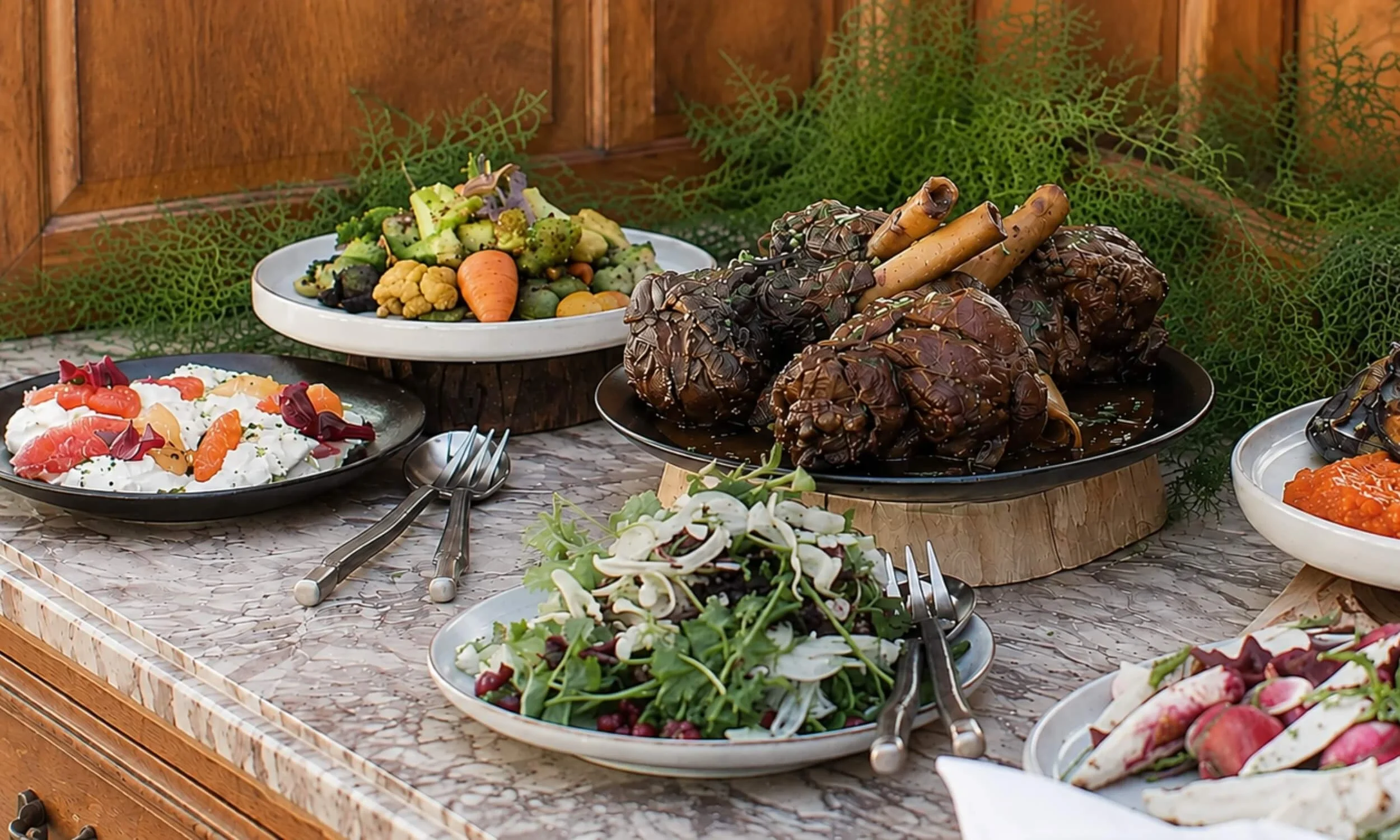
Understanding what is experiential catering starts with understanding the event itself. At Culinary Eye, we begin by learning about your goals, audience, venue, schedule, and desired atmosphere before developing the menu and culinary concept.
From interactive food stations and edible installations to branded culinary concepts, our team designs experiences that feel like a natural part of the event. Through our event design services and experienced event staffing, we bring together food, presentation, and hospitality to create moments that complement the space and the people in it.
If you're planning an event where food can become part of the experience, our team would be happy to help you create a culinary experience that fits your venue, audience, and goals.
Frequently Asked Questions (FAQs)
What is experiential catering, and how is it different from traditional catering?
Traditional catering focuses on preparing and serving food, while experiential catering makes food an active part of the event. It combines menu design, presentation, guest interaction, and the surrounding environment to create memorable moments that contribute to the overall experience instead of simply providing a meal.
What types of events are best suited for experiential catering?
Experiential catering works well for events where guest engagement is a priority. Corporate networking events, product launches, weddings, fundraisers, gallery openings, holiday parties, and private celebrations often benefit because the dining experience encourages conversation, exploration, and shared moments.
Does experiential catering cost more than traditional catering?
Experiential catering can cost more than traditional catering, but pricing depends on the concept, menu, staffing, venue, and level of customization. Interactive stations, live chefs, and custom installations typically require additional planning, while simpler experiential elements can fit a range of budgets.
How do you plan an experiential catering event?
Start by identifying the purpose of the event and the experience you want guests to have. Then consider the venue, guest flow, menu, service style, and interactive elements that support those goals. Working with a catering team early in the planning process also allows more time to develop creative concepts and coordinate logistics.
Can experiential catering work for small or private events?
Yes. Experiential catering can be just as effective for intimate gatherings as it is for large events. A chef-led tasting, interactive food station, or personalized menu can create meaningful moments without requiring a large guest list or an elaborate production.
How far in advance should you book experiential catering?
Booking three to six months in advance is recommended for most experiential catering events. Larger events, weddings, and highly customized concepts may require additional planning time, especially if they involve custom installations, specialty ingredients, or unique venues.
What should you look for in an experiential catering company?
Look for a catering company that combines culinary expertise with creative planning, event logistics, and experienced hospitality staff. Review past work, ask how they adapt concepts to different venues, and choose a team that collaborates with you to create an experience that reflects your event rather than relying on standard packages.