
Conference Catering Cost in San Francisco: What You Need to Know

The conference catering cost in San Francisco varies from one event to another. Guest count, service style, venue logistics, staffing, and menu selections all influence the final investment. Understanding those factors helps you build a realistic budget and compare catering proposals with greater confidence.
At the same time, conference catering is about much more than serving meals. It keeps the day moving, creates natural opportunities for attendees to connect, and supports the overall flow of the event. That's why the right catering plan considers both the budget and the experience you want to create.
At Culinary Eye, planning begins with the conference agenda, guest count, venue layout, service schedule, and audience. Rather than relying on preset packages, the team develops a customized proposal that shows how each menu, staffing, and logistical decision affects the overall budget.
What Does Conference Catering Cost in San Francisco?
There isn't a standard conference catering cost in San Francisco because every conference has different requirements. Unlike restaurant menus with fixed prices, conference catering is usually quoted as a custom estimate based on the event's size, schedule, service style, staffing, and venue requirements. Looking at the full scope of the conference, rather than the menu alone, gives you a more accurate picture of the overall investment.
Most conferences include one or more of the following catering services:
Continental or hot breakfast
Coffee, tea, and beverage stations
Mid-morning refreshments
Buffet or plated lunch
Afternoon snacks
Passed appetizers for networking receptions
Full-day meal service
Multi-day conference catering
Some events require only a single meal service, while others include several dining periods across one or more days. As those requirements grow, so does the amount of preparation, staffing, and coordination involved. That's why the final conference catering cost in San Francisco reflects the complete needs of the conference rather than the food being served.
“Let’s Talk Through Your Conference Catering Budget
Every conference comes with its own priorities, schedule, and service needs. If you’re looking for a clearer understanding of what your event might require, you can get in touch with our team to discuss your plans.”
What Factors Affect Conference Catering Costs?

Once the meal schedule has been established, several operational details determine the final proposal. These include the number of attendees, event duration, venue access, menu complexity, staffing, rentals, beverage service, and dietary accommodations.
The biggest cost factors include:
Number of attendees: More guests require additional ingredients, preparation time, staffing, and serving equipment.
Conference duration: Multi-day conferences or events with several meal periods involve more planning, production, and onsite support.
Venue accessibility: Loading restrictions, freight elevators, kitchen facilities, and building policies all influence setup and service.
Menu selections: Customized menus, interactive stations, or premium ingredients generally require more preparation than simpler offerings.
Ingredient quality: Seasonal, locally sourced, or specialty ingredients can affect both menu planning and the overall budget.
Staffing requirements: The number of chefs, servers, supervisors, and support staff depends on the size and complexity of the conference. Experienced event staffing also helps service run smoothly throughout the day.
Equipment and rental needs: Tables, serving equipment, linens, display pieces, and specialty items all contribute to the overall proposal.
Beverage service: Coffee stations, specialty beverages, or hosted bar service require additional supplies, equipment, and staffing.
Dietary accommodations: Preparing meals for guests with allergies or dietary preferences often requires separate ingredients, preparation, and service.
Setup and breakdown logistics: Events with tight schedules or complex installations usually require more labor before guests arrive and after the conference concludes.
Looking at these factors together provides a much clearer picture of the conference catering cost in San Francisco than the menu alone. Two conferences may serve similar meals, yet their catering proposals can differ because the logistics, staffing, and operational requirements behind each event are rarely the same.
How Catering Style Affects Conference Catering Costs
Each service format has different staffing, preparation, equipment, space, and timing requirements. The right choice depends on the number of attendees, the length of the meal break, the venue layout, and how guests need to move between sessions.
The most common service styles include:
Buffet service: A practical choice for larger conferences, buffets serve many attendees within a limited break while offering menu variety. They help keep the agenda on track without requiring individual table service.
Boxed meals: Ideal for conferences with packed schedules or multiple breakout sessions, boxed meals allow attendees to remain close to meeting rooms and reduce movement throughout the event venue.
Plated meals: Best suited to executive meetings, leadership summits, and formal programs, plated service creates a structured dining experience but requires additional staffing and coordination.
Interactive chef stations: These stations encourage attendees to personalize their meals while creating natural opportunities to gather, network, and continue conversations between sessions.
Cocktail receptions: Designed for networking, this style offers smaller bites and flexible service that allows guests to move comfortably throughout the venue while connecting with colleagues and speakers.
The right service style isn't necessarily the least expensive one. It's the option that best supports your agenda, your attendees, and the overall flow of the conference. When those elements come together, your catering investment supports both the schedule and the guest experience.
What's Usually Included in Conference Catering Packages?
Comparing proposals becomes much easier when you look beyond the menu. Understanding what's included in conference catering packages helps you see how different providers approach planning, service, and event execution, making it easier to compare overall value rather than food alone.
Most full-service conference catering proposals include:
Menu consultation: Developing menus that suit the conference schedule, audience, venue, and dietary requirements.
Food preparation: Preparing dishes in advance while coordinating cooking and finishing so every meal is served at the right time.
Professional chefs: Managing food quality, presentation, and timing throughout each meal service.
Service staff: Setting up, serving guests, replenishing stations, and keeping service running smoothly.
Buffet, station, or plated setup: Preparing the appropriate service style based on the event format and available space.
Serving equipment: Providing the equipment needed to present and serve food safely and efficiently.
Beverage stations: Supplying coffee, tea, water, and other beverages throughout the conference.
Onsite event supervision: Overseeing service, coordinating staff, and responding to changes as the day unfolds.
Cleanup and breakdown: Clearing service areas, packing equipment, and leaving the venue ready for its next use.
Some conferences also include gourmet catering menus built around seasonal ingredients, locally inspired dishes, or interactive culinary stations. Others add professional bar services for networking receptions, client events, or evening programs. Conferences with a strong brand theme or immersive concept may also benefit from event design services that bring the food, presentation, and environment together.
Why Are San Francisco Catering Prices Higher Than Other Cities?
If you've planned conferences in different cities, you've probably noticed that San Francisco catering prices are often higher. That's not simply because of the food. Local labor, venue requirements, seasonal demand, and operating costs all contribute to the final investment.
Experienced hospitality professionals are one of the biggest factors. Chefs, service staff, and event managers work in one of the country's most competitive markets. Building skilled teams is essential to delivering consistent service, especially during large conferences with multiple meal periods.
The venue also has a significant impact. Many downtown locations have limited loading areas, scheduled delivery windows, security procedures, or restricted kitchen access. Those requirements add preparation time and require careful coordination long before guests arrive.
Demand throughout the year also shapes pricing. Conferences, corporate meetings, trade shows, and technology events often compete for the same venues and catering teams. Booking well in advance usually provides greater flexibility and a wider choice of available dates.
Menu choices can also influence the conference catering cost in San Francisco. Many organizations prefer seasonal ingredients and locally sourced produce, both of which support freshness and quality while affecting the overall proposal.
For organizations arranging conference catering in the Bay Area, planning may extend beyond a single venue. Satellite meetings, multi-site programs, and transportation between locations all require additional coordination. Accounting for those details early helps create a proposal that reflects how the conference will actually operate, reducing unexpected adjustments as the event approaches.
How to Get the Best Value From Your Conference Catering Budget
Getting the best value from your catering budget isn't about choosing the lowest-priced proposal. It's about making informed decisions that support your event while avoiding unnecessary costs. Taking that approach makes it easier to manage the conference catering cost in San Francisco without compromising the experience for your attendees.
A few practical strategies can help you make the most of your budget:
Book your catering partner early: Early planning gives you more flexibility with dates, menus, and staffing while reducing the pressure of last-minute decisions.
Share realistic attendance numbers: Accurate guest counts help your caterer recommend the right level of food, staffing, and equipment from the beginning.
Plan catering around the agenda: Match meal services to the pace of the conference so food supports the program instead of interrupting it.
Identify your priorities: Decide where your budget will have the greatest impact, whether that's a memorable lunch, an interactive reception, or high-quality refreshments throughout the day.
Communicate dietary requirements early: Advance planning allows special meals to be prepared efficiently while maintaining consistent service.
Review what's included before comparing proposals: Looking beyond the menu helps you compare staffing, equipment, coordination, and other services that contribute to the overall value.
Allow room for small changes: Last-minute attendee updates are common, so building some flexibility into your budget can help avoid unnecessary stress.
Choose a caterer with relevant conference experience: A team that regularly supports conferences can anticipate logistical challenges and recommend practical solutions before they become problems.
Thoughtful planning creates opportunities to use your budget more effectively rather than simply spending less. When every decision supports the goals of the conference, your catering budget goes further while creating a well-organized event and a more enjoyable experience for everyone attending.
“Let’s Plan a Conference Guests Will Remember
Thoughtful catering starts with understanding the people, the venue, and the flow of the day. If you’d like to explore ideas for your conference, you can start a conversation with our team and we’ll help you shape an experience that fits your event.”
Planning Conference Catering in San Francisco With Culinary Eye
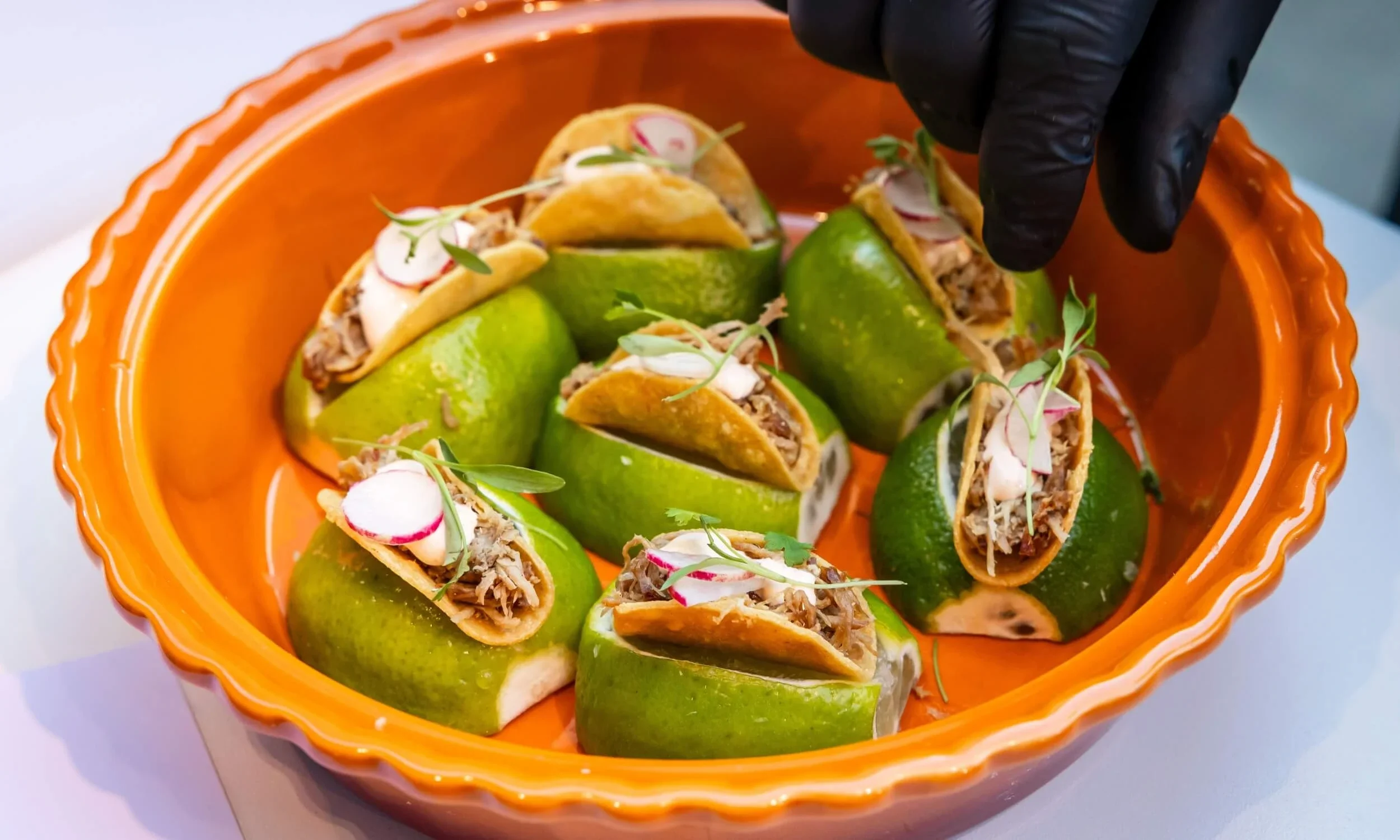
Planning a successful conference involves much more than selecting a menu. Every decision, from the venue and schedule to the style of service, contributes to the conference catering cost in San Francisco and the experience attendees take away from the event.
At Culinary Eye, every conference begins with understanding the goals behind the gathering. Instead of relying on standard packages, the team develops catering around the agenda, audience, and venue, helping organizers make informed decisions from the very beginning.
That approach has shaped events across a wide range of industries, including the team's work in catering for AI conferences and tech summits, where fast-paced agendas, networking opportunities, and evolving attendee expectations all influence the dining experience. The same collaborative process extends across Culinary Eye's corporate catering services, creating conferences that feel organized, welcoming, and thoughtfully planned.
Frequently Asked Questions (FAQs)
How much does conference catering cost per person?
Conference catering costs per person vary depending on the menu, service style, event duration, guest count, and staffing requirements. A simple breakfast service typically costs less than a full-day conference with multiple meal periods or an evening reception. The best way to receive an accurate estimate is to request a customized proposal based on your event details.
How far in advance should I book conference catering?
It's best to book conference catering at least two to six months in advance. Larger conferences, multi-day events, and peak seasons often require even earlier planning. Booking ahead gives you more flexibility with dates, menu development, staffing, and venue coordination.
What's included in full-service conference catering?
Full-service conference catering typically includes menu planning, food preparation, professional chefs, service staff, setup, serving equipment, beverage service, onsite supervision, and cleanup. Some caterers also offer event coordination, rentals, interactive food stations, or bar service, depending on the event requirements.
Should I choose buffet, plated service, or boxed meals for a conference?
The best service style depends on your conference schedule, audience, and event goals. Buffets work well for serving large groups efficiently, boxed meals suit conferences with limited break times, and plated meals create a more formal dining experience. Interactive stations and receptions are often ideal for networking-focused events.
Can conference caterers accommodate dietary restrictions and food allergies?
Yes. Most professional conference caterers can accommodate vegetarian, vegan, gluten-free, dairy-free, and allergy-conscious meal requests. Sharing dietary requirements early in the planning process gives the catering team enough time to prepare suitable alternatives while maintaining consistent service for all attendees.
How do I choose the right conference caterer?
Choose a conference caterer with experience handling events similar to yours. Look for a team that understands conference logistics, communicates clearly, accommodates dietary needs, and provides transparent proposals. Reviewing sample menus, client testimonials, and previous conference experience can also help you make an informed decision.