
Immersive Catering Experiences for Unique Events
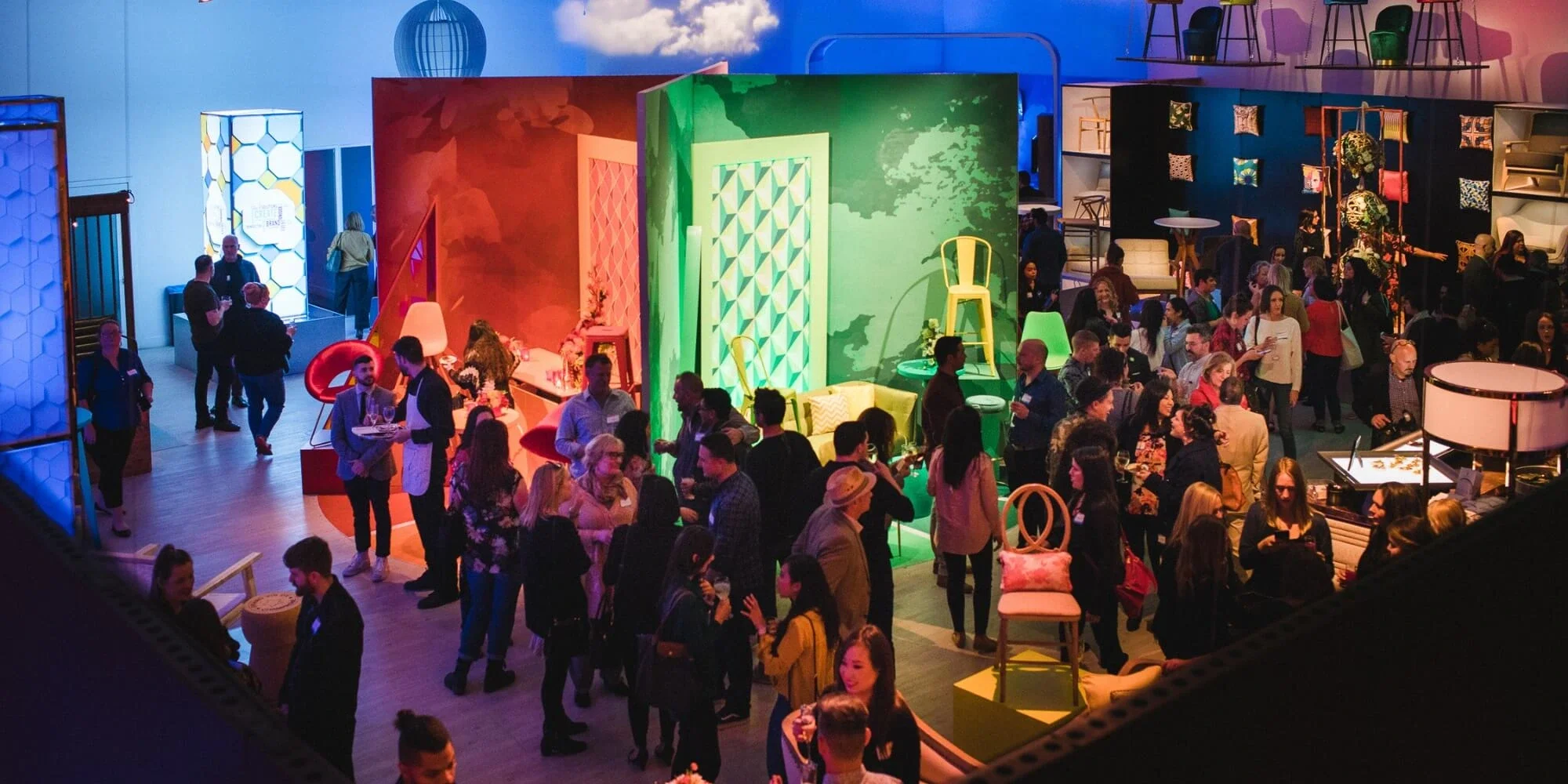
Every event has a moment when guests spot something interesting—a bright ingredient, a playful build, or a dish that feels fun to pick up. People naturally drift toward whatever caught their eye, and suddenly the room feels more open. That’s the start of immersive catering experiences, and it’s a space Culinary Eye loves to work in.
Our catering services grow from simple observations—how people move through a space, what catches their attention, and where a bit of creativity might shift the mood. Once we understand those pieces, we start shaping ideas that let food become part of the environment in a natural, engaging way. These details often become the moments guests remember long after the event has ended.
What Makes a Catering Experience Feel Immersive
Immersion comes from layers that work well together. Guests respond to food that feels connected to its surroundings and presented with care. When the menu, the design, and the structures all support the same direction, thoughtful event design services help the whole event gain an easy sense of presence.
Clear visual direction: Shapes, colors, and textures that catch the eye right away.
Engaging details: Small, hands-on features that draw guests a little closer.
Natural movement: Stations placed where people tend to gather and drift.
Character-driven builds: Structures that hold food in ways that match the setting.
A menu with range: Dishes that complement one another while adding variety.
Together, these pieces help create immersive catering experiences that feel thoughtful, engaging, and tailored to each gathering.
“See How Your Ideas Shape the Budget
Interactive stations, custom builds, and menu direction all influence pricing in different ways. If you’re curious how your version of an immersive experience might look on paper, we can share a simple breakdown based on your ideas.”
Creating Unique Catering Experiences for Clients
Interactive design doesn’t need to be complicated. Guests appreciate chances to try something hands-on or experience food from a new angle. A well-placed detail or a clever feature creates quick moments of connection.
Ingredient tastings: Guests sample small bites arranged in sequences or clusters.
Reveals: Drawers, compartments, or openings hide flavor surprises.
Color-led stations: Ingredients arranged by hue guide guests from one taste to another.
Chef touchpoints: A short flourish or finishing detail added right in front of guests.
Roaming elements: Team members carry trays designed for quick, curious pick-ups.
These features help shape immersive catering experiences that encourage curiosity, conversation, and meaningful guest interaction.
Cohesive Event Storytelling Through Food & Design
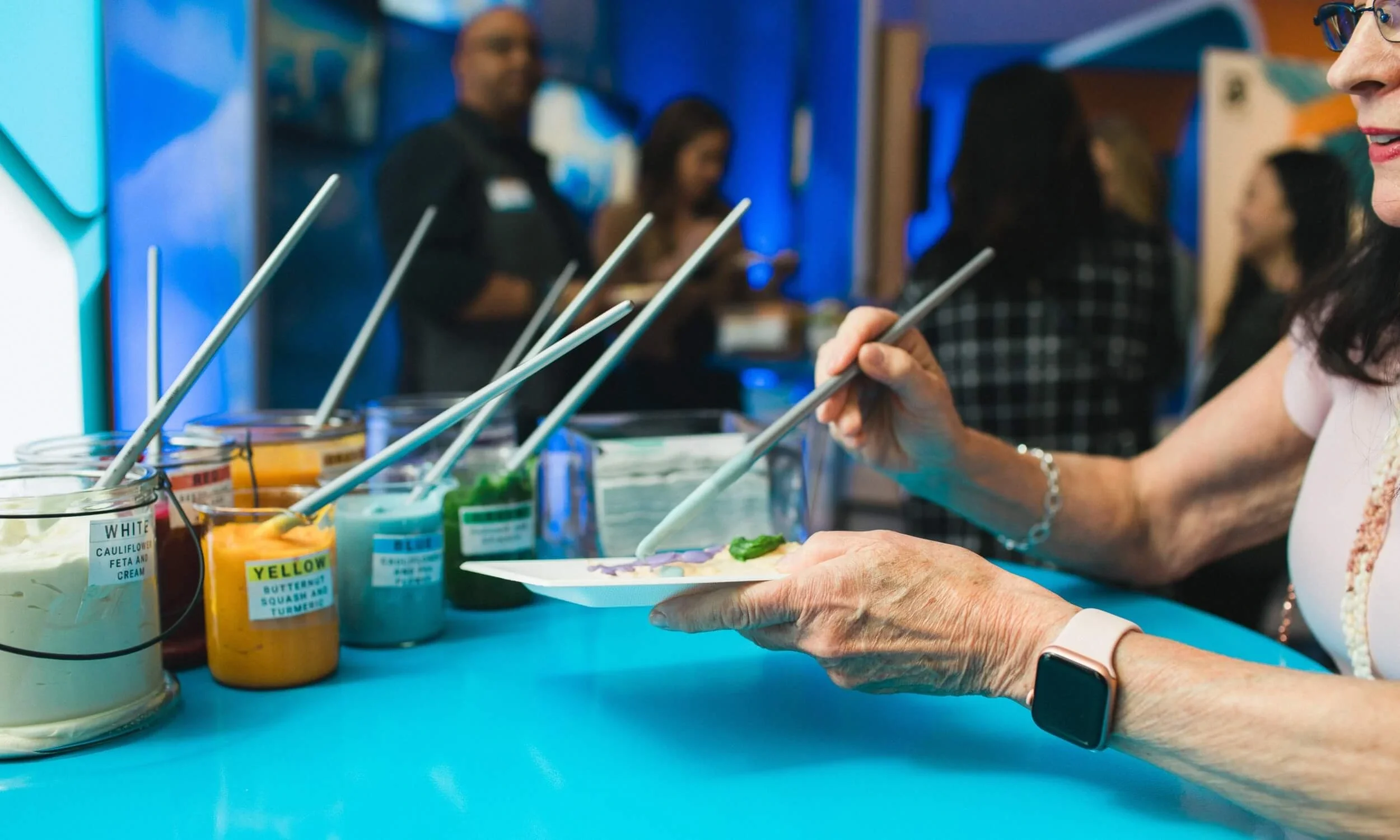
The strongest event concepts bring the menu and the builds into the same conversation. Whether the approach involves seasonal inspiration, brand storytelling, or themed catering, the food and design should develop together.
Season-inspired choices: Dishes reflect weather, color, and produce of the moment.
Brand-forward touches: Patterns, shapes, or materials echo the client's identity.
Reinterpreted classics: Familiar ideas presented with a fresh point of view.
Object-based installations: Everyday items reimagined into playful serving pieces.
Ingredient themes: A single ingredient explored through varied techniques.
These concepts bring immersive catering experiences to life with clarity and a sense of direction.
How Food Design Shapes Immersive Catering Experiences
Memorable food often comes through in a single bite. Maybe it's a pop of flavor, a smooth finish, or a combination that feels fresh and unexpected. When the food lands that well, the whole menu feels more considered.
Deep, layered flavors: Ingredients cooked with patience and precision.
Short tasting flights: Small, focused bites arranged with intention.
Sculptural serving pieces: Clean lines and thoughtful materials support the food.
Chef-led service: Quick explanations that highlight craftsmanship.
Balanced pairings: Drinks chosen to complement each flavor progression.
These ideas contribute to immersive catering experiences that feel special while staying approachable.
Designing the Right Format for the Room
Each venue gives us clues. Some spaces call for tall vertical builds that make use of height. Others feel better suited for wide, low setups that encourage people to gather. When the format matches the environment, guests move comfortably and the event unfolds with ease.
These approaches can work across corporate gatherings, weddings, private celebrations, and brand activations. The details may change, but the goal remains the same: creating an experience that feels connected to the people and the setting.
Homes: Stations with a relaxed, intimate scale that fit into lived-in spaces.
Workplaces: Setups that support circulation during conversation or breaks, making them well suited for corporate catering events.
Galleries: Simple, low structures that let the artwork set the tone.
Outdoor areas: Builds that respond well to natural light and open surroundings.
Large venues: Clusters or zones that create smaller pockets for tasting.
A format shaped around the room helps form immersive catering experiences that feel intuitive and well paced.
Collaboration & Process: How Immersive Ideas Come to Life
Every immersive concept begins with a conversation. We ask about the guests, the feel of the event, and any small details that matter to the host. These early insights give us a starting point. They also help us understand what will feel most meaningful for the people attending, allowing us to create unique catering experiences for clients and their guests.
From there, we sketch ideas, test flavors, and explore materials that support the vision. As concepts begin to take shape, we also talk through practical considerations. Menu style, installations, service formats, and guest count can all influence the overall catering cost, so we help clients understand how different choices affect both the experience and the plan.
As the direction becomes clearer, we look at how the food and the structures can work together. Some events need something bold. Others call for a more pared-back approach. The design grows through collaboration across our culinary and fabrication teams. When the event day arrives, our event staffing team brings the plan to life. These steps allow us to create immersive catering experiences that feel intentional without feeling scripted.
“Plan an Experience That Fits Your Event
If you’d like support shaping logistics, menus, or creative builds, our team is happy to walk through options with you. It’s a simple way to understand what might work best for your gathering. ”
Practical Guidance for Hosts & Planners
Planning an event becomes much easier with a few clear starting points. These suggestions help hosts shape early ideas and move toward a strong, cohesive direction.
Consider your guests: Their habits and preferences influence the best setup.
Choose one guiding idea: A central theme helps unify the menu and design.
Think about movement: The room layout influences how guests engage.
Offer range: A mix of textures and flavors suits different tastes.
Add a few surprises: Small details bring personality to the gathering.
These tips help create immersive catering experiences that feel balanced and engaging.
What Does Catering Experience Mean?
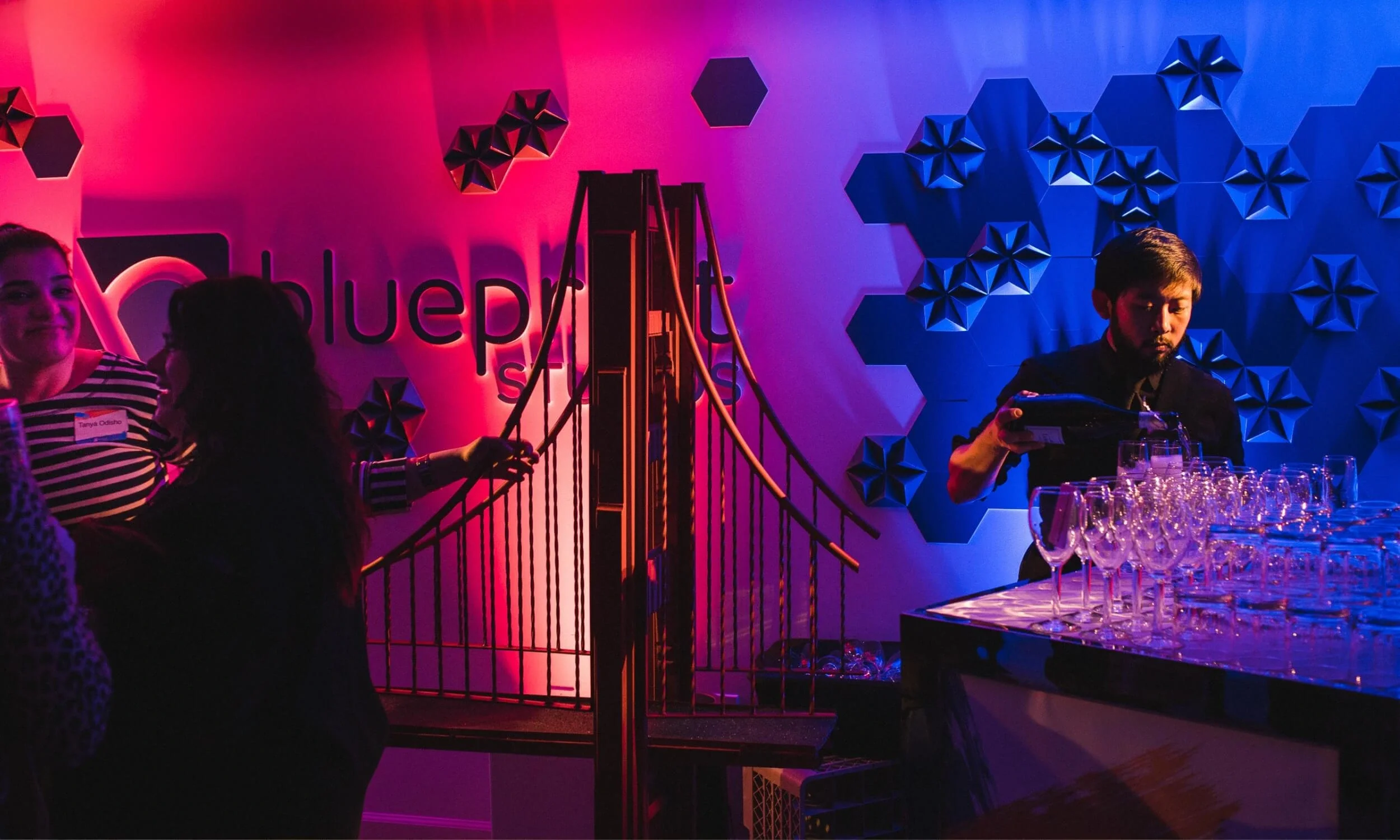
A catering experience is the combination of food, service, presentation, and atmosphere that shapes how guests experience an event. It includes everything from menu design and guest interaction to the flow and feel of the space.
For Culinary Eye, immersive catering experiences are built through thoughtful design, engaging food presentations, and careful attention to how guests move through a space. When these elements work together, food becomes part of the event itself rather than simply something served alongside it.
Turning Ideas Into Experiences With Culinary Eye
Culinary Eye enjoys hearing what hosts imagine for their event. A single detail—a phrase, a mood, or a favorite ingredient—can set a direction. When those pieces come together, they naturally grow into immersive catering experiences shaped around the host's vision.
Our team works in conversation with clients, trading thoughts and building on small details until something meaningful comes together. Each event becomes its own creative path, guided by the people behind it and carried by the food we create.
Frequently Asked Questions (FAQs)
What is an immersive catering experience?
An immersive catering experience weaves food into the atmosphere of an event. The menu, presentation, service, and environment work together to create moments that encourage guests to engage, explore, and connect with one another.
What should you consider when planning event catering?
When planning event catering, consider the guest count, venue, event format, dietary needs, and overall goals for the gathering. These factors help determine the menu, service style, and layout that will work best.
How do you make catering more engaging for guests?
Catering becomes more engaging when guests have opportunities to interact with the food. Thoughtful presentation, live preparation, tasting stations, and unexpected details can encourage conversation and create memorable moments throughout an event.
What makes an event dining experience memorable?
A memorable dining experience combines great food with thoughtful planning. Guests often remember the details that feel personal, the flow of the event, and the moments that bring people together around a shared experience.
How does catering contribute to the atmosphere of an event?
Catering influences how guests move through a space, interact with one another, and experience the event as a whole. Food presentation, service style, and station design all help shape the mood and energy of the gathering.
Can catering be customized for different types of events?
Yes. Catering can be tailored to suit a wide range of events, including corporate gatherings, weddings, private celebrations, and brand activations. The menu, presentation, and service approach can all be adapted to fit the occasion.
How does the venue influence catering design?
The venue affects guest flow, station placement, service logistics, and presentation. A well-designed catering plan responds to the space, helping guests move comfortably while supporting the overall feel of the event.