
Onsite vs. Offsite Catering in San Francisco: What to Know
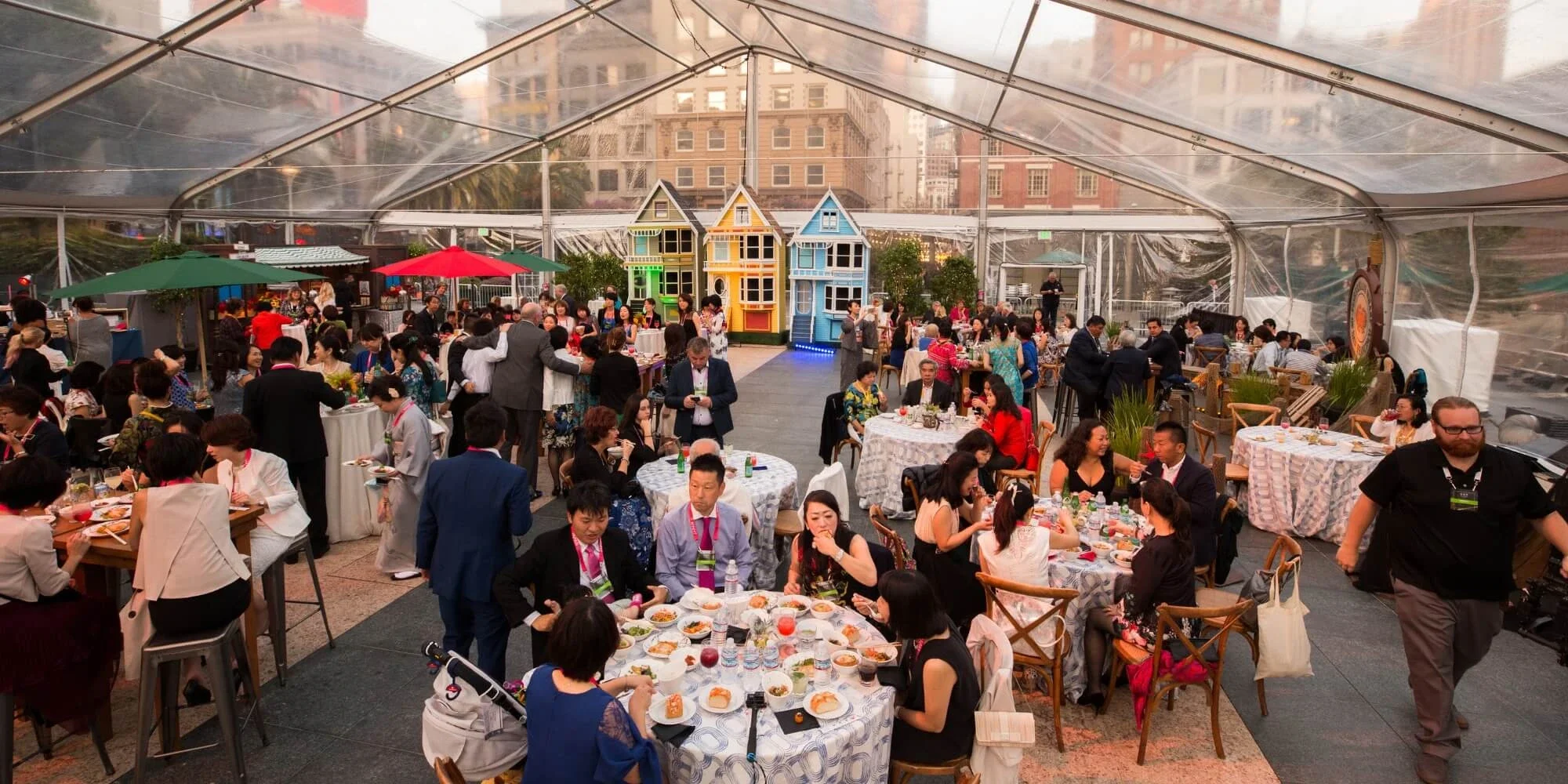
San Francisco holds an unusual mix of event spaces. Some feel intimate and full of history, while others sit high above the city with clean lines and broad sightlines. At Culinary Eye, we pay attention to these shifts because they guide how food can be prepared, finished, and brought to guests. Many of the companies that come to us for corporate catering services face similar questions, since every workspace has its own limits. This is usually when the conversation turns to onsite vs. offsite catering in San Francisco, because the building often determines what the kitchen crew can bring in, how food moves, and how staff can interact with the people they’re feeding.
Onsite vs. Offsite Catering in San Francisco: Quick Comparison
| Onsite Catering | Offsite Catering |
|---|---|
| Food is prepared or finished at the venue | Food is prepared in a separate kitchen |
| Creates more guest interaction | Keeps activity behind the scenes |
| Works well for smaller gatherings | Supports larger guest counts |
| Allows for real-time adjustments during service | Follows a more structured production schedule |
| Requires suitable onsite kitchen access | Requires transportation and staging plans |
What Does Onsite Catering Mean?
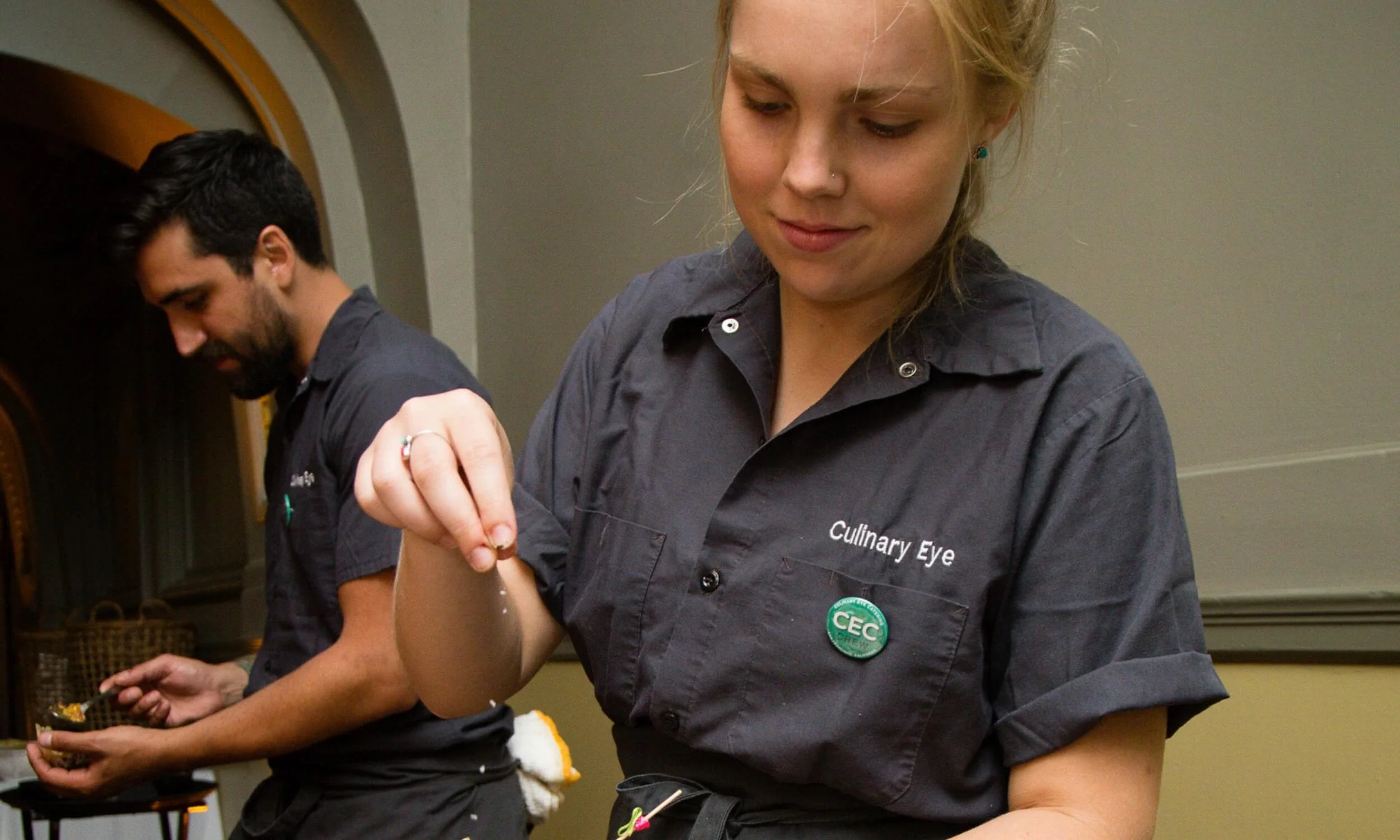
Some events benefit from cooking at the venue. When we discuss onsite vs. offsite catering in San Francisco, onsite work appeals to hosts who want food prepared close to where people gather. It adds a sense of presence without turning the event into a production.
Onsite is useful when:
The venue includes workable kitchen space. A small prep area gives cooks enough control to maintain consistency.
The menu calls for dishes best enjoyed moments after finishing. This keeps flavors bright and textures intact.
Guests enjoy watching small steps. Many appreciate seeing garnishes added or sauces warmed.
Dietary requests need close attention. Cooks can adjust portions and ingredients with little delay.
The event size stays moderate. Onsite work thrives when cooks can monitor each plate.
Onsite cooking relies on coordination. The crew listens, adjusts, and moves in ways that support the feel of the event. When hosts think through all of this, they often revisit the question of onsite vs. offsite catering in San Francisco with more clarity.
What Is an Off-Site Caterer?
An off-site caterer prepares food in a separate kitchen and transports it to the event location before service begins. Other gatherings benefit from this approach because it offers steady preparation conditions, wide workspaces, and access to equipment that may not be available at the venue.
When people compare onsite vs. offsite catering in San Francisco, offsite work appeals to those who value structure and calm movement behind the scenes.
Offsite is useful when:
The venue restricts equipment. Many offices and galleries allow only limited heat sources.
Load-in windows feel tight. Pre-prepared dishes keep things efficient.
The menu travels well. Some foods hold color and texture during transport.
Attendance is large. Offsite kitchens can produce volume with consistency.
The host wants minimal activity near guests. Offsite work keeps attention on the gathering.
Offsite cooking requires careful packing and temperature control. The final steps happen at the venue, so the food reaches guests at its best. Once people see this process, they usually understand the benefits clearly and revisit onsite vs. offsite catering in San Francisco with a more informed eye.
“Planning a workplace gathering? We’re here to help.
Every office and event space comes with its own possibilities. If you’d like to talk through what might work for your team, you can reach out to us anytime.”
Key Differences Between Onsite and Offsite Catering
Choosing between the two approaches involves more than deciding where the cooking happens. The comparison helps hosts understand how the day will unfold. During planning, clients often ask about onsite vs. offsite catering in San Francisco again once they consider the distinctions below.
Key differences include:
Movement around the event: Onsite cooks work closer to guests; offsite crews stay discreet.
Timing flexibility: Onsite cooking adapts easily; offsite cooking follows a clear schedule.
Menu range: Onsite suits delicate dishes; offsite suits food with stable structure.
Gear: Onsite needs mobile equipment; offsite uses full kitchen tools.
Volume: Onsite fits smaller groups; offsite supports large gatherings.
These notes make it easier to choose the method that fits the day.
How Each Style Influences the Guest Experience
Food shapes how people talk, pause, and settle into an event. Some hosts choose onsite cooking because it adds a sense of activity that feels inviting. When cooks finish dishes nearby, people tend to gather, ask questions, and share small moments together. This works especially well for team celebrations, open houses, and workplace gatherings where the host wants the meal to feel lively and personal. When we talk through onsite vs. offsite catering in San Francisco, this desire for interaction is often the reason onsite becomes the better fit.
Other events benefit from fewer moving parts. Offsite preparation suits meetings and conference catering, where a steady schedule matters more than activity in the background. Dishes arrive ready to serve, transitions stay smooth, and people can stay focused on the work at hand.
Both approaches work well. The better choice comes down to what the gathering needs.
Choosing the Right Fit for Workplace Events
Workplace gatherings bring a different set of considerations. Many offices lack kitchen access, while others restrict heat, steam, or movement. These considerations often come into play for corporate lunch catering, where timing, space limitations, and minimal disruption to the workday are especially important. These limitations appear early when people weigh onsite vs. offsite catering in San Francisco, especially for meetings with tight schedules.
Corporate events often require:
Precise timing: Offsite preparation keeps transitions predictable.
Casual interaction: Onsite catering encourages people to pause and talk.
Brand alignment: Either approach works when food reflects company identity.
Limited workspace: Offsite cooking reduces equipment needs.
Large attendance: Onsite support helps the team respond to the flow of the crowd.
Companies often want meals that keep people comfortable without slowing the day. With planning, workplace events maintain their structure while still offering something thoughtful. When it comes to choosing a corporate catering company, it helps to look beyond the menu. Experience with different venues, service styles, and operational requirements can make a meaningful difference on event day.
Event Catering Challenges to Consider
Every event comes with its own set of practical considerations. Understanding common event catering challenges early helps planners choose the right approach and avoid unnecessary surprises on event day.
Common considerations include:
Limited kitchen access or prep space at the venue.
Restricted load-in and setup windows.
Dietary accommodations across a diverse guest list.
Weather conditions that affect outdoor service.
Equipment limitations within historic or unconventional spaces.
Transportation timing and food quality during travel.
Guest flow and congestion around food stations.
Thinking through these details in advance helps the culinary team prepare for the realities of the space and deliver a smoother guest experience.
Planning Considerations for Onsite and Offsite Catering
Planning begins long before the first tray leaves the kitchen. We ask about the building, the purpose of the gathering, and the flow of guests. These details guide decisions at every step. Clients often revisit the decision throughout this stage because it influences equipment, event staffing, and menu design.
We consider timing, distance, and arrival paths. We also think about the practical realities different venues present, from steep streets to narrow hallways. Each detail shapes how we prepare food and how we move once we arrive. This section focuses on planning only, without overlapping with earlier discussions about style or guest experience.
What Are Four Types of Catering?
People comparing onsite vs. offsite catering in San Francisco often ask what types of catering are available in the first place. While formats vary, four common approaches include:
Onsite catering, where food is prepared or finished at the venue.
Offsite catering, where food is prepared in a separate kitchen and transported to the event.
Buffet catering, which allows guests to serve themselves from a shared spread.
Plated catering, where meals are individually served to guests.
Different catering venues create different opportunities and limitations for onsite and offsite service. The right choice depends on the venue, guest count, timing, and the overall experience you want to create.
“Let’s build a meal that suits your event.
Menus, timing, and logistics all influence how the day comes together. If you’d like help thinking through your options, you can get in touch and we’ll walk through the details with you.”
How Culinary Eye Approaches Every Event
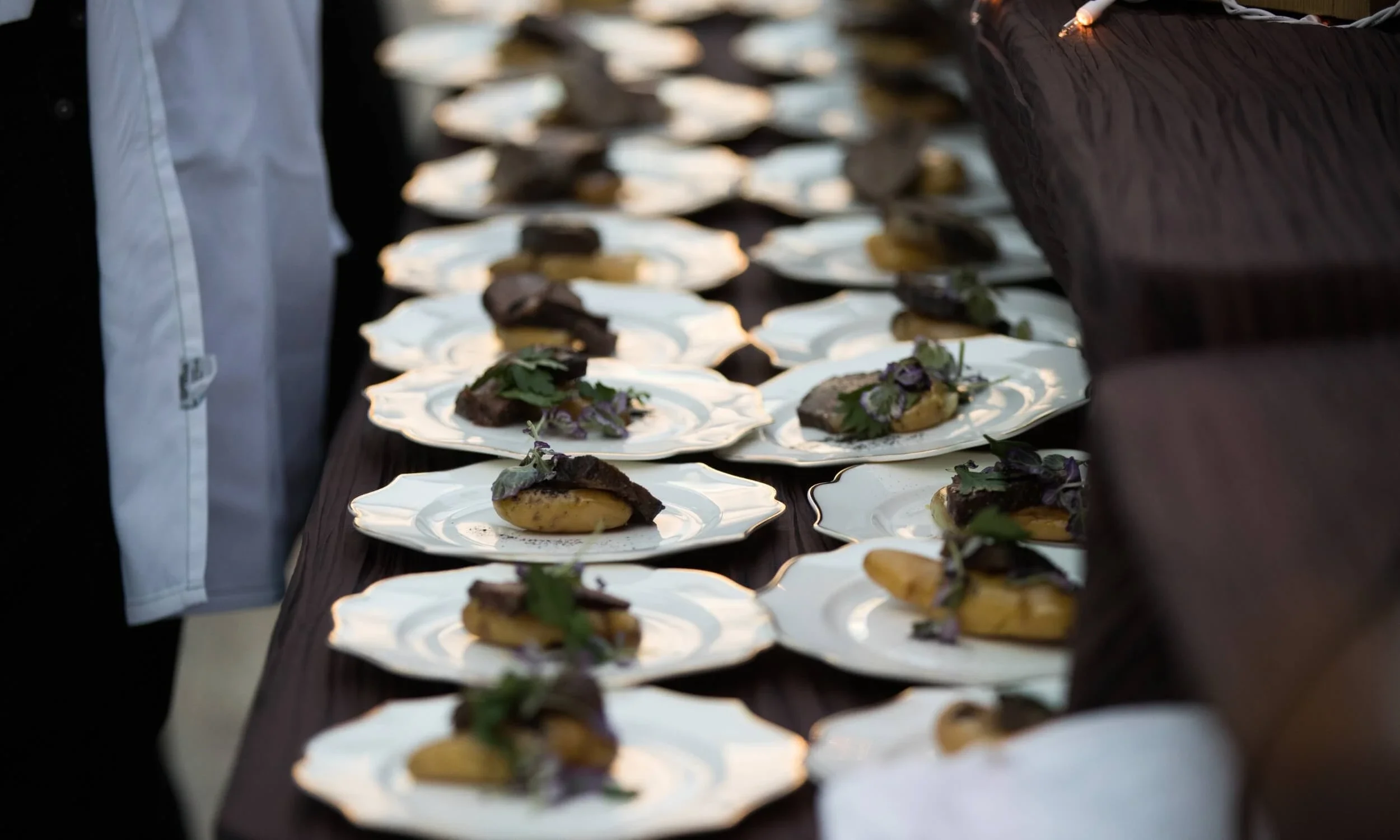
At Culinary Eye, we believe food tells part of the story of any gathering. We cook with care, we build with curiosity, and we listen to the people who trust us with their events. The question of onsite vs. offsite catering in San Francisco becomes one small piece of a larger conversation about how you want your guests to connect.
Our work blends cooking, fabrication, design, and thoughtful service. We pay attention to what matters to you, and we adapt to homes, offices, galleries, warehouses, and unfamiliar spaces with the same steady approach.
Frequently Asked Questions (FAQs)
What does onsite catering mean?
Onsite catering means food is prepared, cooked, or finished at the event venue. This approach allows culinary teams to work close to guests, make adjustments during service, and serve dishes immediately after preparation.
What is an off-site caterer?
An off-site caterer prepares food in a separate kitchen and transports it to the event venue for service. This catering style is commonly used when a venue has limited kitchen facilities or when food needs to be prepared at a larger scale.
What are the four types of catering?
Four common types of catering are onsite catering, offsite catering, buffet catering, and plated catering. Each format offers different advantages depending on the venue, guest count, service style, and event goals.
What’s the main difference between onsite and offsite catering?
The main difference between onsite and offsite catering is where the food is prepared. Onsite catering takes place at the event venue, while offsite catering is prepared in a separate kitchen and transported to the event.
How do I know if onsite catering is possible in my office or venue?
Onsite catering is possible when a venue provides the necessary space, utilities, and permissions for food preparation. Factors such as kitchen access, electrical capacity, ventilation, and venue policies can all affect whether onsite service is feasible.
Is offsite catering still fresh if the food isn’t cooked at the venue?
Yes, offsite catering can remain fresh when food is transported and stored properly. Professional catering teams use temperature-controlled equipment, careful packaging, and precise timing to maintain food quality during service.
Which catering style works best for conferences or all-day meetings?
Offsite catering often works best for conferences and all-day meetings because it supports predictable service, efficient delivery, and minimal disruption during presentations and scheduled sessions.
Does onsite catering cost more than offsite catering?
Onsite catering can cost more than offsite catering when additional staff, equipment, or onsite cooking resources are required. However, pricing varies based on the menu, venue, guest count, and service style.