
Corporate Catering Company in San Francisco: How to Choose

Most corporate gatherings follow a familiar outline, yet the meal often sets the tone everyone remembers. In a city like San Francisco—where food culture runs deep—teams expect more than a routine menu. They want food that feels considered and service that pays attention to the room. At Culinary Eye, we’ve learned that when the meal supports the purpose of the day, the environment changes in a meaningful way. Choosing the right corporate catering company in San Francisco becomes part of shaping that experience. This guide offers a look at how to make that decision and what to consider when reviewing corporate catering services.
Understanding Your Event Needs Before You Begin Your Search
Before reaching out to any corporate catering company in San Francisco, outline what your event requires. A leadership dinner will need different pacing than a workshop, and a conference often calls for thoughtful, steady nourishment that supports focus throughout the day. If you’re beginning to map out a larger gathering, you can explore our conference catering approach to see how we support groups of all sizes.
Consider timing, guest count, dietary requests, cultural preferences, and any sensitivities worth noting. These details guide the menu, staffing plan, and service approach. Because venues come in many shapes and sizes, think through the location early. Some spaces include narrow hallways, limited power, or tight loading zones. Each factor influences a caterer’s setup. The more information you define now, the more aligned your initial conversations will be.
Corporate Catering Services: Understanding Your Options

Every service format meets a different need and calls for specific operational planning:
Buffet or Family-Style Meals: These formats create a shared experience, yet they need clear traffic planning. Ask how the team manages lines, maintains safe temperatures, and restocks dishes. Their answers reveal how they protect meal quality across the service window.
Plated Service: Plated meals offer structure, but they depend on timing. Request insight into plate-up systems, server coordination, and course pacing. Effective timing prevents long pauses or rushed transitions.
Drop-Off or Boxed Lunch Catering: Even simple drop-off meals require precision. Confirm labeling practices, packaging quality, delivery timing, and allergen separation. Good systems protect guests with dietary needs.
Interactive Stations: Stations add variety, though they require careful placement. Ask how the caterer manages equipment, staffing, and crowd flow. Practical planning keeps stations inviting throughout the event.
All-Day Meeting Support: Long sessions call for steady replenishment. Ask how the team schedules refreshes, handles beverage service, and minimizes interruption. Quiet movement helps maintain focus.
Bar and Beverage Programs: Bars anchor many gatherings. Confirm whether the caterer offers bar services, along with licensing, batching methods, ice management, and bartender training. Good preparation maintains service pace and safety.
Evaluating these formats helps you understand which corporate catering company in San Francisco matches your needs and your event style.
What Full-Service Corporate Catering Includes
A corporate catering company in San Francisco providing full service handles far more than food preparation. It also manages the infrastructure that supports the entire event:
Hospitality Staffing: Trained event staffing teams play a major role in guest comfort. Ask about server training, leadership structure, and communication tools. A well-organized team keeps service smooth.
Event Flow Planning: Flow affects guest experience. Ask how the caterer outlines timelines, coordinates with planners, and transitions between parts of the event.
Rentals and Tabletop Support: Many venues require additional equipment. Confirm whether the caterer sources, stages, and returns rentals. Centralized management reduces coordination work for you.
Design and Setup Coordination: Some events benefit from simple visual elements or consistent tabletop choices. Ask whether the team manages these details or partners with designers.
Kitchen Build-Outs: Some venues lack full kitchens. Ask about portable equipment, power needs, refrigeration, and food safety practices. Solid systems protect quality from prep to service.
Bar Operations: Bars require structure. Confirm alcohol handling, equipment, staff training, and safety protocols.
Load-In and Load-Out: Access varies across the city. Ask about elevator use, arrival times, and cleanup plans. A reliable approach keeps the day on schedule.
These elements help you distinguish a food provider from a true corporate catering company in San Francisco capable of handling complex events.
Evaluating a Corporate Catering Menu
A caterer’s approach to food often reveals how they treat the entire event. Ask how the team develops a corporate catering menu and how often they adjust offerings to the season. Some caterers rely on fixed menus, while others shape dishes around local ingredients or specific cultural traditions.
Dietary needs matter as much as flavor. Many corporate groups include vegan, gluten-free, allergy-sensitive, or dairy-free guests. Request clarity around cross-contact procedures, storage practices, and the quality of alternative menu options.
Looking at sample menus can also reveal how flexible a caterer is when designing meals for different teams, meeting formats, and dietary preferences. When a corporate catering company in San Francisco handles these needs well, every guest feels looked after.
Logistical Expertise: A Must for Business Catering
Behind a well-organized event is a team with strong logistical planning:
Delivery Planning: San Francisco traffic and loading zones require strategy. Ask how the team navigates access points and manages timing windows.
Site Walkthroughs: Walkthroughs identify potential issues early. Confirm whether the caterer visits the site before the event.
Staffing Ratios: Adequate staffing protects service quality. Ask how the company calculates the number of servers and cooks for your format.
Kitchen Setup: Portable setups need reliable cold storage, heat sources, and sanitation systems. Ask how the team handles these essentials in offsite environments.
Back-Up Planning: Events shift. Request information about how the caterer handles timeline changes, guest-count updates, or other adjustments.
A capable corporate catering company in San Francisco should address these topics without hesitation.
Experience With Corporate Event Venues
Venue experience makes a meaningful difference:
Knowledge of Venue Guidelines: Many San Francisco catering venues have strict rules. Ask if the caterer has worked in the space before.
Load-In Familiarity: Load-in affects the day’s pace. Confirm how the team handles narrow hallways, limited docks, or shared elevators.
Awareness of Building Constraints: Older buildings often restrict heat, noise, or equipment. Ask how the caterer adapts.
Outdoor or Rooftop Readiness: Outdoor events require flexibility. Ask how the team manages temperature swings, wind, and shade.
Neighborhood Navigation: Parking and unloading vary across the city. Confirm how the team handles areas with tight access.
These questions help you choose a corporate catering company in San Francisco that understands the physical realities of your venue.
“Questions About Your Venue or Event?
Every space brings its own considerations, from access and timing to staffing and service flow. We’d be glad to talk through your plans and help you think through the details before decisions need to be made.”
Professionalism, Staffing, and Service Style
Service shapes the entire guest experience:
Training Standards: Training influences pace and awareness. Ask how staff prepare for corporate events.
Appearance Expectations: Confirm uniforms and grooming policies. Consistency helps set the tone.
Guest Interaction Approach: Staff should support guests without drawing attention. Ask how servers adjust their style across different gatherings.
Internal Communication: Clear communication keeps service aligned. Ask about verbal cues, hand signals, or headset use.
Event Captain Role: Captains coordinate pacing and ensure smooth communication. Ask how captains guide the team during the event.
These details help you identify the corporate catering company in San Francisco that suits your environment.
Budget Considerations for Corporate Catering
Understanding what drives the corporate catering cost helps you compare proposals fairly:
Menu Structure: Some dishes require more labor or specialty ingredients. Ask how these costs are calculated. The scope and customization of a corporate catering menu can also influence overall costs.
Labor Needs: Staffing represents a significant portion of the budget. Request specifics about staffing models.
Rental Coordination: Rentals may include tables, chairs, linens, or kitchen equipment. Ask how the caterer manages these logistics.
Bar Costs: Alcohol, mixers, glassware, and staff contribute to bar pricing. Ask for transparency around these elements.
Setup Complexity: Challenging venues require more labor. Request an honest evaluation of site needs.
Change Policies: Confirm how the company addresses late guest-count changes or additions.
A clear explanation builds trust with any corporate catering company in San Francisco you consider.
“Wondering What Catering Costs Include?
Corporate catering proposals can vary based on menu style, staffing, rentals, and service needs. If you’d like help understanding the factors that shape pricing for your event, we’re happy to talk through the details.”
Tastings, Reviews, and Reputation Signals
These factors help you understand how a team works:
Tasting Structure: Ask how the tasting differs from event-day preparation. Some dishes change in scale.
Review Patterns: Look for themes related to service, timing, and organization.
References: Speaking with past clients reveals how the company communicates and handles pressure.
Photo Galleries: Real event photos show capability. Look for a range of styles and settings.
Communication Quality: Notice how the team communicates during initial planning. Clear responses show strong internal systems.
These markers help you select a corporate catering company in San Francisco you can trust.
Sustainability and Local Sourcing
Many Bay Area companies value sustainability. Ask how the caterer manages composting, reduces waste, and selects suppliers. Some teams work with regional farms or local producers, which supports ingredient quality and transparency. When a corporate catering company in San Francisco explains its approach clearly, you gain insight into both their kitchen and their values.
How to Compare and Shortlist Corporate Caterers
Use a structured approach when narrowing options:
Define Priorities: Identify what matters most.
Create a Shortlist: Select a few strong candidates.
Review Proposals: Compare menu style, logistics, and staffing.
Discuss the Venue: Confirm how each team handles your space.
Schedule Tastings: Evaluate flavor and communication.
Choose Your Partner: Select the team that aligns with your goals.
This simple path helps you choose a corporate catering company in San Francisco with confidence.
How Culinary Eye Supports Companies Through Food and Hospitality
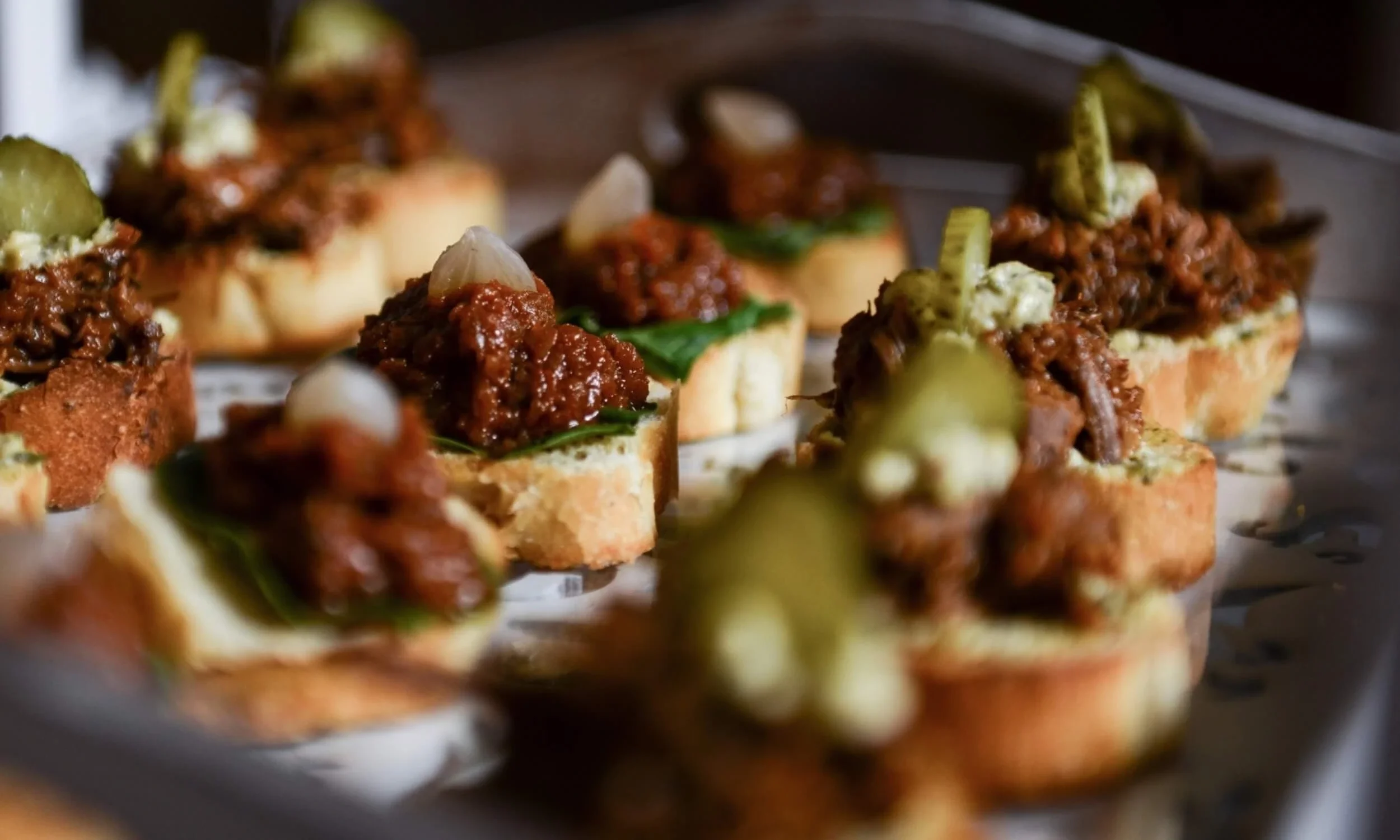
Choosing the right corporate catering company in San Francisco influences far more than what appears on the plate. At Culinary Eye, we approach corporate events with the same curiosity and care that guide our culinary work. We start by understanding the purpose of the occasion and the people it brings together. From there, our chefs craft menus shaped by the stories clients share with us—often connected to a team’s values or history.
Our work often stretches beyond the kitchen because many events benefit from elements that set a mood or give the gathering a sense of place. Clients come to us for small design details, custom-built pieces, or thematic touches that help the room feel coherent without overwhelming it. When needed, we introduce sensory components that deepen the experience. These elements stay subtle, yet they help guests feel more connected to the moment.
Our goal is simple: to take care of people. When the menu, service, and environment work together, guests feel looked after and hosts can focus on the purpose of their event. That is the approach we bring to every company we serve.
If you’re planning an upcoming gathering and want a partner who cares about the details as much as you do, you can schedule a consultation with us to discuss your event.
Frequently Asked Questions (FAQs)
What should I look for when choosing a corporate catering company in San Francisco?
Start with the essentials: food, logistics, staffing, and communication. A good partner listens closely, asks questions about your goals, and offers clear guidance around menu formats, timing, and venue constraints. They should understand how corporate gatherings flow—whether that means keeping a training session on schedule or creating the right atmosphere for a client-facing event. The right fit feels both capable and collaborative.
How far in advance should I book a corporate caterer in the Bay Area?
Lead time depends on the season and the complexity of your event. For large gatherings or anything requiring rentals, design elements, or multiple meal periods, reaching out six to eight weeks ahead is helpful. Smaller meetings or drop-off service can come together more quickly, though availability tightens during peak conference months and the holidays. Early conversations with a corporate catering company in San Francisco give you more flexibility with menus, staffing, and scheduling.
What information does a caterer need to provide an accurate quote?
Most caterers start with guest count, date, and service style, but the more detail you can offer, the clearer your proposal will be. A corporate catering company in San Francisco will also consider venue location, load-in notes, dietary needs, meeting timelines, and equipment limitations, since each of these influences planning. Sharing these pieces upfront helps the team shape a menu, staffing plan, and logistical approach that reflects the realities of your space and your goals.
What’s the difference between full-service corporate catering and drop-off catering?
Drop-off catering focuses on food delivery—packaged, labeled, and ready for guests to enjoy. It’s practical for workshops, casual meetings, or team lunches. Full service includes the elements that support the entire event: on-site chefs, servers, bar staff, rentals, setup, cleanup, and event flow coordination. This is helpful when timing, presentation, and guest experience need hands-on attention throughout the day.
What corporate catering formats work best for workshops, all-day meetings, or client events?
Workshops benefit from meals that move smoothly—buffets, stations, or well-organized boxed lunches with clear labeling. All-day meetings call for steady but unobtrusive replenishment so the focus stays in the room. Client events often lean toward plated dinners or more structured service that supports conversation. Matching the format to the gathering’s purpose helps the meal feel like part of the day rather than a distraction from it.