
Experiential Catering in San Francisco: How to Turn Food Into Part of the Event
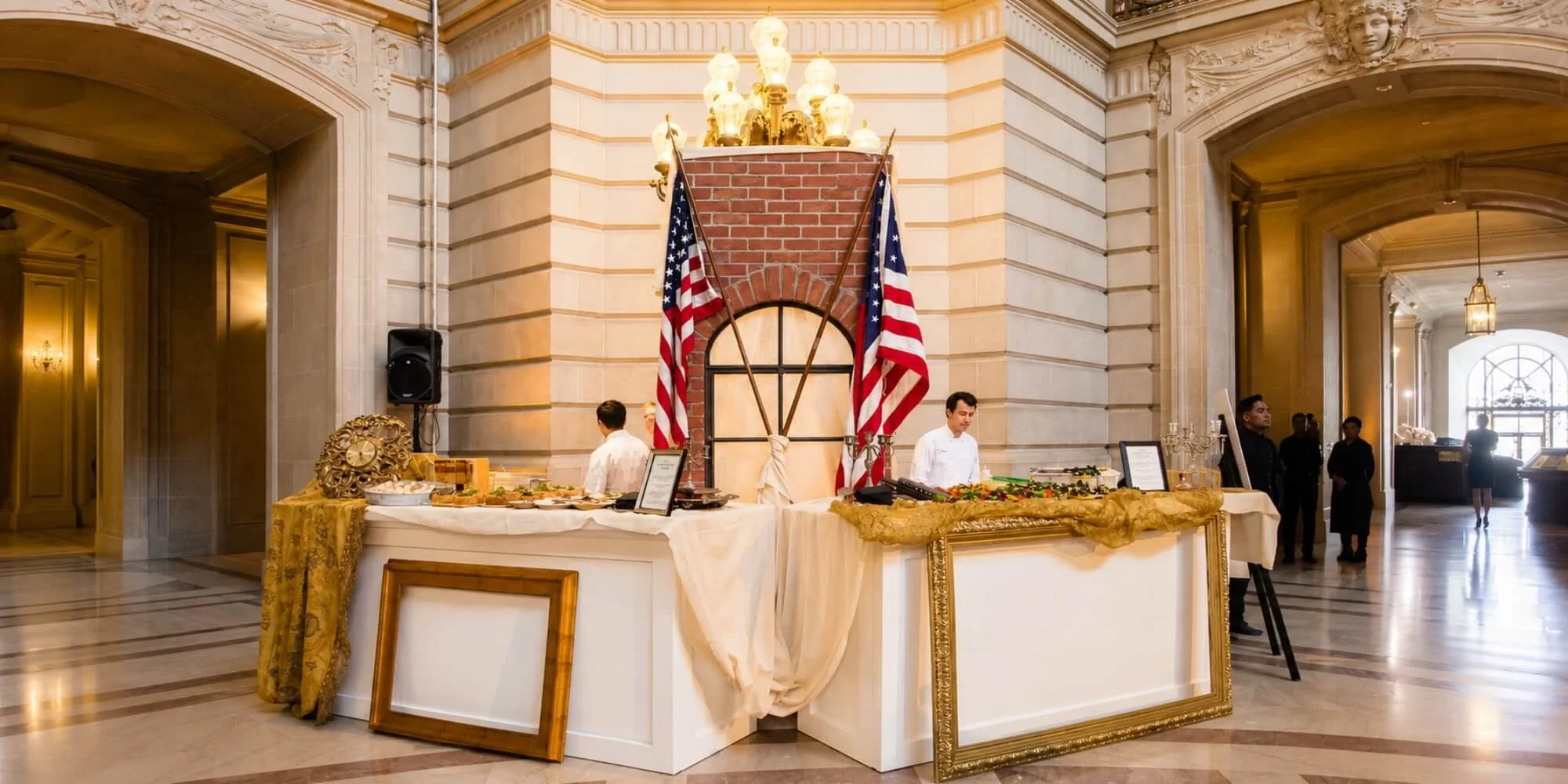
Think about the last celebration you truly remember. It probably wasn't because of the menu alone. You may remember gathering around a chef preparing dishes, discovering an unexpected dessert display, or sharing a conversation over a custom creation. Those moments stay with you because food becomes part of the occasion. That's why experiential catering in San Francisco has become a popular choice for corporate functions, weddings, product launches, and private celebrations. As more event planners prioritise connection and participation, food has become an important part of creating memorable gatherings.
At Culinary Eye, every project begins with understanding the purpose behind the event. From there, the menu, presentation, and service are designed to feel like a natural part of the occasion rather than a separate element.
What Is Experiential Catering?
Experiential catering in San Francisco goes beyond serving food. It treats every culinary element as part of the overall guest experience. The menu still matters, but presentation, timing, and the way food fits into the occasion all shape how the day is remembered.
Traditional catering often follows familiar formats. Buffets keep service efficient, plated meals provide structure, and passed appetizers encourage guests to mingle. While each approach serves a purpose, the food usually remains separate from the rest of the celebration.
Experiential catering takes a broader view. It considers how dining supports the atmosphere, encourages conversation, and complements the purpose of the occasion. Every culinary decision contributes to the overall experience, from the menu itself to the way it is presented.
That flexibility is one reason experiential catering in San Francisco continues to grow in popularity. When food complements the atmosphere and brings people together naturally, it becomes more than another part of the menu. It becomes one of the moments everyone remembers.
How Immersive Catering Enhances the Guest Experience
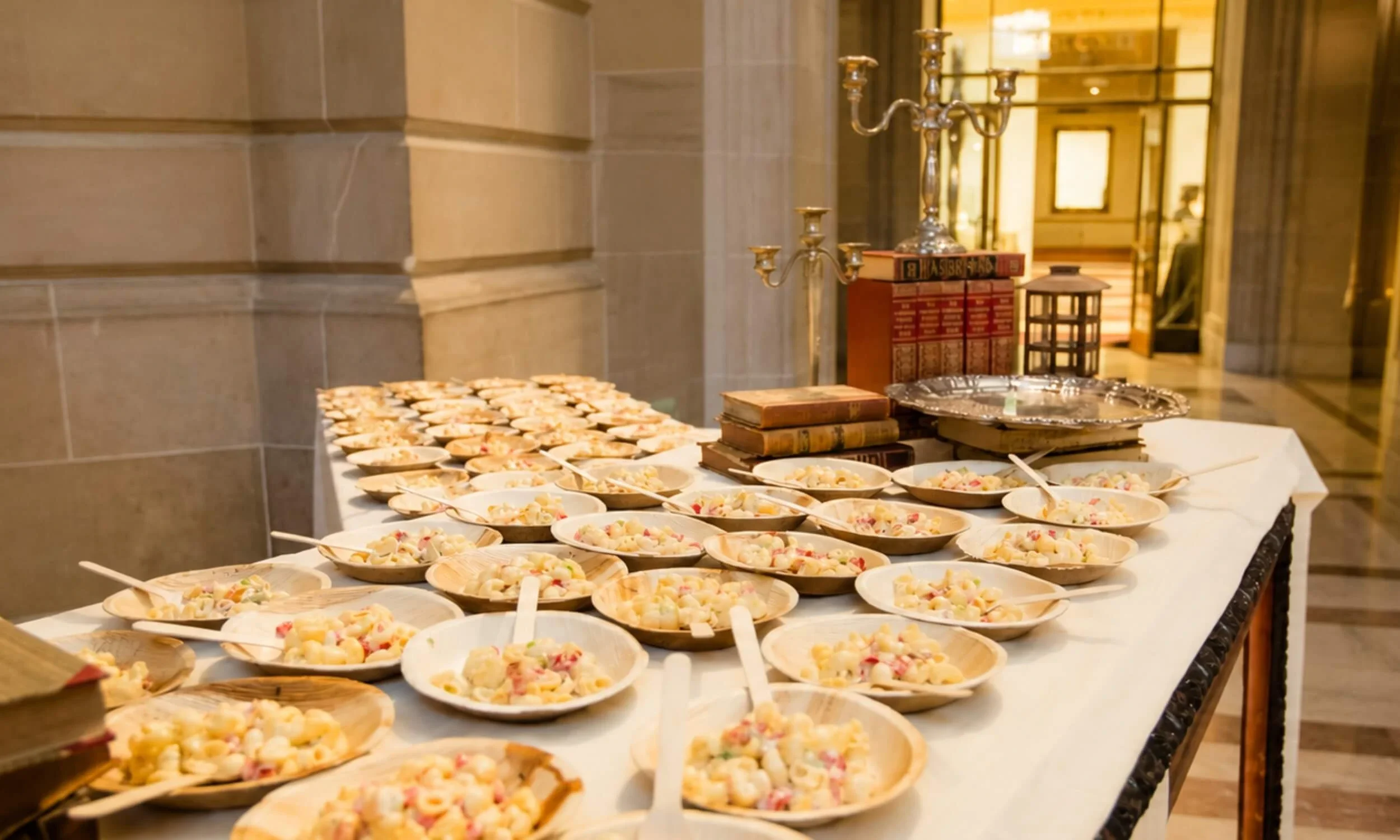
Immersive catering creates a dining experience that feels connected to its surroundings. Instead of treating food as a separate part of the celebration, it weaves culinary elements into the venue, theme, and overall atmosphere. As a result, every station feels like it belongs within the space rather than simply occupying it.
When food reflects its surroundings, the setting becomes part of the dining experience. An edible installation at the entrance can set the tone from the moment attendees arrive. A thoughtfully designed display may echo the character of a historic venue or complement the clean lines of a contemporary office. Every detail helps create a stronger sense of place.
Small design decisions often have the greatest impact:
An edible installation near the entrance can immediately draw attention to the celebration's theme.
Food displays can take inspiration from the venue's architecture, colours, or materials.
Seasonal ingredients often feel more meaningful when they reflect the time of year and local surroundings.
Subtle brand details can be incorporated into the presentation without dominating the overall design.
Finishing selected dishes in view of attendees adds movement while complementing the atmosphere.
Themed catering concepts work best when they support the occasion rather than compete with it.
When culinary presentation feels connected to its surroundings, attendees naturally notice more of the space around them. They move through the venue with curiosity, appreciate details they may have otherwise overlooked, and experience the celebration as one connected environment.
Interactive Event Catering Ideas That Invite Guest Participation
Some of the best moments at an event happen when attendees stop watching and start participating. Interactive event catering encourages that shift by inviting guests to engage with the food instead of simply collecting a meal. Whether they ask a chef a question, choose their own ingredients, or discover a new flavour combination, they become active participants in the dining experience.
Participation doesn't need to be elaborate to make an impact. Small choices and shared discoveries often lead to genuine conversations between colleagues, friends, and family members. Those interactions feel natural because they grow from curiosity rather than formal introductions.
Interactive experiences can take many forms:
Live chef stations where guests can watch each dish being prepared and ask questions along the way.
Build-your-own bars that encourage everyone to personalise flavours and ingredients.
Guided tasting experiences featuring regional produce, seasonal ingredients, or unexpected pairings.
Dessert counters where every serving is finished to order in front of the guest.
Curated food and beverage pairings supported by professional bar services.
Small culinary demonstrations that invite discussion instead of simply showcasing techniques.
The most successful interactive stations fit comfortably within the flow of the celebration. They encourage participation without creating unnecessary queues or interruptions. That's one reason experiential catering in San Francisco continues to grow in popularity, as guests often remember the moments they helped create as much as the dishes themselves.
How to Plan an Experiential Catering Experience
Successful experiential catering in San Francisco starts long before the first ingredient reaches the kitchen. The strongest concepts begin with a clear understanding of the occasion and the journey guests will take from arrival to the final farewell.
Define what guests should remember. Start with the purpose of the event. A networking reception may benefit from several smaller culinary moments that encourage people to move around the room. A wedding might focus on experiences that bring different generations together, while a product launch can use presentation to reflect the brand without overshadowing it.
Plan how guests will move through the venue. Consider where people are likely to gather, pause, or continue conversations. Well-placed food stations can naturally guide movement and encourage attendees to explore different areas without signs or formal direction.
Think about timing as carefully as the menu. Opening every station at once can create unnecessary crowds. Introducing different culinary moments throughout the event keeps the atmosphere changing while giving guests new reasons to explore.
Choose a service style that suits the occasion. In some settings, chefs preparing dishes become part of the experience. In others, discreet service allows presentations, performances, or speeches to remain the focus. Matching the service style to the event helps everything feel more connected.
Coordinate catering with the rest of the event. Bring culinary planning into wider event discussions as early as possible. Lighting, entertainment, floral design, room layout, and guest flow all influence how food is experienced. Planning these elements alongside experienced event design services creates a celebration that feels cohesive from beginning to end.
“Every event starts with a different idea.
No two celebrations are planned the same way, so we don’t price them that way either. If you’re wondering what an experiential catering concept could look like for your event, you can share your plans with our team and we’ll put together a quote.”
Events That Benefit Most From Experiential Catering
One of the biggest advantages of experiential catering in San Francisco is its flexibility. The same principles can create very different celebrations depending on the audience, venue, and purpose of the occasion. Rather than following a fixed formula, the culinary concept adapts to support the goals of each event.
Here are some of the occasions where experiential catering has the greatest impact:
Corporate gatherings: Shared culinary experiences add another dimension to corporate catering by supporting networking throughout the event rather than limiting conversations to scheduled breaks.
Weddings: Food can reflect family traditions, meaningful destinations, or favourite dishes that tell the couple's story. Thoughtfully planned wedding catering helps make the celebration feel personal for both the couple and their guests.
Brand activations: Culinary experiences can reinforce a campaign through presentation, storytelling, and carefully considered details that reflect the brand in a natural way.
Private celebrations: Birthdays, anniversaries, and milestone occasions benefit from experiences that bring guests together and encourage shared moments throughout the day.
Gallery openings and creative venues: Food can complement exhibitions and installations by reflecting the setting without competing for attention.
Because every event has different goals, the strongest culinary concepts respond to the people, the setting, and the occasion. That flexibility allows each celebration to feel distinctive instead of following the same formula.
What to Look for in an Experiential Caterer in San Francisco
Choosing the right partner for experiential catering in San Francisco involves more than comparing menus. When food plays an active role in the celebration, the team should understand how culinary creativity, logistics, and guest experience come together from the earliest planning stages.
When evaluating caterers, look for qualities such as:
A collaborative creative process that develops original concepts around your event instead of relying on standard packages.
Experience working across a wide range of catering venues in San Francisco, adapting each culinary concept to suit the character, layout, and purpose of the space.
The ability to create custom culinary displays and edible installations that complement the venue while remaining practical to serve throughout the event.
A team that works well with others, collaborating closely with planners, designers, florists, production teams, and other event partners from the beginning.
Professional event staffing that combines polished hospitality with confident guest interaction while maintaining consistent quality throughout the celebration.
A portfolio of creative catering San Francisco projects that demonstrates how ideas have been adapted for different audiences, venues, and event goals.
Photographs only tell part of the story. When evaluating experiential catering in San Francisco, ask how each concept worked during the event, how the team adapted to the venue, and how guests responded. Those conversations often reveal far more than polished images alone.
“Let’s create something your guests will remember.
Whether you already have a vision or you’re still exploring ideas, every conversation starts with understanding your event, your venue, and the people you’re bringing together. You can talk through your plans with our team whenever you’re ready.”
Why Culinary Eye Brings a Different Perspective to Experiential Catering
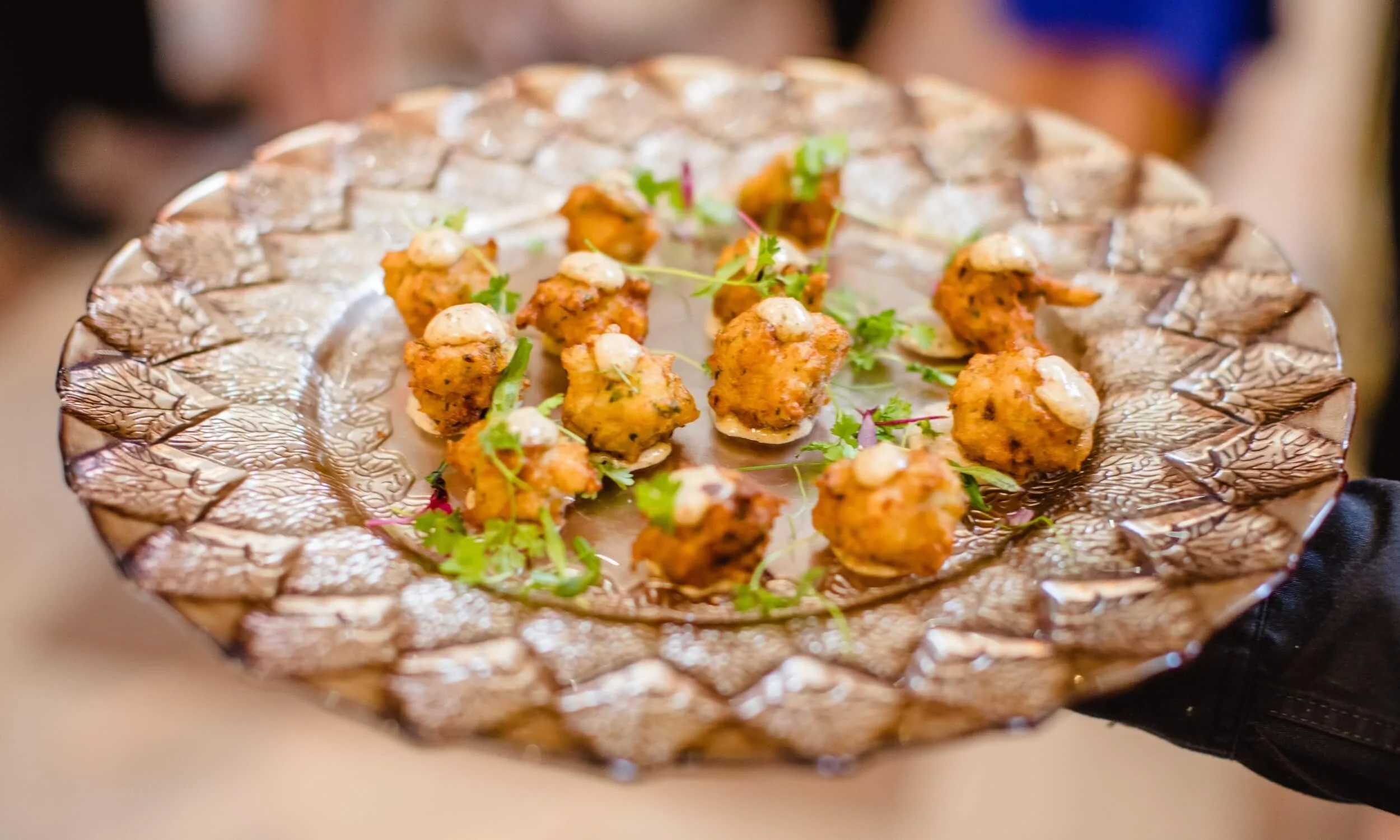
Creating memorable experiential catering in San Francisco takes more than a well-designed menu. It requires a team that understands how food can support the purpose of an event, strengthen the guest experience, and complement everything happening around it.
At Culinary Eye, every project begins with listening. Before menus are developed or displays are designed, the team takes time to understand the occasion, the venue, and the people attending. That shared understanding shapes every culinary decision that follows, creating experiences that feel connected to the event rather than added to it.
Creativity and practicality always go hand in hand. Chefs, designers, fabricators, and event specialists collaborate from concept through service, ensuring each idea works as beautifully in the space as it does on paper. Whether the event takes place in a gallery, an office, a private home, or another unique setting, every detail is developed to suit the occasion.
For Culinary Eye, food is more than something guests enjoy. It's an opportunity to bring people together, encourage conversation, and create moments that feel genuine. That's the approach behind every experience the team creates, and it's what continues to shape experiential catering in San Francisco.
Frequently Asked Questions (FAQs)
What is experiential catering?
Experiential catering combines food, presentation, and guest interaction to create a more engaging event. Instead of simply serving a meal, it uses culinary design, interactive elements, and thoughtful presentation to make food part of the overall experience.
How much does experiential catering cost?
The cost of experiential catering depends on factors such as the number of guests, menu selections, staffing, venue requirements, and the level of customisation. Interactive stations, edible installations, and bespoke event concepts typically require additional planning and production, so pricing varies from one event to another.
What's the difference between traditional catering and experiential catering?
Traditional catering focuses on serving food efficiently, while experiential catering treats food as part of the event itself. It often includes interactive stations, custom presentations, and culinary concepts designed to encourage conversation, reflect a theme, or support a brand or celebration.
Can experiential catering be customised for different themes or brands?
Yes. Experiential catering can be tailored to suit a wide range of themes, brand identities, and event goals. Menus, food displays, serving styles, and interactive elements can all be adapted to create a cohesive experience that feels appropriate for the occasion.
How far in advance should I book an experiential caterer?
It's best to book an experiential caterer as early as possible, especially for larger events or celebrations that require custom concepts. Booking several months in advance gives the catering team enough time to develop the menu, coordinate logistics, and create any bespoke installations or interactive experiences.
What should I look for when choosing an experiential caterer?
Look for a caterer with experience designing custom culinary concepts, working in different types of venues, and collaborating with planners and other event professionals. Reviewing past projects and discussing how the team approaches planning can also help you determine whether they're the right fit for your event.