
Large Event Catering: How to Serve 500 Guests Without Long Lines
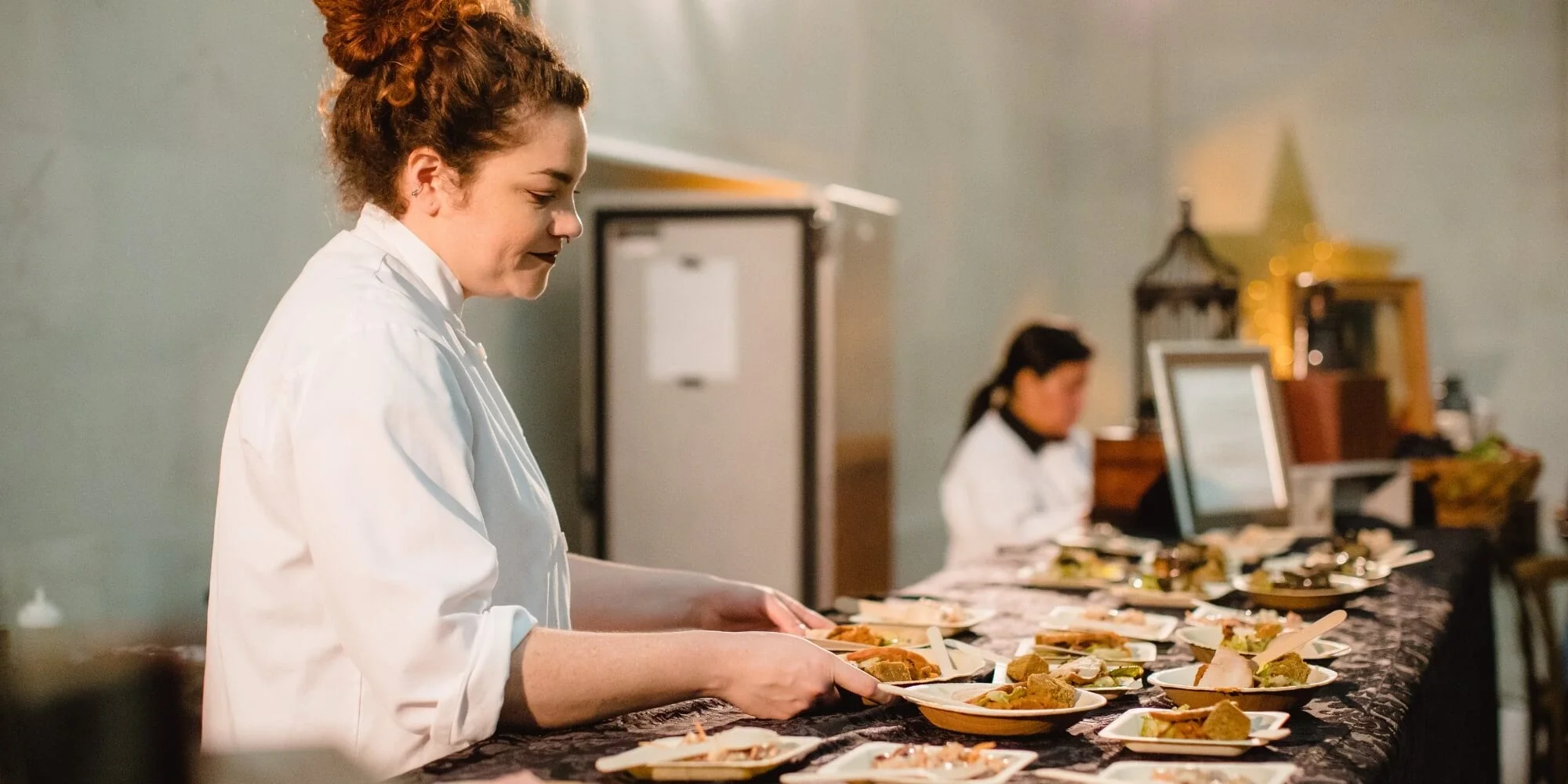
Five hundred people leave a keynote, and lunch starts at the same moment. Suddenly, a spacious foyer can feel much smaller. Large event catering has to account for that rush while giving guests enough time to eat, talk, and return to the program.
At Culinary Eye, we think about food in the context of those real moments. We consider how guests reach it, where they eat, and how the meal fits into the day.
This matters especially when catering for AI conferences. Tech events often bring packed programs, large audiences, networking, and spaces with their own service constraints.
Serving 500 guests well takes more than preparing more food. It means considering when people eat, how they use the space, and what the meal needs to offer.
Why Catering for Large Events Requires a Different Approach
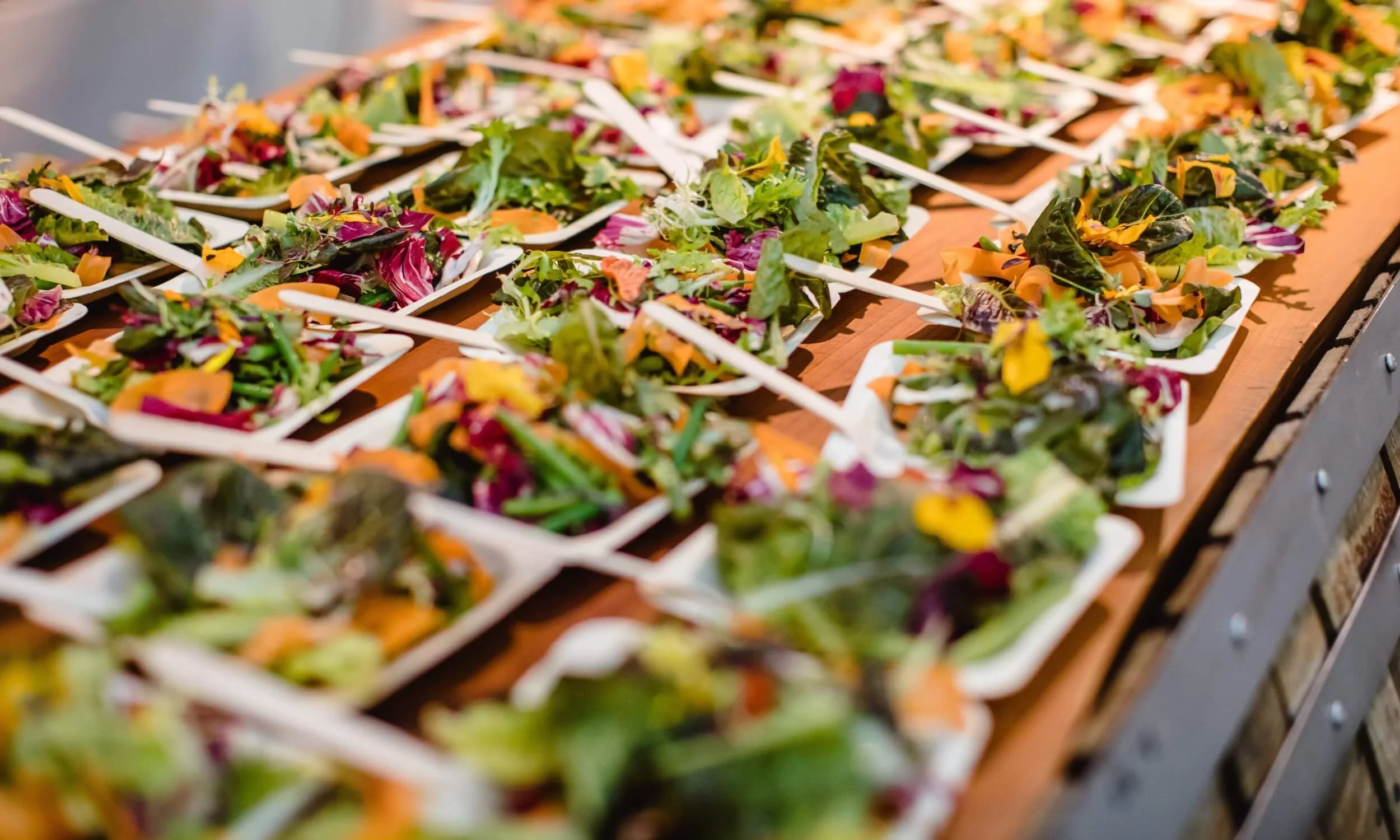
A decision that barely affects 50 guests can have a much bigger impact on 500. With large event catering, every part of service has to work at a different scale.
Before choosing a menu or service format, consider what that scale changes:
More people depend on the same resources. Serving areas, coffee stations, seating, utensils, and staff all need enough capacity for the expected crowd.
Small delays add up quickly. A few extra seconds at one station may seem minor until hundreds of guests pass through it.
Demand can arrive in waves. Conference attendees often move together, particularly after keynotes, panels, and scheduled breaks.
Food needs to perform at volume. Dishes should retain their flavor, texture, temperature, and presentation throughout service.
The room has to support the crowd. A setup that feels spacious before lunch can behave very differently once hundreds of people enter.
The team needs room to respond. Staff must replenish food, clear tables, answer questions, and adjust as they see how guests use the space.
Good catering for large events starts by recognizing these changes in scale. The schedule, layout, menu, and staffing plan can then address each one more closely.
Start With the Schedule, Not the Serving Table
A listed lunch time does not always show how long guests actually have to eat. For large event catering, the schedule needs to reflect how much time guests can realistically spend eating.
That makes catering part of broader conference planning. Sessions, room changes, networking, and fixed program times all shape the window available for service.
Before finalizing the plan, map:
Session end times: Check whether every room finishes together or smaller groups enter the meal period at different times.
Actual meal windows: A 45-minute lunch may lose ten minutes to announcements, walking, or moving between floors.
What comes after the meal: Guests need enough time to finish eating and reach the next keynote, breakout session, or activity.
Networking periods: If lunch also supports conversation, guests need time to eat without spending the entire break in transit.
Morning and afternoon breaks: Look at how close each break sits to breakfast, lunch, and the next scheduled session.
Reception timing: Note how much time separates the final session from the reception and how guests will move between them.
Once the schedule is clear, the team can work backward from each service window. In large event catering, that preparation helps match the service plan to the time guests actually have.
Plan Guest Flow and Serving Points for Catering for 500 Guests
Picture the path guests take after leaving a session. Where do they enter, where is the food, and where do they go afterward?
That path matters in large event catering because hundreds of people may move through the same space within minutes. Before placing stations, look at how the room can distribute that movement.
When planning catering for 500 guests, pay particular attention to:
Session exits: Keep food away from doorways where the first arrivals could block everyone leaving behind them.
Serving locations: Use different areas of the room when possible instead of drawing the entire group toward one wall.
Beverage access: Place coffee and water separately when the space allows, so drink refills do not add traffic around food.
Routes away from service: Guests carrying plates need a clear path toward tables or standing areas without crossing incoming traffic.
Plates and utensils: Put them where guests naturally need them, rather than creating another stopping point along the route.
Visibility: Guests should be able to locate available service areas before entering the busiest part of the room.
Usable side spaces: Foyers, terraces, alcoves, and adjoining rooms can sometimes support different parts of service.
The venue itself can change the entire flow. Offices, galleries, warehouses, and other catering venues each create different routes between sessions, food, and gathering areas.
A good layout makes those routes easy to understand. As a result, 500 people can spread through the space rather than collecting around a single point.
“Wondering What Catering 500 Guests Might Cost?
Every large event comes with its own menu, space, schedule, and service needs. Share a few details with our team, and we can help you understand what those choices may mean for your budget.”
Choose Menu Formats That Can Handle Volume
Feeding hundreds of guests changes how a meal can be served. For large event catering, the right format needs to handle the guest count while keeping the food at its best.
Buffets, individually portioned meals, and food stations can all work well. However, each one suits a different schedule, space, and style of service.
Buffets With Multiple Access Points
Buffets work well when several guests can serve themselves at once. Repeating popular dishes across the setup can also keep food available throughout the meal.
The dishes themselves matter here. They should portion cleanly, hold at the right temperature, and maintain their texture as service continues.
Individually Portioned Meals
Boxed lunches and composed bowls work well during shorter meal periods or events spread across several rooms. Guests can collect a complete meal and carry it back to a session, workspace, or seating area.
Packaging deserves attention, too. Someone carrying a laptop, badge, or conference materials should still be able to manage the meal comfortably.
Focused Food Stations
Stations allow the culinary team to serve different dishes from different parts of the room. One might offer warm grain bowls, while another serves tacos or a composed seasonal plate.
Interactive food stations can also give chefs room to finish dishes with fresh garnishes, sauces, or other last-minute elements. Guests can see the final touches happen without turning each plate into a lengthy preparation.
Each approach offers a different balance of speed, flexibility, and culinary detail. Good large event catering keeps those practical needs from coming at the expense of flavor, texture, or thoughtful presentation.
How to Serve a Large Crowd Without Creating Decision Bottlenecks
A line can move slowly even when the kitchen has plenty of food ready. Sometimes guests reach the front before they know what is available or what they want.
For large event catering, those extra moments can add up across hundreds of people. Knowing how to serve a large crowd also means helping guests understand their options before they reach the food.
A few practical choices can help:
Make the menu visible early. Place clear signs where guests can see the main options while approaching the service area.
Keep the number of choices manageable. A few distinct dishes are easier to navigate than dozens of possible combinations.
Write descriptions people can understand quickly. Name the dish and its key ingredients without making guests decode unfamiliar language.
Make different options easy to recognize. Presentation and signage should help guests tell one dish from another at a glance.
Move condiments beyond the main pickup point. Guests can add sauces and other extras after collecting their food.
Match customization to the available time. Chef-finished elements can work beautifully when they take seconds rather than several minutes per plate.
Guests should still have time to look, choose, and enjoy their food. The aim is simply to keep unnecessary decisions from taking up the break.
Plan Replenishment Before Service Begins
The first wave of guests often finds full platters, stocked utensils, and freshly prepared food. The real test comes 15 minutes later.
Replenishment becomes especially important with large event catering, where hundreds of guests may visit the same stations within a short period. The kitchen needs backup batches ready before the first plates leave the serving area.
Hot dishes require suitable holding, while chilled food needs consistent temperature control. Meanwhile, the team needs backup plates, bowls, napkins, utensils, coffee, and water ready nearby.
The kitchen and floor teams also need a simple way to communicate. If one dish disappears faster than expected, staff should know before it runs out.
Batch size matters, too. Smaller replacements can keep food fresh and well presented instead of leaving oversized trays out for long periods.
Replenishment matters just as much for the people arriving later. The final guests should find the same range and quality that greeted the first arrivals.
Build the Right Team for a 500-Person Event
With large event catering, more staff does not automatically mean better service. Each person needs a clear role, especially when several food and beverage areas operate at the same time.
For a large conference, the team may include:
Culinary staff who prepare, finish, and monitor dishes throughout service.
Station attendants who maintain food areas and help guests understand what is available.
Runners who move fresh food, plates, and supplies between production and service areas.
Beverage attendants who manage coffee, water, and other drinks without pulling staff away from food.
Passed-service staff who circulate small bites during receptions or other mobile service periods.
Bussing staff who clear used dishes and keep tables available as guests come and go.
Floor leads who oversee service across the room and move team members when another area needs support.
Experienced event staff also notice how guests are actually using the room. One station may become busier than expected, or a seating area may fill sooner than planned.
Clear responsibilities help the team work together without duplicating tasks or leaving gaps. At the same time, staff can adjust when the event unfolds differently from the plan.
“Planning the Details for a Larger Guest List?
Feeding hundreds brings a lot of moving pieces together. Talk through your plans with Culinary Eye, from the menu and timing to staffing and how service fits the space.”
Build Dietary Options Into the Main Service
Nobody should reach lunch and discover that the only food they can eat sits at a separate table across the room. That setup can also create another line when several guests need the same alternative.
Dietary planning becomes more complex in large event catering, simply because a bigger group brings a wider range of needs. Chefs can account for that variety while building the main menu rather than adding separate meals afterward.
For example, grains, vegetables, proteins, herbs, and sauces can create several complete combinations across the same service. Plant-based dishes should also bring their own flavor, texture, and substance.
Clear labels help guests understand what they can eat without asking about every dish. However, staff should still know the menu well enough to answer questions when needed.
Allergens require planning beyond the dishes themselves. Preparation, storage, transportation, serving utensils, and cross-contact risks all need attention before guests arrive.
Likewise, religious dietary requirements can affect sourcing, preparation, and service. Gathering accurate information early gives the culinary team more room to plan.
The aim is a menu where different guests can find a complete meal they genuinely want to eat. Dietary needs become part of the food experience rather than an afterthought.
A Sample Service Plan for 500 Conference Guests
Imagine 500 attendees with 45 minutes between a keynote and the afternoon program. A lunch like this shows what large event catering looks like once hundreds of guests enter the room together.
For this hypothetical example, the venue can accommodate four food stations, separate beverage areas, and seating in an adjoining space. Service might unfold like this:
Before the keynote ends: The culinary team finishes the first hot dishes and prepares the next batches. Floor staff check each service area.
As attendees arrive: All four food stations open, and guests begin spreading across the room instead of forming one central line.
During the first rush: Floor leads watch where people gather and direct arriving guests toward stations with more room.
At the stations: Guests collect their chosen meal, along with prepared sides and desserts, before moving toward the seating areas.
At the beverage areas: Coffee, water, and other drinks remain separate, so guests can visit them before or after collecting food.
Throughout lunch: Runners replace dishes and supplies as needed, while the culinary team prepares the next batches.
As tables turn over: Bussing staff clear used dishes and keep walking routes between dining and session areas open.
As the break ends: Service gradually winds down while enough food remains available for guests arriving later.
The right large event catering setup will vary with the venue, menu, seating, and program. A conference center may handle this lunch very differently from an event spread across several office floors.
Still, the sequence shows how those decisions come together during service. Guests can find their food, eat, and return to the program while the team manages what is happening around them.
How Culinary Eye Approaches Large Conference Catering
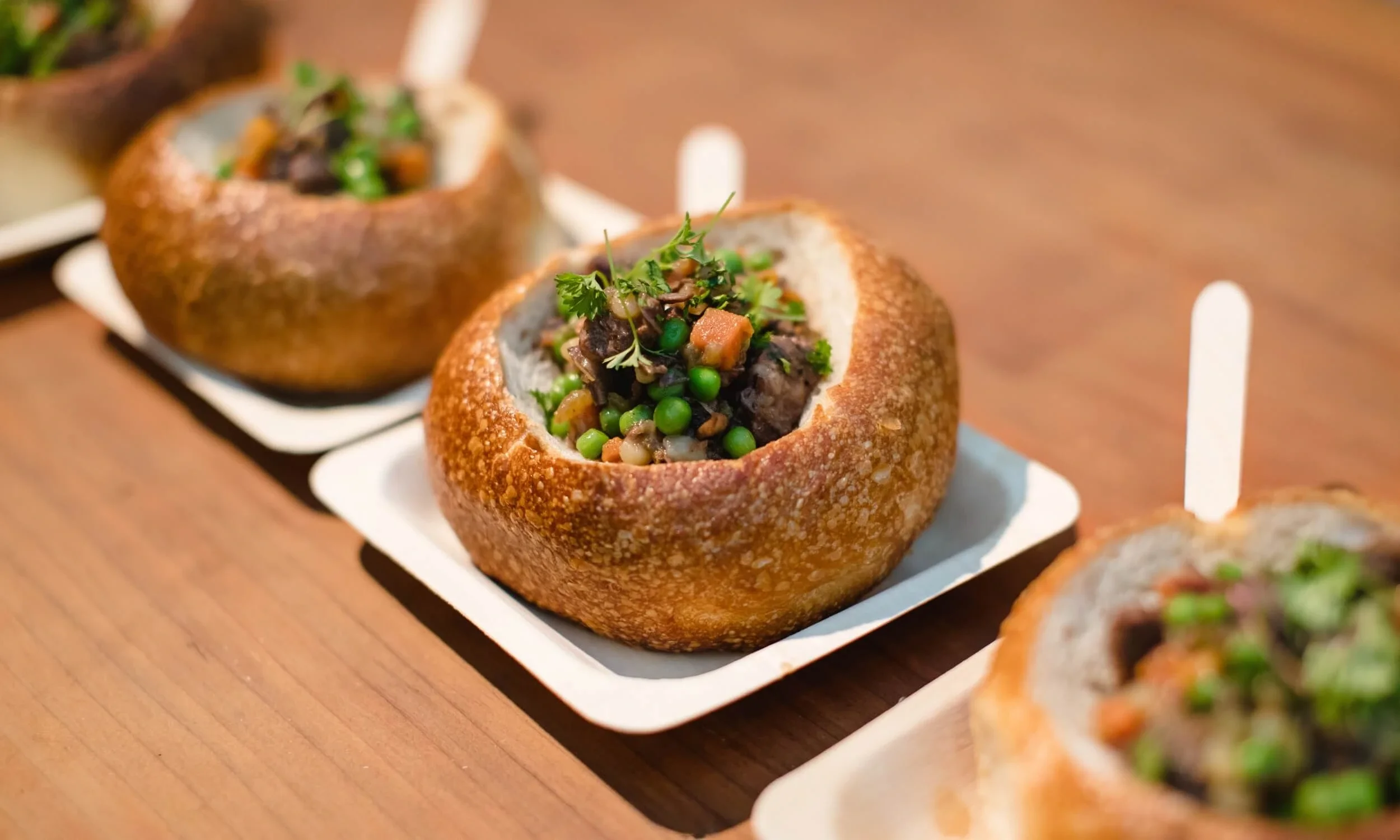
Feeding hundreds of people asks for more than increasing quantities. Our approach to large event catering starts with understanding what the gathering asks from the food.
For conference catering in San Francisco, we learn the schedule, walk the space, and consider how guests will spend their time. Then we shape the menu and service around those details.
Culinary Eye works across offices, galleries, warehouses, conference centers, and less conventional Bay Area settings. Our event design work also considers how stations, serving pieces, materials, and food relate to the surrounding space.
Our experience with corporate catering spans conferences, launches, meetings, celebrations, and other company gatherings. Each one asks for a different balance of food, interaction, and service.
Throughout that process, the cooking stays central. We think about flavor, temperature, texture, and presentation, whether we are preparing 50 plates or 500.
For a large conference, those choices come together in the meal guests actually experience. The food should taste good, suit the setting, and give people time to enjoy it together.
Frequently Asked Questions (FAQs)
How much food do I need for 500 guests?
The amount of food needed for 500 guests depends on the meal, service style, event length, and other food served that day. A full lunch requires larger portions than a reception or conference break. Caterers should also account for dietary needs, event timing, and whether guests can return for additional servings.
How much does catering for 500 people cost?
Catering for 500 people can vary widely based on the menu, service style, staffing, rentals, venue, and event duration. Individually packaged lunches usually have different costs than chef-attended stations or a full reception. For an accurate estimate, provide the caterer with your date, location, guest count, schedule, and preferred service format.
How far in advance should you book catering for a large event?
For large event catering, booking several months in advance is a good starting point. Complex conferences may require more lead time for menu development, staffing, rentals, venue coordination, and fabrication. Popular dates can also fill earlier, so starting the conversation sooner gives planners more options.
How many catering staff do you need for 500 guests?
There is no single staffing ratio for 500 guests because the number depends on the service format and venue. A buffet, plated dinner, reception, and multi-station conference lunch each require different teams. Caterers typically consider culinary staff, station attendants, runners, bussers, beverage attendants, and floor leads when building the staffing plan.
Is a buffet or plated meal better for a large event?
A buffet works well when guests need flexibility, while plated service suits events with assigned seating and structured meal periods. Buffets can serve large groups efficiently when the layout provides enough access. Plated meals require more service staff and coordination, but guests remain seated throughout the meal. The better choice depends on the schedule, venue, and desired guest experience.