
Conference Catering Menu Ideas for Tech and AI Events
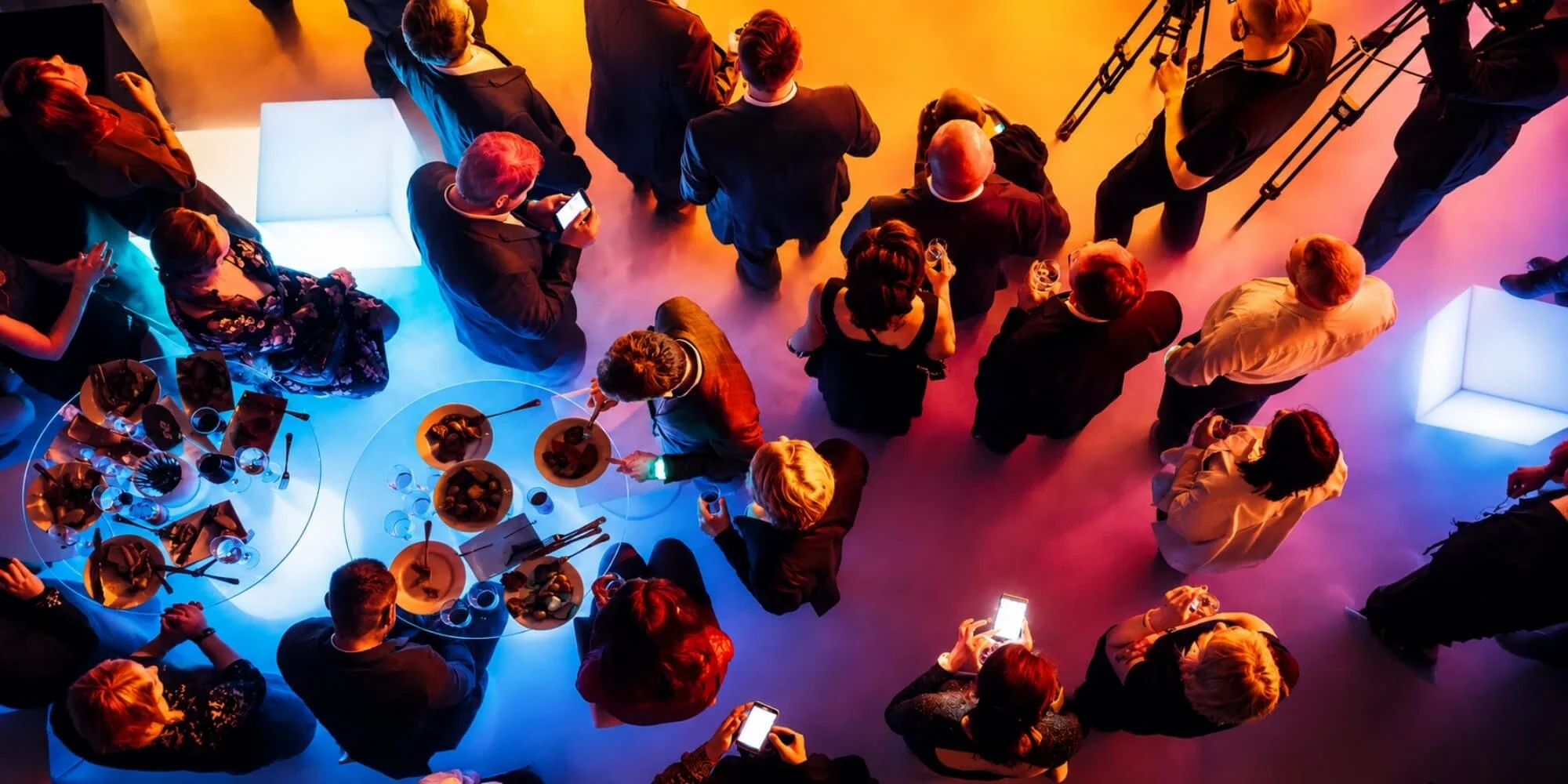
A tech conference can cover a lot of ground in one day. Guests arrive over coffee, catch breakfast before a keynote, and reconnect over lunch. Later, snacks keep conversations going between sessions, while a reception gives everyone more time together. That changing pace opens up plenty of conference catering menu ideas, from portable breakfasts to shared lunch stations and small evening bites.
At Culinary Eye, we enjoy figuring out what food belongs in each of those moments. Our approach to catering for AI conferences starts with the people and the event itself. We consider what guests will enjoy, how they will eat, and where food can add something to the experience.
In this guide, we’ll explore conference catering menu ideas for breakfast, breaks, lunch, and receptions. We’ll also cover dietary planning, branded food experiences, and building a menu for the full conference day.
What to Consider When Planning Tech Conference Catering
Before talking about dishes, start with the event program. A menu that works for a 90-minute lunch may struggle during a 25-minute session break.
So, before narrowing down your conference catering menu ideas, answer a few practical questions. How many people need food? How much time do they have? Where will they eat?
Map the day first. Mark registration, sessions, breaks, lunch, and evening programming. Then build the conference catering schedule around the windows when people can actually eat.
Compare headcount with service time. Serving 500 people in 30 minutes requires enough pickup points to handle the rush. Otherwise, attendees can spend much of their break waiting.
Study the venue layout. Check session exits, elevators, hallways, kitchen access, loading areas, and gathering spaces. Each one can affect where and how you serve food.
Decide how people will eat. Seated guests can manage plates and utensils. Meanwhile, working sessions call for food that travels easily and fits comfortably beside a laptop.
Gather dietary requirements early. Confirm allergies, dietary preferences, and religious requirements before finalizing the menu. That information gives the culinary team more room to plan.
Once those details are clear, it becomes easier to narrow down conference catering menu ideas. More importantly, the final choices reflect the realities of the event rather than a generic catering format.
“Curious What Your Conference Menu Could Cost?
Every conference brings a different guest count, schedule, and way of serving. We can put together a quote based on what you’re planning and what the day actually needs.”
Conference Breakfast Ideas for a Strong Start
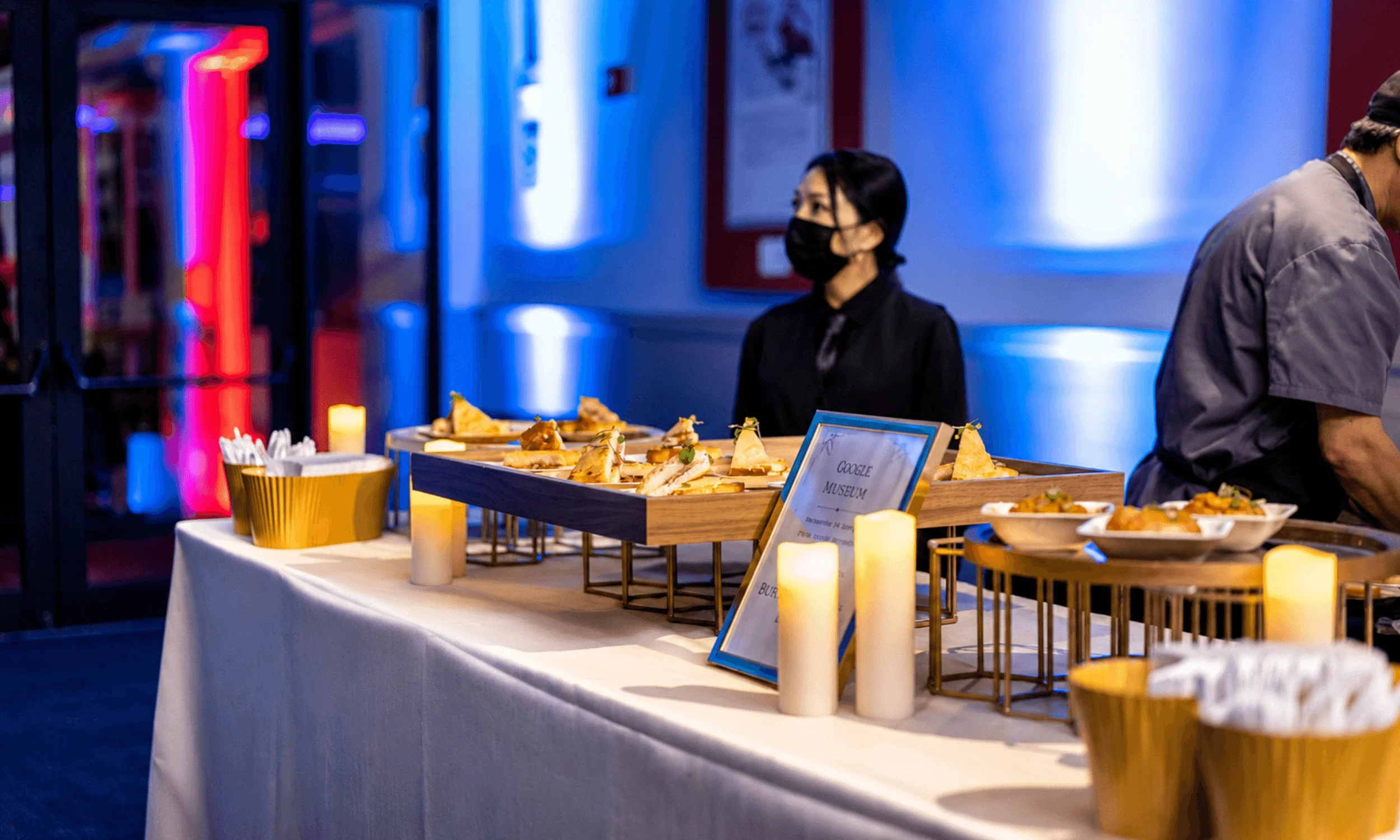
Conference mornings rarely bring everyone to breakfast at the same time. Some guests settle in with coffee before the first session. Others arrive closer to the keynote and need something they can pick up quickly.
That mix calls for breakfast choices that work at different speeds. When exploring conference catering menu ideas, consider combining grab-and-go dishes with a small chef-attended station. Guests in a hurry can keep moving, while those with more time can stay, eat, and catch up with colleagues.
Grab-and-Go Breakfasts
Grab-and-go food works well when attendees need to eat on their way to a session. It also suits registration areas, where guests may already be carrying badges, bags, or laptops.
A strong selection might include:
Breakfast sandwiches with egg, vegetables, cheese, or plant-based fillings
Overnight oats with seasonal fruit, toasted seeds, and crunchy toppings
Yogurt and house-made granola with fruit compote
Savory pastries filled with vegetables, egg, or cheese
Chia puddings with fruit and toasted coconut or seeds
Fresh fruit for anyone looking for something lighter
Small baked goods paired with protein-rich sides
Breakfast Stations That Encourage Conversation
When the morning allows more time, a station can make breakfast more social. It also lets the culinary team prepare something warm or finish each dish as guests order.
For example, chefs could prepare breakfast bowls with grains, eggs, vegetables, herbs, and several finishing sauces. A toast station could pair fresh bread with savory and sweet toppings.
These stations work best when the choices remain focused. Guests can watch a dish come together, choose a few details, and continue their conversation without waiting long.
The two formats can also share the same breakfast service. Grab-and-go choices keep things moving, while a chef-attended station creates a natural place to gather. Together, they give guests options without turning breakfast into a complicated part of the morning.
Coffee Breaks and Snacks Between Sessions
Imagine 300 people leaving a keynote with 15 minutes before the next session. Some head straight for coffee. Others want water, something small to eat, or a few minutes to check their messages.
For short breaks, practical conference catering menu ideas center on small portions that guests can pick up quickly. The food should be easy to carry, easy to eat, and substantial enough to bridge the time between meals.
Options could include:
Seasonal fruit and roasted nuts for a lighter mid-morning choice
Vegetable crudités and hummus for something fresh and savory
Mini tea cakes alongside coffee and tea
Date, oat, and seed bites for a compact snack
Seasoned popcorn that guests can carry between rooms
Cheese, crackers, and fruit in small individual portions
Cookies with berries or citrus for an afternoon break
Infused water or aguas frescas alongside coffee and tea
The menu is only part of the setup. Where refreshments sit can change how people use a short break.
For example, water can live near session exits instead of sharing space with the coffee station. Snacks can sit farther into a common area, giving people room to stop without blocking a doorway.
It can also help to separate coffee from food when the space allows. Someone who only wants a refill should not need to move through the same area as someone choosing a snack.
With a short break, every minute matters. Good placement lets guests get what they want, catch up with someone nearby, and make it back to the next session on time.
Conference Lunch Ideas That Keep the Day Moving
Lunch brings most of the conference together at once. People want a substantial meal, but they may also want time to meet colleagues before afternoon sessions begin.
The most useful conference catering menu ideas for lunch offer different ways to serve that meal without taking over the afternoon. Depending on the program, that might mean an individual lunch, a flexible buffet, or food prepared at several stations.
Boxed and Individually Packaged Lunches
Individual lunches work well for shorter breaks, working sessions, or conferences spread across several rooms. Guests can pick up a complete meal and decide where they want to eat it.
A sandwich might come with a seasonal salad, fresh fruit, and a small dessert. Alternatively, an individually packed grain bowl could combine roasted vegetables, protein, herbs, grains, and dressing.
Clear labels make these lunches easier to navigate. Guests can identify ingredients and dietary choices before picking up a meal.
Buffet and Bowl-Based Lunches
When the program allows more time, a buffet gives people greater choice over what goes on their plate. Bowl-based menus are especially flexible because several dishes can share a common set of ingredients.
For example, grains and greens can form the base. Guests might then choose roasted vegetables, chicken, plant-based protein, fresh herbs, sauces, and crunchy garnishes.
This flexibility also makes bowl-based service useful for a corporate event catering menu, especially when a group includes varied dietary preferences.
Interactive Lunch Stations
Stations make sense when lunch has enough time for dishes to be finished as people order. They can also divide the menu across several parts of the room.
For example, one station might serve freshly assembled tacos, while another finishes noodles or composed bowls. Several interactive food stations can give attendees more choice without sending everyone toward the same dish.
For larger groups, each station should offer a focused selection. Too many decisions at the counter can slow service and create unnecessary waiting.
Whatever the format, lunch should leave room for more than eating. People can enjoy a satisfying meal, find someone they wanted to meet, and still reach the afternoon program on time.
Reception Food for Networking After the Sessions
Once the final sessions finish, people use food differently. They may meet a speaker, catch up with colleagues, or continue a conversation from an afternoon panel.
For receptions, conference catering menu ideas can include passed bites, grazing dishes, and small plates made for standing conversations. The goal is to give people enough to eat without constantly interrupting who they are talking to.
Passed bites work best in one or two bites. Think crisp vegetable tartlets, skewered proteins, small savory pastries, or compact bites served on individual spoons.
Stationary food can provide something more substantial. A seasonal grazing table might combine vegetables, cheeses, breads, dips, fruit, and savory accompaniments. Small composed plates can also give guests a fuller option later in the reception.
Variety matters here because people eat at different times. Someone may reach for food as soon as the session ends, while another guest might spend 30 minutes talking before looking for something substantial.
Service should follow that behavior. Experienced event staff can circulate passed bites, refresh displays, and help guests find what they need without interrupting conversations.
As the reception continues, the team can also watch what people are choosing. That allows staff to replenish popular dishes and keep later arrivals from finding a picked-over display.
Lunch brings people together around a meal. A reception works differently. Here, the food stays within reach while the conversation takes the lead.
Sample Full-Day Conference Menu for a Tech Event
It is easy to plan breakfast, lunch, and snacks as separate decisions. However, attendees experience them as one continuous day of eating.
When comparing conference catering menu ideas, look at that full sequence. Varying portion size, flavor, texture, and service style can keep each food break distinct from the one before it.
Here is one way the day could come together:
8:00 AM — Arrival breakfast: Warm egg sandwiches, yogurt with fruit and granola, pastries, coffee, tea, and fresh juice. The mix gives guests both quick and more substantial choices.
10:30 AM — Morning break: Citrus, roasted nuts, a small baked bite, coffee, tea, and infused water. Keep this break lighter because lunch is only a few hours away.
12:30 PM — Lunch: Grain bowls with greens, roasted vegetables, chicken, plant-based protein, sauces, fresh herbs, and a small dessert. This becomes the most substantial meal of the conference day.
3:30 PM — Afternoon break: Savory popcorn, berries, a small sweet, iced tea, and sparkling water. A mix of salty, fresh, and sweet choices changes direction from lunch.
5:30 PM — Reception: Passed savory bites, small composed plates, seasonal grazing dishes, and bite-sized desserts. The format shifts from a defined meal toward food guests can enjoy while talking.
This full-day conference menu builds toward lunch, lightens again in the afternoon, and becomes more social after the sessions. Each service has a different role, so the day does not feel like a series of similar spreads.
The agenda can change that balance. A later lunch may call for a more substantial morning break and a lighter afternoon snack. Likewise, an early reception may reduce how much food guests need late in the day.
“Not Sure How the Menu Should Come Together?
A conference day can move from early coffee to lunch, afternoon breaks, and an evening reception. Talk it through with Culinary Eye, and we can help shape a menu that fits each part of the day.”
Planning for Dietary Needs Without Creating a Separate Experience
Nobody wants to reach lunch and discover that their only option looks like an accommodation. Dietary choices work better when chefs plan them alongside the rest of the menu.
When considering conference catering menu ideas, start with dishes that naturally work for a wider range of guests. From there, the culinary team can adapt specific components for allergies, dietary preferences, or religious requirements.
A few principles help:
Build flexibility into the main menu. Vegetables, grains, herbs, sauces, and proteins can work across several dishes without making every plate identical.
Make plant-based dishes worth choosing. Vegan food should bring its own flavor, texture, and substance rather than imitate a dish with ingredients removed.
Use straightforward labels. Attendees should be able to identify suitable choices without asking a staff member about every dish.
Plan carefully for allergens. Preparation, storage, transportation, and service can all affect cross-contact. The team should account for those points throughout production.
Treat religious dietary requirements as part of menu planning. Halal and other requirements can influence sourcing, preparation, storage, and how food gets served.
Offer comparable choice. Someone eating gluten-free or vegan should still have a complete, appealing meal rather than one default alternative.
A well-planned menu can accommodate different needs without dividing the room into a main menu and a collection of substitutes. Guests simply find food they can eat and genuinely want to eat.
Bringing the Conference Theme or Brand Into the Food
Not every conference needs branded cookies or a logo on every surface. Food can connect with an event identity in ways that feel more specific to the gathering.
When considering conference catering menu ideas, look beyond the dishes themselves. Color, presentation, serving pieces, packaging, and familiar flavors can all carry part of the event story.
For a product launch, edible graphics might appear on a small dessert or packaged takeaway. Elsewhere, brand colors could come through garnishes, ingredients, or serving pieces rather than food coloring.
The physical setup can play a role, too. A custom-built food station might borrow shapes, materials, or visual details from the event while still serving a practical purpose.
However, a brand connection does not always need to be visual. A familiar snack or childhood flavor can reference an idea, audience, or theme without losing what people recognize about it.
Bringing these elements together also requires thinking beyond the menu. Through our event design work, Culinary Eye considers how food, presentation, materials, and the surrounding space relate to one another.
The strongest choices have a reason to be there. They connect with the event while giving guests something interesting to taste, notice, or talk about.
Culinary Eye and Tech Conference Catering in San Francisco
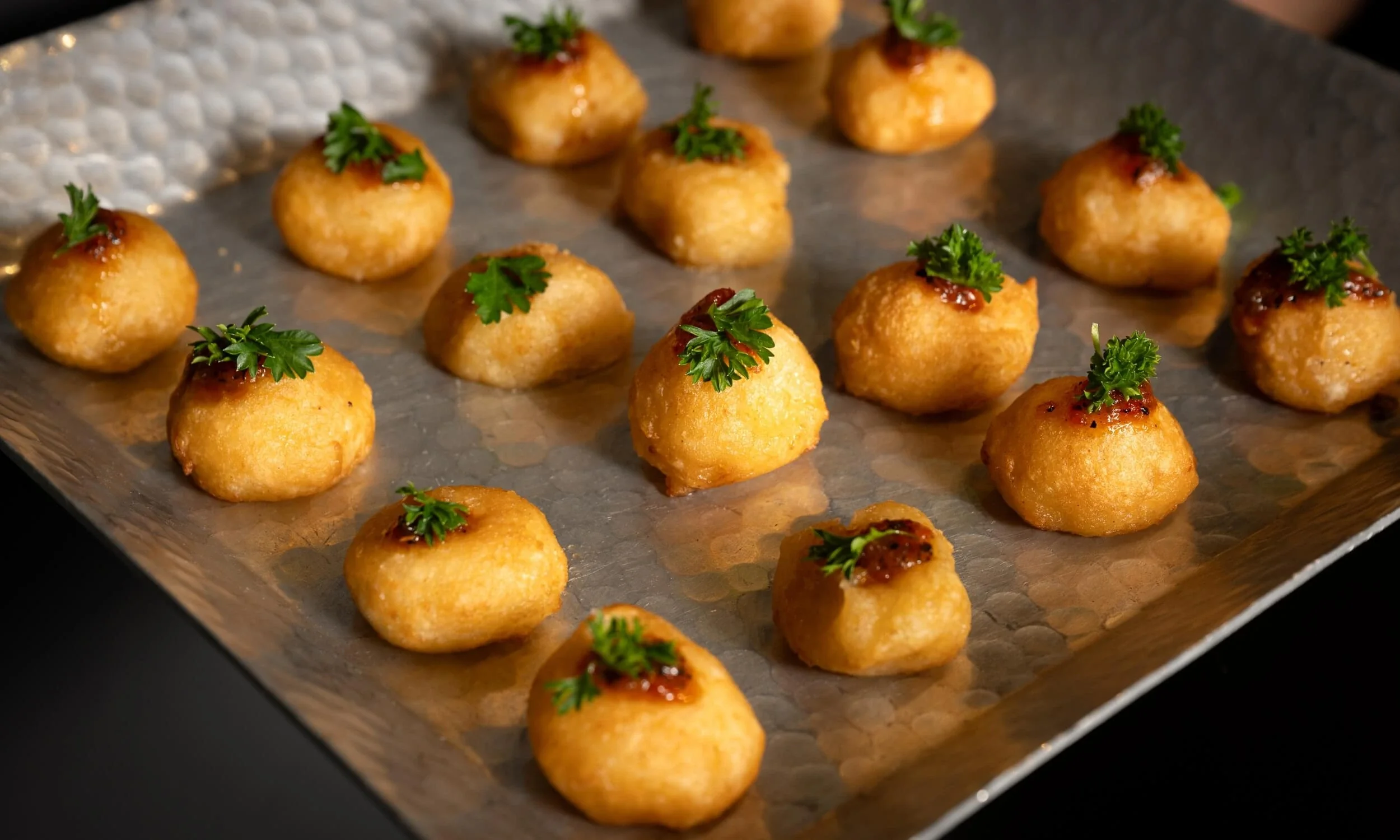
There are plenty of conference catering menu ideas to choose from. What matters is finding the ones that make sense for the people, place, and character of the gathering.
Culinary Eye brings food, design, and event experience together for conference catering in San Francisco. Our work across different catering venues has taken us into offices, galleries, warehouses, conference spaces, and less conventional settings.
Our experience with corporate catering also spans meetings, launches, celebrations, and large company gatherings. Across those formats, we listen first, cook with care, and shape the food around the people coming together.
For a tech or AI conference, that might mean keeping things simple or creating something guests have not encountered before. Either way, the menu should feel like it belongs at that particular event.
Frequently Asked Questions (FAQs)
How much food should you order per person for a conference?
The amount depends on the event length, menu format, and number of food services planned. A full-day conference may include breakfast, lunch, two snack breaks, and a reception. Portion sizes should account for the entire schedule. Guest count, dietary requirements, session timing, and whether each service replaces a full meal also affect quantities.
How far in advance should you book catering for a conference?
For a large conference, start speaking with caterers several months before the event whenever possible. More lead time helps with menu planning, staffing, rentals, dietary requirements, and venue logistics. Smaller conferences may need less time. However, popular dates and complex events can require earlier planning, especially in busy event markets like San Francisco.
How long should you allow for lunch at a conference?
Most conference lunches need about 45 to 60 minutes, although guest count and service style can change that timeframe. Individually packaged meals can support shorter breaks. Meanwhile, buffets and chef-attended stations usually need more time. If lunch also supports networking, additional time gives attendees a better chance to eat and connect.
What is the best way to serve food at a large conference?
Large conferences usually benefit from several places where attendees can access food. Multiple buffet lines, pickup areas, or focused stations can distribute guests throughout the available space. The best setup depends on headcount, venue layout, seating, menu complexity, and the time available for each meal.
What foods should you avoid serving at a conference?
Avoid foods that are difficult to carry, messy to eat, or slow to serve during short conference breaks. Large portions, complicated garnishes, and dishes requiring several utensils can also create problems. For networking periods, choose foods guests can eat comfortably while standing. Strong aromas may also distract people in enclosed meeting spaces.
How much does conference catering cost per person?
Conference catering costs vary based on the menu, guest count, service style, staffing, rentals, venue requirements, and event duration. A simple breakfast costs differently from a full-day program with lunch and a reception. Caterers usually need the date, location, headcount, schedule, and preferred service format to provide an accurate estimate.