
Conference Catering Schedule: How to Plan a Full Day of Service
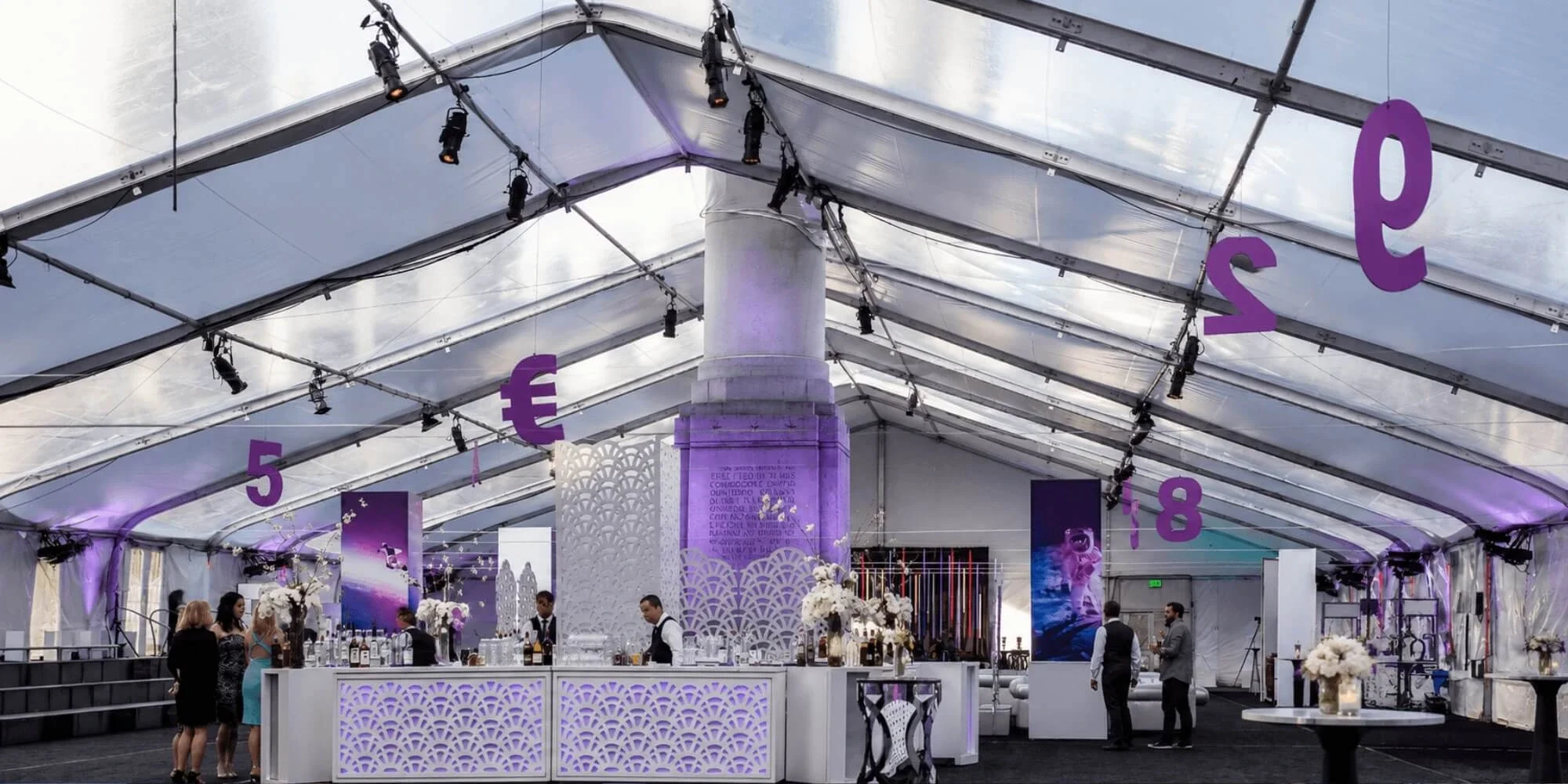
A keynote runs long, lunch sits ready, and hundreds of attendees still have another session before the break. Suddenly, fifteen minutes matters. A strong conference catering schedule connects food service with the pace of the day. It gives the catering team enough time to prepare while keeping meals and breaks aligned with the program.
At Culinary Eye, we plan catering for conferences around the way the program actually unfolds. That matters especially at AI conferences and tech summits, where keynotes, demos, meetings, and networking can fill every hour.
Here is how to plan catering from the first coffee through the final gathering.
Build the Conference Catering Timeline Around the Event Agenda
Start with the conference agenda, not a list of meal times. Your conference catering schedule needs to account for when attendees arrive, change rooms, take breaks, and leave.
Before assigning service times, map the parts of the program that affect catering:
Vendor access: Confirm when the catering team can enter the venue and begin preparation.
Attendee arrival: Note when registration opens and when the largest number of guests will likely arrive.
Opening session: Establish when breakfast service needs to end before the main program begins.
Session releases: Identify when keynotes, panels, workshops, and breakout rooms release large groups.
Demos and showcases: Note programming that may draw attendees away from scheduled food periods.
Lunch window: Confirm when lunch begins, how long attendees have, and when programming resumes.
Networking periods: Identify blocks where guests may spend more time around food and beverages.
Evening programming: Account for receptions, sponsor gatherings, or other events after the final session.
Event close: Confirm when service ends and when the catering team must clear the venue.
When considering conference venues in San Francisco, access times and operating rules can shape catering from the start. Comparing the catering schedule with the public agenda helps planners catch timing conflicts before event day.
Plan Breakfast Around How Attendees Arrive
Breakfast rarely begins with everyone entering the room together. Attendees may arrive gradually while collecting badges, checking coats, meeting colleagues, or finding their first session.
If registration opens at 8:00 a.m., breakfast may need to be ready before registration begins so early arrivals can eat without delaying the opening program. Food and coffee are then ready as the first attendees begin arriving.
Next, look at when the morning program begins and where attendees need to go. If the keynote sits on another floor, guests need enough time to finish breakfast and get there.
However, coffee may follow a different schedule from food. Attendees often return for another cup before the opening session or during an early networking period.
The team might therefore clear breakfast while keeping a smaller coffee station available. This serves later arrivals and returning guests without maintaining the entire breakfast setup.
Planning breakfast around both arrival and departure patterns gives attendees enough time to eat while keeping the morning program on track.
Conference Break Planning for Short Gaps Between Sessions

A 15-minute break disappears quickly once attendees start looking for coffee, food, restrooms, and their next session. Catering needs to make the most of those limited minutes.
For every break, establish what the team needs to serve and how quickly attendees need access to it.
Consider:
Break duration: Confirm how much time attendees have before the next session begins.
Expected demand: Estimate how many attendees are likely to seek food or beverages during that break.
Station readiness: Have food and beverages ready before attendees begin leaving their sessions.
Beverage access: Use enough service points to handle concentrated demand for coffee, water, and other drinks.
Snack format: Choose items guests can collect and eat without losing much of their break.
Restocking: Keep backup food, cups, condiments, and beverages close enough for quick replenishment.
Closing time: Know when service needs to stop so the catering team can move to its next task.
A morning break may draw heavier coffee demand, while a post-lunch break may call for something different. Plan each one according to its place in the day.
For especially short breaks, have service fully ready before the previous session ends. That gives attendees the entire break to use rather than making them wait for catering to catch up.
Give Attendees Enough Time for Lunch
Lunch often carries the greatest pressure on the conference catering schedule. Attendees need enough time to collect food, eat, and return without rushing.
Start by working backward from the next session. A 60-minute lunch period does not necessarily give attendees 60 minutes to eat; they also need time to leave sessions, walk to the dining area, queue for food, and return to the next session.
People still need to leave their sessions and reach the dining area. At a multi-track summit, some attendees may also travel farther than others. The conference meal schedule should account for those transition minutes.
Guest count matters as well. A 60-minute lunch for 100 attendees may require far less queue-management time than the same meal served to 500 or 1,000 people. The number of buffet lines, service stations, beverage points, and servers should reflect the expected demand.
Once you know the usable window, discuss it with the caterer. A shorter period may require faster service, while a longer one leaves more room for culinary interaction.
Before locking the schedule, walk the longest route from a session room to lunch. That simple check can reveal how much eating time attendees will actually have.
Match the Catering Service Style to the Schedule
The type of meal service can affect how much time attendees need. A buffet, plated meal, boxed lunch, food station, or grab-and-go setup can create very different queues and service speeds.
For short breaks, grab-and-go snacks and multiple beverage stations can help attendees get what they need quickly. A longer lunch may allow for buffet service, chef-attended stations, or a more involved dining experience.
Consider the guest count, room layout, available service points, and time between sessions before choosing the format. The best service style is one that fits both the menu and the amount of time attendees actually have.
Decide What the Afternoon Actually Needs
The hours after lunch can look very different from one conference to another. Some programs finish soon after lunch, while others continue through workshops, demos, meetings, and evening events.
That remaining schedule determines what the afternoon needs from catering. When building the conference catering schedule, consider the time since lunch and how long attendees will stay before eating again.
Consider:
Lunch timing: An early lunch may leave several hours before attendees eat again.
Program length: A longer conference may call for more than coffee later in the day.
Session format: Extended workshops or technical sessions can influence when a refreshment break makes sense.
Coffee demand: Estimate afternoon coffee separately instead of relying on what remains from the morning.
Evening plans: A reception soon after the final sessions may make a substantial afternoon offering unnecessary.
Attendance patterns: Some attendees may leave after lunch, while others remain through evening programming.
For full-day conference catering, the afternoon should make sense in the context of everything served before and after it. A lighter lunch may support a more substantial snack, while a later reception could call for something smaller.
Sometimes the right choice is simply fresh coffee, cold drinks, and a small bite. Matching the service to the remaining program keeps the afternoon useful without adding food just to fill a gap.
“Want to Put a Number to the Plan?
Once you have a date, guest count, and a sense of the day, we can start talking numbers. Send us what you know so far, and we’ll put together a quote based on the food and service you’re considering.”
Build Reset and Replenishment Time Into the Schedule
Guests see a station when it is ready for service. Between those moments, the catering team may need to clear, restock, prepare food, or change the setup.
Those working periods belong on the conference catering schedule alongside breakfast, breaks, and lunch. Giving the team enough time between services prevents one setup from interfering with the next.
Build time around these tasks:
Clearing: Remove used serviceware, remaining food, packaging, and waste once a service period ends.
Restocking: Refill beverages, cups, napkins, condiments, and other supplies before the next expected rush.
Station resets: Change serving pieces, signage, linens, or displays when the same area serves another purpose later.
Food preparation: Give culinary staff time to finish dishes that require onsite assembly, heating, or plating.
Equipment changes: Allow time to move or replace warming equipment, refrigeration, beverage equipment, or service pieces.
Room changes: Coordinate with production when furniture, staging, lighting, or audiovisual equipment also needs to move.
Team briefings: Give service leads time to review the next setup and communicate any relevant updates.
Before finalizing the conference catering schedule, consider how much work each changeover requires. Refreshing a coffee station takes less time and equipment than converting a lunch area for an evening reception.
More involved changeovers may require additional event staff, rentals, equipment, or onsite culinary work. As a result, the number and complexity of resets can also affect conference catering cost.
Plan for Sessions That Run Early or Late
Conference agendas look precise on paper. In practice, speakers take another question, technical issues cause delays, and sessions sometimes finish sooner than expected.
A realistic conference catering schedule needs some room for those changes. Start by identifying which service times can shift and which depend on narrower preparation or holding windows.
Coffee may wait several minutes without creating a problem. Hot food, chef-finished dishes, and other time-sensitive items may offer far less flexibility.
Early endings need consideration too. If a keynote finishes ahead of schedule, attendees may reach the catering area before food or staff are ready.
Next, give one production lead responsibility for communicating timing changes to the catering lead. This avoids conflicting instructions and gives the team a clear source of information.
Whenever possible, share changes before they affect service. Even a few minutes of notice can help the team adjust food, staff, or station readiness.
Build these communication points into the conference catering schedule before event day. Then the team already knows how to respond when the agenda stops following the clock.
Account for the Transition From Conference to Reception
The final session may end at 5:00 p.m., but the catering day may continue for several more hours. Tech conferences often lead into networking receptions, sponsor gatherings, or product showcases.
On the conference catering schedule, allow a defined transition between daytime programming and evening service. The length of that window depends on what changes before the reception begins.
Start with the guest list. Some receptions include all conference attendees, while others bring in clients, investors, partners, speakers, or invited guests.
Then consider where the evening program takes place. Moving to another room may happen quickly, while using the same space requires more time between programs.
The team may change as well. Bar service for the reception may require bartenders with different call times, while passed food may need additional servers.
Also account for attendees leaving sessions, collecting belongings, or moving to another part of the venue. The reception does not necessarily need to open the moment daytime programming ends.
Set the reception start time only after accounting for those factors in the conference catering schedule. This creates a more realistic handoff between the two parts of the event.
“Still Working Out the Details?
You don’t need to have every part figured out before talking with us. Tell us what you’re planning, and we can work through the food, timing, and setup together.”
Sample Full-Day Conference Catering Plan
Seeing the day in one place can make the timing easier to understand. This sample conference catering schedule follows a conference from morning registration through an evening reception.
| Time | Conference Activity | Catering Activity |
|---|---|---|
| 7:00 a.m. | Venue preparation | Catering team arrives and begins setup |
| 8:00 a.m. | Registration opens | Breakfast and coffee service begins |
| 9:00 a.m. | Opening keynote | Breakfast clears; coffee remains available |
| 10:30 a.m. | Morning break | Coffee, beverages, and snacks available |
| 11:00 a.m. | Sessions resume | Morning break service closes |
| 12:30 p.m. | Lunch | Lunch service opens |
| 1:45 p.m. | Afternoon sessions begin | Lunch service closes |
| 3:30 p.m. | Afternoon break | Coffee, beverages, and snacks available |
| 4:00 p.m. | Final sessions | Afternoon service closes |
| 5:30 p.m. | Conference sessions end | Reception setup continues |
| 6:00 p.m. | Networking reception | Evening food and beverage service begins |
| 8:00 p.m. | Reception ends | Clearing and breakdown begin |
The times here are examples rather than recommended service hours. A conference with multiple tracks, longer workshops, or separate reception spaces may need a different sequence. Use the sample as a working framework, then adjust each service period to match the actual program.
What to Confirm Before You Lock the Schedule
By this point, the service periods and working times should already be established. The final review makes sure every team has the details they need for event day.
Confirm:
Final agenda: Make sure the catering schedule matches the latest approved conference program.
Service times: Verify the opening and closing time for every breakfast, break, lunch, reception, and beverage service.
Catering call times: Confirm when culinary, service, and leadership teams need to arrive for their assigned parts of the day.
Venue instructions: Add the final loading location, entry procedure, access times, and onsite restrictions the team needs.
Service locations: Confirm the room, floor, or area assigned to each food and beverage period.
Key contacts: List the onsite leads for catering, planning, venue operations, and production in one place.
Vendor timing: Check arrival and collection times for rentals, equipment, beverages, or other outside services.
Schedule ownership: Identify which version is final and where every relevant lead can access it.
Distribution: Send the approved schedule to the people who need it before teams begin arriving onsite.
Keep one final conference catering schedule as the shared reference for event day. A clearly labeled version prevents outdated drafts from circulating among teams.
How Culinary Eye Plans Catering Around the Conference Day

At Culinary Eye, we look at the whole event before deciding how food fits within it. The conference catering schedule helps our culinary and service teams work alongside the program rather than apart from it.
From there, we consider how guests will encounter the food. That may lead to onsite finishing, an interactive station, an edible installation, or a custom presentation built for the setting.
We bring this approach to AI conferences and tech summits across San Francisco. Our experience also includes catering for product launches, galas, and company retreats, where food needs to respond to different audiences and formats.
Whatever the event, we listen first and develop from what we learn. Then we stay close to the work onsite, where good planning meets the people it was built for.
For Culinary Eye, conference catering comes back to something simple: serving good food at the right moment and giving people a reason to gather.
Frequently Asked Questions (FAQs)
What time should catering arrive before a conference?
Catering may arrive several hours before the first food service, depending on the menu, guest count, venue, and setup. Large events, complex installations, rentals, or onsite preparation usually require more lead time. Your caterer should set the final arrival time after reviewing the complete event plan.
How long should a conference lunch break be?
A conference lunch break typically needs 45 to 60 minutes, although the right length depends on the event. Attendees need time to leave sessions, reach the dining area, collect food, eat, and return. Large conferences or venues with long walking distances may need a longer lunch period.
How often should you serve food at an all-day conference?
Most all-day conferences provide breakfast or morning refreshments, lunch, and at least one snack or beverage break. Longer programs may also need an afternoon service or evening reception. The right frequency depends on event hours, meal timing, session length, and when attendees will eat next.
When should coffee be served at a conference?
Coffee is commonly available during morning arrival, the first scheduled break, and again in the afternoon. However, demand depends on the conference schedule and audience. Keeping coffee available after breakfast can also help when attendees arrive gradually or have meetings before the opening session.
What should be included in a conference run of show?
A conference run of show should include session times, speaker cues, breaks, meals, room changes, vendor access, technical checks, staffing milestones, and event transitions. It should also identify key contacts and responsibilities. Catering teams can use these timings to coordinate setup, food service, clearing, and other onsite work.
What should a conference catering schedule include?
A conference catering schedule should include venue access, catering setup, breakfast, breaks, lunch, beverage service, room changes, reset and replenishment periods, reception service, breakdown, staffing call times, and key contacts. It should also reflect the latest approved conference agenda so catering and production teams are working from the same timeline.