

Two events can have the same guest count and very different quotes. So, what makes the event catering cost change? The answer often lies beyond the menu.
Staffing, service style, equipment, timing, and venue needs all shape the final figure. At Culinary Eye, we consider these details alongside how guests will experience the food.
Understanding what goes into a quote makes it easier to plan your budget and compare options. This guide breaks down the factors that matter most.
How Is Event Catering Cost Calculated?
Caterers rarely calculate event catering cost with one standard formula. Food may carry a per-person price, while labor, rentals, transportation, and production are calculated separately. For more involved events, pricing also reflects what needs to happen before, during, and after service.
A catering quote commonly includes:
Food and culinary preparation: Ingredients are only part of the cost. Menu development, prep work, cooking, storage, and onsite finishing also require time and resources.
Service labor: Chefs, servers, bartenders, captains, and support crews may work throughout the event. Their hours often begin well before guests arrive.
Rentals and service equipment: Serviceware, glassware, linens, prep tables, refrigeration, ovens, and other equipment may need to come from outside the venue.
Transportation and logistics: Food, equipment, and staff need to reach the site safely and on schedule. Parking, loading restrictions, and travel can add time and coordination.
Beverage service: A bar may require bartenders, ice, mixers, glassware, tools, equipment, and setup beyond the beverages themselves.
Event production: Custom stations, displays, branded pieces, and food installations may require design and fabrication before onsite service begins.
How these costs appear on a proposal can vary by caterer. Some bundle several items together, while others price them separately.
The Main Catering Pricing Factors That Affect Your Quote
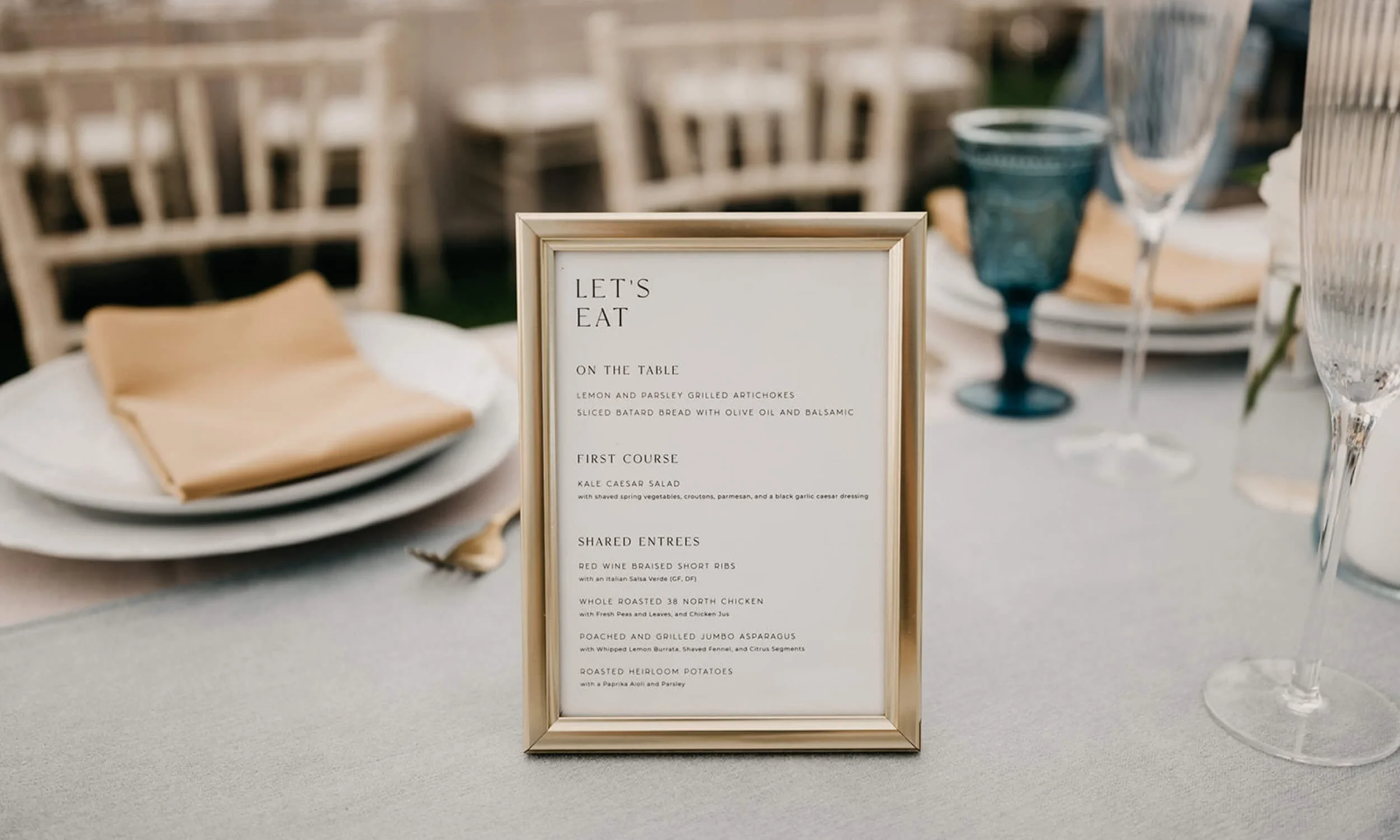
The main catering pricing factors come down to what you’re serving, how many people you’re feeding, and how the event unfolds. Each one changes the work behind the meal in a different way.
Guest Count
A larger guest list increases food quantities and the overall scale of production. However, the price does not always rise at the same rate as attendance. Some production expenses remain relatively stable across a range of guest counts. Because of that, adding 20 guests does not necessarily increase every part of the quote proportionally.
As a result, your event catering cost may increase with your guest count, but not at the same rate.
Menu Choices and Ingredient Costs
Ingredient choices influence the food budget, but preparation also plays an important role.
A composed plate with several preparations takes more kitchen time than a dish with fewer components. Likewise, specialty seafood, preium proteins, seasonal produce, and harder-to-source ingredients may increase purchasing costs.
Dietary accommodations may require separate ingredients or preparation areas. When allergies are involved, the kitchen may also need additional handling procedures.
With experiential catering, the menu has another role. Food may need to work within an installation, interactive station, or guest-facing preparation. In those cases, the team develops the food and its method of service together.
Service Style
How guests receive their food changes the work behind each service format.
A buffet depends on replenishment, serving equipment, and a layout that keeps guests moving. Meanwhile, a plated dinner requires coordinated cooking, plating, and table service.
Family-style meals bring different considerations. Serving vessels, table space, portioning, and replenishment all become part of the plan.
Interactive stations add another layer because food is prepared or finished as guests approach. The setup needs to support both the culinary process and guest interaction.
The event schedule can shape the service format, too. Corporate catering may move between meetings, breaks, and a reception. In comparison, wedding catering can span cocktails, dinner, dessert, and late-night food. Each format creates different food-service moments throughout the event.
Event Length and Timeline
Catering time does not always match the hours printed on an invitation. Different parts of an event may require food at different times.
Cocktail service, dinner, dessert, and late-night food can create several distinct service periods. Gaps between them also affect how dishes are prepared, held, refreshed, or finished.
A shorter event may still have a complex sequence. Conversely, a longer gathering with a simpler food schedule may require fewer transitions.
As the schedule takes shape, the event catering cost becomes easier to calculate. This is also why early estimates may change as the menu and event format become more defined.
“See What Your Event Could Look Like
Every gathering comes with its own menu, setting, and service needs. Share a few details with our team, and we can start shaping a quote around what you have in mind.”
How Catering Staffing Costs Change With Your Event
Catering staffing costs reflect the work required to run the event rather than a standard staff-to-guest formula. That labor forms an important part of the overall event catering cost.
A buffet, multi-course dinner, and chef-led station each place different demands on the service team. The number and mix of roles should follow those demands.
The team can include:
Chefs and culinary staff: They cook, plate, replenish, finish dishes, and monitor food throughout service. Guest-facing stations may keep chefs onsite for longer periods.
Servers: They pass bites, serve courses, clear tables, refresh settings, and respond to guests. The service format and room layout help determine the number needed.
Captains or floor leads: They coordinate service and communicate with culinary teams, planners, and other event partners. They also respond when the schedule changes onsite.
Bartenders: They prepare drinks, manage glassware, replenish supplies, and keep the bar organized throughout service.
Bussers and support staff: They clear serviceware, maintain work areas, move supplies, and help the team transition between parts of the event.
Setup and production crews: Larger stations and installations may need additional hands for assembly, placement, and breakdown.
The right event staffing plan accounts for both visible service and the work guests never see. That balance puts people where they are actually needed, rather than staffing solely by headcount.
How Your Venue Can Affect Event Catering Cost
A venue shapes the event catering cost because it determines what the team can do onsite and what they need to bring. A ballroom with a working kitchen offers a very different starting point from a private garden or warehouse.
When planning catering in Woodside, events often take place at private residences and properties with expansive outdoor areas. These settings can make driveway access, distances between service areas, and temporary kitchen placement important parts of the catering plan.
Before service, a catering team may need to assess:
Kitchen access: Existing ovens and counters do not always make a space event-ready. The team also needs adequate preparation space, washing facilities, and cooking capacity.
Loading routes: Stairs, narrow entrances, elevators, long pathways, and distant parking can add time to both setup and breakdown.
Power and water: Some locations lack the utilities needed for cooking or service. Temporary equipment may fill those gaps.
Refrigeration: Food must remain safely stored throughout preparation and service. Additional cold storage may be necessary when the venue has limited capacity.
Outdoor conditions: Heat, rain, wind, and uneven ground can change station placement and equipment choices. A backup layout may also become part of the plan.
Property or venue rules: Some locations restrict flames, cooking equipment, delivery windows, noise, or waste removal. The team must design service around those rules.
A site visit often answers questions that a floor plan cannot. It can reveal a steep loading route, limited power, or a kitchen suited to daily use rather than events. Catching those issues early gives the team time to plan around them instead of solving them during setup.
What Additional Costs Can Appear on a Catering Quote?
Your event catering cost may include expenses beyond food and core staffing. Rentals, bar service, transportation, taxes, and other costs may appear separately, depending on how the caterer structures the proposal.
You may see costs for:
Tabletop rentals: Plates, flatware, glassware, napkins, and serving pieces may come from rental partners. The menu and service format determine the selections and quantities needed.
Equipment rentals: Ovens, burners, prep tables, refrigeration, warming equipment, and other production pieces may appear as individual or grouped rental costs.
Bar service: Ice, mixers, glassware, tools, equipment, and bartenders can all affect the cost of bar service. The final amount depends on what you’re serving and how the bar will operate.
Transportation: Delivery vehicles, parking, travel, and timed load-ins may appear as logistical or transportation expenses.
Setup and breakdown: Caterers may include these hours within labor or price certain setup and production work separately.
Service charges: Some caterers add catering service charges to cover administrative, planning, or operational work associated with the event. What the charge covers varies by company, so the proposal should explain how it applies.
Gratuity: A service charge does not automatically count as gratuity for staff. Policies vary, so check how the caterer handles both.
Taxes: Applicable taxes depend on the location and the products or services included in the proposal.
Knowing which expenses sit outside the base food and staffing price can help you account for the full cost from the start.
“Bring Us Into the Planning
A venue, service plan, and guest experience work best when considered together. Tell us what you’re planning, and we can talk through the details that matter for your gathering.”
How to Build a Realistic Event Catering Budget

A useful event catering budget starts with deciding which parts of the food experience matter most. Rather than spreading your budget evenly, identify where you want to create the strongest impression.
For one event, that may be cocktail hour and passed bites. For another, dinner may deserve more attention. An interactive dessert station could also take priority over adding another formal course.
Once those priorities are clear, you can make more informed tradeoffs:
Start with the experience you want to protect: Identify the parts of the menu or service you would be least willing to change. Build other decisions around them.
Adjust the format when needed: Changing how food is served may free up budget without changing the menu itself. A simpler service format can sometimes preserve more important culinary choices.
Be selective with interactive elements: Chef-led stations and guest participation work best when they contribute something meaningful. Not every course needs an interactive component.
Concentrate customization: Instead of customizing every food station, choose one or two places where a tailored element will have the most presence.
Plan for changes: Guest counts, schedules, and other details often shift before the event. Keeping some flexibility in the budget gives you room to respond without reworking the entire plan.
Budget conversations become much more productive when you know what you are willing to change and what you want to protect. That gives the catering team room to suggest alternatives without losing the parts of the experience you care about most.
A Different Way to Think About Catering
At Culinary Eye, we start with a simple question: how should people experience the food? The answer might lead to chefs finishing bites in front of guests, an edible installation built for sharing, or a familiar flavor presented in an unexpected way.
Our work often brings food, interaction, and event design into the same conversation. Because every concept asks something different of the team, the event catering cost reflects what it takes to bring that experience to life.
Whatever we create, the food still needs to taste good, work naturally in the space, and give people a reason to gather around it.
Frequently Asked Questions (FAQs)
How much does catering cost per person?
Catering costs per person vary based on the menu, service style, event size, location, and level of service. Per-person pricing may cover food only or include some service elements. Always check what the quoted rate includes before using it to plan your event catering cost.
What is a typical catering service charge?
A catering service charge is a fee that may cover administrative, planning, or operational work associated with an event. The amount and purpose vary by caterer, so your proposal should explain how the charge is calculated and what it covers.
Does a catering service charge include gratuity?
Not necessarily. A catering service charge and gratuity are often separate, although policies vary between caterers. Ask whether any portion of the service charge goes directly to event staff before adding gratuity or calculating your final payment.
Is buffet or plated catering more expensive?
Plated catering often requires more coordinated table service, while buffets may need additional serving equipment and replenishment. However, neither format is always more expensive. Menu choices, guest count, staffing needs, and the venue ultimately determine the difference.
What should I ask a caterer before booking?
Ask what the quote includes, how staffing works, which rentals you need, and how the caterer handles dietary restrictions. You should also discuss bar service, venue needs, guest-count changes, cancellation terms, overtime, service charges, gratuity, and payment schedules.