
Interactive Cooking Classes: Why They Work Better Than Watching Cooking Videos
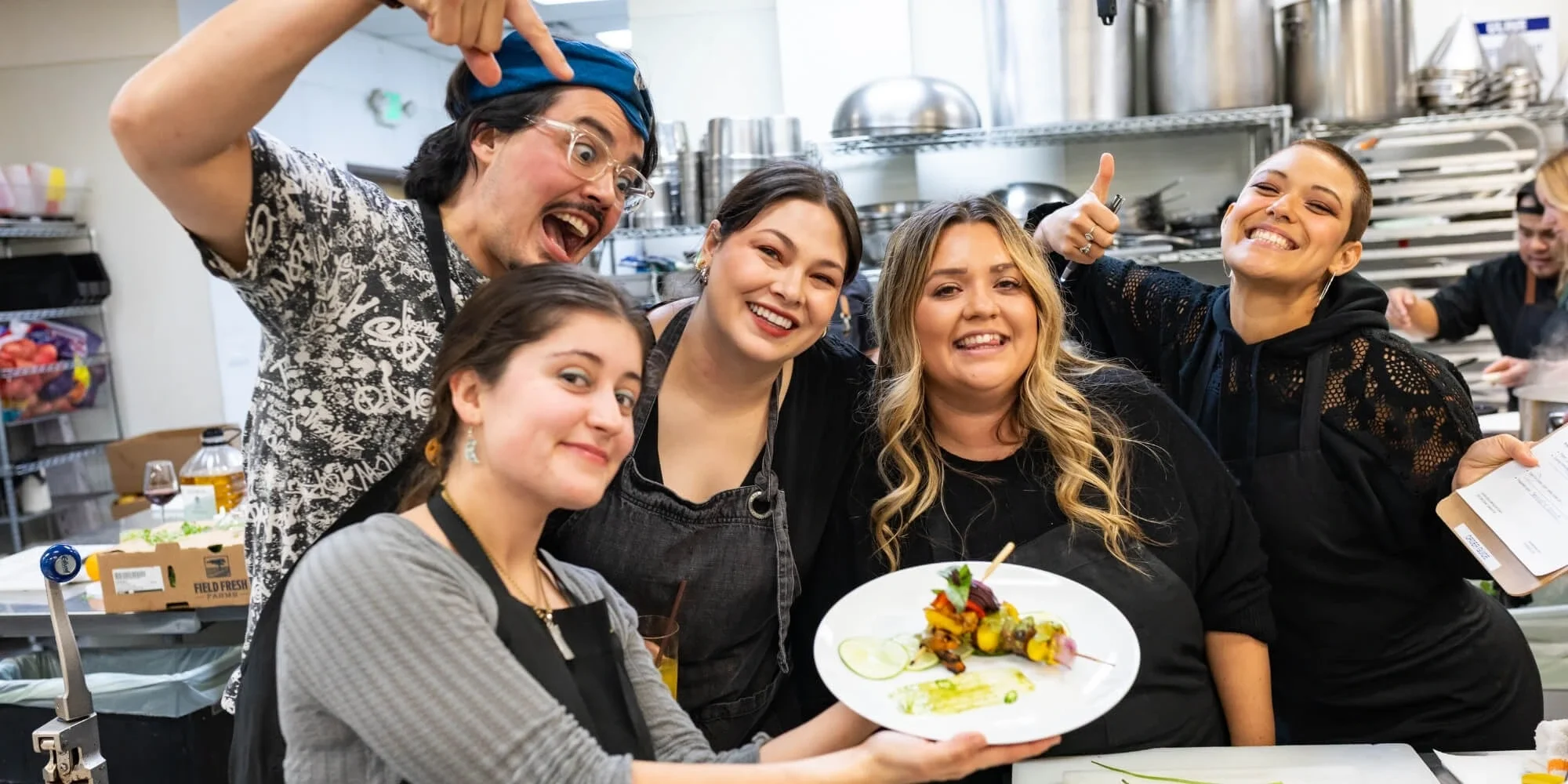
Cooking teaches us something each time we pick up a knife or step toward a stove. At Culinary Eye, we see this unfold every day through our interactive cooking classes, where people learn by doing rather than watching. Many home cooks start with videos because they feel convenient, yet the gap between observing and cooking becomes clear once you try a recipe on your own. This is why more people look for in-person learning that brings cooking into a real kitchen, with real ingredients, and real support. Educational research has consistently shown that active participation helps people retain skills more effectively than passive observation, making practical experience an important part of learning. The way we learn matters, and the setting shapes how fully those lessons stay with us.
What Makes Interactive Cooking Classes So Effective
Interactive cooking classes keep people engaged because movement, conversation, and observation all become part of the lesson. The conversations, demonstrations, and practice often teach as much as the recipe itself. Before exploring other differences, it helps to understand what happens in these classes and why the learning feels so natural.
Hands-on Learning Builds Real Cooking Skills
Guests follow a pace shaped by real cues rather than fixed video timestamps.
Skills develop through texture, sound, and aroma instead of guesswork.
Mistakes become part of the process because chefs help adjust them immediately.
Real-Time Chef Feedback Helps Guests Improve
Chefs catch small details that videos often blur.
Feedback arrives right when people need it.
Questions shift the class in helpful ways and deepen understanding.
Shared Cooking Experiences Build Confidence
Watching others try new tasks removes pressure.
The kitchen atmosphere encourages steady progress.
Small group successes reinforce individual growth.
Why Hands-on Cooking Lessons Stay With You
Repetition anchors skills that return easily at home.
Sensory cues become reliable guideposts.
Doing the work removes hesitation and builds self-belief.
Every interactive cooking class gives guests the opportunity to practice techniques, ask questions, and build confidence in a supportive environment. Culinary Eye designs interactive cooking classes around this flow so people learn through real connection, not passive observation.
Why Interactive Cooking Classes Go Beyond Watching Videos
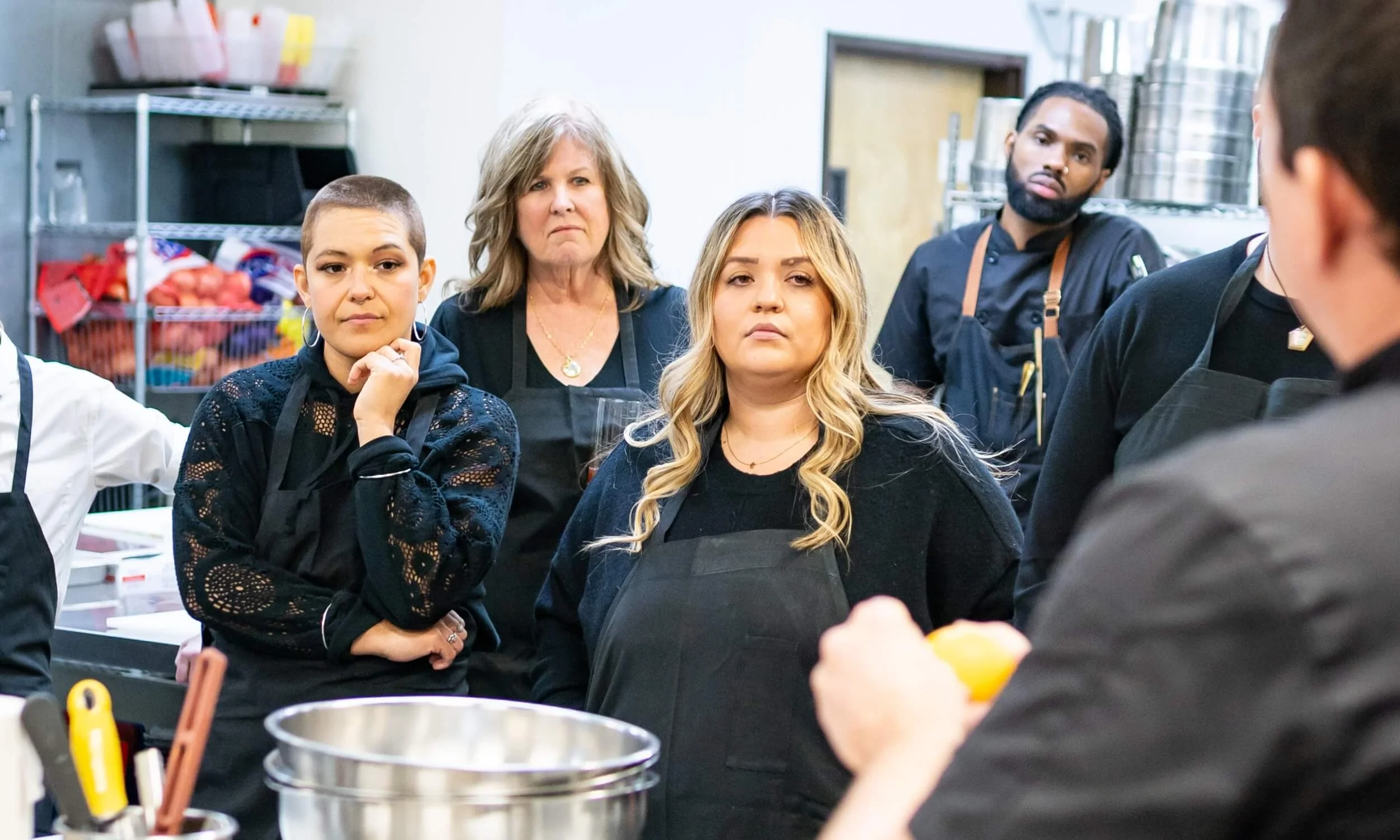
Online videos make learning feel accessible, but they keep you at a distance from the work. Once you cook in a real kitchen, the experience shifts. In-person classes give you space to try things as you learn, so the differences become clear as soon as you start cooking.
Videos offer demonstrations, while classes offer true participation.
Videos keep a fixed pace, while classes shift based on the group.
Videos rely on visuals alone, while classes include full sensory learning.
Videos offer no feedback, while classes allow direct questions.
Videos pass along ideas, while classes build skills that stick.
Because of these differences, many cooks choose interactive cooking classes when they want deeper knowledge. They gain confidence by practicing techniques in real time instead of simply watching someone cook on a screen.
“Find the Right Class for Your Budget
If you’d like to understand how pricing works for your group size and format, we’re happy to walk you through the options. ”
Cooking Together Creates Connection – Not Just Skills
Cooking takes on a different feel when people walk in with an existing bond. Colleagues, friends, and families settle in quickly because they already understand how to move around one another. As they chop, sear, or taste, they fall into small patterns—sharing tools, comparing steps, or offering a hand without needing to ask. These moments keep the room comfortable and focused without repeating anything covered earlier.
The table adds another layer. When a group sits down to enjoy what they made, the meal reflects the effort they shared throughout the class. That sense of doing the work together often shifts how people see the experience. It builds confidence too, because every dish carries proof of what they created side by side. This is why interactive cooking classes often stay with groups long after they leave. They learn something useful, and the time in the kitchen strengthens the connections they already have. For anyone planning a cooking event, that combination of shared participation and practical learning often leaves a stronger impression than a traditional group activity.
Choosing the Right Cooking Experience for Your Group
The best cooking experience often depends on how people want to learn and who they want to share it with. Some couples enjoy setting aside an evening to cook together, while others turn to online cooking classes for couples when work, travel, or distance keeps them apart. Parents may also explore online cooking classes for kids as a way to encourage confidence, creativity, and curiosity in the kitchen from an early age.
For those who enjoy learning through direct interaction, however, interactive cooking classes offer something different. Guests can ask questions, receive immediate feedback, and experience the sights, sounds, and aromas of cooking in real time. Beyond learning new techniques, they leave with shared memories and practical skills they can recreate at home.
How Culinary Eye Designs Interactive Cooking Classes
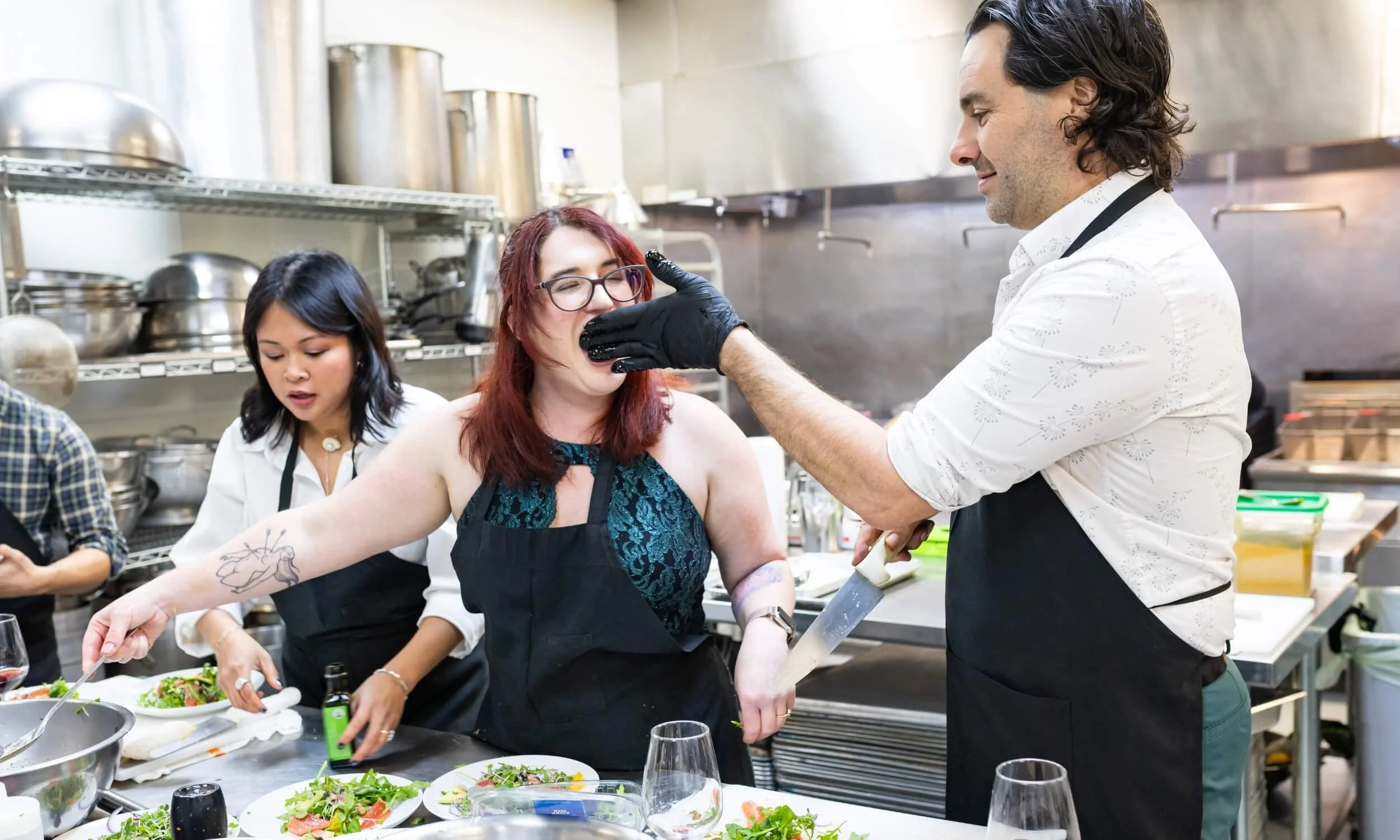
That belief shapes every class Culinary Eye creates. The team treats cooking as something people do together and approaches each experience with care for how guests move, talk, and learn in a shared space. Guests may come to strengthen their cooking techniques, yet they often discover something deeper. The kitchen becomes a place where they can taste, question, and explore with others.
The chefs guide the room with steady attention, helping guests feel capable from the first task to the last. Because the classes center on interaction, people leave with skills that feel comfortable and repeatable. They also leave with a memory shaped by the experience of cooking alongside others.
Culinary Eye's interactive cooking classes grow from this philosophy. They bring people into a working kitchen filled with stories and ingredients that invite curiosity. The team builds each class as a conversation, not a lecture, so guests feel supported and involved.
That same philosophy extends beyond the kitchen. Alongside interactive cooking classes Culinary Eye creates thoughtfully planned catering experiences for gatherings of all sizes, including corporate catering for team events, client functions, and company celebrations. Whether guests are cooking together or sharing a meal prepared by our team, the focus remains the same: bringing people together through food, conversation, and experiences that feel personal from beginning to end.
“Let’s Cook Something Together
If you’re thinking about cooking with your team, your friends, or your family, we’re always glad to help you picture what that could feel like. ”
Frequently Asked Questions (FAQs)
Do cooking classes work well for corporate teams or friend groups?
Yes. Interactive cooking works well for teams and friend groups because the activity keeps everyone involved without feeling staged. People talk, move, and cook together in a way that feels comfortable, making the experience equally valuable for colleagues, friends, and family members.
Are cooking classes suitable for beginners?
Yes. Most interactive classes welcome beginners because chefs guide each step in real time. Guests learn by doing, which helps new cooks feel more comfortable and supported as they work.
What should I expect from my first interactive cooking class?
You can expect a welcoming environment where chefs demonstrate techniques, answer questions, and encourage everyone to participate at their own pace. Most classes include preparing multiple dishes, learning practical cooking skills, and sharing the finished meal with the group.
How long do in-person cooking classes usually last?
Most interactive classes run between two and three hours. This gives guests enough time to learn techniques, cook at a comfortable pace, and enjoy the meal they created.