
Cooking Event Planning: What Hosts Should Know Before Booking
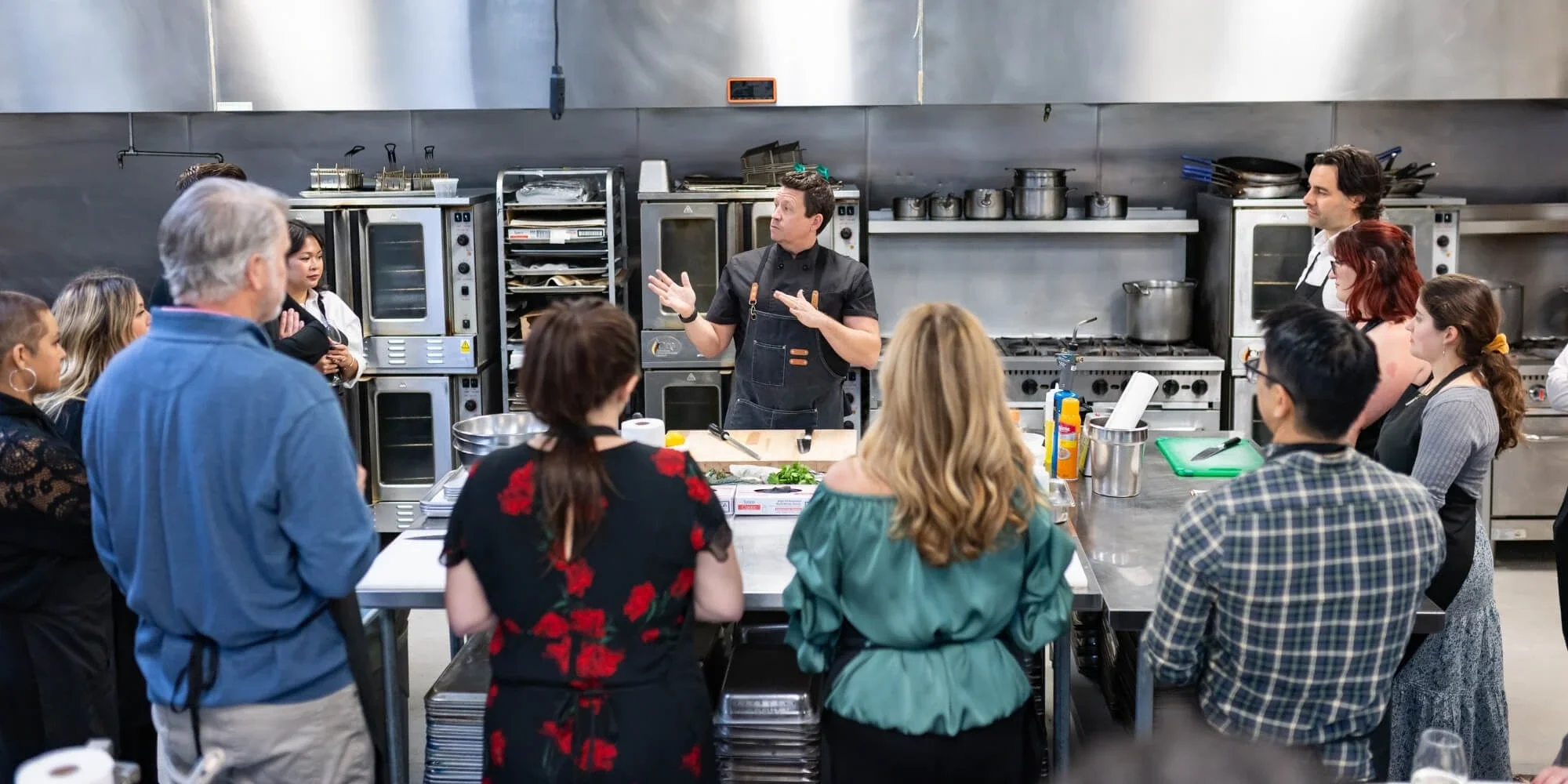
Cooking event planning starts with more than choosing a menu. Hosts need to think about group size, timing, participation, dietary needs, and the kind of experience they want guests to share.
For many companies, a cooking class offers something traditional meetings and team outings often can't. Preparing a meal together naturally encourages conversation, collaboration, and problem-solving, while giving people an opportunity to step away from their usual routines. The focus shifts from work to the experience of creating something together.
At Culinary Eye, we've seen how those moments unfold in the kitchen. Once the aprons go on and the cooking begins, coworkers start interacting in new ways. People ask questions, share ideas, solve small challenges together, and leave with a meal they created as a team.
This guide explores the key elements of thoughtful cooking event planning, from choosing the right format and preparing your team to creating an experience that's engaging, practical, and memorable.
How to Plan a Cooking Class Event: Begin With Your Team's Intent
Effective cooking event planning starts with one simple question: What do you want this day to do for your team?
Maybe you want a break from long project cycles. Maybe you want clients to see another side of your group. Maybe you just want everyone in the same room without a slideshow. Whatever the reason, naming it helps you choose the right format and pacing. It's one part of cooking event planning that always pays off.
Teams move with purpose when they know why they're gathering. That doesn't mean the event becomes structured or serious. It just gives the experience a backbone. Once the goal is clear, the rest of the decisions stop feeling like guesswork. The team at Culinary Eye takes it from there.
What to Expect From a Corporate Cooking Event
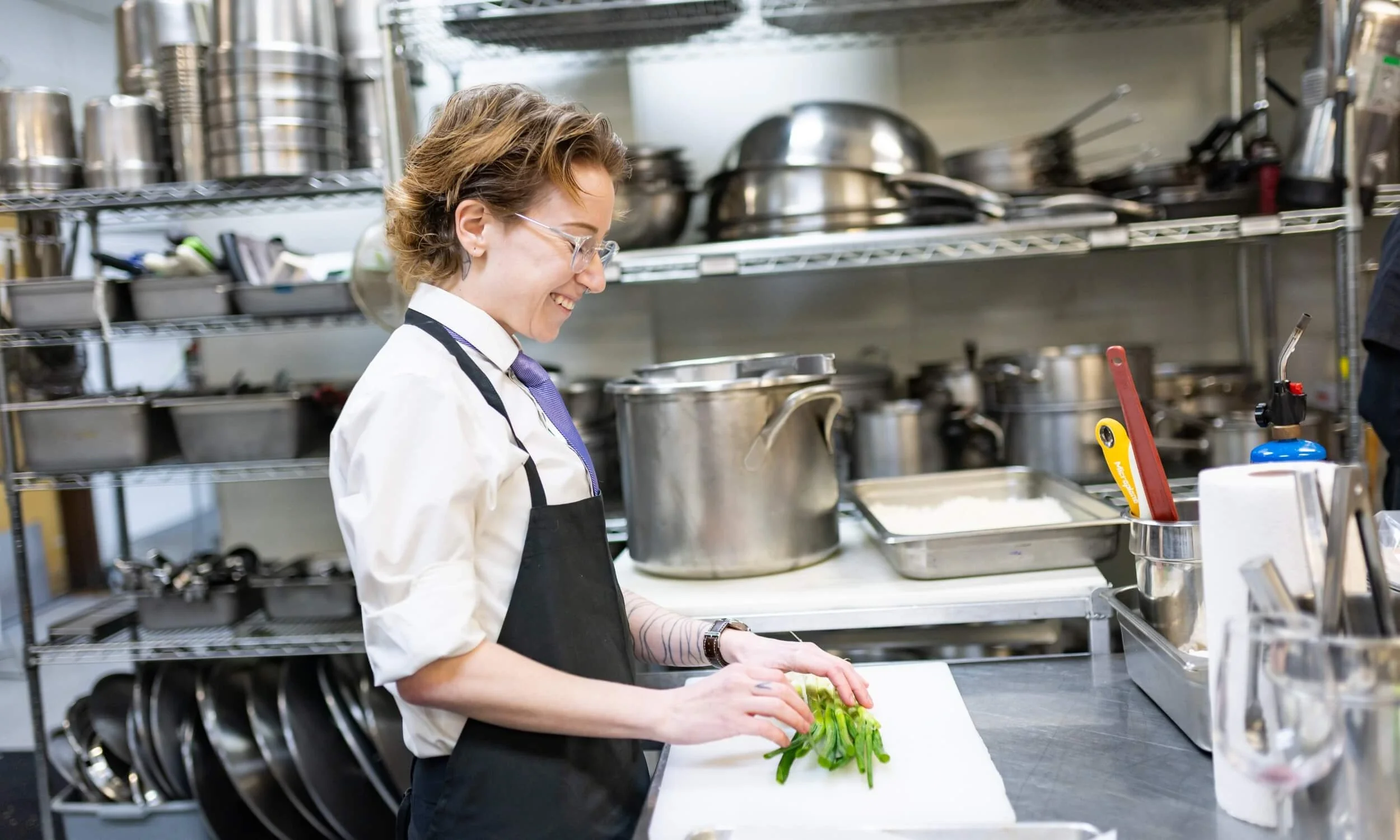
Before choosing a format, most hosts want to know how the day unfolds.
Here's how the experience moves:
A grazing board waits near the door, because people always arrive hungry.
A chef leads the room with clear direction.
Tools and ingredients are already set, so the team can get straight to cooking.
The tasting room gives the group a comfortable place to gather between steps.
The final meal is plated and enjoyed together.
Recipes go home with the group so the dishes don't disappear the next day.
Dietary needs fit into the plan when we know them ahead of time.
This rhythm gives teams something to hold onto without boxing them in. People follow the steps, ask questions, taste, improvise, and gradually settle into the experience together.
“Plan a Class That Fits Your Team
If you’re figuring out what this kind of cooking event should look like, we’re happy to walk through the options with you. We build each class around your team’s pace, interests, and comfort level.”
Cooking Event Ideas for Different Team Styles
Once hosts understand the flow, they can choose the style that matches their team's energy. Many teams get curious at this point in the cooking event planning process because the options shape the atmosphere.
Different teams enjoy different kinds of cooking experiences. The best cooking event ideas depend on the group's size, goals, and how interactive you want the event to be.
Formats include:
Hands-on cooking classes that let people jump straight into technique.
Boards and tasting workshops for groups who enjoy flavor-focused play.
Creative builds like the edible nest for teams that like to experiment.
Small bites and mixology-style sessions that keep the room moving.
Because every group behaves differently, choosing a format that suits the team's pace and personality helps create a more engaging experience.
Questions to Ask Before Booking a Cooking Event
Before booking, hosts should have a few details in mind. These answers help shape the format, menu, timing, and level of participation.
Consider:
How many guests will attend?
Is the event for team building, client hosting, a retreat, or a celebration?
Do you want a fully hands-on class or a more relaxed tasting-style experience?
Are there dietary restrictions, allergies, or accessibility needs?
How comfortable is the group with cooking?
Do you want the event to feel structured, playful, educational, or social?
Will guests be standing and cooking for part of the event?
You do not need every answer before reaching out, but having a general sense of the group’s needs makes the planning conversation much easier.
Corporate Considerations: Planning for Team Dynamics
Teams bring their habits into the kitchen, and that's part of the fun. You see patterns shift fast, which is always interesting during cooking event planning. Some people take charge. Others hang back and watch. Cooking levels everything out. The tasks break into small steps, which means plenty of space for people to shift roles.
You'll notice who works fast, who asks questions, who wants the tasting spoon, and who decides they're suddenly very interested in plating. These small choices reveal dynamics you never see in conference rooms. They also give everyone an easy way to participate without pressure.
Good cooking event planning accounts for these moments. The chef leads the group, keeps things moving, and reads the room in real time. The goal isn't to turn people into perfect cooks. It's to give them a shared project that feels natural and engaging. When the team sits down to eat, they know they built something together—not because someone told them to, but because the work pulled them in.
Group Size, Timing & Location: What Hosts Should Know
Corporate hosts usually want the basics upfront. Practical details matter just as much as the menu. Knowing the timing, group size, and location helps hosts choose a format that fits their team.
Details at a glance:
Groups of 8–30 fit well, with room for bigger teams if needed.
The experience runs 2.5–4 hours depending on the format.
The tasting room and kitchen in West Oakland host the entire experience.
This information supports scheduling, travel planning, and any sign-off steps your team needs.
“Curious About Pricing for Your Team’s Class?
If you’re starting to explore options and want a sense of cost, our team can walk you through what shapes the pricing. We’ll look at your group size, menu interest, and timing so you get a clear picture before you plan further.”
Cooking as Connection – The Culinary Eye Approach
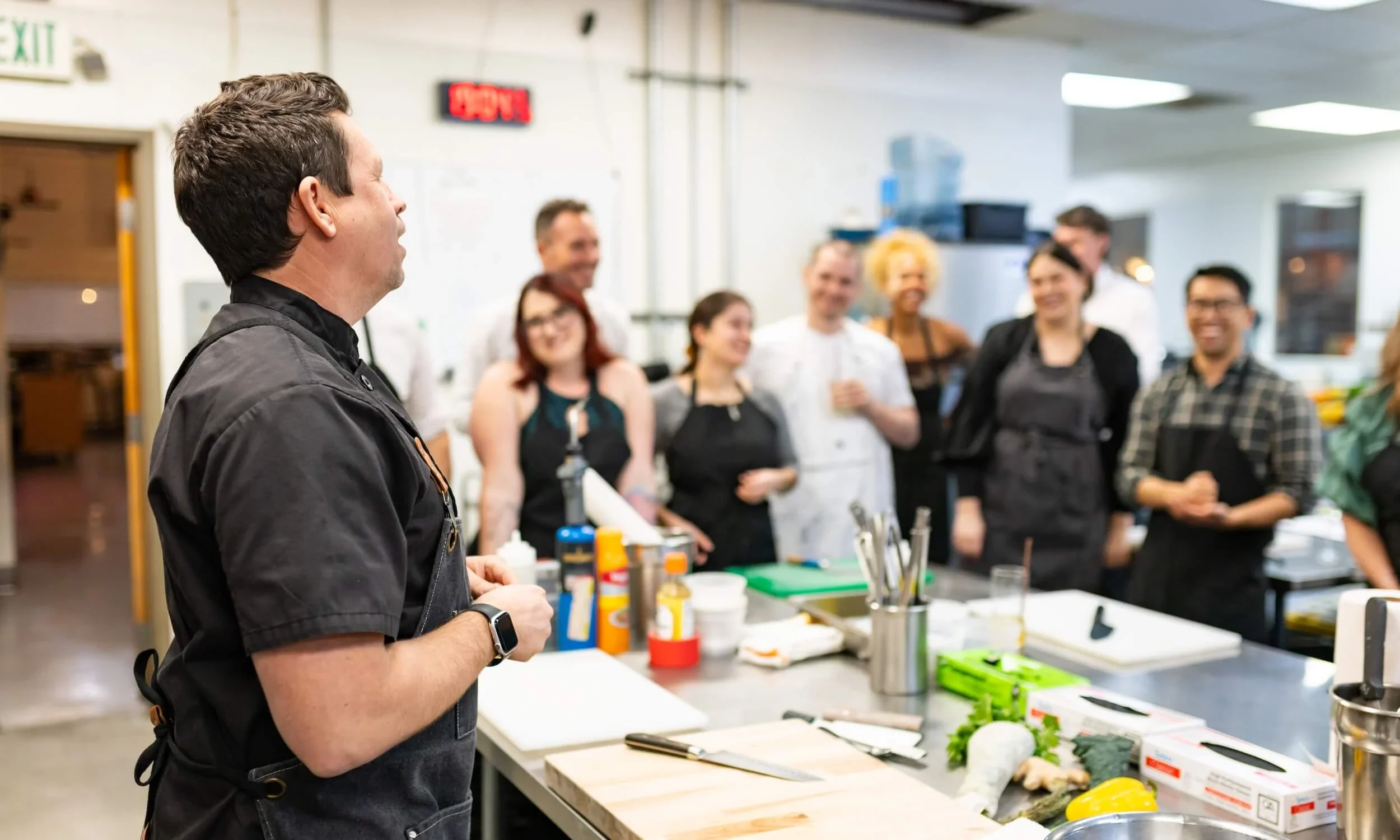
Cooking event planning always comes back to the cooking class itself. The room, the tools, and the shared work give teams a place to talk, move, and make something together. The goal is simple: give people a hands-on experience they can enjoy together.
We've spent years providing corporate catering, supporting conferences, offsite programs, and corporate retreats, and those experiences taught us what teams need when they gather.
That same perspective guides the way we build an immersive catering experience. We think about how food encourages conversation, how event design influences movement, and how the setting supports the group. When those pieces line up, it doesn't take long for the room to feel lively.
Culinary Eye uses food as a practical way for people to connect without forcing anything. Teams leave with small wins, new stories, and a meal they created together. And even after the aprons come off, the feeling of doing something side by side tends to stay with them. Thoughtful cooking event planning creates more than a meal. It gives teams an opportunity to connect, learn something new, and share an experience they'll remember long after the event ends.
Frequently Asked Questions (FAQs)
Are cooking classes good for team building?
Cooking classes are an effective team-building activity because they encourage communication, collaboration, and problem-solving in a relaxed setting. Everyone contributes to a shared goal, making it easier for colleagues to connect outside the workplace.
How long is a typical cooking class?
Most cooking classes last between two and four hours. The exact length depends on the menu, group size, and whether the experience includes a shared meal afterward.
What types of cooking classes are available for groups?
Group cooking classes can include hands-on cooking, baking, pasta making, sushi rolling, pizza making, grilling, seasonal menus, tasting workshops, and chef-led demonstrations. The best option depends on the group's interests and goals.
Can cooking classes accommodate dietary restrictions?
Yes. Many cooking classes can accommodate vegetarian, vegan, gluten-free, dairy-free, and allergy-conscious guests when dietary requirements are shared in advance.
What makes a cooking class fun for corporate teams?
A successful corporate cooking class combines approachable recipes, clear instruction, and opportunities for everyone to participate. Interactive activities and a shared meal help create a relaxed environment where teams can connect naturally.