
Corporate Catering Experience: Designing Events Around Food
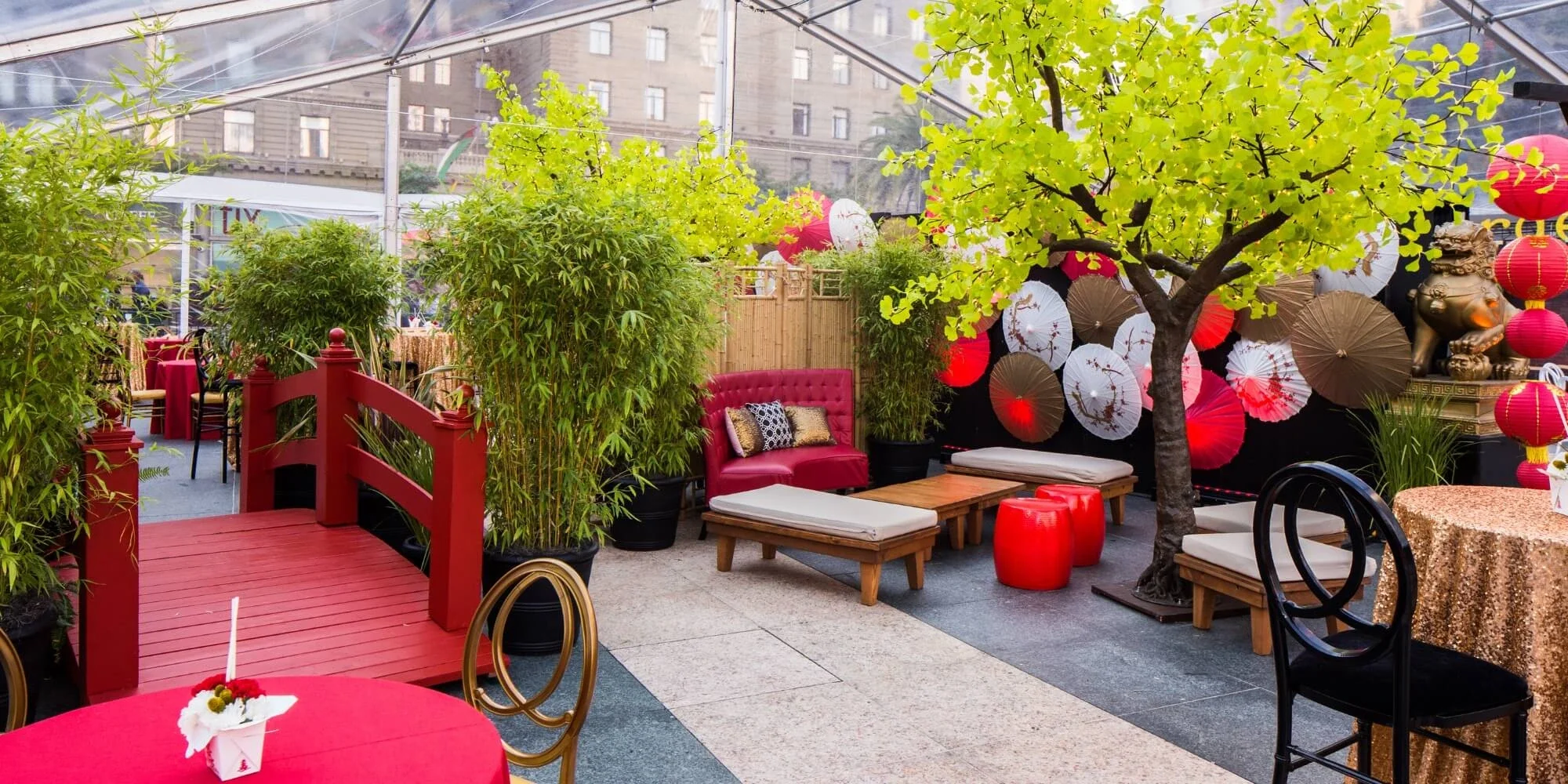
Many companies are rethinking how food supports their events. They want meals that influence the atmosphere rather than sit off to the side. They want guests to gather around something that feels sincere and well made. As these expectations shift, the corporate catering experience becomes more than a meal—it becomes part of the event itself.
A corporate catering experience combines food, service, and event design to support the purpose and atmosphere of a business gathering. When the menu, presentation, and guest flow work together, food becomes part of how people connect throughout the event.
At Culinary Eye, our corporate catering services begin with the food. From there, each menu, station, and interaction helps shape the rest of the event through thoughtful planning, creative execution, and close collaboration.
How Food Shapes the Corporate Catering Experience
Every project starts with ingredients. We study how they cook, how they hold warmth, and how they behave once finished onsite. Some elements need height and a firm base. Others sit better on cool stone or a narrow board. These small observations help us understand what the dish asks from the event.
From there, the corporate catering experience begins to form. A dish might suggest a taller station, while a garnish might call for a surface with more texture. When the menu leads the process, creative corporate catering becomes a natural extension of the food instead of a separate design choice.
“Find Out What Your Event Might Cost
Many teams like to understand pricing early, especially when they’re shaping an event around food. We base estimates on the menu, the scale of the gathering, and the kind of experience you want to offer. When you’re ready, we’ll talk through what makes the most sense for your group.”
Creative Corporate Catering That Invites Interaction
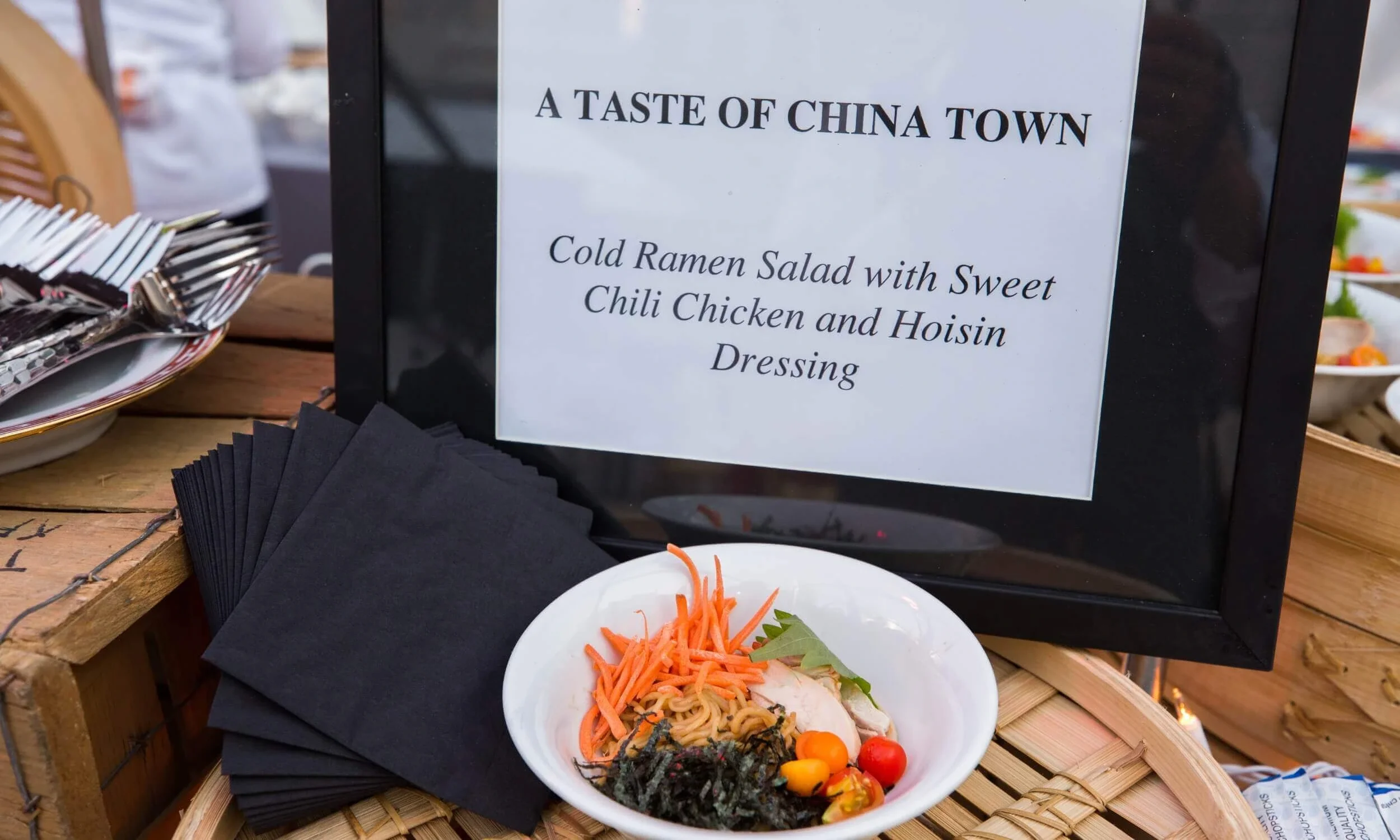
Interactive experiences center on connection. Guests stand close to the cooking and see the tools, motions, and small steps that bring each bite together. The aim isn't performance. It's everyday craft shared in a simple, welcoming way.
Elements we often build include:
Tasting counters where guests can watch a quick finish or final touch before a bite is served.
Warm dishes finished onsite, giving guests a clear sense of how heat affects flavor.
Edible structures arranged so people can step in without interrupting service.
Short, chef-led tastings that offer a brief look at technique.
Ingredient trays set up like kitchen prep, showing the pieces behind each dish.
These moments help guests feel connected to the work. Inviting people to engage with the cooking and presentation creates a more immersive catering experience without interrupting the flow of the event. Behind the scenes, thoughtful event staffing helps those interactions feel just as smooth as they are engaging.
Corporate Catering Menu Ideas That Shape the Event
The menu often influences more than what guests eat. It helps determine how people move through the room, where conversations begin, and how stations come together. Food often becomes one of the few shared experiences during a business event, making thoughtful menu planning an important part of the overall guest experience.
Some of our favorite corporate catering menu ideas include:
Chef-finished seasonal grain bowls.
Interactive taco or slider stations.
Locally inspired small plates.
Fresh pasta finished onsite.
Charcuterie and artisan cheese displays.
Seasonal dessert stations with live finishing.
Once the menu is established, we begin thinking about how it can shape the environment itself. A single ingredient might inspire a display, a seasonal installation, or a serving piece that reflects the dishes being prepared.
Presentation elements we often incorporate include:
Ingredient-forward displays that highlight the produce behind each dish.
Seasonal structures built from whole herbs or fruits.
Snack walls or hanging installations that invite guests to choose their own bites.
Color-driven builds inspired by the menu.
Custom handheld or wearable trays that bring food through the room.
These elements turn the corporate catering experience into part of the environment. The room grows from the same ideas that guide the meal.
Collaboration and Concept Development
Collaboration usually begins with the small things teams share about how they work together. In corporate settings, these details can be surprisingly telling. A story about a weekly stand-up, a team milestone, or a long-running inside joke often reveals more than a formal brief. We listen for those pieces because they help us build an event that feels natural to the group.
Once we gather those cues, we begin a working session where food and design overlap. We look at the dishes the team responds to and consider what those choices mean for the event. For instance, a comment about shared lunches or project kickoffs might inspire a passing moment or a dish meant for small groups to enjoy together.
Some teams arrive with clear themed catering ideas, often linked to brand colors, internal traditions, or the purpose of the gathering. Others come in with only a general mood they want the room to carry. We sketch, test, and refine until the direction feels settled. This stage strengthens the corporate catering experience by ensuring the food and the build reflect the team hosting the event—not a template or a trend.
Corporate Catering Lunch Ideas for Different Event Formats
Corporate gatherings vary in pace and purpose, so the menu should support how people spend their time together. Some events call for quick bites between presentations, while others leave room for longer conversations over a shared meal. Conference catering, for example, often calls for lunch formats that keep guests comfortable and engaged between sessions.
The best corporate catering lunch ideas balance freshness, convenience, and variety while fitting naturally into the schedule of the event.
Depending on the event, we often recommend:
Chef-finished grain bowls with seasonal ingredients.
Handheld sandwiches paired with fresh salads.
Interactive taco or slider stations.
Grazing tables designed for casual networking.
Individual lunch boxes with freshly prepared dishes for meetings or training sessions.
Choosing the right format helps the corporate catering experience feel comfortable, practical, and welcoming while keeping guests engaged throughout the event.
Adapting to Space, Format, and Guest Needs
Every venue brings its own constraints, so we study the room before making final decisions. The way we serve the menu often changes between catering venues, allowing each setup to suit the space rather than forcing a single approach. Some rooms work best with roaming bites, while others need a long station or several smaller builds.
Adaptation often includes:
Choosing formats that support the room's scale.
Resizing builds to fit corners, long walls, or narrow walkways.
Designing menus that match the length of the program.
Preparing for dietary needs with clear systems.
Using portable finishing tools to keep dishes consistent across venues.
These adjustments help the corporate catering experience feel smooth and welcoming in every environment.
“Plan a Meal That Fits Your Space
Every room asks for something a little different, and the menu often follows its lead. If you’d like to explore what could work for your team’s venue or format, you can reach out to us anytime.”
Creating Events People Remember
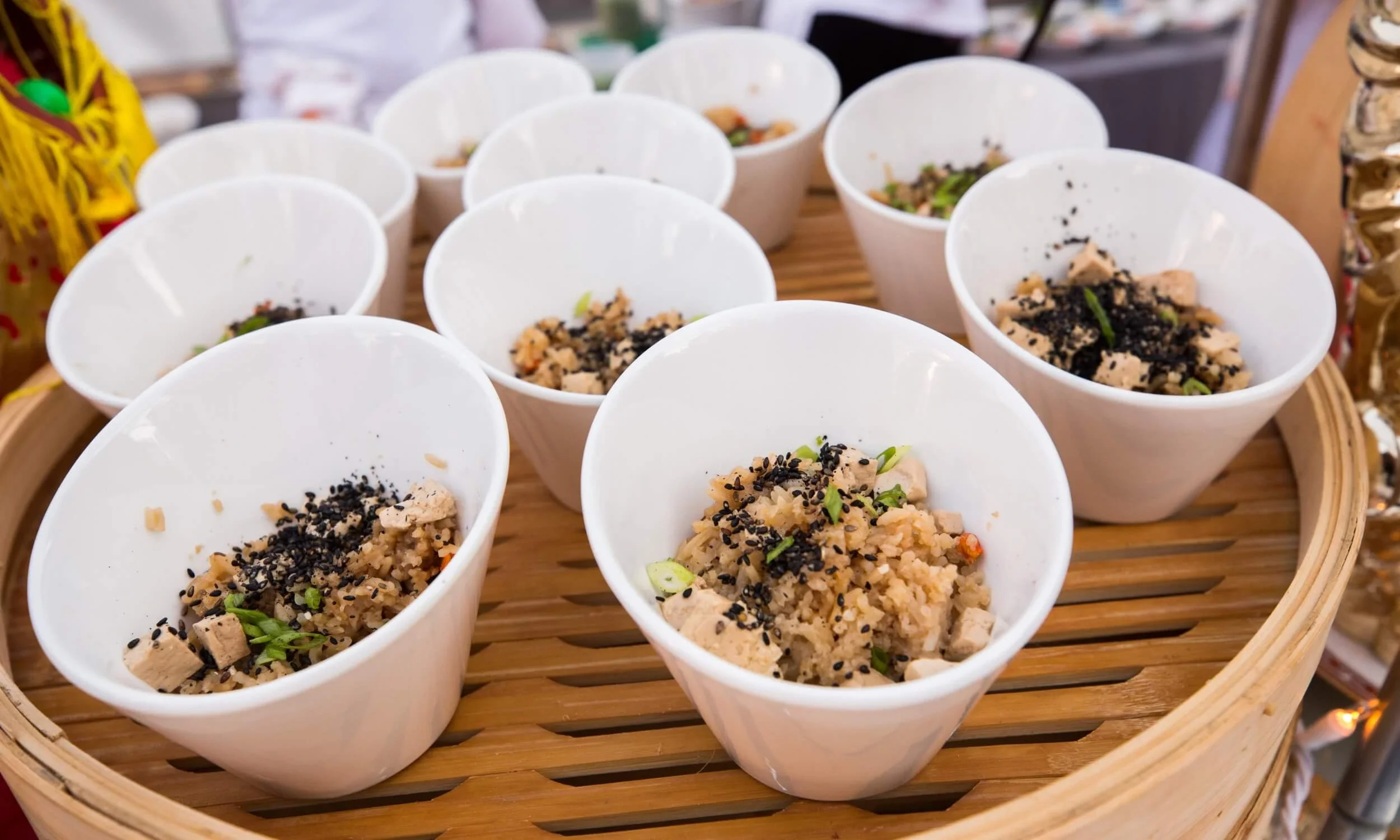
At Culinary Eye, each corporate catering experience begins with small observations—how a dish rests on a board, how a garnish behaves, and how guests approach a station. Those details guide the choices that follow.
As the event develops, the food influences the rest of the design. The layout supports how dishes are shared, and the serving pieces echo the ingredients in quiet ways. Nothing feels added on because everything starts with the meal itself. When food leads the design, guests settle into the room with ease, and the gathering feels more personal. It's a way of working shaped by years of cooking for people and noticing how they come together, and it continues to guide how we design every event.
Frequently Asked Questions (FAQs)
What should be included in a corporate catering menu?
A corporate catering menu should include dishes that suit the event schedule, guest preferences, and dietary requirements. Most menus feature appetizers, main courses, sides, desserts, beverages, and vegetarian, vegan, or gluten-free options to accommodate a wide range of guests.
What are the best corporate catering lunch ideas?
Popular options include sandwich and salad spreads, grain bowls, taco bars, hot buffets, grazing tables, and individually packaged lunches. The right choice depends on your event schedule, guest count, dietary preferences, and the level of interaction you want to encourage.
How do you plan catering for a corporate event?
To plan catering for a corporate event, determine your guest count, budget, venue, event schedule, and dietary requirements first. Then choose a menu and service style that fit the event, whether it's a working lunch, networking reception, conference, or company celebration.
How far in advance should you book corporate catering?
You should book corporate catering at least four to eight weeks before your event whenever possible. Larger conferences, holiday events, and customized catering experiences often require additional planning time to secure your preferred menu and event date.
What should you look for in a corporate catering company?
Choose a corporate catering company with experience serving business events, flexible menu options, reliable service, and the ability to accommodate dietary restrictions. It's also helpful to work with a caterer that can adapt to different venues and event formats while providing consistent food quality.