
Corporate Lunch Catering: Why Companies Prefer Local Teams
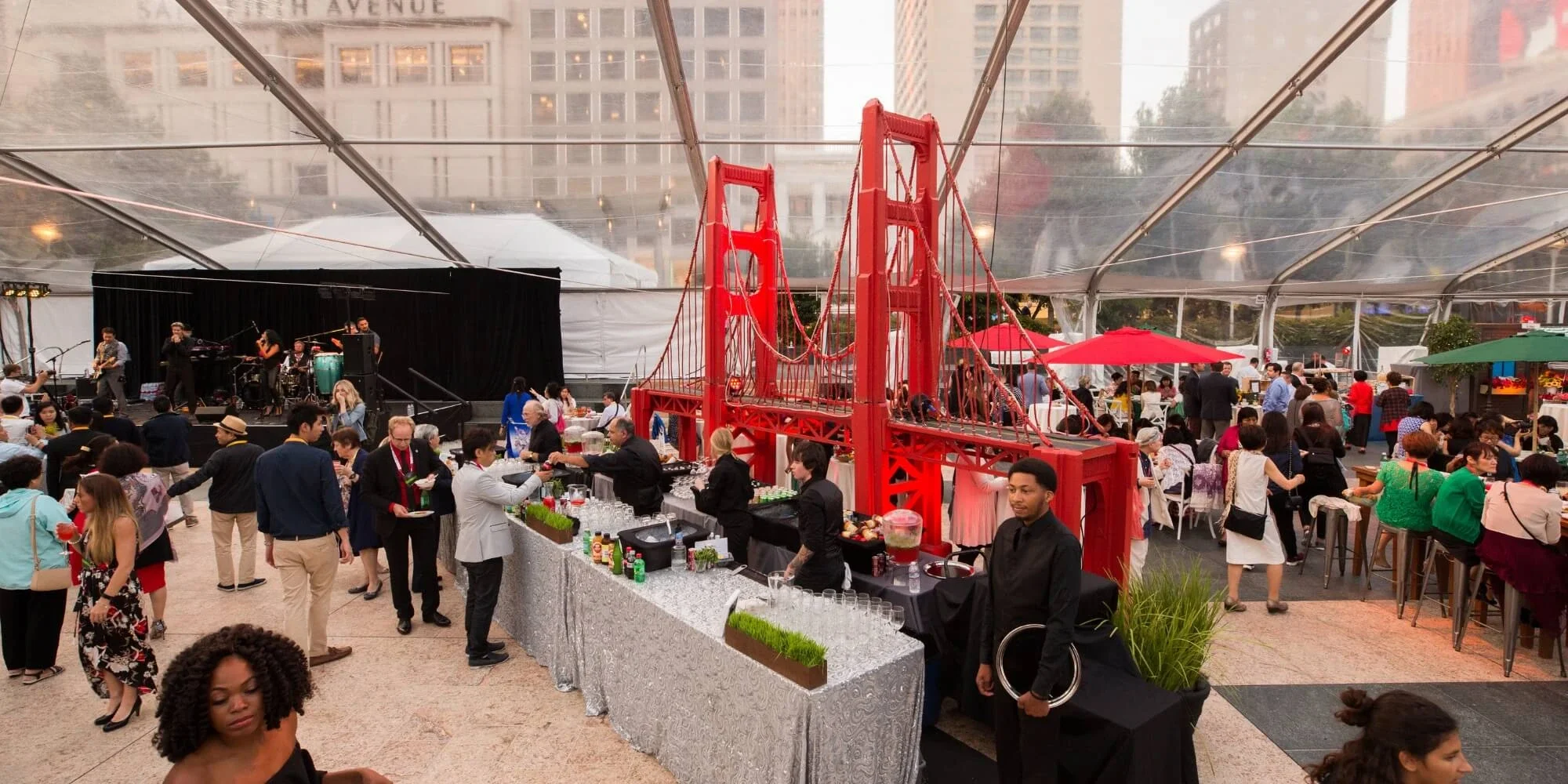
Every lunch event has a centerpiece. It might be a platter built around the season's best produce or a layout that draws people in before the first bite. Local kitchens understand these moments because they cook inside the same landscape as their clients. That connection is one reason corporate lunch catering often leans local—the food feels rooted and made for the room it enters.
At Culinary Eye, we approach each lunch with that same awareness. Our corporate catering services grow from the city we cook in and the way people gather here. We explore why local partners play such a natural role in workplace lunch gatherings and what that choice means for the meal itself.
What Companies Need From a Well-Run Lunch Event
Every workplace lunch has its own pace. People move in and out, and the room adjusts as the meal progresses. A well-planned corporate lunch catering service responds to that motion and keeps the event on track.
The menu plays an important role in that experience. A thoughtful corporate lunch catering menu does more than offer variety. Whether the focus is casual favorites or gourmet catering, it should reflect the pace of the event, accommodate different dietary preferences, and support smooth service from beginning to end.
Companies often want details like:
Clear timelines: A schedule that aligns with the program and stays firm.
Food that holds well: Dishes built to maintain flavor and temperature in real service conditions.
Straightforward notes: Labels that give guests confidence in what they're choosing.
Balanced menus: A selection that covers fresh, hearty, and middle-ground dishes without repeating a single idea.
Room-aware setups: Stations or platters arranged to help the room move rather than slow it.
Local knowledge: Staff who understand loading docks, entry points, and common bottlenecks.
Sustained attention: Experienced event staff keep the food in strong condition throughout the service window while helping the lunch run smoothly.
These elements help create lunch gatherings that feel organized, welcoming, and easy for guests to enjoy.
“Let’s Plan Your Next Lunch
If you’re organizing a lunch and want something guests can enjoy without fuss, we’re glad to help.”
Why Local Teams Matter for Corporate Lunch Catering

Local kitchens work inside the same landscape as the clients they serve. They know the farms, the markets, and the small producers who define the region. They also understand the daily patterns of the city—how long a drive actually takes, when buildings get busy, and how different neighborhoods move during the midday stretch. This awareness translates directly into better corporate lunch catering for events.
Here are the qualities many clients notice:
Menu agility: Local kitchens adjust dishes quickly when headcounts shift or the program changes.
Regional sourcing: Ingredients arrive from nearby growers, often harvested within a day or two.
Direct communication: Planning can happen with the people who cook the food, not through a distant system.
Practical route knowledge: Drivers know shortcuts, parking habits, and building routines.
Room-specific setups: Local teams design layouts that work with the actual space rather than a standard format.
Small-scale production: Food moves straight from the kitchen to the event without long holding times.
Consistent crews: The same people return for multiple events, which builds familiarity with the client.
Seasonal awareness: Menus shift in response to nearby farms and markets.
These strengths help local teams create workplace lunches that feel thoughtful, responsive, and connected to the communities they serve.
Local vs. National Catering Companies: Key Differences
Many companies compare local kitchens with national groups when planning corporate lunch catering. Each brings different strengths, and those differences often reveal which approach fits the event.
Here are the points that matter most in this comparison:
Menu development: Local caterers build menus from regional availability, while national groups often rely on broader templates.
Lead time expectations: Larger systems may require longer planning windows.
Crew structure: National operations rotate staff, while local kitchens often send small, familiar crews.
Delivery methods: Larger companies follow fixed routes, while local drivers adapt to real-time conditions.
Packaging: National groups use standardized materials, while local kitchens often customize based on the event.
Production scale: National providers prepare for volume, while local kitchens focus on smaller batches.
Adaptability: Local caterers can often respond more quickly when event timelines shift.
On-site presence: Local crews often remain closely involved from arrival through breakdown.
These differences become especially relevant for companies choosing a catering company for their next lunch event.
“Plan Your Lunch With Local Flavor
When a lunch reflects the region, the meal feels more connected to the people in the room. If you want to plan a gathering with that sense of place, we’d be glad to talk through the possibilities.”
How to Choose the Right Catering Partner
Selecting a partner for corporate lunch catering means looking past the menu. It's about how the kitchen functions, how the crew moves, and how the service supports the event.
Consider these points when choosing a partner:
Range of dishes: Ask how the caterer develops corporate lunch catering ideas that suit different team sizes, schedules, and event formats.
Communication habits: Notice how the caterer responds during planning.
Site awareness: Whether you're using an office, warehouse, or other catering venues, make sure the team has reviewed the space before planning the setup.
Tasting opportunities: Previews show how dishes behave in real conditions.
Adaptability: See how the kitchen responds to program updates.
Ingredient sourcing: Learn how they choose farms and producers.
Crew consistency: Ask who will be present on event day.
Event flexibility: Confirm they can support additional needs, such as corporate retreat catering.
These points help companies choose with clarity and build lasting relationships with a catering partner that understands their workplace and their goals.
How Culinary Eye Brings the Local Advantage
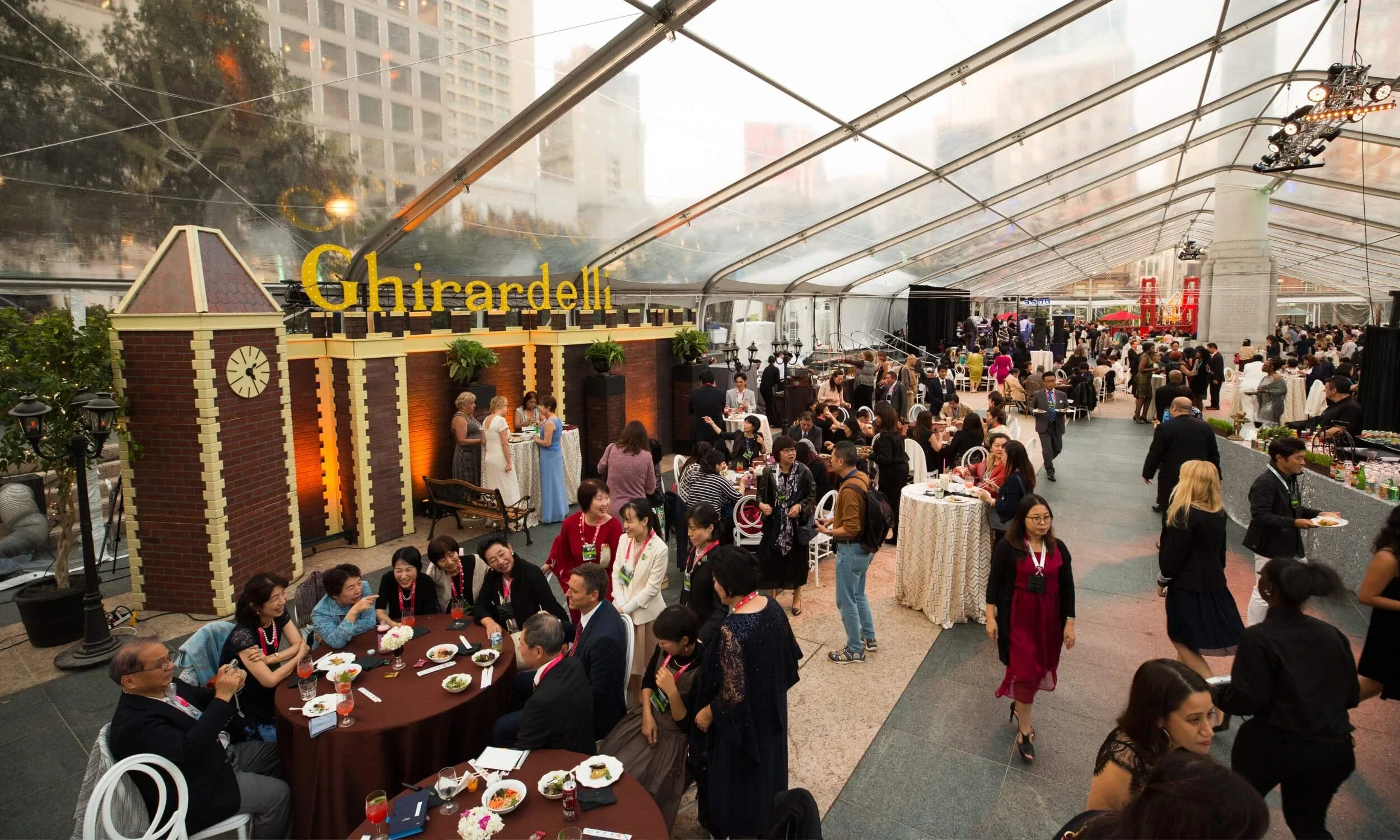
For corporate lunch catering, companies often look to local kitchens when they want food linked to the city, the season, and the people gathered. Local crews pay attention to the small cues—how the room will open up, how the meal will hold, and which ingredients feel suited to the occasion.
Culinary Eye works from that same vantage point. Our menus come from nearby growers and makers, and we build dishes with the timing and purpose of the lunch in mind. When a gathering calls for a station or a centerpiece, we combine thoughtful food with event design services to create an experience that fits the space and the mood of the event. The food and every element of the experience grow from the same idea, creating an experience that feels connected from start to finish. For organizations searching for affordable catering Bay Area options, this local approach offers the flexibility, seasonal ingredients, and thoughtful planning that help workplace lunches feel personal without losing sight of practical needs.
Local awareness, thoughtful design, and strong cooking come together to create meals that reflect both the community and the people gathered around the table.
Frequently Asked Questions (FAQs)
What should I look for in a corporate lunch caterer?
Look for a caterer with experience serving workplace events, flexible menu options, reliable communication, and a service style that fits your team's needs. It's also helpful to choose a partner familiar with your venue and event logistics.
How far in advance should I book corporate lunch catering?
For most workplace lunches, booking two to four weeks in advance gives enough time to finalize menus, guest counts, and event details. Larger events or busy seasons may require additional notice.
What should a corporate lunch catering menu include?
A corporate lunch catering menu should offer a balance of proteins, fresh vegetables, vegetarian options, sides, and desserts. Including a variety of choices helps accommodate different dietary preferences while keeping the meal cohesive.
Is it better to hire a local caterer or a national catering company?
The right choice depends on your event. Local caterers often provide more flexibility, regional menu options, and familiarity with nearby venues, while national companies may be better suited for organizations seeking standardized service across multiple locations.
How can I find affordable corporate lunch catering in the Bay Area?
Compare caterers based on menu flexibility, service style, ingredient quality, and what's included in their pricing. Local teams often provide thoughtful options that balance budget, presentation, and a personalized planning experience.
What are some corporate lunch catering ideas for office events?
Popular corporate lunch catering ideas include seasonal buffets, grazing tables, boxed lunches, build-your-own bowl stations, small-plate lunches, and chef-led stations. The best choice depends on the guest count, schedule, room layout, and level of service needed.