
Making Pasta From Scratch: How It Changes the Way You Cook at Home
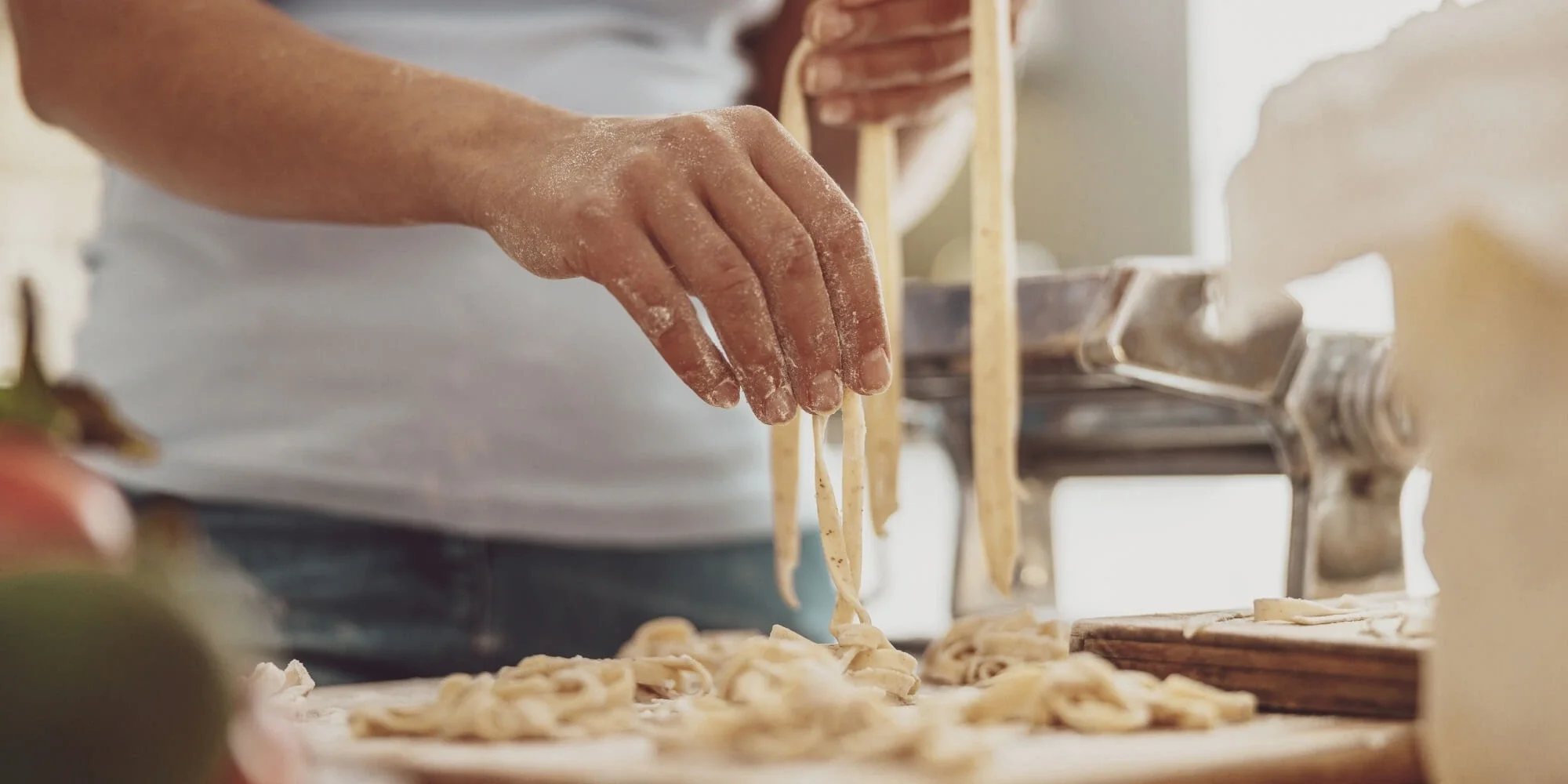
Making pasta from scratch has a way of changing how people approach cooking, especially once they understand how fresh pasta dough, sauce, and simple technique come together. What begins as flour and eggs soon becomes an exercise in observation—feeling the mixture become smoother, noticing when it rolls more easily, and recognizing the right moment to move on to the next stage. Those observations often stay with guests long after the meal because they begin trusting what they see and feel instead of relying only on a recipe.
At Culinary Eye, that's exactly what our cooking classes are designed to encourage. Rather than chasing perfect results, we invite people to slow down, cook side by side, and see how mixing, kneading, resting, and rolling naturally build on one another. The workshop isn't about producing restaurant-perfect pasta. It's about understanding why each step matters and enjoying the experience of creating something by hand.
How to Make Pasta From Scratch
Learning how to make pasta from scratch doesn't require a long list of ingredients or years of experience. Flour, eggs, and a little patience are enough to begin. The real difference comes from understanding how each stage influences the next instead of rushing through the recipe.
The journey from flour to finished pasta usually looks like this:
Bring flour and eggs together until a smooth dough begins to form.
Knead until it feels elastic and easy to work with.
Let it rest before rolling.
Roll thin, even sheets.
Cut the pasta into your preferred shape.
Cook briefly in boiling water.
Finish the noodles in a freshly prepared sauce before serving.
The steps themselves are straightforward, but the workshop focuses on the small cues that recipes rarely explain. Many first-time guests instinctively add extra flour the moment the mixture feels sticky. Our chefs usually encourage them to knead for another minute instead. More often than not, the texture changes on its own. Seeing that transformation happen in real time helps people trust their instincts rather than trying to correct every little variation.
“Bring Your Team Into the Kitchen With Us
Cooking has a way of helping people slow down and connect, especially when the work feels easy to join. If you’re imagining something like this for your group, we’re always glad to talk through the flow, the menu, and what would make the experience feel right. ”
How to Make Fresh Pasta Dough From Scratch
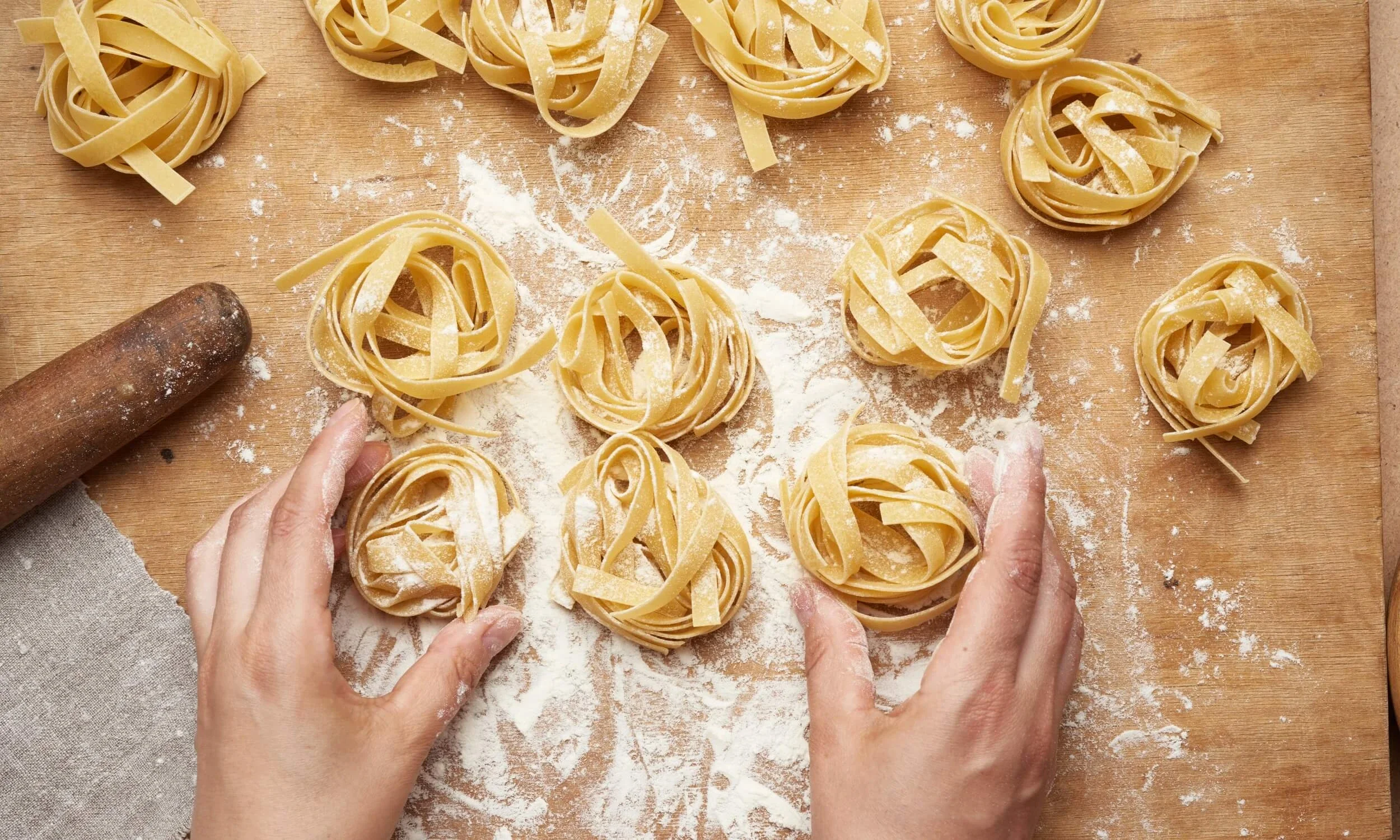
When learning how to make fresh pasta dough from scratch, every batch behaves a little differently, which is why our chefs encourage observation as much as measurement. Humidity, room temperature, and even the warmth of your hands can influence the final texture, so learning to notice those changes becomes just as valuable as remembering the recipe itself.
Rather than demonstrating from the front of the room, the chefs move between tables, answering questions as they arise and pointing out details guests might otherwise miss. Someone usually wonders whether they're pressing too hard while rolling. Another asks if uneven edges mean they've made a mistake. Those conversations become part of the lesson because everyone begins to recognize the same cues together.
Throughout the session, participants learn how to:
Bring flour and eggs together without overworking the mixture.
Knead until the surface feels smooth instead of rough.
Recognize when resting has done its job.
Roll even sheets that cook consistently.
Cut noodles that are easy to handle.
Make small adjustments only when they're truly needed.
By the end of the session, learning how to make fresh pasta dough from scratch feels much more approachable. Instead of trying to achieve perfection, guests leave with a better understanding of how the ingredients respond and what those changes mean as they cook.
Making Pasta Sauce From Scratch
Once the pasta is rolled and cut, attention shifts naturally to the sauce. Rather than covering the noodles, the goal is to build something that complements their texture and lets the fresh pasta remain the focus.
Around the stove, the pace changes again. Ingredients are added gradually, everyone tastes as the sauce develops, and conversations often turn to the little details that are easy to overlook at home. A splash of pasta water loosens the consistency. A final taste reveals whether another pinch of salt is needed. These adjustments may seem minor, yet they often make the biggest difference.
Guests often expect the sauce to be completely finished before the pasta is cooked. They quickly discover the opposite works better. Fresh pasta cooks in just a few minutes, so finishing the noodles in the sauce gives them time to absorb flavor while bringing the whole dish together naturally.
One moment surprises almost every group: fresh pasta cooks far more quickly than most people expect. It's also the point where someone inevitably says, "That's it?" Seeing how quickly the meal comes together reminds guests that making pasta from scratch is often much simpler than they imagined.
Building on a Homemade Pasta Recipe
One of the nicest moments comes after everyone sits down to eat. That's usually when guests realize they don't need specialized equipment or years of experience to continue making pasta from scratch at home. A simple homemade pasta recipe becomes a foundation they can return to, adapting it a little more each time they cook.
After a few batches, something shifts. The recipe stays nearby, but it gets looked at less often. Instead, home cooks begin to notice familiar signals—the texture feels right while kneading, the sheets are thin enough without measuring, and the noodles are ready after a quick taste rather than a timer. Those small moments make making pasta from scratch feel less like following instructions and more like cooking naturally.
Many guests continue exploring in ways that suit their own kitchens. Some try different noodle shapes, while others pair fresh pasta with seasonal vegetables or freeze extra portions for another meal. The class becomes a starting point rather than a one-time experience.
If you're continuing the practice at home, these habits can help:
Start with a simple recipe before experimenting with different shapes or sauces.
Let the pasta rest fully before rolling.
Dust the work surface lightly instead of adding too much flour.
Taste the noodles early so you can judge the texture before serving.
Finish the pasta in the sauce rather than combining everything on the plate.
Freeze extra portions for an easy meal another day.
The goal isn't to make every batch identical. In fact, slightly uneven noodles are part of what gives homemade pasta its character. Once they're coated in sauce and shared around the table, those small variations become part of the meal rather than something to correct.
Common Mistakes When Making Pasta From Scratch
Many beginners assume fresh pasta has to be perfect from the start, but small adjustments are part of the process. In our cooking classes, guests often learn just as much from these moments as they do from the recipe itself.
Some common mistakes include:
Adding too much flour before the dough has time to come together.
Skipping the resting step, which can make the dough harder to roll.
Rolling the pasta unevenly, causing some pieces to cook faster than others.
Overcooking fresh pasta, which usually needs only a few minutes in boiling water.
Serving the pasta and sauce separately instead of finishing the noodles in the sauce.
Once guests understand these details, making pasta from scratch feels much more forgiving. The goal is not to avoid every mistake. It is to learn how the dough responds and how small choices affect the final dish.
How Culinary Eye Cooking Classes Bring It All Together
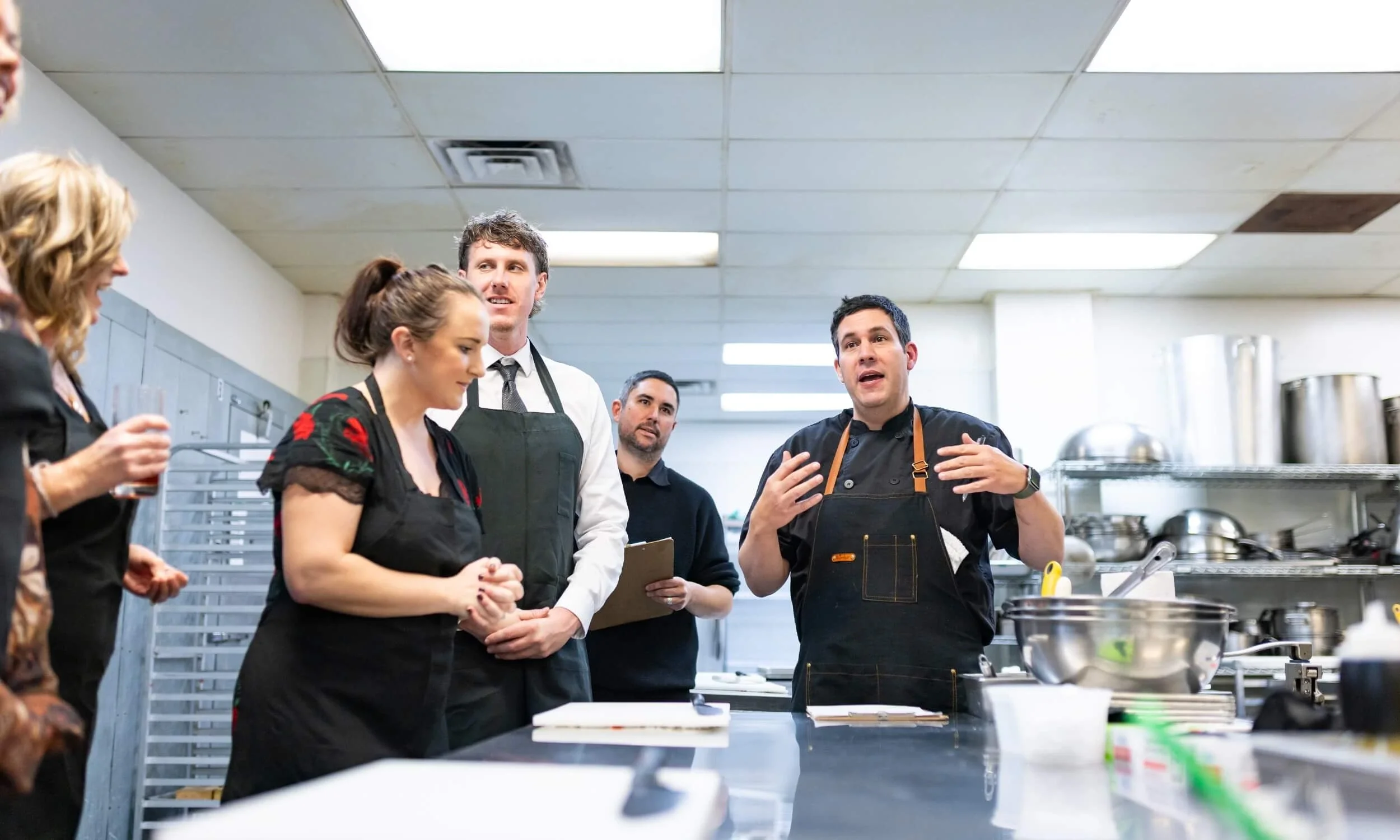
Every Culinary Eye workshop is built around participation. Our cooking classes for groups quickly settle into a relaxed rhythm as tables fill with flour, conversation, and everyone works side by side.
Our chefs guide without taking over. Instead of correcting every movement, they watch for opportunities to explain what the ingredients are doing. If someone rolls a little too firmly, they'll often suggest easing the pressure rather than starting again. If a batch looks uneven, they'll show how small differences disappear once it's cooked. Those conversations help guests understand the reasoning behind each step instead of simply memorizing it.
As the class unfolds, people compare results, ask questions, and discover there is more than one way to arrive at a good plate of pasta. That freedom encourages curiosity and makes the workshop feel welcoming, whether it's someone's first time cooking or something they've wanted to try for years.
By the end of the class, making pasta from scratch no longer feels like a project reserved for special occasions. It becomes something people can imagine doing on a quiet weekend, with family around the table or friends gathered in the kitchen. More importantly, they leave with a better understanding of the cooking techniques behind each step, making it easier to return home and recreate the experience with confidence.
Making pasta from scratch is one example of how we approach food at Culinary Eye. The same care for shared experiences carries into our broader work, including corporate catering, where food is thoughtfully prepared to bring people together in meaningful ways.
“Find the Right Class for Your Group
Every event looks a little different, and pricing often depends on the format, timing, and the kind of meal you want to share. If you’d like a clearer sense of cost or want help shaping an experience that fits your plans, you can get in touch with us. ”
Frequently Asked Questions (FAQs)
How do you make pasta from scratch?
Making pasta from scratch starts by combining flour and eggs into a smooth mixture, kneading until elastic, allowing it to rest, rolling it into thin sheets, cutting it into your preferred shape, and cooking it briefly in boiling water. The pasta is then finished in sauce so the flavors come together before serving.
How do you make fresh pasta dough from scratch?
Fresh pasta dough is made by combining flour and eggs, kneading until smooth and elastic, and allowing it to rest before rolling. Paying attention to the texture throughout each stage helps create pasta that is easy to roll, cut, and cook.
Why is homemade pasta different from dried pasta?
Homemade pasta has a softer texture and a more delicate flavor because it is prepared fresh and cooked soon after it's made. It also absorbs sauces more easily, creating a lighter and more cohesive dish than most dried pasta.
Do I need special equipment to make fresh pasta?
No. Fresh pasta can be made with a mixing bowl, rolling pin, knife, and a clean work surface. A pasta machine can help create more even sheets, but it isn't necessary for making pasta from scratch at home.
Can beginners learn to make pasta from scratch?
Yes. Making pasta from scratch is beginner-friendly because it follows a series of straightforward steps that become more familiar with practice. Learning in a hands-on class also helps people recognize the visual and tactile cues that recipes often can't explain, making the experience easier to recreate at home.