
How to Add Flavor to Coffee? Grind, Temperature & Brewing Explained
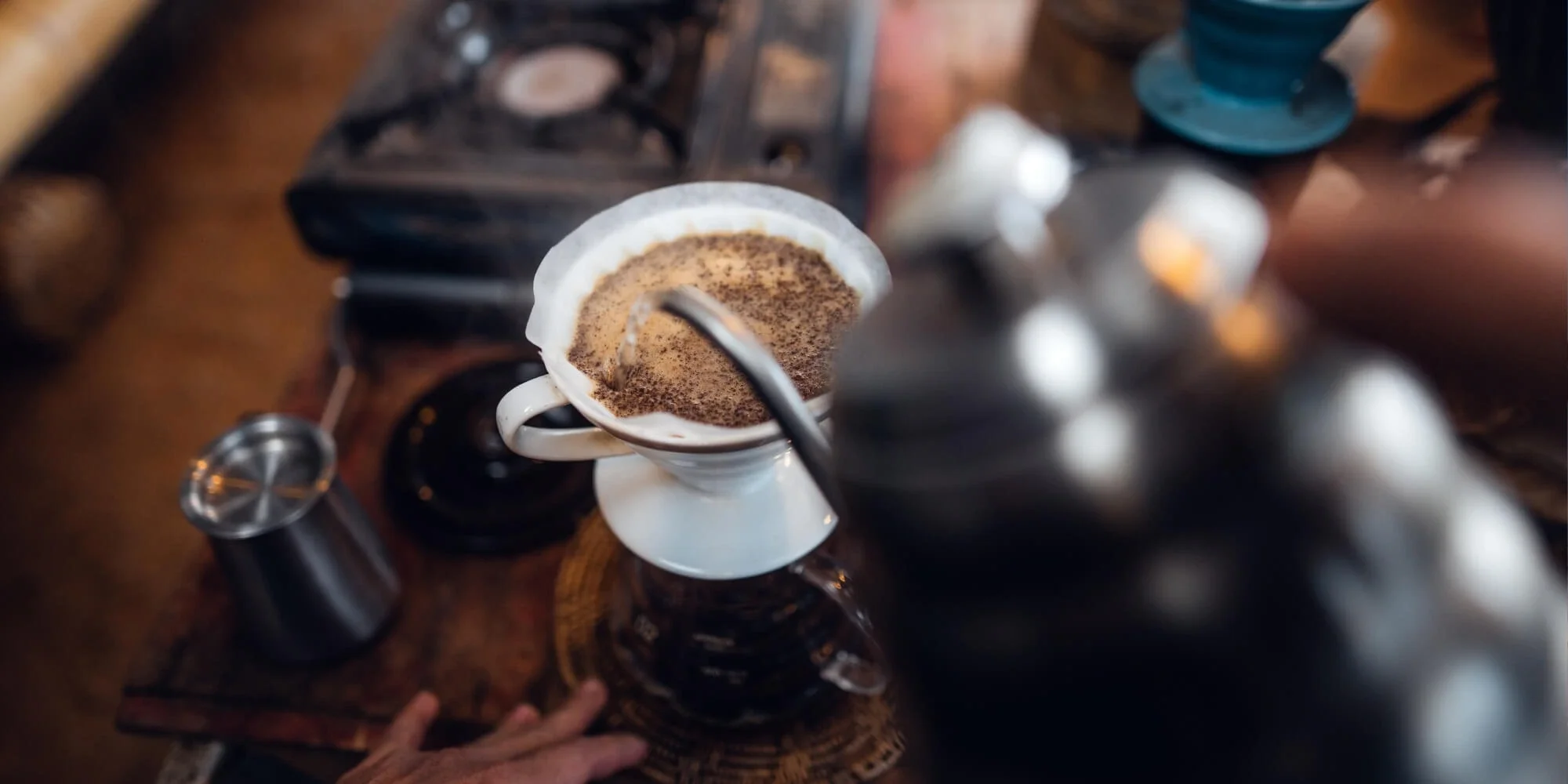
At Culinary Eye, we talk a lot about how to add flavor to coffee, mostly because it surprises people how much control they actually have over their cup. In our cooking classes, we see the same thing happen with food—small choices make a clear difference. Coffee works the same way. Once you understand how small adjustments affect flavor, you can make each cup taste more balanced without relying on heavy sweeteners or artificial flavorings. It responds to grind, heat, and method. Once you start adjusting those pieces, the flavor shifts in ways you can actually track. That's usually the moment people notice coffee isn't unpredictable at all. It just reflects the decisions you make along the way.
What Affects the Flavor of Coffee?
Before we dig into technique, it helps to look at the core factors that influence taste. These are the elements you'll come back to again and again as you experiment. When people first explore how to add flavor to coffee, these fundamentals usually shape the final cup more than any single add-in.
Key elements to consider:
Bean origin and roast level: Different regions and roast profiles shape sweetness, acidity, and aroma in distinct ways.
Grind size: Finer grounds extract quickly; coarse grounds take their time. Both can be useful.
Water temperature: Hotter water pulls more from the bean, sometimes more than you intended.
Brewing method: Each approach highlights different compounds in the coffee.
Freshness: Beans lose aroma and flavor as they age, and you can taste the difference.
Coffee-to-water ratio: A gram or two in either direction changes the whole experience.
These points form the framework. Once you notice them in your daily routine, you'll better understand how to add flavor to coffee through small, consistent adjustments. To preserve freshness, store whole coffee beans in an airtight container away from heat, moisture, and direct sunlight.
How Grind Size Changes Coffee Flavor
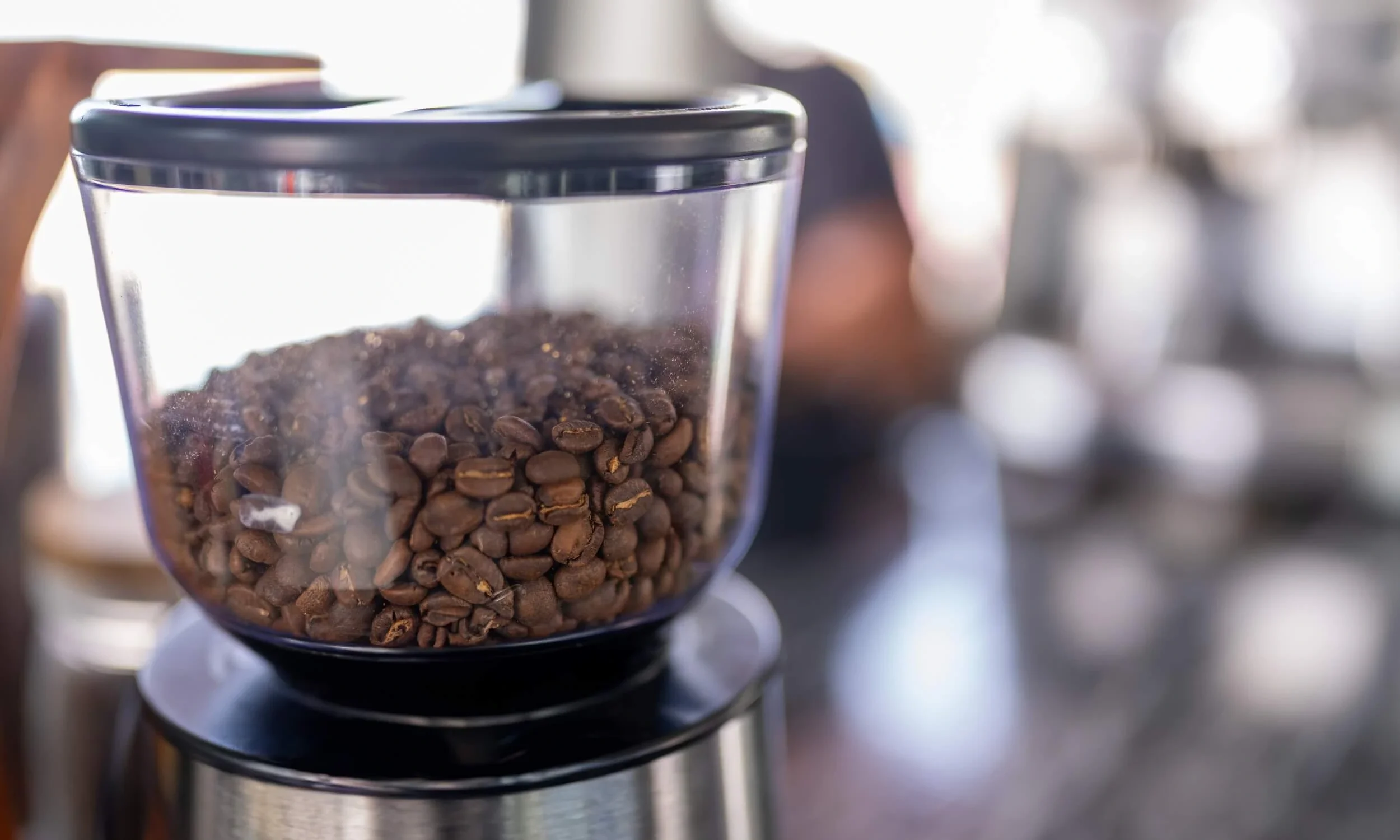
If you're learning how to add flavor to coffee, grind size is one of the first variables worth understanding because it shapes how quickly flavor leaves the coffee and enters your cup. When the grounds are too fine, extraction moves fast and can push the flavor into bitter territory. When the grounds are too coarse, extraction slows down and can leave the cup tasting thin or a little confused.
Grind size is one of the easiest variables to adjust, and even small changes can noticeably affect the taste of your coffee. If the cup tastes sharp, move slightly coarser. If it tastes dull, move slightly finer. You don't need to overhaul anything; small steps usually do the job. Gradual shifts help you understand how your beans respond, especially before you start adding syrups, spices, or other flavorings.
“Curious About Our Cooking Classes?
If you’re thinking about learning by cooking with others, our classes offer a good place to start. They’re relaxed, hands-on, and shaped around helping people feel comfortable in the kitchen.”
Brewing Temperature Basics: Finding the Sweet Spot
Water temperature decides how much the coffee is willing to give you. Hotter water extracts faster and pulls deeper notes from the grounds. Cooler water brings out gentler flavors but can leave the cup underdeveloped. Water that's too hot can over-extract the coffee, while water that's too cool may leave it under-extracted.
Most coffee brews best around 195°F to 205°F. You do not need to chase a perfect number every time, but a stable temperature matters. If your cup swings from bitter one day to flat the next, your heat may be drifting. Paying attention to this one detail can shift the flavor right away.
Coffee reacts well to reliability. Once you land on a temperature that matches your taste, keep it consistent and you'll notice the improvement. If you're learning how to add flavor to coffee through heat control, this is where you see the most immediate changes. Maintaining a steady brewing temperature allows the beans to express their natural flavors more consistently.
How Brewing Methods Affect Coffee Taste
The brewing method shapes the flavor more than most people expect. Each approach works with the coffee in its own way, so the results vary in texture, strength, and aroma.
Common brewing methods and what they tend to offer:
Pour-over: Clear, well-defined flavor with a focus on the beans' characteristics.
French press: A rounder, heavier cup because the oils stay in the brew.
Espresso: Dense and concentrated, with sweetness and intensity in a small volume.
Cold brew: Smooth and low in acidity thanks to long, cool extraction.
Aeropress: Adaptable, offering a wide range depending on your recipe and timing.
Once you understand each method, choosing the right one feels more straightforward. It comes down to what you want from the cup in front of you and how to add flavor to coffee in a way that matches your preferences. Trying different brewing methods is one of the easiest ways to discover which flavors you enjoy most.
How to Improve the Flavor of Your Coffee
Improving flavor doesn't require big moves. Most cups benefit from a few simple adjustments. These small tweaks help you learn what your coffee responds to and what it resists.
Changes worth trying:
Adjust the grind: A minor shift can create balance where there wasn't any.
Try a different ratio: More or less coffee changes weight and clarity.
Watch the temperature: Stable heat leads to more dependable results.
Use filtered water: Minerals matter more than people think.
Clean your equipment: Old oils leave an unwelcome mark on new coffee.
Brew fresher beans: Freshness makes a noticeable difference in aroma and body.
If you're exploring how to add flavor to coffee through small refinements, this is where most people find their footing. Each adjustment gives you feedback. Over time, you'll recognize patterns and know what to change.
| Flavor Goal | What to Try |
|---|---|
| Smoother coffee | Use filtered water, lower the brewing temperature slightly, or try cold brew. |
| Less bitterness | Grind slightly coarser, shorten the brew time, or add a tiny pinch of salt. |
| More natural sweetness | Use fresher beans, try a medium roast, or add cinnamon or vanilla extract. |
| More body | Try French press, espresso, or a slightly stronger coffee-to-water ratio. |
| Brighter flavor | Use a lighter roast, brew with a pour-over method, or slightly increase the water temperature. |
| Richer flavor | Add unsweetened cocoa, cardamom, nutmeg, or a simple healthy coffee syrup. |
Common Flavor Problems & How to Work Through Them
Coffee doesn't always land the way you expect, and that happens to everyone. The flavor can drift for a lot of small reasons, but most of them are easy to sort out once you know where to look.
A few patterns help you pin things down:
If the flavor feels sharp or unruly, check your grind. A small move toward coarse often settles things.
If the cup tastes muted, your water may be cooler than you think, or your brew time might be short.
If the texture feels heavy, your steep time could be running long for the method you're using.
If the aroma seems faint, older beans are often the cause; freshness makes a noticeable difference.
Once you see what's at play, nudging one variable is often enough to fix the cup. Many people learn how to add flavor to coffee by paying attention to these small clues.
Healthy Coffee Flavoring: Add-Ins That Complement Your Brew
After you've built a strong foundation through technique, you might want to add something small to shift the cup. Spices, citrus zest, or a pinch of salt can bring interesting notes without covering the coffee.
If you enjoy a sweeter cup, healthy coffee syrups made with simple ingredients can add flavor while keeping the coffee balanced. Cinnamon, unsweetened cocoa, vanilla extract, plant-based milks, cardamom, and nutmeg are also popular healthy coffee additives that complement the coffee instead of overpowering it.
The best healthy coffee flavoring enhances what's already in the cup rather than masking it. Once you understand how to add flavor to coffee through grind, brewing, and extraction, these additions become a way to highlight the coffee's natural character.
“Want a Sense of Pricing?
If you’re trying to figure out the cost of a cooking class for your team or your group, we can help you sort through the details. ”
How Learning Unfolds at Culinary Eye
At Culinary Eye, we spend a lot of time watching people learn through doing. Whether they're tasting a sauce or adjusting a brew, the same patterns show up. People relax as they understand the process. They start trusting their instincts. They notice details they missed before.
The same approach works with coffee. Technique matters, but so does the way you move through it. When guests join our interactive cooking classes, they often mention how encouraging it feels to experiment alongside others. Cooking techniques become less intimidating when you practice them in good company, and coffee fits right into that mindset.
That appreciation for balance, flavor, and thoughtful preparation extends beyond the kitchen, too. Whether we're creating memorable meals, planning beverages for gatherings, or providing catering for corporate events, we believe the smallest details often leave the strongest impression.
Frequently Asked Questions (FAQs)
How can I make my coffee taste better without sugar?
You can make coffee taste better without sugar by using fresh beans, adjusting the grind size, brewing with filtered water, and adding natural flavors like cinnamon, vanilla extract, or unsweetened cocoa. These changes enhance the coffee's natural flavor without increasing its sugar content.
Why does my coffee taste bitter?
Coffee usually tastes bitter because it's over-extracted. This often happens when the grind is too fine, the water is too hot, or the brewing time is too long. Adjusting one of these factors can help create a smoother, more balanced cup.
What's the best way to naturally flavor coffee?
The best way to naturally flavor coffee is by adding ingredients like cinnamon, vanilla extract, nutmeg, citrus zest, or unsweetened cocoa powder. These enhance the coffee's natural flavor without overpowering its aroma or requiring artificial flavorings.
Does filtered water make coffee taste better?
Yes. Filtered water generally makes coffee taste better by removing impurities and excess minerals that can affect extraction and flavor. Because coffee is mostly water, cleaner water produces a cleaner, more consistent cup.
Which brewing method produces the smoothest coffee?
Cold brew typically produces the smoothest coffee because it's brewed slowly with cold water, creating a naturally mellow flavor and lower acidity. However, French press and pour-over can also produce smooth coffee when brewed correctly.
What are the healthiest ways to sweeten coffee?
The healthiest ways to sweeten coffee include using small amounts of honey or maple syrup, or adding natural flavor with cinnamon, vanilla extract, or unsweetened plant-based milk. These options provide flavor while helping reduce refined sugar.
How do I know if my coffee beans are still fresh?
Fresh coffee beans have a rich aroma, produce a balanced flavor, and release carbon dioxide during brewing soon after roasting. If the beans smell dull or the coffee tastes flat, they've likely lost much of their freshness.