
Best Cooking Techniques Our Chefs Teach Through Hands-On Practice
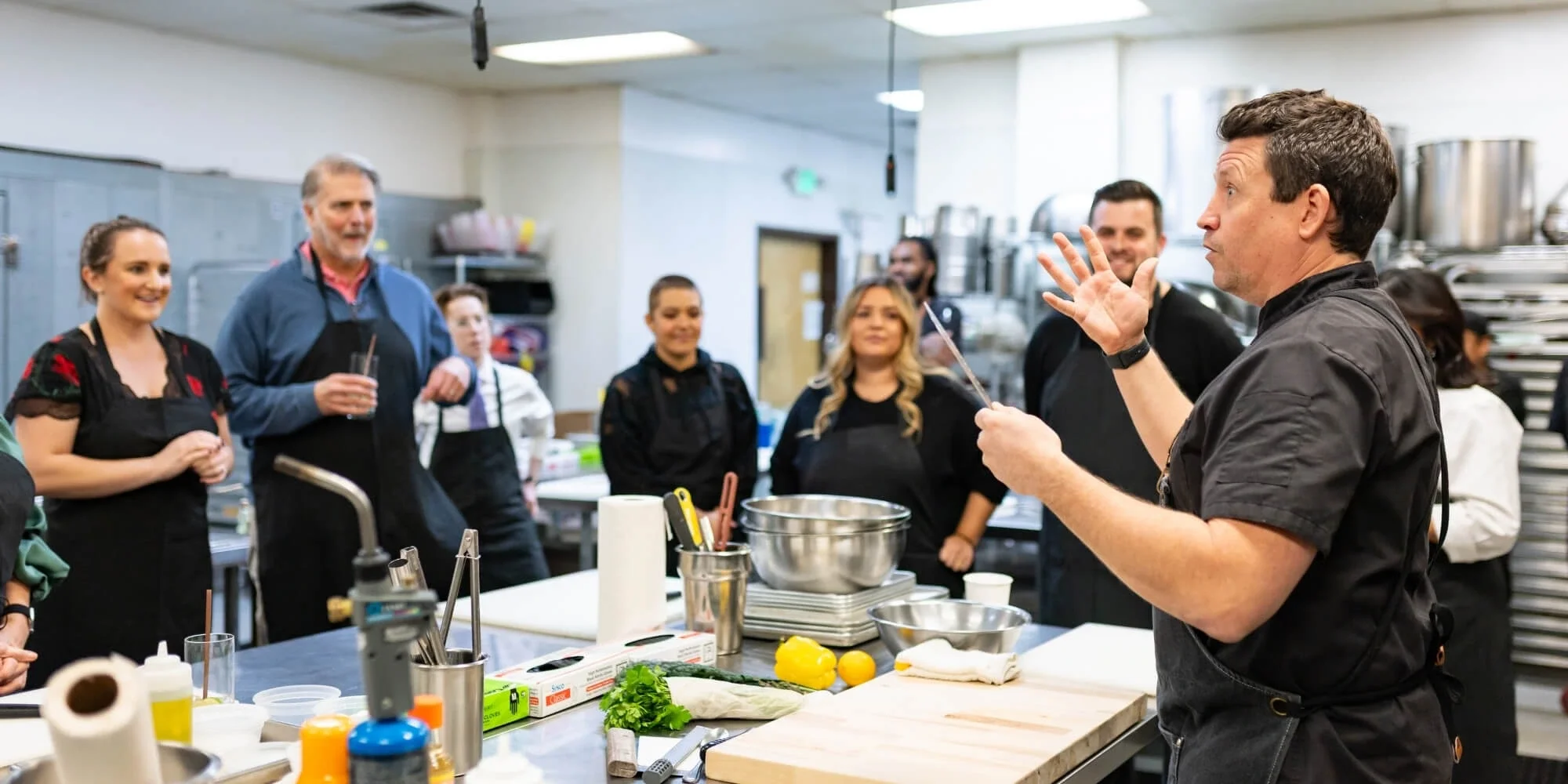
At Culinary Eye, we spend a lot of time helping people understand how much cooking shifts when you learn beside someone who does it every day. During our cooking classes, people see firsthand how the best cooking techniques take shape in real time. They watch heat move through a pan, see ingredients change as they cook, and learn how small decisions nudge the dish in a clearer direction. These moments build confidence because they come from doing, not guessing. As cooks begin to trust what they see and taste, they move through the work with more ease and curiosity. That change sets the stage for everything that follows.
The Building Blocks of Professional Cooking Skills
Before we talk through the best cooking techniques, it helps to look at the simple moves chefs rely on every day. These basics sit underneath everything else and keep the work manageable, even when ingredients shift.
Key building blocks include:
Using your senses: You pay attention to what the food shows you.
Managing heat: You change the flame as the pan reacts.
Seasoning throughout: You add small amounts as the dish develops.
Reading texture: You notice when things tighten, soften, or settle.
Working with space: You keep the area open so you can cook without distraction.
Responding early: You fix small issues before they become bigger ones.
These are the small habits that make the rest of cooking feel more natural.
Technique vs. Recipes: What Chefs Teach That Instructions Can’t
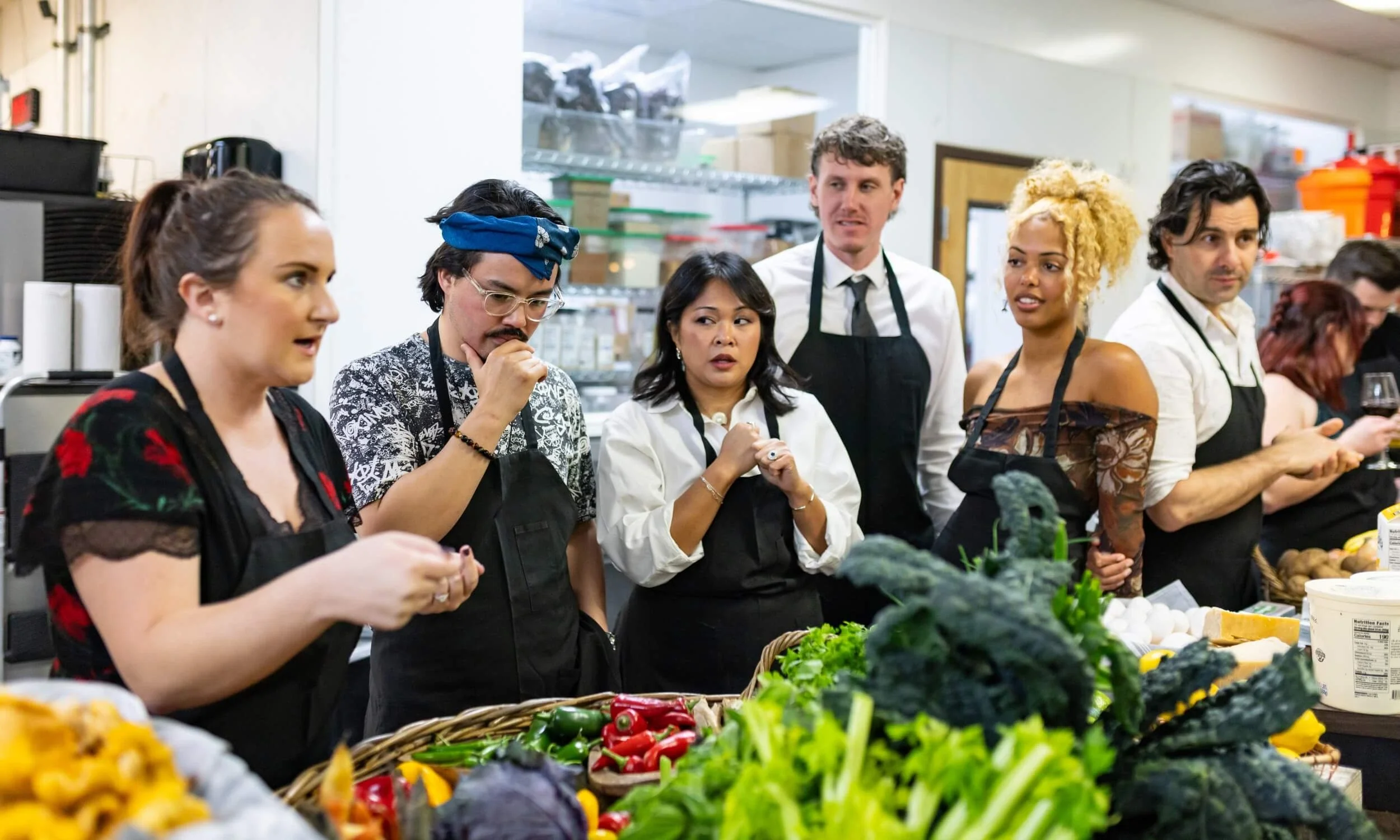
Recipes offer direction, but they rarely show the moments that decide how a dish turns out. When chefs teach, they point out why a move matters and how to respond when ingredients shift. It seems minor, but it changes the way people cook. They stop waiting for the next line in the recipe and start watching the food itself. They notice changes in color and moisture. They also hear the pan react when the heat lands in the right place. These cues show how chefs think about cooking in real kitchens. As people learn, they begin moving through recipes with more ease and less second-guessing.
Hands-On Cooking Instruction: How Learning Happens in Our Kitchen
Hands-on cooking instruction works because people learn best through action. In our kitchen, guests taste, stir, and adjust with a chef beside them. They receive feedback in real time, which helps them understand what to correct. They also see how small changes influence the dish. This approach lets them make choices without feeling overwhelmed. And as they continue practicing, they begin learning to cook with chefs in a way that feels natural. They notice mistakes earlier, and they fix them without slowing down. Over time, they develop instincts that support their cooking outside the class as well.
“Thinking About Joining Us in the Kitchen?
If you’re thinking about learning these techniques in a shared kitchen, we’re always glad to walk you through what a class at Culinary Eye can look like.”
Techniques That Come Into Focus Only Through Practice
Some of the best cooking techniques only become clear once you’re hands-on. They depend on cues you can’t capture in writing.
Hands-on techniques include:
Adjusting heat with awareness: You move the flame based on how the pan responds.
Layering flavor: You add ingredients in stages to shape depth.
Browning with purpose: You watch color build without drying the surface.
Working sauces: You thicken or thin by reading texture in the pan.
Handling dough: You feel moisture and elasticity change under your hands.
Tasting often: You taste throughout so the dish stays balanced.
These techniques help cooks stay connected to what’s happening in the pan. They also show why chef cooking techniques grow from paying attention. Once people get familiar with these, they understand why chefs trust them.
How These Techniques Change the Way People Cook at Home
These lessons stay with people when they return to their own kitchens. They move with more confidence because they know what signs to look for. They also adjust earlier, which keeps dishes on track. They use the best cooking techniques even when the recipe changes. And since they trust their senses, they enjoy the work more. This shift helps people cook dishes they once avoided. It also prepares them to explore new ingredients because they know how to respond when something behaves differently. Over time, these skills shape their cooking habits in meaningful ways.
Learning With Culinary Eye: What Participants Actually Experience
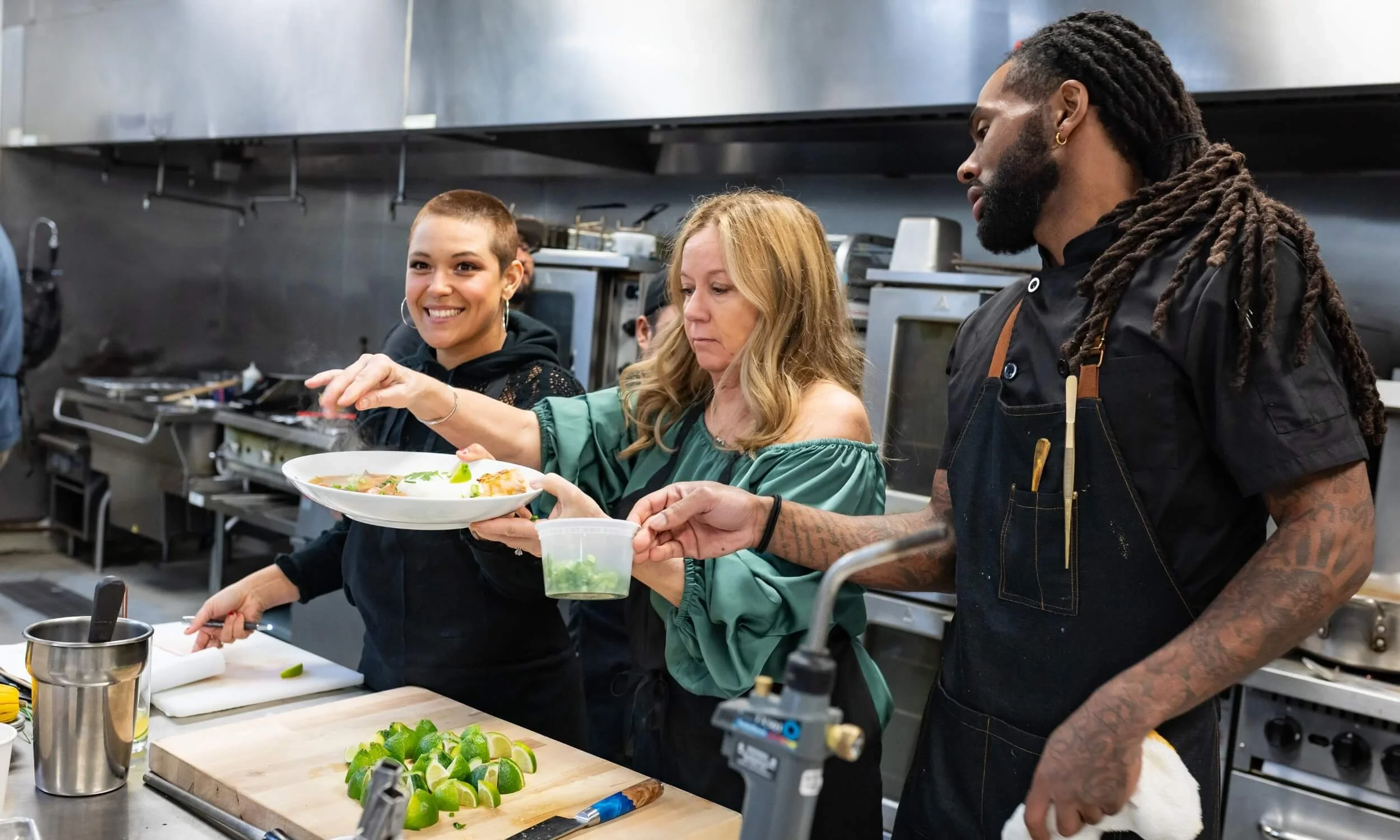
Cooking with us includes guidance, collaboration, and space to explore. People ask questions as they work, and chefs answer while the food cooks in front of them. This pace makes learning comfortable and effective.
During a typical session, guests experience:
Time to practice new skills
Support that adjusts to their comfort level
Feedback that builds clarity
A steady pace that encourages experimentation
A shared meal that shows what the work created
These moments help people feel capable. They also understand the best cooking techniques in a more personal way.
“Thinking About Class Costs?
If you’re planning a session for friends or a team, we can walk you through costs and options that fit the way you like to host.”
Bringing Technique Into Your Own Kitchen
At Culinary Eye, we teach through experience because we see how much people grow when they practice. As they work beside us, they learn how to respond to heat, texture, and timing. They also see how the best cooking techniques shape every dish, whether simple or complex. During our interactive cooking classes, guests experience this process directly. They leave with skills they can use, curiosity they can build on, and a sense of comfort that stays with them long after the class ends. This approach brings confidence back into the kitchen, and it helps people cook with purpose every day.