
Gourmet Catering Menu Ideas for San Francisco Events
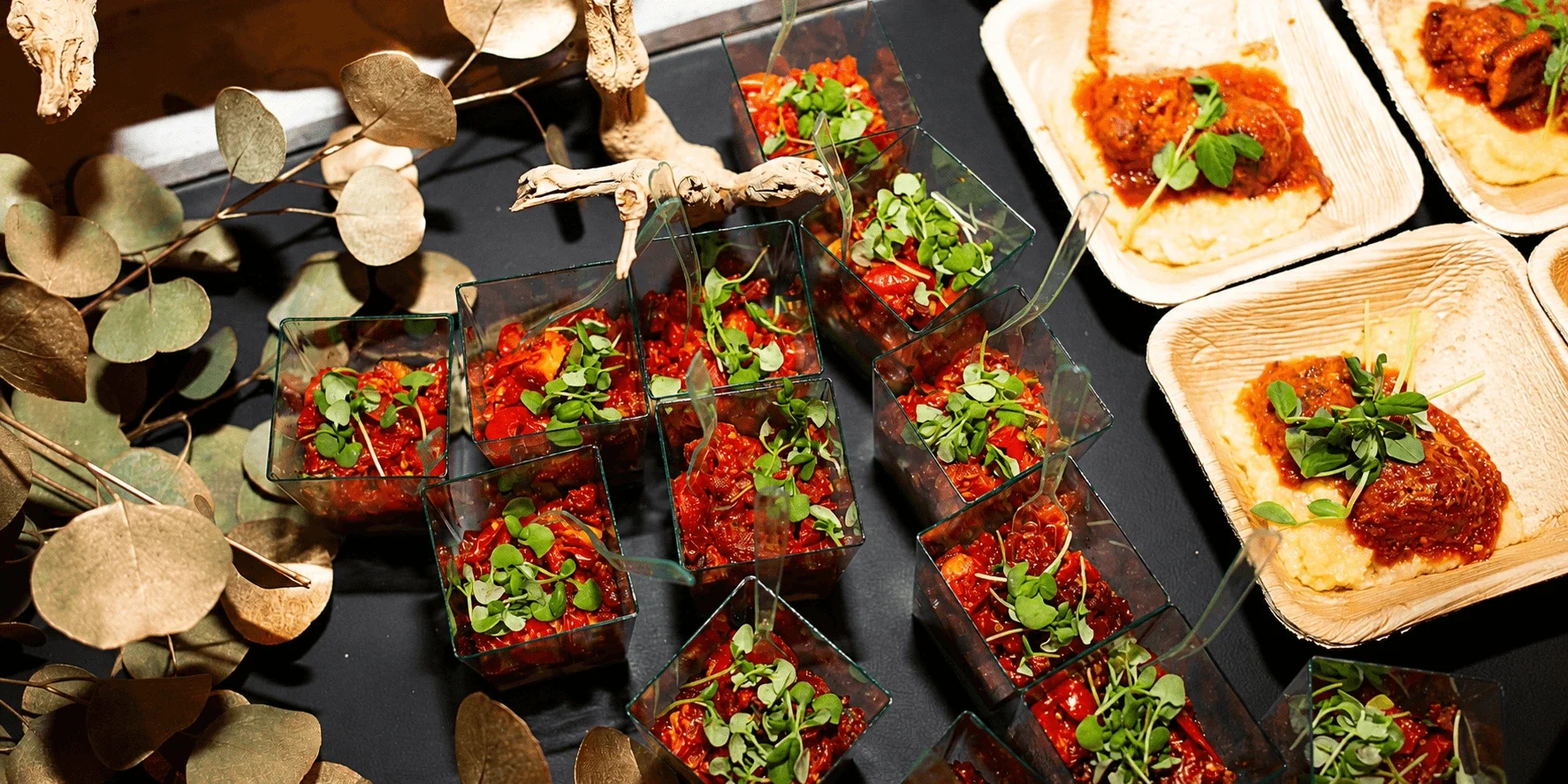
When people remember an event, they rarely talk about a single dish. Instead, they remember gathering around a display, discovering an unexpected flavor, or sharing a conversation over food. That's why gourmet catering menu ideas matter. They help shape how people move through a space, interact with one another, and experience the occasion as a whole.
At Culinary Eye, we create gourmet catering services that reflect the purpose of each gathering. Some events call for elegant plated courses. Others benefit from interactive tastings, chef-finished stations, or edible displays that become part of the environment. The best menus begin with understanding the people attending, the setting, and the atmosphere you want to create.
Quick Gourmet Catering Menu Ideas to Inspire Your Event
Looking for a starting point? Some of the most effective gourmet catering menu ideas combine seasonal ingredients, thoughtful presentation, and a service style that fits the event.
Seasonal passed appetizers with local produce
Chef-finished tasting stations
Elegant plated dinners with family-style sides
Interactive grazing tables
Seafood-forward cocktail bites
Mini desserts and individual sweets
Vegetable-driven seasonal displays
Custom menus inspired by the event theme
How to Choose Gourmet Catering Menu Ideas for Your Event
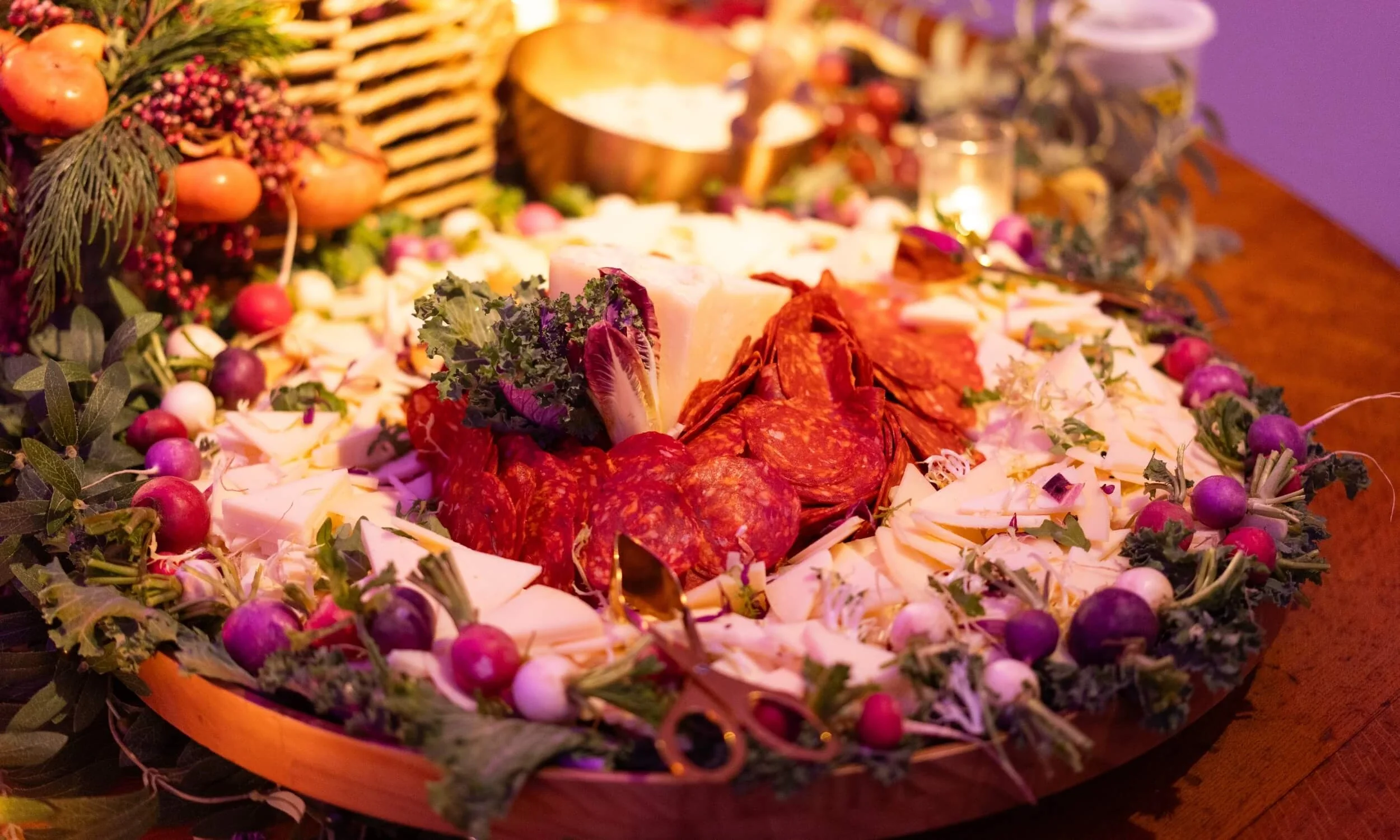
Before discussing ingredients, think about how people will spend their time. Food should support the event rather than compete with it.
A few factors influence gourmet catering menu ideas from the beginning:
Event goals: A networking reception requires a different approach than a fundraising dinner.
Guest movement: Standing events benefit from foods that are easy to enjoy while socializing.
Venue conditions: Historic buildings, galleries, warehouses, and offices each create different logistical considerations.
Schedule: A menu served during a lunch meeting differs from one served during a four-hour evening celebration.
Audience expectations: Corporate teams, clients, families, and community groups respond to different styles of service.
Available space: Food stations, buffets, and plated meals require different layouts.
These details provide a useful framework. Once they are clear, gourmet catering menu ideas become easier to execute successfully.
“Wondering What a Custom Menu Might Cost?
Every event comes with its own priorities, guest list, and service needs. If you’d like a clearer sense of pricing for your plans, you can reach out to our team and we’ll walk you through the options.”
San Francisco Catering Menu Ideas for Different Event Types
No two events require the same menu approach. The most effective gourmet catering menu ideas support how people gather, interact, and spend their time throughout the occasion.
Corporate Meetings and Office Gatherings
Corporate events benefit from menus that keep attendees energized and engaged. Fresh grain bowls, seasonal vegetable sides, artisan sandwiches, and fruit-forward desserts can provide variety without feeling overly heavy.
Product Launches and Brand Activations
Product launches rarely happen around a dining table. Guests move between demonstrations, conversations, and presentations. Small bites finished on-site can support that movement while giving attendees something memorable to discuss.
Private Celebrations and Milestone Events
Private events create opportunities for more personal storytelling. Family recipes, cultural influences, and favorite ingredients can help shape a menu that reflects the people being celebrated.
Wedding Receptions and Rehearsal Dinners
A well-planned wedding catering menu balances guest preferences with dishes that reflect the couple's tastes, traditions, and story. The goal is to accommodate a wide range of guests while creating a menu that feels connected to the celebration.
Cocktail Receptions and Holiday Parties
Cocktail receptions and holiday parties often benefit from passed appetizers, seasonal specialties, and interactive food stations. These formats encourage guests to mingle while offering a wider variety of flavors throughout the event, making them a popular choice among gourmet catering menu ideas for social gatherings.
How a Chef-Driven Catering Menu Creates a More Memorable Experience
Behind every successful event menu, countless decisions happen long before service begins. Culinary planning shapes flavor, timing, presentation, and flow.
A strong development process includes:
Selecting ingredients that complement the season
Balancing familiar dishes with unexpected elements
Building menus around dietary needs
Coordinating food presentation with service style
Adjusting portions based on event format
Testing dishes for consistency during large-scale production
A chef-driven catering menu allows these decisions to happen with purpose. For example, a chef may adjust an appetizer because attendees will be standing throughout the evening. They may also modify plating to suit a venue's layout or service flow.
These details may seem small. Yet they can shape everything from pacing to presentation throughout the meal. Consequently, many gourmet catering menu ideas begin long before guests arrive. They take shape through ingredient selection, testing, and careful coordination between the culinary and service teams.
Seasonal Catering Menu Ideas for Bay Area Gatherings
Seasonality influences both ingredients and guest expectations. Menus feel more connected to an event when they reflect what is growing and thriving throughout Northern California.
Spring Menu Inspiration
Spring gatherings lend themselves to bright flavors and fresh produce from Bay Area farms and markets.
English pea crostini with whipped ricotta
Citrus-marinated seafood bites
Asparagus tartlets
Strawberry shortcakes served in individual portions
These seasonal catering menu ideas pair particularly well with daytime receptions and outdoor celebrations.
Summer Menu Inspiration
Summer brings an abundance of produce across Northern California. This is the season for vibrant ingredients that can stand on their own.
Grilled stone fruit salads
Heirloom tomato skewers
Fresh ceviche cups
Lemon olive oil cakes
Many summer gourmet catering menu ideas highlight ingredients found throughout local farmers markets, creating menus that feel fresh and distinctly Californian.
Fall Menu Inspiration
As temperatures cool, menus become richer and more layered.
Roasted squash appetizers
Wild mushroom tartlets
Apple and sage accompaniments
Herb-roasted proteins
These flavors complement evening events and seasonal gatherings while reflecting ingredients commonly harvested throughout the region.
Winter Menu Inspiration
Winter creates opportunities for warmth and comfort.
Braised short rib bites
Root vegetable preparations
Seasonal soup shooters
Dark chocolate desserts
These gourmet catering menu ideas suit holiday events and winter gatherings, creating a sense of warmth while encouraging guests to slow down and enjoy the occasion.
How to Build a Gourmet Catering Menu Around Dietary Needs and Guest Preferences
Modern events bring together people with a wide range of dietary preferences. Accommodating those needs requires careful planning from the beginning.
When reviewing menu options, consider:
Vegetarian selections that feel complete rather than secondary
Vegan dishes with strong flavor and texture
Gluten-free options integrated into the overall menu
Allergy considerations communicated clearly
Protein and vegetable variety across courses
Diverse flavor profiles that appeal to different audiences
A well-balanced menu allows everyone to participate comfortably. Furthermore, it helps hosts avoid creating separate dining experiences for different groups of attendees.
Many successful gourmet catering menu ideas achieve variety through careful planning rather than unnecessary complexity.
How Presentation Turns a Gourmet Catering Menu Into an Event Experience
Food presentation shapes how guests experience a menu before they take the first bite. While flavor remains essential, presentation can add context, reinforce a theme, and create a stronger connection between the food and the event itself.
For example, a seasonal appetizer may be displayed on a custom-built installation inspired by the event's concept. A product launch might incorporate branded details into a tasting experience. Meanwhile, a private celebration may highlight family-inspired dishes through presentation elements that reflect personal stories and traditions.
Presentation also creates visual variety throughout an event. Displays, serving pieces, and food stations can highlight signature menu items while encouraging guests to explore what's available.
Many gourmet catering menu ideas combine culinary creativity with purposeful presentation. When food and event design work together, the menu feels like a natural part of the overall experience rather than a separate component.
Questions to Ask When Planning a Gourmet Catering Menu
The right questions often lead to better gourmet catering menu ideas. Before meeting with a catering partner, consider the following:
What do we want people to remember?
How much time will attendees spend eating?
Will people remain seated or move throughout the event?
Are there dietary restrictions to accommodate?
What role should food play in the overall atmosphere?
Which seasonal ingredients are available?
Does the venue create any service challenges?
How can presentation support the event theme?
These questions help simplify the process of choosing a gourmet caterer, especially when comparing different approaches and capabilities.
“Let’s Talk Through Your Event Plans
Every venue, guest list, and gathering brings a different set of opportunities. If you’d like help shaping the menu, service style, or overall experience, you can connect with our team to start the conversation.”
Creating a Gourmet Catering Experience With Culinary Eye
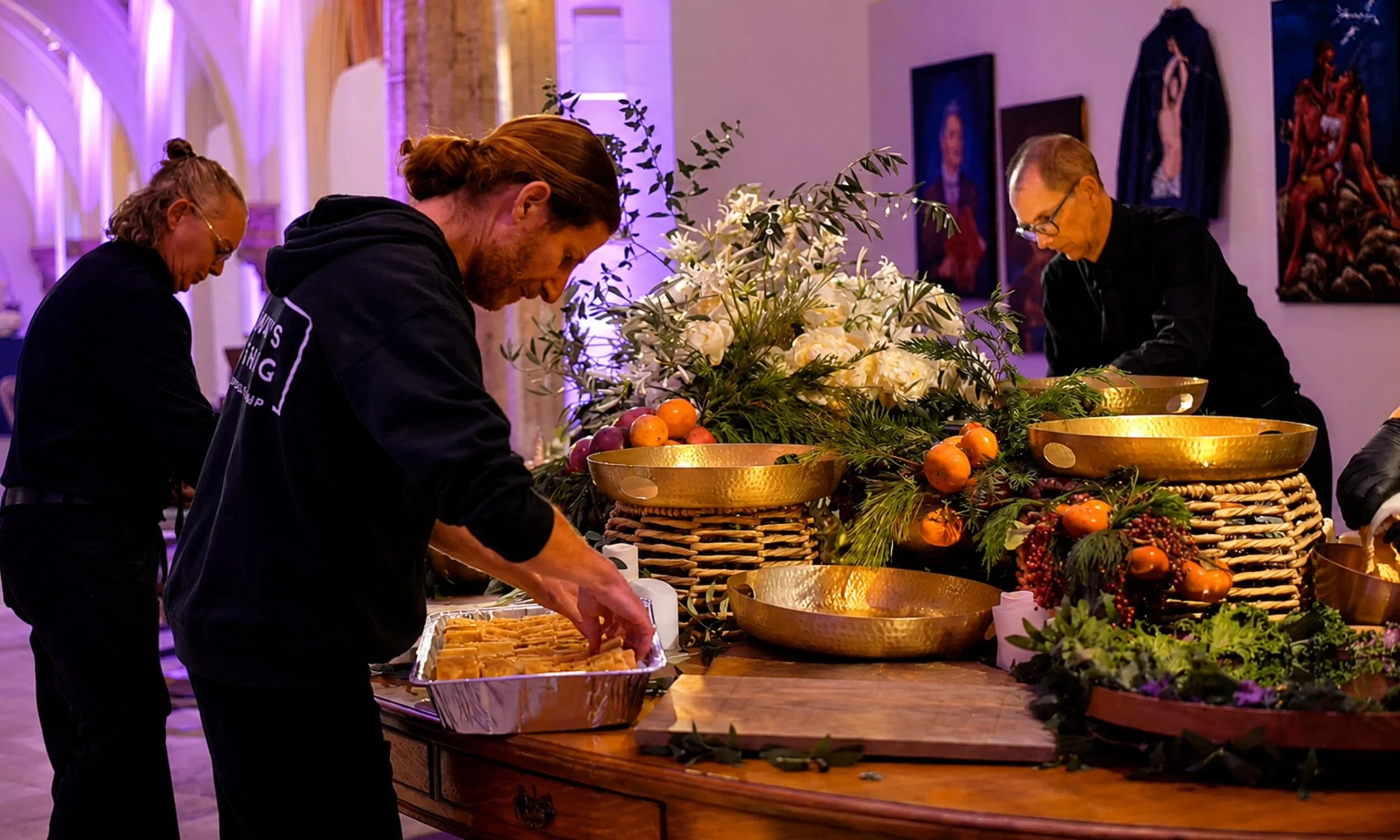
Every event presents a unique combination of people, space, and purpose. Culinary Eye approaches menu development with that reality in mind.
Our team works across corporate offices, private residences, galleries, outdoor venues, and unconventional spaces throughout the Bay Area. Because of that experience, we understand how different events require different culinary approaches.
Rather than starting with preset packages, we begin by learning about the gathering itself. We consider the venue, guest list, service style, and overall goals before developing recommendations.
That collaborative process helps us develop menus that reflect the people, setting, and goals behind each gathering. Whether you're planning a corporate event, private celebration, or brand activation, our team can help shape a menu that supports the experience you want to create.
Frequently Asked Questions (FAQs)
What are the best gourmet catering menu ideas for a corporate event?
The best gourmet catering menu ideas for a corporate event include chef-crafted small bites, seasonal salads, artisan sandwiches, grain bowls, and interactive food stations. These options provide variety without slowing down the event. The right menu depends on the event format, guest count, schedule, and whether attendees will be seated or moving throughout the space.
How do I choose the right catering menu for my event?
Choose a catering menu based on your event type, venue, guest preferences, and service style. Start by identifying how guests will interact during the event. Then consider dietary requirements, timing, and venue logistics. The most effective gourmet catering menu ideas support the event's goals while creating a positive guest experience.
What foods are typically included in a gourmet catering menu?
Gourmet catering menus often include chef-prepared appetizers, seasonal entrées, specialty desserts, and customized options tailored to the event. Many menus also feature local ingredients, dietary accommodations, and presentation elements that support the overall dining experience. The exact selections depend on the event type, service style, and guest preferences.
How much does gourmet catering cost in San Francisco?
Gourmet catering in San Francisco typically costs more than standard catering because it often includes customized menus, premium ingredients, professional staffing, and distinctive presentation. Final pricing depends on guest count, menu complexity, service style, venue requirements, and event duration. Requesting a custom quote is the most accurate way to determine costs.
What is the difference between a chef-driven catering menu and a standard catering menu?
A chef-driven catering menu is customized for the event, while a standard catering menu relies on predetermined selections. Chef-driven menus allow greater flexibility in ingredients, presentation, seasonal sourcing, and dietary accommodations. This approach creates a more personalized dining experience that reflects the event's purpose and audience.
Are seasonal menus worth considering for special events?
Yes, seasonal menus are worth considering because they often feature fresher ingredients, stronger flavors, and greater variety. Seasonal menus can also reflect the time of year and local availability. In the Bay Area, access to regional produce allows event planners to create menus that feel fresh and relevant throughout the year.
What should a wedding catering menu include?
A wedding catering menu should include appetizers, entrées, desserts, and options for guests with dietary restrictions. Many couples also add personal touches that reflect their tastes, traditions, or favorite foods. A well-planned wedding catering menu balances guest preferences with dishes that feel meaningful to the celebration.
Should I choose a buffet, plated dinner, or food stations for my event?
Choose a plated dinner for formal events, a buffet for flexibility and variety, and food stations for guest interaction. The best option depends on your event goals, venue layout, and guest experience priorities. Each service style creates a different atmosphere and influences how people engage with the event.
How can I tell if a catering company provides high-quality food and service?
A high-quality catering company demonstrates culinary expertise, menu flexibility, reliable service, and strong event experience. Review past work, request a tasting, ask about ingredient sourcing, and discuss how the team handles dietary needs and event logistics. Companies such as Culinary Eye also integrate menu planning, presentation, and operational coordination to support the overall event experience.