
Gourmet Catering Cost in San Francisco: What Impacts Your Event Budget?
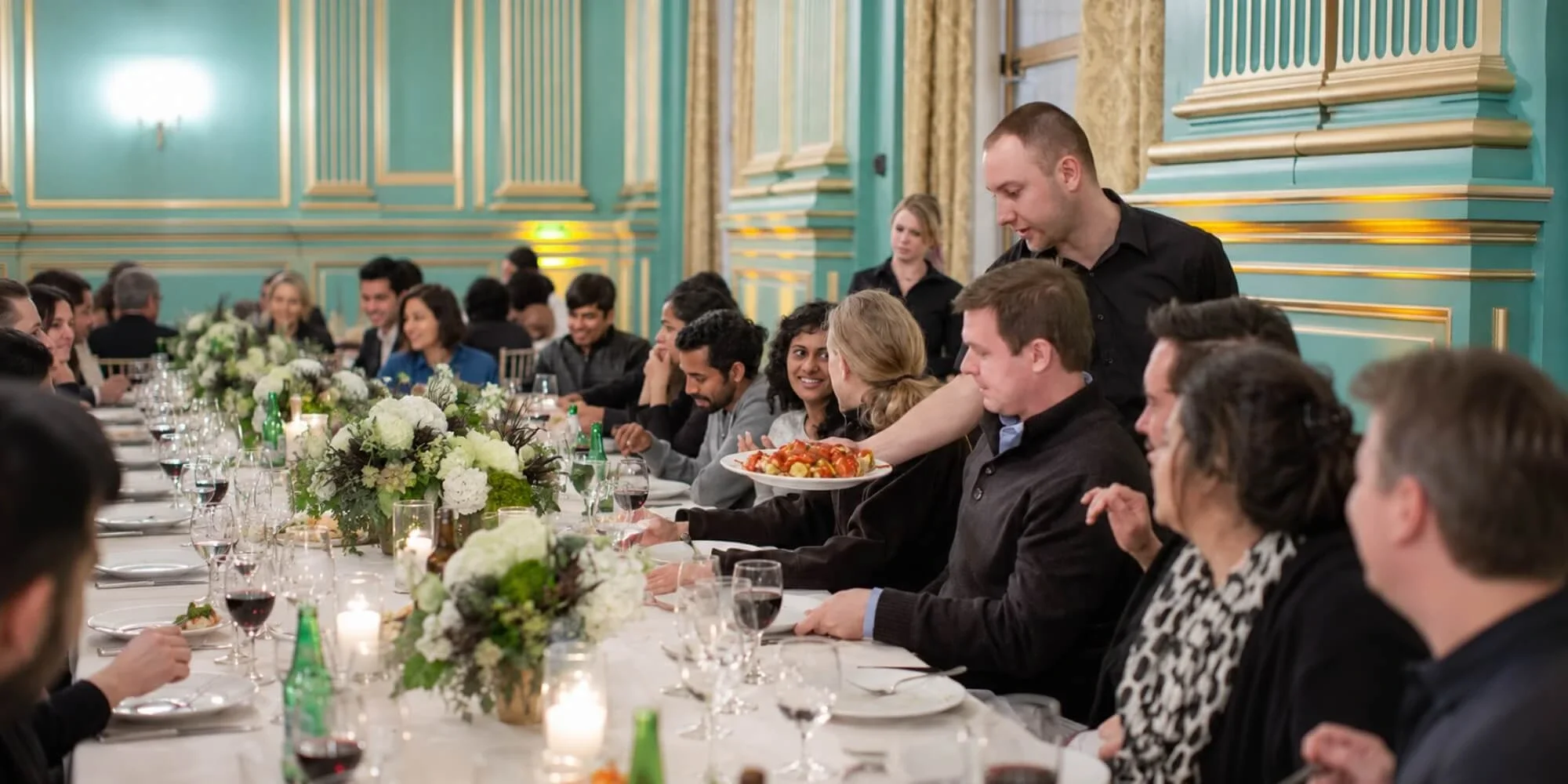
Planning an event in San Francisco usually begins with a number. People want to understand the gourmet catering cost in San Francisco before they choose a venue, finalize a guest list, or shape the menu.
However, pricing rarely comes down to food alone. Service style, staffing, venue access, rentals, and production needs all influence the final budget.
A rooftop dinner in SoMa operates very differently than a wedding inside a coastal estate in Marin. A gallery opening with roaming bites requires a different setup than a seated corporate dinner in downtown San Francisco. Even elevator access or limited kitchen space can affect labor and timing.
At Culinary Eye, we approach events through both hospitality and production. We think about how guests move through a room, where conversations gather, and how food fits naturally into the atmosphere. Full-service gourmet catering in San Francisco can vary widely depending on those details.
Understanding those moving parts helps people plan the gourmet catering cost in San Francisco more realistically from the beginning.
What Impacts Gourmet Catering Cost in San Francisco?
The gourmet catering cost in San Francisco often reflects the complexity behind the event rather than sheer volume alone. A dinner for 40 guests inside a private home may require more coordination than a ballroom reception for 150.
Before menus are finalized, teams already begin planning around staffing, access, timing, and production needs.
Several factors shape pricing early:
Menu complexity and prep requirements
Seasonal ingredients and specialty sourcing
Service staff and onsite chefs
Rentals, tabletop, and serving equipment
Venue kitchen access
Transportation and setup logistics
Event timing and production schedules
Beverage programs and bar staffing
Custom displays or branded installations
Venue conditions can shift production plans quickly. A historic building without elevators creates different labor demands than a modern event space. Outdoor venues in Napa or along the coast often need generators, refrigeration, and weather preparation.
Some spaces look beautiful in photos but create difficult working conditions during service. Tight stairwells, limited parking, and narrow load-in windows affect setup time immediately.
That is why the gourmet catering cost in San Francisco often depends on operational planning as much as the food itself.
“A clearer starting point for your event budget
Every event carries its own rhythm, space constraints, and guest experience goals. If you’re beginning to map out costs, you can explore what your event might require by reaching out to us.”
Luxury Catering Prices in San Francisco: What Clients Are Really Paying For
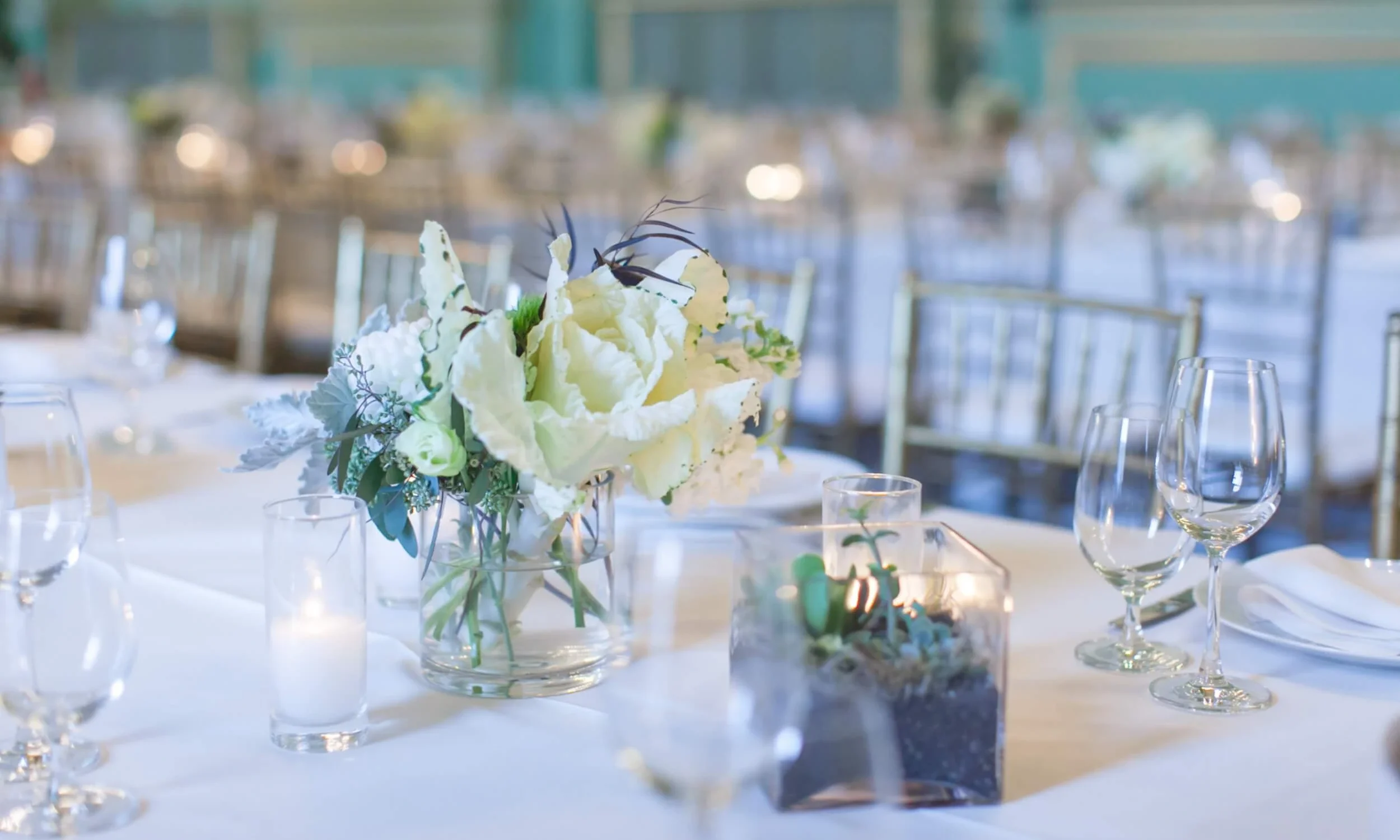
Luxury events usually involve more layers, more coordination, and more customization. Guests notice those details even when they cannot fully identify them.
That is why luxury catering prices in San Francisco often extend beyond premium ingredients alone.
A chef finishing dishes beside guests during cocktail hour creates a very different experience than traditional buffet service. A suspended dessert installation inside a converted warehouse requires planning long before the first tray reaches the floor.
Many premium events also involve collaboration across multiple creative teams, including planners, fabricators, florists, lighting crews, and venue staff.
Premium-level events often include:
Interactive culinary stations
Custom-built serving displays
Multi-course tasting menus
Chef-led finishing moments
Specialty rentals and fabrication
Branded presentation details
Expanded onsite culinary teams
Complex production schedules
The pacing changes as well. Staff may spend hours resetting stations between courses or preparing late-night service after speeches and performances.
At many large events, guests remember the moments surrounding the food as much as the dishes themselves. They remember gathering around a raw bar after sunset or watching chefs plate warm desserts during a rainy evening reception.
Those layers contribute heavily to the gourmet catering cost in San Francisco.
Wedding Catering Cost in San Francisco: Factors Couples Often Overlook
Weddings carry a different type of pressure. Families gather from different places, timelines stay tight, and expectations often stretch across generations. As a result, the wedding catering cost in San Francisco usually includes far more coordination than couples expect initially.
Outdoor weddings create especially unpredictable conditions. A dinner overlooking the ocean may need wind protection, additional lighting, or expanded kitchen prep areas. Estate weddings often involve strict access windows, narrow load-in paths, or limited parking for vendors.
The format of the day also affects staffing, rentals, and service timing more than many couples realize.
Several wedding-specific elements shape pricing:
Cocktail hour staffing and setup
Multi-course dinner pacing
Dessert stations or cake service
Outdoor production requirements
Dietary accommodations for guests
Late-night snack stations
Ceremony and reception rentals
Tastings and menu revisions
Guest flow matters heavily during weddings. Delays during speeches or transitions affect kitchen timing immediately. Even a short schedule shift can change the pacing of an entire dinner service.
Some couples also blend traditions from multiple families or cultures into one event. That may involve separate menus, additional service formats, or specialty dishes prepared onsite during the reception.
Those details build gradually throughout the planning process. Together, they influence the gourmet catering cost in San Francisco far more than most guests see during the event itself.
Corporate Catering Cost in Bay Area Events: What Impacts Pricing for Teams and Brands
Corporate events need efficiency, adaptability, and careful timing. They also need food that supports the atmosphere rather than interrupting it. Because of this, corporate catering cost in Bay Area events varies heavily by format.
A breakfast for investors in Silicon Valley requires a different setup than a launch party inside a converted Oakland warehouse. Team dinners, conferences, and media events all create different production needs.
The structure of the event often shapes pricing before menus even enter the conversation.
Several factors commonly affect costs:
Guest arrival timing and throughput
Multi-day event scheduling
Branded food presentations
Office versus offsite logistics
Staffing for interactive activations
Large-scale dietary accommodations
Production inside nontraditional venues
Some companies now build entire experiences around food interaction. Guests may move between chef stations, customize dishes, or gather around branded installations throughout the evening.
Those formats require additional coordination during both setup and service.
Large conferences create another layer of complexity. Tight networking breaks leave little room for service delays, especially with hundreds of attendees moving simultaneously through the space.
Product launches often prioritize presentation just as heavily as menu composition. Lighting, branding, and visual styling may all shape how food appears throughout the event.
Together, those moving parts influence the gourmet catering cost in San Francisco from both operational and creative perspectives.
How Guest Count Affects Catering Cost Per Person in San Francisco
Guest count influences nearly every part of event planning. However, larger groups do not always create proportionally larger costs. Smaller events sometimes surprise people most.
A private dinner for 30 guests may still require chefs, servers, rentals, transportation, and prep staff. Even with a smaller guest count, those production needs can still influence the gourmet catering cost in San Francisco significantly.
Because of this, the catering cost per person in San Francisco often looks higher for intimate gatherings. Fixed expenses simply spread across fewer guests.
Several operational factors shape how budgets scale:
Staffing minimums for smaller events
Rental minimums regardless of headcount
Batch production efficiencies
Additional coordination for large events
Expanded equipment for high-volume service
Large receptions introduce different pressures. A 500-person event may require staggered prep teams, multiple service stations, and carefully timed movement across the venue.
Smaller dinners create another type of demand. Guests usually expect more personalization, more pacing control, and closer interaction with the service team.
That balance influences the gourmet catering cost in San Francisco across every event size.
How Service Style Affects Gourmet Catering Prices
Service style shapes the energy of an event from the moment guests arrive, and it can significantly influence the gourmet catering cost in San Francisco.
Plated dinners create a more structured pace. Reception-style events encourage movement and conversation. Interactive stations naturally draw people toward the food and toward each other.
Those differences affect staffing, rentals, and kitchen coordination throughout the evening.
Several service styles influence budgets in different ways:
Plated dinners require larger service teams
Buffets reduce some floor staffing
Interactive stations increase chef involvement
Passed bites require constant circulation
Family-style meals increase tabletop rentals
Reception formats need broader guest flow planning
The venue itself also affects what works best. A narrow gallery space may feel crowded during buffet service, while a large outdoor property may support roaming stations more comfortably.
Some events benefit from slower pacing and seated courses. Others need guests moving efficiently between presentations, performances, or networking conversations.
Those choices shape labor, timing, and production throughout the event. In turn, they play a major role in the gourmet catering cost in San Francisco.
“Every gathering begins with a few thoughtful details
The most memorable events usually come together through careful pacing, good conversation, and food that fits naturally into the room. If you’d like help thinking through the flow, menu, or setting, you can connect with our team.”
How to Manage Catering Costs Without Losing the Guest Experience
A strong event budget does not depend on excess. Guests usually remember atmosphere, conversation, and hospitality long after they forget specific menu details.
Careful decisions around timing, service, and menu structure often create a better overall experience than adding more production. In many cases, those choices influence the gourmet catering cost in San Francisco more than people initially expect.
Several adjustments can help manage costs without flattening the event itself:
Use seasonal ingredients whenever possible
Simplify overly complicated menu transitions
Focus on one memorable food moment
Choose venues with working prep areas
Combine statement pieces with simpler courses
Adjust event timing strategically
Some clients spend heavily on five separate food stations when one beautifully executed station would serve guests better. Others reduce staffing pressure simply by extending cocktail hour timing slightly.
Small operational shifts can improve both guest flow and overall spending. Budgets usually work best when resources support the moments people will actually remember.
What to Ask Before Requesting Catering Proposals
The more context a catering team receives early, the easier it becomes to shape realistic recommendations and pricing. Clear event details also help teams estimate the gourmet catering cost in San Francisco more accurately from the beginning.
Before reaching out, gather several important details:
Estimated guest count
Venue location and access information
Preferred service style
Event schedule and timing
Dietary accommodations
Beverage expectations
Budget range
Desired atmosphere and guest experience
Visual references also help tremendously. A few photos or examples often communicate more clearly than broad descriptions alone.
When teams understand the venue, pacing, and priorities from the beginning, they can plan more accurately.
Building Events Around Hospitality, Creativity, and Human Connection
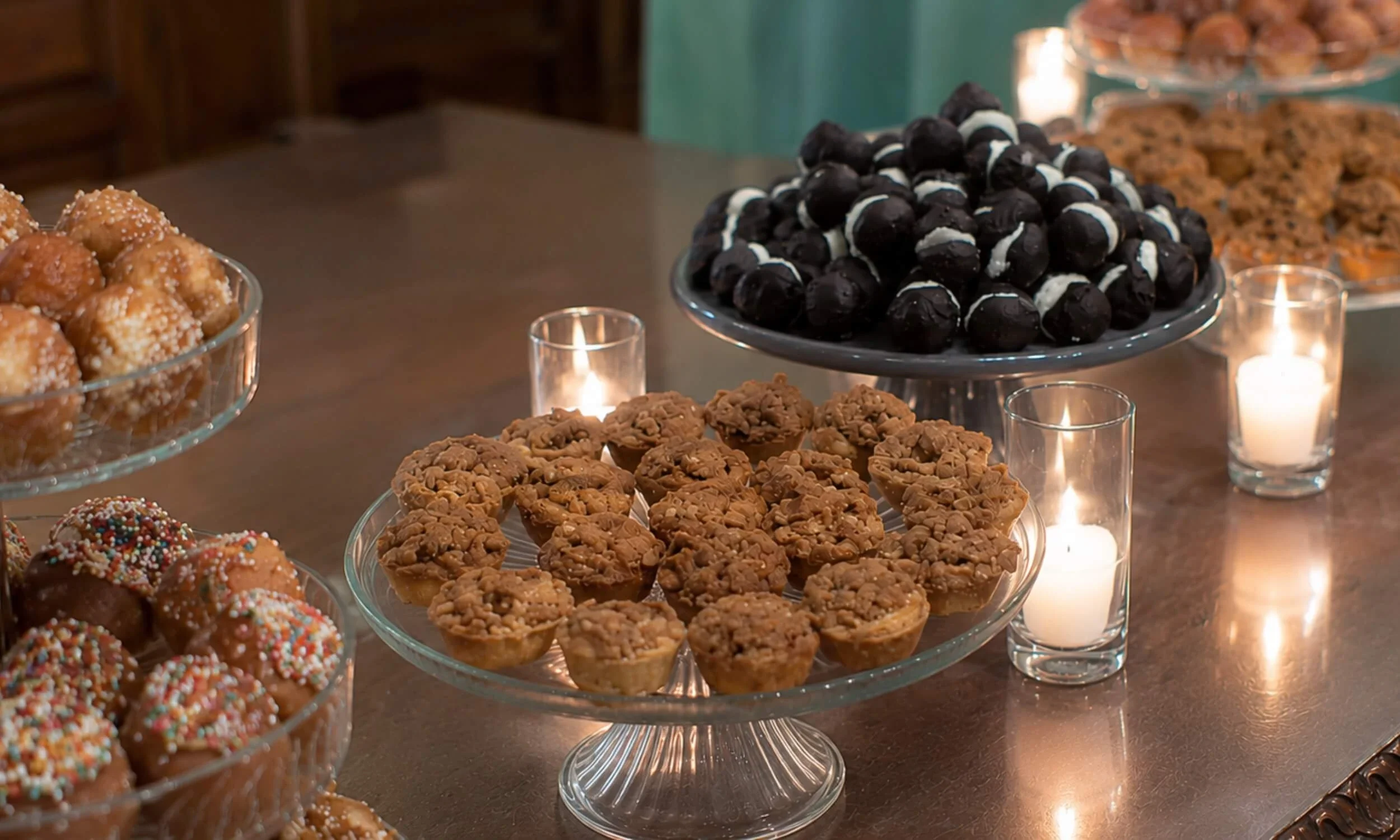
At Culinary Eye, we do not approach catering as a standard drop-off service. We build experiences around people, spaces, and interaction.
Some events need suspended grazing installations inside industrial lofts. Others need warm late-night dishes served beside a dance floor after midnight. We have worked inside galleries, private homes, offices, rooftops, wineries, and converted warehouses across the Bay Area. Those environments all require different approaches.
Our team develops menus, manages logistics, builds installations, coordinates staffing, and adapts onsite as events unfold. We also pay attention to pacing, visual presentation, and how guests move through the room naturally.
That process influences the gourmet catering cost in San Francisco in ways guests may never fully see during the event itself.
Still, they feel the difference.
They feel it when service flows smoothly during a crowded reception. They notice it when stations encourage conversation instead of bottlenecks. They remember it when food arrives at the right moment instead of interrupting the evening.
Frequently Asked Questions (FAQs)
How much does gourmet catering cost in San Francisco?
The gourmet catering cost in San Francisco depends on guest count, service style, venue logistics, staffing, and menu complexity. Full-service events with onsite chefs, rentals, and interactive stations typically cost more than standard buffet-style catering.
What is included in a full-service catering proposal?
A full-service catering proposal usually includes menu planning, staffing, rentals, setup, breakdown, food service, and event coordination. Some proposals also include bar service, custom installations, onsite chefs, and venue logistics planning.
Why does catering cost more at certain venues?
Some venues require additional labor, transportation, rentals, or equipment. Historic buildings, outdoor locations, and spaces without prep kitchens often increase production time and staffing needs.
How far in advance should I book a catering company in San Francisco?
Most catering companies recommend booking several months in advance, especially during wedding and holiday seasons. Large-scale events and custom experiences may require additional planning time.
Does guest count significantly change catering pricing?
Yes, guest count affects staffing, rentals, ingredient quantities, and production planning. Smaller events may still carry higher per-person costs because many operational expenses remain fixed regardless of headcount.
What service style is most cost-effective for large events?
Buffet and reception-style service often reduce staffing demands for larger gatherings. However, the most cost-effective format depends on guest flow, venue layout, and the type of experience the event requires.
How can I lower catering costs without changing the guest experience?
You can reduce catering costs by simplifying service styles, using seasonal ingredients, choosing venues with kitchen access, and focusing spending on a few memorable food moments rather than excessive menu variety.