
Gourmet Caterer in San Francisco: How to Choose the Right One for Your Event
Choosing a gourmet caterer in San Francisco is about more than selecting a beautiful menu. People remember the late-night slider they grabbed after dancing. They remember the pasta station everyone crowded around during cocktail hour. They remember whether dinner felt rushed or whether they actually had time to sit and talk.
That is why choosing the right gourmet caterer in San Francisco matters so much. The right team shapes the food, service, timing, room flow, and overall guest experience.
At Culinary Eye, planning starts with the room first. How will everyone move through the space? Where will conversations naturally happen? Will visitors sit for long stretches or keep circulating all evening? Those details shape the food just as much as the ingredients do.
If you are comparing catering teams for an upcoming event, here is what to pay attention to when choosing a gourmet caterer in San Francisco.
Start With the Type of Experience You Want to Create
Most hosts start by looking at menus. However, the better starting point when hiring a gourmet caterer in San Francisco is the event itself.
Think about how everyone will spend their time once they arrive. A networking reception needs a completely different setup than a wedding dinner or gallery opening. Crowd behavior changes in each environment, and the food should support that naturally.
For example, corporate mixers rarely work well with heavy plated meals. Visitors are usually balancing drinks, introductions, and conversations at the same time. Smaller bites tend to work better because conversations continue naturally without a formal dinner pause.
Seated dinners create a different pace entirely. Conversations slow down, tables become gathering points, and timing becomes much more noticeable.
A good gourmet caterer in San Francisco usually asks questions that go beyond food preferences.
Think about:
Whether visitors will stay seated or move around most of the evening
How formal or relaxed the gathering should feel
Whether networking matters more than dining
How long guests will stay at the venue
Whether the space encourages mingling or smaller group conversations.
Those early decisions affect everything later, from staffing levels to station placement.
What Sets a Gourmet Caterer in San Francisco Apart?
Many catering companies can feed large groups. What separates a true gourmet catering team is how well the food, timing, presentation, and service come together.
The best teams pay attention to details most visitors notice without realizing it. Food arrives at the right temperature. Service stays calm during busy moments. Nobody ends up trapped in a long buffet line halfway through the evening.
The differences usually show up in practical ways:
Menus change seasonally instead of repeating the same dishes year-round.
Kitchen teams finish more food onsite, so texture and temperature hold up better.
Service staff understand pacing and room dynamics during live events.
Dietary accommodations feel built into the menu instead of added afterward.
Caterers adapt to difficult venues rather than relying on fixed packages everywhere.
Planning conversations focus on the gathering itself, not only pricing and headcounts.
Flexibility matters too when hiring a gourmet caterer in San Francisco. A warehouse with limited kitchen access creates very different challenges than a private home or conference venue.
Experienced event teams know how to adjust quickly without making those changes obvious during service.
Questions to Ask Before Hiring a Gourmet Caterer
Photos only tell part of the story. Most catering websites look polished online. The real difference usually appears during conversations.
Pay attention to how the team answers logistical questions. Experienced caterers explain things clearly because they have solved the same problems many times before.
During consultations, ask questions like these:
Have you worked in this venue before, and what challenges usually come up there?
How does the team handle dietary restrictions during busy service periods?
What staffing levels do you recommend for this type of event?
Who manages timing once the event actually begins?
Do you coordinate rentals, bar service, and vendor communication?
How flexible is the menu if guest counts change close to the event?
Can the team support interactive stations or branded food concepts?
What does setup look like onsite, especially in tighter spaces?
How early does the kitchen crew arrive before everyone enters?
What usually affects catering cost in San Francisco the most?
These conversations reveal how organized a catering company really is.
The right gourmet caterer in San Francisco should make complicated logistics feel manageable instead of stressful.
“Planning an Event? Let’s Talk Through the Details
Every venue, guest list, and service style changes the way catering should work. You can reach out to our team to talk through timing, menu ideas, staffing, and what may affect overall event costs.”
How Different Venues Affect Catering Planning
Every venue changes the way catering works behind the scenes. A private home, gallery, warehouse, and rooftop all create different service challenges. Because of that, a gourmet caterer in San Francisco should study the space long before the event begins.
Some venues look beautiful during walkthroughs but become complicated once food service starts. Historic San Francisco buildings sometimes create loading problems before service even begins. Outdoor spaces may need backup plans for wind or temperature changes. Warehouse venues around the Bay Area often require temporary prep kitchens because there is little infrastructure onsite.
Guest behavior changes with the venue too. Gallery events usually need one-handed bites because people spend most of the evening walking around. Meanwhile, seated dinners in private homes require a slower service pace and tighter coordination between the kitchen and floor staff.
Venue planning usually involves:
Kitchen access and prep space
Elevator and loading restrictions
Power availability
Staging space for staff
Traffic patterns throughout the room
Weather exposure for outdoor events
Noise limitations during setup and breakdown
Most visitors never see those adjustments happening behind the scenes. They do notice when service feels crowded, delayed, or difficult to navigate. That is why experienced catering teams spend weeks preparing for venue logistics before event day arrives.
What to Expect From Full-Service Catering in San Francisco
Many people assume catering begins and ends with food. In reality, logistics usually take just as much work.
Full-service catering in San Francisco often includes staffing, rentals, setup, breakdown, floor management, and vendor coordination. Without those systems in place, even great food can feel difficult to serve smoothly.
A gourmet caterer in San Francisco should organize those moving parts early instead of waiting until event week.
Full-service support may include:
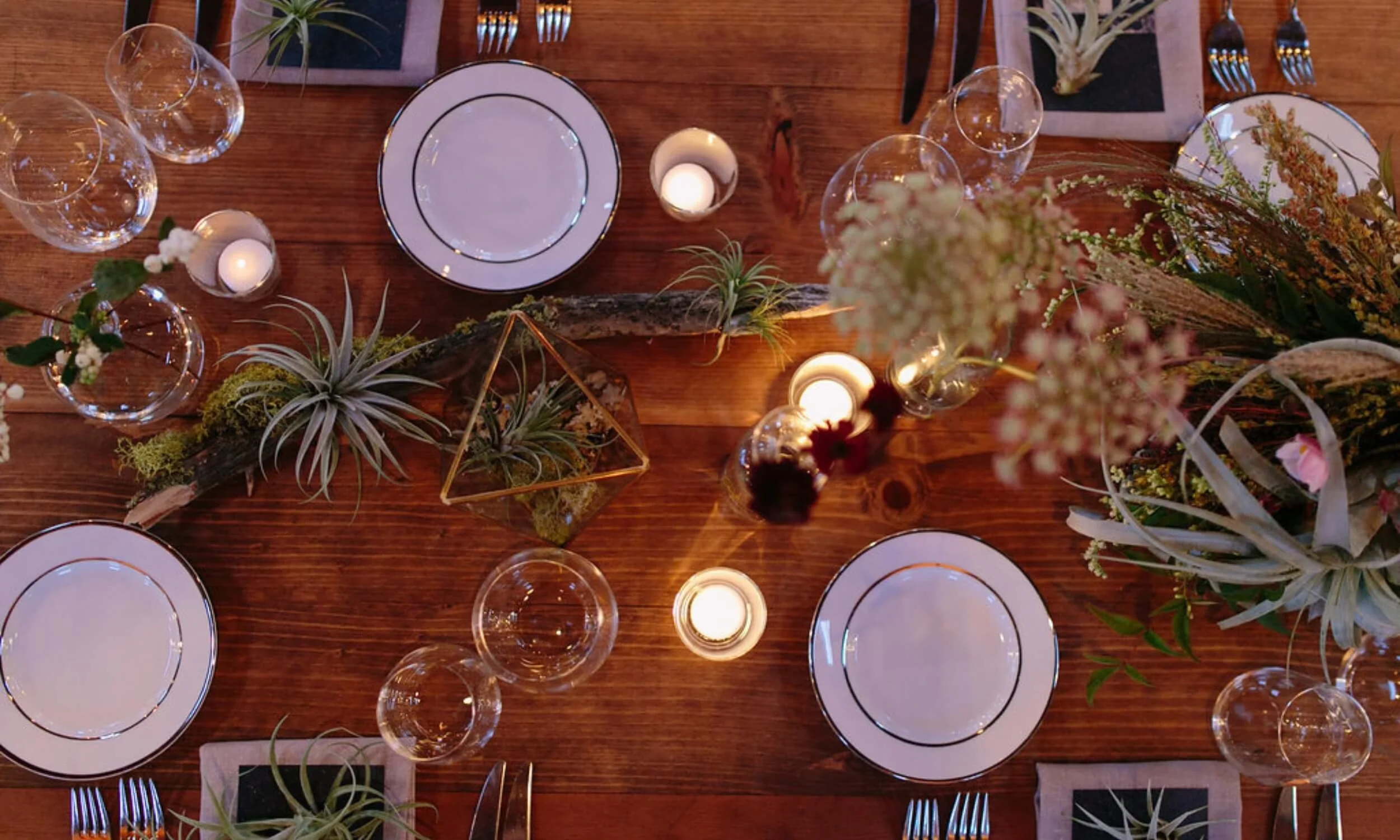
Rental coordination for tables, linens, and glassware
Staffing schedules for servers, bartenders, and kitchen crews
Setup and breakdown management
Communication with planners and venue teams
Bar service and beverage stations
Onsite timing adjustments during the event
Equipment coordination for difficult venues
Circulation planning around stations and service areas
The best service usually blends into the background. Everyone moves through the evening comfortably without waiting in long lines or wondering where to go next. For larger events, that coordination often determines whether the evening feels smooth or rushed.
“Thoughtful Catering Starts With the Right Conversation
Some events need interactive stations and guest movement. Others work better with slower pacing and seated service. You can start a conversation with Culinary Eye if you would like to explore ideas for your gathering.”
Why Custom Catering Menus in San Francisco Matter for Modern Events
Visitors expect more from event menus now. They want food that fits the setting, the season, and the atmosphere in the room. Because of that, custom catering menus in San Francisco have become far more important than fixed packages.
Customization may include:
Seasonal ingredients that make sense for the time of year
Vegetarian and vegan dishes people genuinely get excited about
Gluten-free options integrated naturally into service
Family-style menus for more conversational dinners
Smaller bites for networking-heavy events
Branded food concepts for launches and activations
Interactive stations that encourage conversation naturally
Menu flexibility also helps gatherings avoid feeling repetitive. Many visitors attend multiple corporate dinners, weddings, and fundraisers every year. They notice when menus feel copied from the same template repeatedly.
At the same time, experienced teams know which ideas work during live service. Some dishes look beautiful during tastings but become difficult once hundreds of visitors enter the room. A gourmet caterer in San Francisco should understand how to balance creativity with practical execution during large events.
The Role of Presentation in Luxury Catering in San Francisco
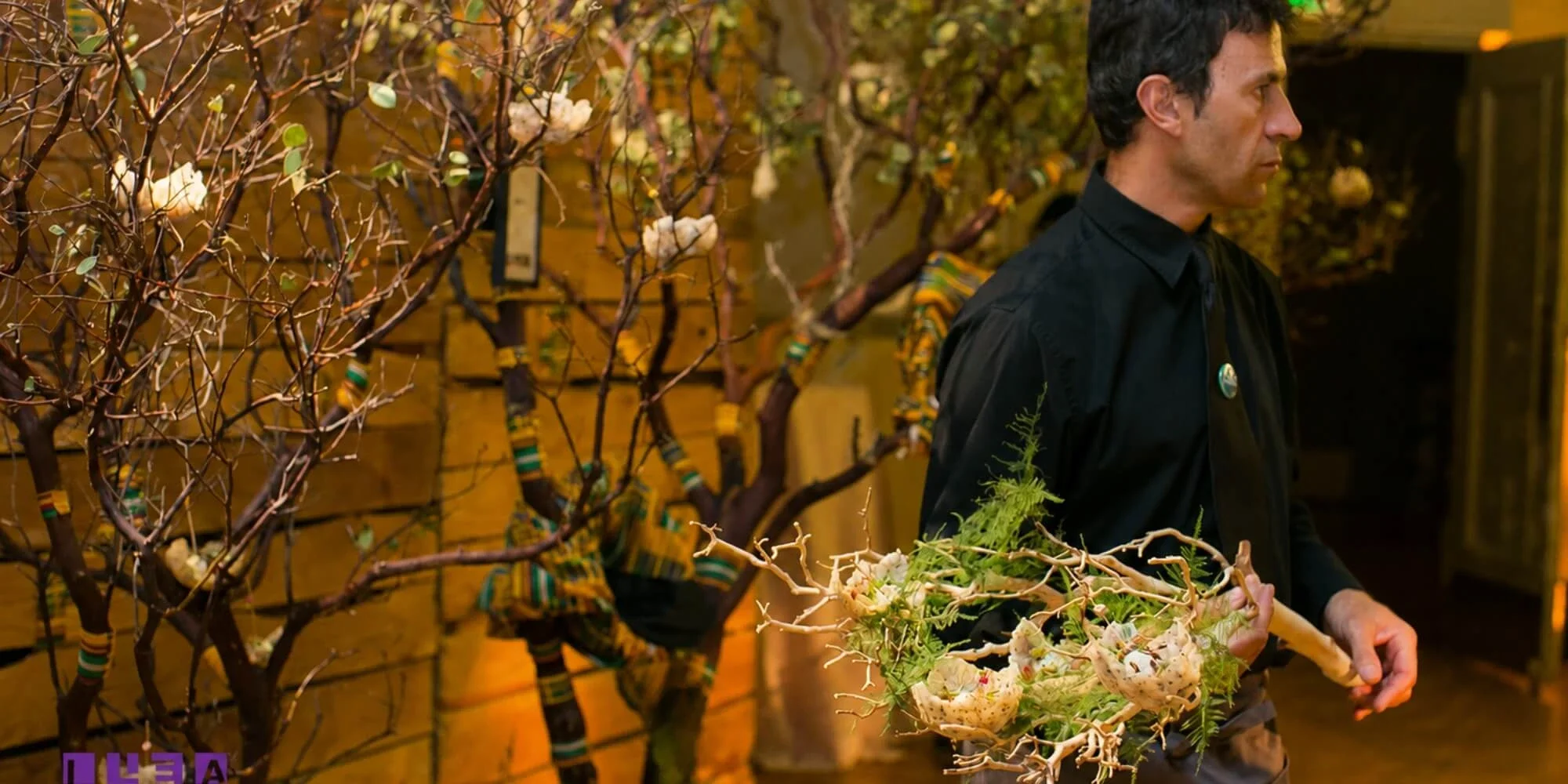
Luxury catering in San Francisco has moved far beyond oversized buffets and static displays. Many gatherings now include chef-finished stations, roaming bites, layered installations, and smaller tasting moments spread throughout the room. When presentation works well, the room feels more active and social without becoming chaotic.
Presentation choices may include:
Chef-attended carving or finishing stations
Suspended installations and layered displays
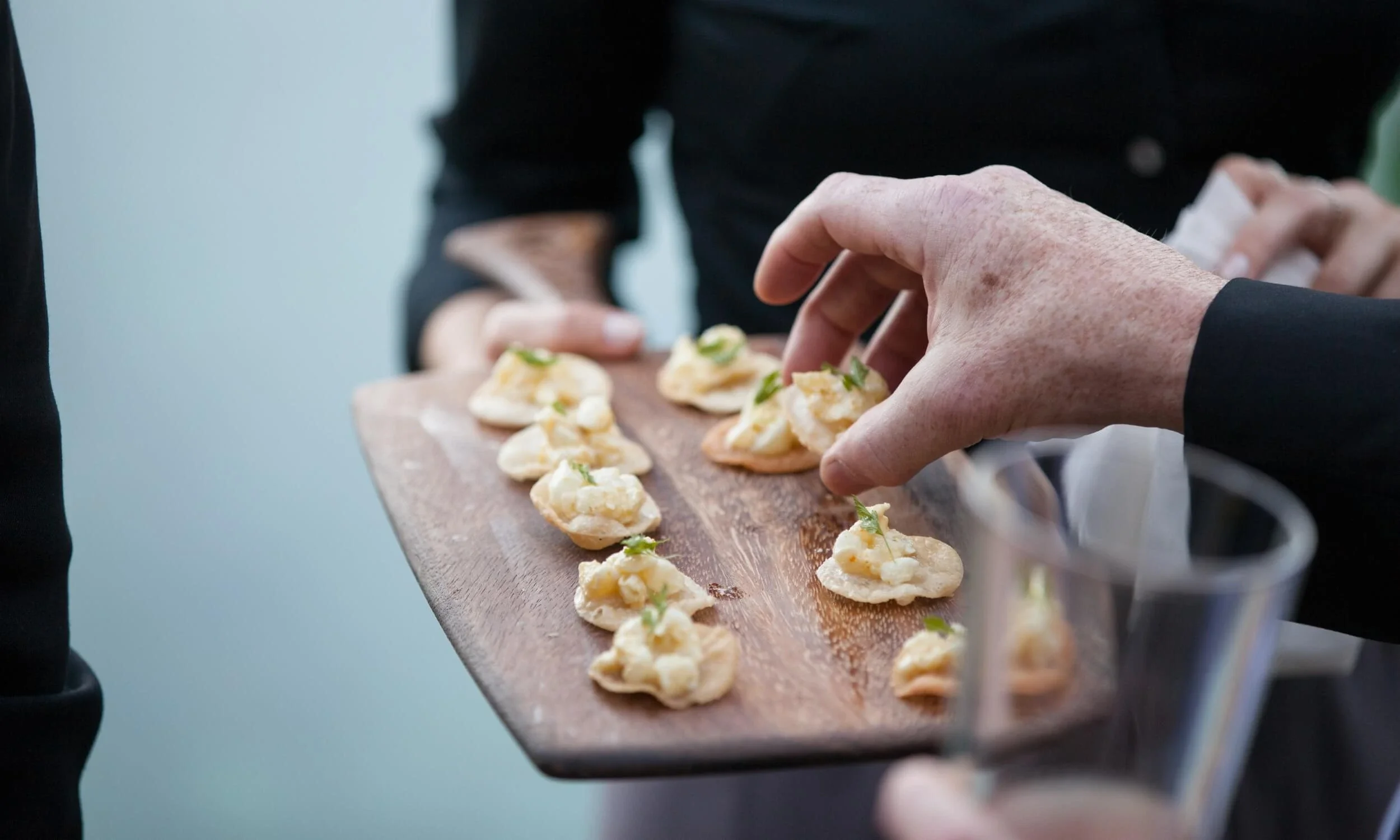
Smaller tasting portions served throughout the evening
Branded serving pieces for company events
Dessert stations designed for interaction
Roaming trays that keep visitors circulating
Color and texture choices connected to the venue itself
These details affect how everyone pauses, gathers, and interacts throughout the night. For example, visitors often linger near stations where chefs finish dishes in front of them. Roaming bites also help prevent overcrowding around one central table during busy receptions.
A gourmet caterer in San Francisco should know how to use presentation to support the atmosphere of the event rather than distract from it.
Why Choose Culinary Eye for Gourmet Catering in San Francisco
Culinary Eye approaches catering as part food experience, part environmental design. Instead of relying on preset packages, the team builds each event around the venue, guest dynamic, and overall atmosphere clients want to create.
Some events call for interactive stations and edible installations that encourage movement and conversation. Others work better with plated dinners, roaming bites, or branded culinary moments woven into the space itself. That flexibility allows Culinary Eye to work comfortably across offices, galleries, warehouses, private homes, and outdoor venues throughout the Bay Area.
A gourmet caterer in San Francisco should understand hospitality and logistics equally well. Most people never see the planning happening behind the scenes. They do notice when an event feels welcoming, organized, and comfortable from beginning to end. Those early planning conversations often shape the entire experience once the room fills up.
Frequently Asked Questions (FAQs)
How far in advance should I book a caterer in San Francisco?
Most events should book catering six to twelve months in advance. Weddings, holiday parties, and large corporate events usually require earlier booking dates, while smaller private gatherings may need less lead time depending on the season and venue.
What questions should I ask a catering company before booking?
Ask about venue experience, staffing levels, dietary accommodations, rental coordination, setup timing, and menu flexibility. These conversations help you understand how the team handles real event logistics before the event day arrives.
What affects catering cost in San Francisco?
Guest count, menu complexity, staffing requirements, rentals, venue limitations, and service style all affect catering pricing in San Francisco. Outdoor venues and spaces without kitchen access may also increase production costs.
What is included in full-service catering?
Full-service catering usually includes food preparation, service staff, rentals, setup, breakdown, bar service, and onsite coordination. Some catering teams also help manage vendor communication and service timing throughout the event.
How do caterers handle dietary restrictions?
Most experienced caterers offer vegetarian, vegan, gluten-free, and allergy-conscious menu options. Strong catering teams integrate those dishes naturally into the overall menu instead of treating them separately.
Why does venue type matter when choosing a caterer?
Venue type affects kitchen access, staffing, setup timing, power availability, and guest movement. A gourmet caterer in San Francisco should know how to adapt service plans for homes, galleries, warehouses, rooftops, and outdoor spaces.
Can catering menus be customized for themed events?
Yes. Many catering teams customize menus for weddings, corporate events, gallery openings, product launches, and holiday parties. Customization may include seasonal dishes, branded presentations, interactive stations, or family-style service.