
San Francisco Venue Catering Guide: What Hosts Should Know
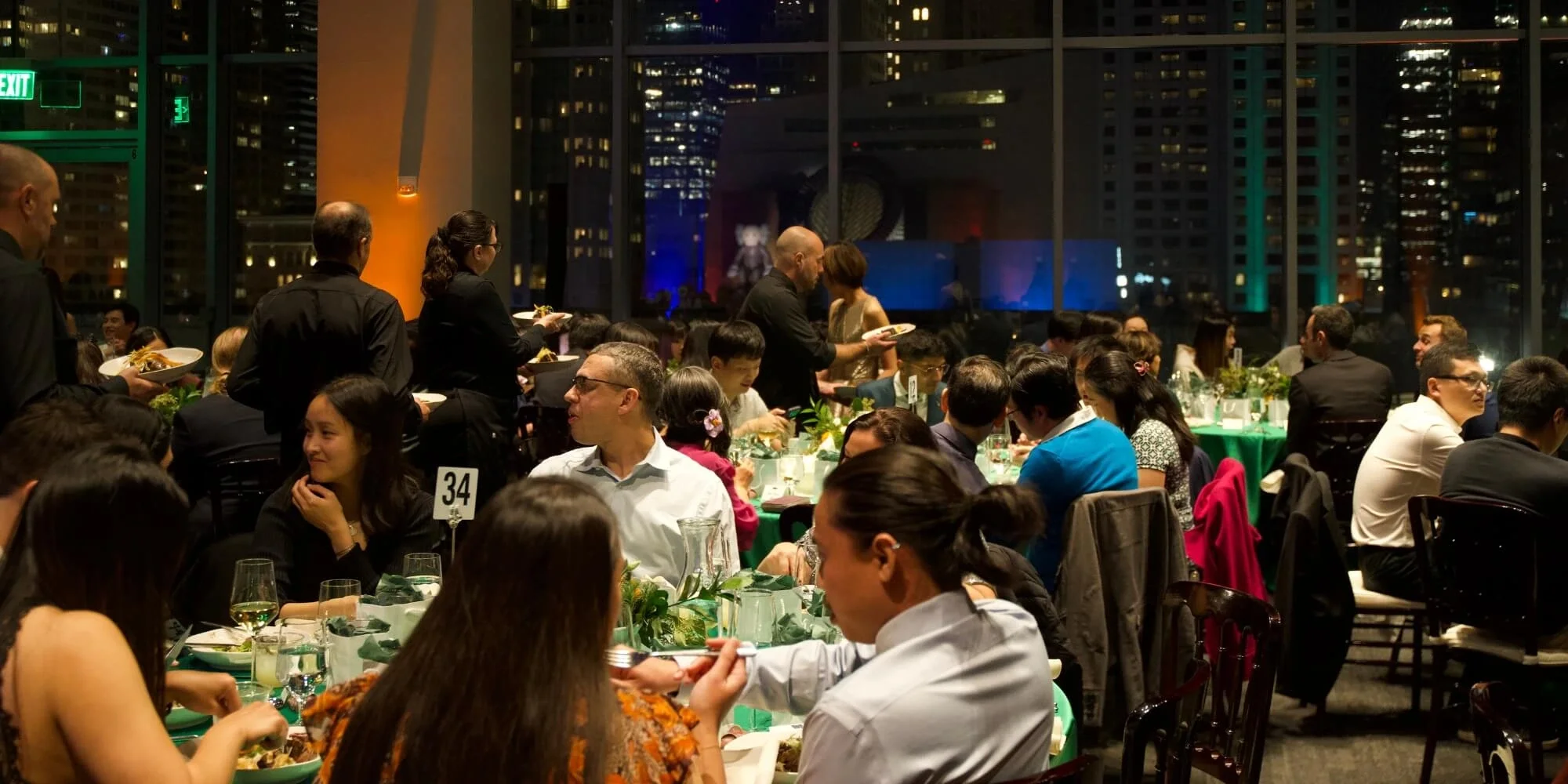
Choosing a venue is often one of the first decisions people make when planning an event. However, the venue and the catering experience are closely connected. A beautiful space may have strict vendor requirements, while a more flexible venue may open the door to different service and menu possibilities. That's why San Francisco venue catering deserves attention early in the planning process. The venue influences everything from service style and staffing to kitchen access and guest flow. This San Francisco event catering guide explores the factors hosts should consider before making catering decisions.
At Culinary Eye, we provide gourmet catering services for gatherings across the Bay Area. We work in corporate offices, galleries, private homes, warehouses, outdoor spaces, and venues with unique logistical requirements. As a result, we've seen how early planning decisions can shape the success of an event long before guests arrive.
Start by Understanding Your Venue's Catering Requirements
Before discussing menus, it's important to understand what your venue allows and requires. These details can influence both the planning process and the final guest experience. They also shape many San Francisco venue catering decisions.
A few questions can help establish a clear foundation:
Does the venue allow outside caterers? Some locations maintain exclusive catering agreements, while others welcome outside vendors.
Is there a preferred vendor list? Certain venues recommend caterers who already understand the space and its requirements.
What kitchen facilities are available? Some venues offer full kitchens, while others provide little more than prep space.
Are there load-in and load-out restrictions? Timing requirements can affect staffing schedules and setup plans.
What insurance documentation is required? Venues often request certificates before approving vendors.
Are there noise or service restrictions? Some properties have specific guidelines regarding event timing and operations.
What access limitations exist? Elevators, stairways, and parking areas can affect equipment transport and setup.
Successful San Francisco venue catering starts with understanding how the venue operates before moving into menu discussions.
Catering for San Francisco Venues: Common Challenges and Opportunities
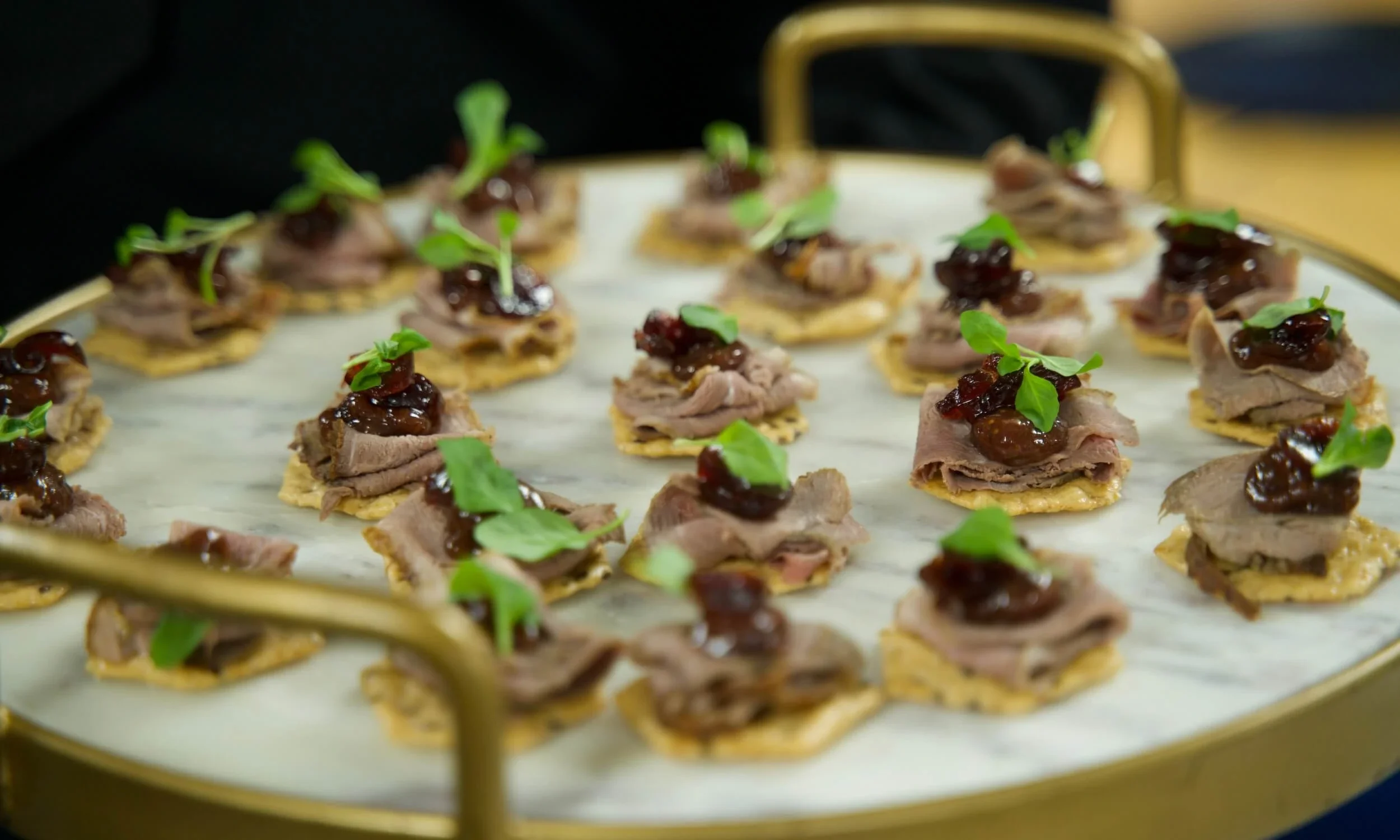
San Francisco offers a wide variety of event spaces, from historic landmarks to modern rooftops. Because each venue type comes with its own opportunities and planning considerations, San Francisco venue catering often requires a tailored approach. Understanding these differences early can help create a smoother catering experience.
Historic buildings: Preservation requirements may limit equipment placement, open flames, or certain service setups.
Rooftop venues: Stunning views create memorable experiences. However, weather conditions, elevator access, and transportation logistics often require additional coordination.
Warehouses and industrial spaces: These venues offer flexibility and character. At the same time, they may require temporary kitchens, rental equipment, and customized service plans.
Galleries and creative spaces: Artwork protection, guest circulation, and space restrictions can influence food presentation and service styles.
Outdoor venues: Seasonal weather, temperature changes, and site access can affect menu selections, equipment needs, and staffing plans.
No matter the setting, catering for San Francisco venues requires more than a great menu. It also requires careful planning that responds to the realities of the space.
How Venue Type Influences Menu and Service Decisions
No two venues support events in exactly the same way. As a result, menu planning should respond to the characteristics of the space rather than following a predetermined format.
Corporate Event Venues
Corporate environments often prioritize efficiency, flexibility, and professionalism. Guests may be attending presentations, networking sessions, or team gatherings throughout the day.
In these settings, menus often benefit from foods that are easy to enjoy without disrupting the event schedule. Grain bowls, seasonal salads, artisan sandwiches, and chef-prepared small plates can work particularly well.
When planning San Francisco venue catering for corporate spaces, timing often becomes just as important as the menu itself. Service should support the flow of the event rather than compete with it.
Private Estates and Residences
Private residences often allow hosts to create a gathering that feels closely connected to the people attending. Menus may draw inspiration from family traditions, favorite dishes, or ingredients that hold special significance.
At the same time, every home presents a different environment. Kitchen capacity, outdoor entertaining areas, and guest flow can all influence how food is prepared and served throughout the event.
Because of that flexibility, residential events often lend themselves to interactive stations, shared platters, or service styles that encourage guests to move, mingle, and spend time together. In these settings, food becomes part of the atmosphere rather than simply a scheduled part of the event.
Galleries and Creative Spaces
Galleries often encourage a different style of service. Guests typically move throughout the space rather than remaining seated for long periods.
As a result, smaller bites, passed service, and carefully designed food displays often work well. The goal is to complement the environment without distracting from the artwork or installations.
For many gallery events, San Francisco venue catering succeeds when food feels integrated into the overall experience rather than existing separately from it.
Outdoor Event Venues
Outdoor venues often create a more open and relaxed atmosphere. They also provide opportunities to take advantage of views, gardens, courtyards, and other natural surroundings.
Because food and service take place in a less controlled environment, menu planning requires additional consideration. Certain dishes perform better than others in direct sunlight, wind, or changing temperatures. Likewise, service stations and preparation areas may require additional equipment depending on the location.
As a result, outdoor events often benefit from early coordination. Weather plans, equipment needs, and guest comfort should all be considered well before the event date. These factors are often central to San Francisco venue catering, particularly when events take place in parks, gardens, waterfront locations, or other outdoor settings.
Bay Area Venue Catering: Logistics That Matter Behind the Scenes
The Bay Area offers an unusually wide range of event environments. A waterfront venue in Sausalito presents different logistical considerations than a downtown San Francisco gallery or a winery event in Napa. Because of that variety, catering plans often require additional coordination behind the scenes.
A few logistical considerations deserve attention early in the planning process:
Equipment needs: Some venues provide kitchen infrastructure, while others require temporary cooking and service equipment.
Power access: Outdoor locations and unconventional spaces may need additional power sources for food preparation and service.
Rental coordination: Tables, linens, serving pieces, and kitchen equipment often involve separate rental providers.
Staffing plans: Guest count, service style, and venue layout all influence staffing requirements.
Weather preparation: Conditions can vary significantly across the region, particularly for outdoor events.
Vendor collaboration: Caterers frequently coordinate with planners, rental companies, florists, production teams, and venue managers.
These details influence more than logistics. They also affect service quality, timing, and guest comfort. Strong Bay Area venue catering requires careful coordination long before the first plate reaches a guest.
What Full-Service Venue Catering Actually Includes
Many hosts associate San Francisco venue catering primarily with the food being served. In reality, a comprehensive catering partner often supports a much larger portion of the event.
A typical full-service venue catering package may include:
Menu development and culinary planning
Staffing for setup, service, and breakdown
Rental coordination and management
Beverage service planning
Venue walkthroughs and site assessments
Vendor communication and scheduling
On-site event management
Post-event cleanup support
Understanding what is included can help hosts evaluate proposals more effectively and identify where additional support may be needed. It can also provide a clearer picture of the gourmet catering cost, since staffing, rentals, coordination, and event management often account for a significant portion of the overall investment. Many aspects of San Francisco venue catering happen behind the scenes, making a full-service approach valuable for bringing those moving parts together under one team.
“Need Help Estimating Your Event Budget?
Venue requirements often influence more than the menu. Staffing, rentals, kitchen access, and service logistics can all affect the overall investment. We’re happy to talk through your plans and help you understand what may shape the budget.”
Questions to Ask Before Choosing a Venue Caterer
The right questions can reveal how prepared a caterer is to work within a specific venue environment. They can also help identify potential challenges before planning progresses too far.
When evaluating potential partners, consider asking:
Have you worked at this venue before?
How do you handle venues with limited kitchen access?
What staffing recommendations would you make for this event?
Can you accommodate dietary restrictions and allergies?
Which rentals are included, and which require separate arrangements?
How do you coordinate with other vendors?
What contingency plans do you recommend for outdoor events?
How do you manage setup and breakdown logistics?
Have you conducted a walkthrough of the venue?
A strong San Francisco venue catering partner should be able to answer these questions clearly while adapting recommendations to the specific venue and event goals.
“Hosting in a Nontraditional Venue?
Every venue brings different opportunities and considerations. Whether you’re hosting in a gallery, private residence, warehouse, or outdoor setting, we can help you think through food, service, and logistics from the start.”
Working With Culinary Eye Across San Francisco and the Bay Area
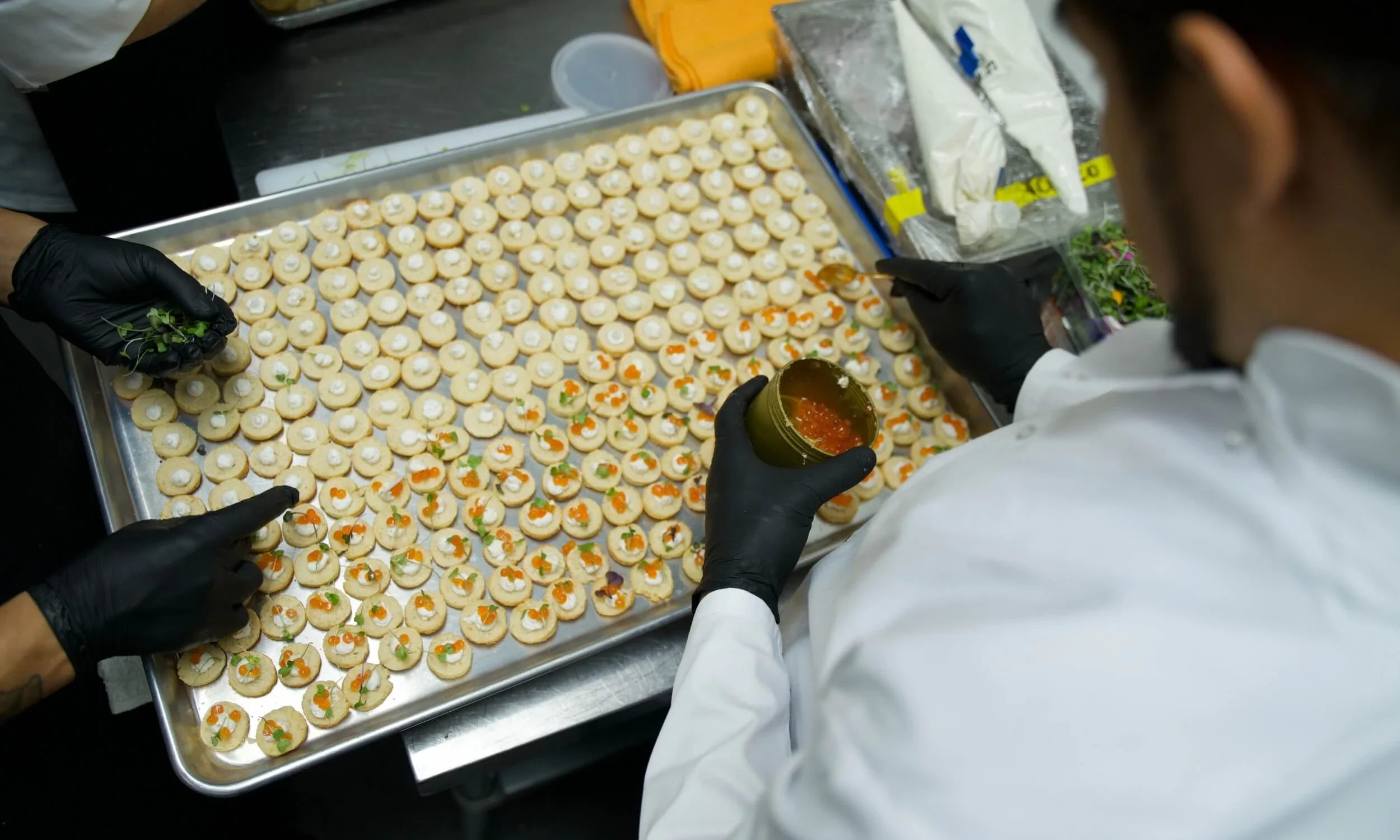
Every venue comes with its own considerations, from access and logistics to service style and guest flow. That's why we begin by understanding the space, the people attending, and the goals behind the gathering.
Our team works across corporate offices, private residences, galleries, warehouses, outdoor venues, and other unconventional spaces throughout the Bay Area. Through years of planning and executing San Francisco venue catering for a wide range of events, we've learned how to adapt menus and service plans to different environments while keeping the focus on the people attending.
Whether you're hosting a client event, celebrating a milestone, or bringing people together for a special gathering, we approach each event with the same focus: creating food experiences that support the people and moments that matter most.
Frequently Asked Questions (FAQs)
What should I ask at a venue before hiring a caterer?
Start by asking whether the venue allows outside caterers, what kitchen facilities are available, and whether there are setup or timing restrictions. You should also ask about insurance requirements, parking access, preferred vendor lists, and any operational guidelines that could affect service.
Do San Francisco venues allow outside catering?
Many venues allow outside catering, but policies vary significantly. Some venues maintain exclusive catering agreements, while others provide preferred vendor lists or allow hosts to choose their own caterers. Always confirm catering policies before signing a venue contract.
How much does San Francisco venue catering cost?
The cost of San Francisco venue catering depends on guest count, menu complexity, staffing, rentals, service style, and venue requirements. Events that require additional equipment, specialized staffing, or extensive setup often involve higher costs. Requesting a detailed proposal can help clarify exactly which services, rentals, and staffing needs are included.
What is included in venue catering services?
Venue catering services may include menu planning, food preparation, staffing, rentals, beverage service, setup, breakdown, and vendor coordination. Some providers also offer event management support and venue-specific planning assistance. The exact services vary depending on the event and catering company.
Can a caterer work in a venue without a kitchen?
Yes. Experienced caterers frequently work in venues with limited or no kitchen facilities. Depending on the location, they may bring temporary equipment, establish mobile prep areas, or adjust service plans to suit the available infrastructure.
What types of venues work best for catered events?
Corporate offices, private residences, galleries, warehouses, outdoor spaces, hotels, and dedicated event venues can all support catered events successfully. The best choice depends on the event goals, guest count, and desired atmosphere.
How do I choose the right caterer for a unique event venue?
Look for a caterer with experience working in a variety of environments. Ask about previous venue experience, logistical planning, staffing capabilities, and contingency plans. A strong caterer should understand how to adapt service, menus, and operations to the specific requirements of the venue.