
Corporate Event Staffing Checklist: San Francisco Guide
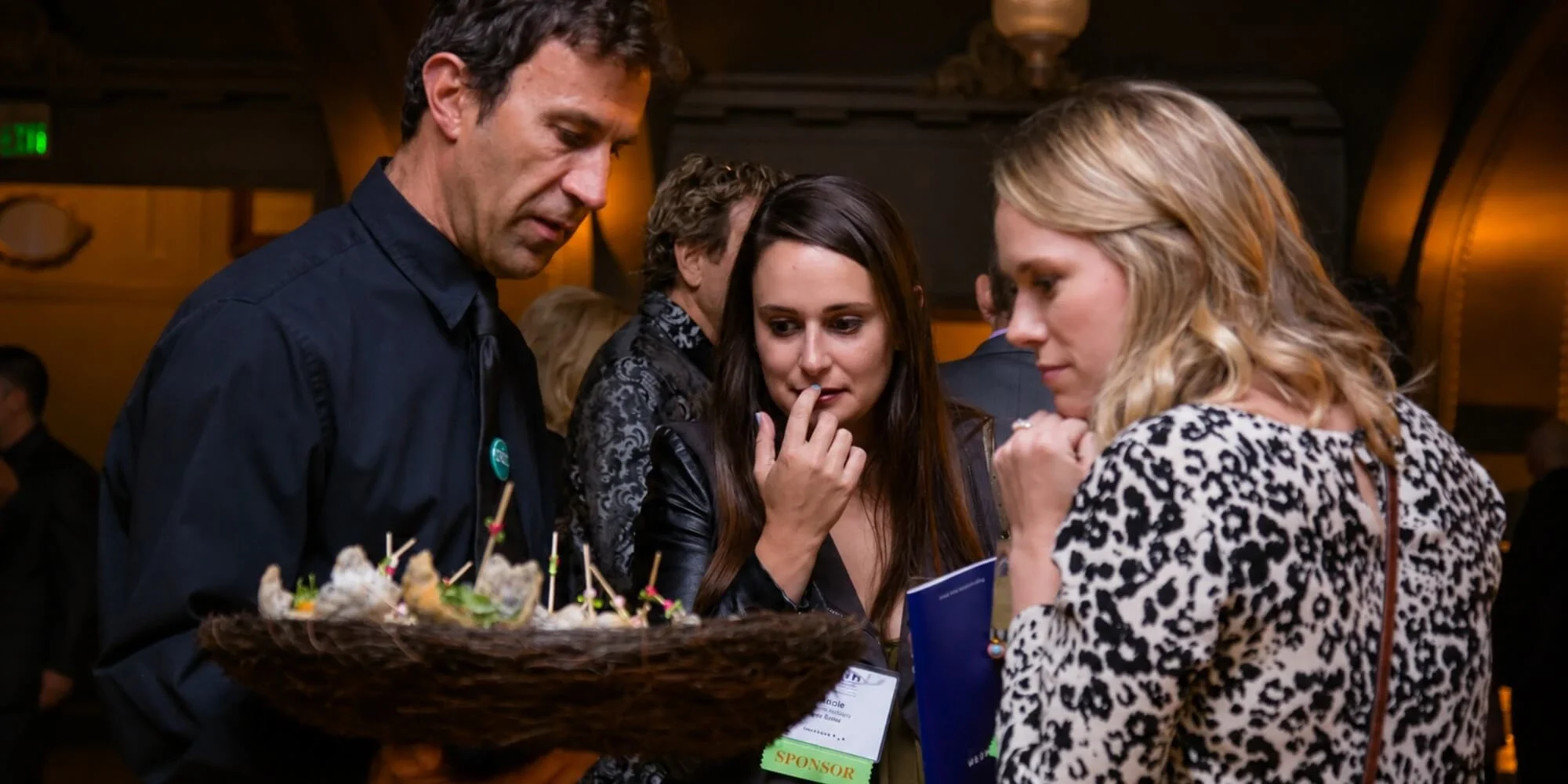
Planning a corporate event often starts with the visible pieces: the venue, menu, agenda, and guest experience. Staffing decisions, however, are sometimes left until later in the process. The people greeting attendees, serving meals, answering questions, and managing transitions often determine whether an event feels organized or difficult to navigate. That is why many planners build a corporate event staffing checklist early in the planning process rather than waiting until the final weeks.
At Culinary Eye, we provide corporate event staffing in San Francisco and throughout the Bay Area, supporting events in hotels, office buildings, conference venues, private event spaces, and outdoor locations. Over the years, we have supported conferences, client receptions, team celebrations, product launches, and company gatherings in a wide range of venues. Those experiences have shown us that a well-planned corporate event staffing checklist often plays an important role in keeping events organized from the earliest planning stages through event day.
Why Staffing Planning Matters for Corporate Events
Corporate events often involve multiple moving pieces happening at the same time. Guests arrive while registration is underway. Presentations run on a schedule. Food service must align with programming. Meanwhile, attendees still expect a welcoming experience throughout the event.
As a result, staffing affects much more than hospitality. It also affects timing, communication, guest flow, and problem-solving. A registration line that moves efficiently creates a different first impression than one that backs up into the lobby.
Similarly, a well-prepared service team can help transitions happen smoothly between presentations, networking sessions, and meals.
A strong corporate event staffing checklist creates structure before event day arrives. It helps planners think through operational needs before they become last-minute challenges.
Corporate Event Staffing Checklist: Start With Your Event Requirements
Before deciding how many staff members you need, it helps to understand how the event will actually function. The most useful corporate event staffing checklist begins with the practical details that shape the guest experience.
Start by reviewing these core event details:
Guest count: Attendance affects service levels, staffing coverage, and guest support needs.
Event format: A networking reception operates differently than a conference or awards dinner.
Venue layout: Multiple rooms, outdoor spaces, elevators, loading areas, and separate activity spaces often require additional staffing coordination.
Event timeline: Arrival periods, presentations, meal service, and departures all influence staffing schedules.
VIP attendance: Executives, speakers, and special guests may require additional support.
Service style: Buffets, plated meals, and reception-style service create different staffing demands.
Consider two events with the same number of attendees. One may involve a simple reception in a single room. The other may include registration, breakout sessions, lunch service, and a closing reception. Although attendance remains identical, staffing needs can look completely different.
That is why a corporate event staffing checklist should focus on the event's structure rather than guest count alone.
“Need Help Building Your Corporate Event Staffing Plan?
Every corporate event comes with different staffing needs. A conference, client reception, product launch, and company celebration rarely require the same team. If you are sorting through roles, timing, service style, or venue logistics, Culinary Eye can help you build a staffing plan that fits your event.”
Corporate Event Staff Roles You May Need

Once the event requirements become clear, the next step involves identifying the right team. Understanding common corporate event staff roles can help planners assign resources where they will have the greatest impact.
Event Captains
Event captains often become the central point of communication during an event. They oversee service operations, coordinate team members, and help keep schedules on track. For larger corporate events, a captain can help prevent small issues from becoming larger disruptions.
Servers
Servers do far more than deliver food and beverages. They help maintain service stations, answer guest questions, monitor dining areas, and support the overall flow of the event. During busy periods, they often become the team members guests interact with most frequently.
Bartenders
Bartenders manage beverage service while maintaining organization behind the bar. They often balance speed, guest interaction, and operational efficiency at the same time. During networking events, the bar frequently becomes one of the busiest areas in the room.
Registration and Check-In Staff
First impressions begin before guests enter the event space. Registration staff help manage arrivals, distribute badges, answer questions, and direct attendees where they need to go. Their role becomes especially valuable during conferences and large corporate gatherings.
Brand Ambassadors
Some corporate events require more than hospitality support. Product launches, activations, and promotional events often benefit from team members who can engage directly with attendees and represent the organization throughout the event.
Setup and Breakdown Crew
Guests rarely see the work that happens before doors open or after they leave. However, setup and breakdown crews help transform venues, move equipment, arrange furniture, and prepare service areas. Their work creates the foundation for everything that follows.
Not every event requires every role. However, a thoughtful corporate event staffing checklist should identify which positions will best support the event's goals, logistics, and guest experience.
How to Determine Staffing Levels for Corporate Events in San Francisco
One of the most common questions planners ask when building a corporate event staffing checklist is how many staff members they actually need. Unfortunately, there is rarely a simple formula. Guest count matters, yet several other factors influence staffing requirements as well.
When planning corporate event staffing in San Francisco, consider:
Event format: Conferences, networking receptions, awards dinners, and client events all operate differently.
Service style: A buffet requires different staffing than passed appetizers or plated meals.
Venue layout: Multiple rooms often require additional coverage and coordination.
Registration requirements: Larger check-in areas may need dedicated personnel.
Presentation schedules: Events with strict agendas often benefit from stronger operational support.
Guest movement: Frequent transitions between spaces can increase staffing needs.
Two events may host the same number of attendees and require completely different teams. A networking reception may require staff throughout the room to support conversations, food stations, and beverage service. A seated dinner concentrates service around specific meal periods and coordinated table service. The attendance remains the same, yet the demands on staff change significantly.
A strong corporate event staffing checklist helps planners evaluate these factors together rather than relying on guest count alone. Staffing plans are often finalized several weeks before an event to allow time for scheduling, coordination, and operational preparation.
Pre-Event Staffing Checklist for Event Day Success
Most staffing challenges begin long before guests arrive. Therefore, preparation often has a greater impact on success than last-minute problem-solving. A well-organized corporate event staffing checklist can help teams prepare more effectively and identify potential issues before event day.
Before event day, confirm these staffing details:
Arrival times for all team members.
Venue access instructions including loading procedures.
Setup assignments for each service area.
Event timelines and schedule changes.
Communication plans for onsite coordination.
Team leadership responsibilities and reporting structure.
Guest-facing expectations for service and hospitality.
Emergency contacts and venue management information.
Many planners create a separate conference staffing checklist for larger gatherings. However, the same principle applies to nearly every corporate event. When everyone understands their responsibilities before arrival, the day tends to run more smoothly.
Common Corporate Event Staffing Mistakes to Avoid
Even well-organized events can encounter preventable staffing issues. Fortunately, most of them begin during the planning process rather than on event day.
Common mistakes include:
Waiting too long to secure staff.
Underestimating setup and breakdown labor.
Providing inaccurate attendance estimates.
Failing to communicate schedule changes.
Overlooking venue access restrictions.
Assigning too many responsibilities to a small team.
Finalizing operational details at the last minute.
Consider a conference that adds an additional breakout room shortly before the event. The change may seem minor. However, it can affect staffing coverage, guest direction, and service timing throughout the day.
A detailed corporate event staffing checklist helps identify these issues before they create larger operational challenges.
“Need a Corporate Event Staffing Estimate?
Staffing budgets often depend on guest count, service style, venue logistics, and event format. If you’d like a clearer picture of what your event may require, we’re happy to walk through the details and provide pricing information.”
What to Look for When Hiring Staff for Corporate Events

Experience matters. However, experience alone does not determine how a team will perform during an event.
When evaluating staff for corporate events, consider:
Experience with similar event formats.
Communication throughout the planning process.
Professional appearance and guest interaction skills.
Ability to adapt when plans change.
Leadership and onsite supervision.
Familiarity with complex venues and schedules.
References or examples of previous corporate events.
It is also helpful to evaluate staffing decisions within the broader event budget. Many planners compare staffing expenses alongside the overall corporate catering cost because food service and staffing often work hand in hand during an event.
Service requirements can also vary depending on whether an event includes onsite service, drop-off catering, or offsite catering in San Francisco. Different catering formats create different logistical considerations, which may influence staffing responsibilities and coverage.
Ultimately, the strongest teams do more than complete assigned tasks. They help maintain organization, support guest needs, and keep service moving smoothly throughout the event.
Plan Your Corporate Event Staffing With Culinary Eye
At Culinary Eye, we view staffing as one part of a much larger experience. Guests may notice the food, the presentations, or the venue first, yet the people supporting those moments often influence how the event feels from start to finish.
That is why we look beyond headcounts and schedules. We think about where guests enter, when lines may form, how rooms transition between activities, and where support may be needed throughout the day. Those observations help shape staffing plans that fit the event rather than relying on a standard formula.
A well-prepared team helps everything work together more smoothly. While a corporate event staffing checklist provides an important framework, it is thoughtful preparation and strong execution that bring the event to life.
Frequently Asked Questions (FAQs)
How many staff do I need for a corporate event?
The number of staff needed for a corporate event depends on the guest count, event format, venue layout, and service style. Conferences, networking receptions, and seated dinners all require different staffing levels to support guest service and event operations.
What staff are needed for a corporate event?
Common corporate event staff include event captains, servers, bartenders, registration staff, brand ambassadors, and setup and breakdown crews. The roles required depend on the event schedule, guest experience goals, and logistical requirements.
When should I book staff for a corporate event?
You should book staff as early as possible for a corporate event. Early booking provides greater staff availability, allows more time for planning, and helps reduce last-minute scheduling challenges.
Do I need registration staff for a corporate event?
Registration staff are often recommended for conferences, meetings, and large corporate events. They help manage guest arrivals, distribute badges, answer questions, and direct attendees throughout the venue.
How do venue logistics affect staffing requirements?
Venue logistics affect staffing requirements by influencing setup time, guest flow, and operational coordination. Factors such as loading access, elevators, multiple rooms, and outdoor spaces often require additional staffing support.
What should I look for when hiring corporate event staff?
When hiring corporate event staff, look for experience, professionalism, communication skills, adaptability, and onsite leadership. A strong team can help maintain organization, support guests, and keep the event running smoothly.