
Event Staffing Cost in San Francisco: What You Can Expect to Pay and Why Rates Vary
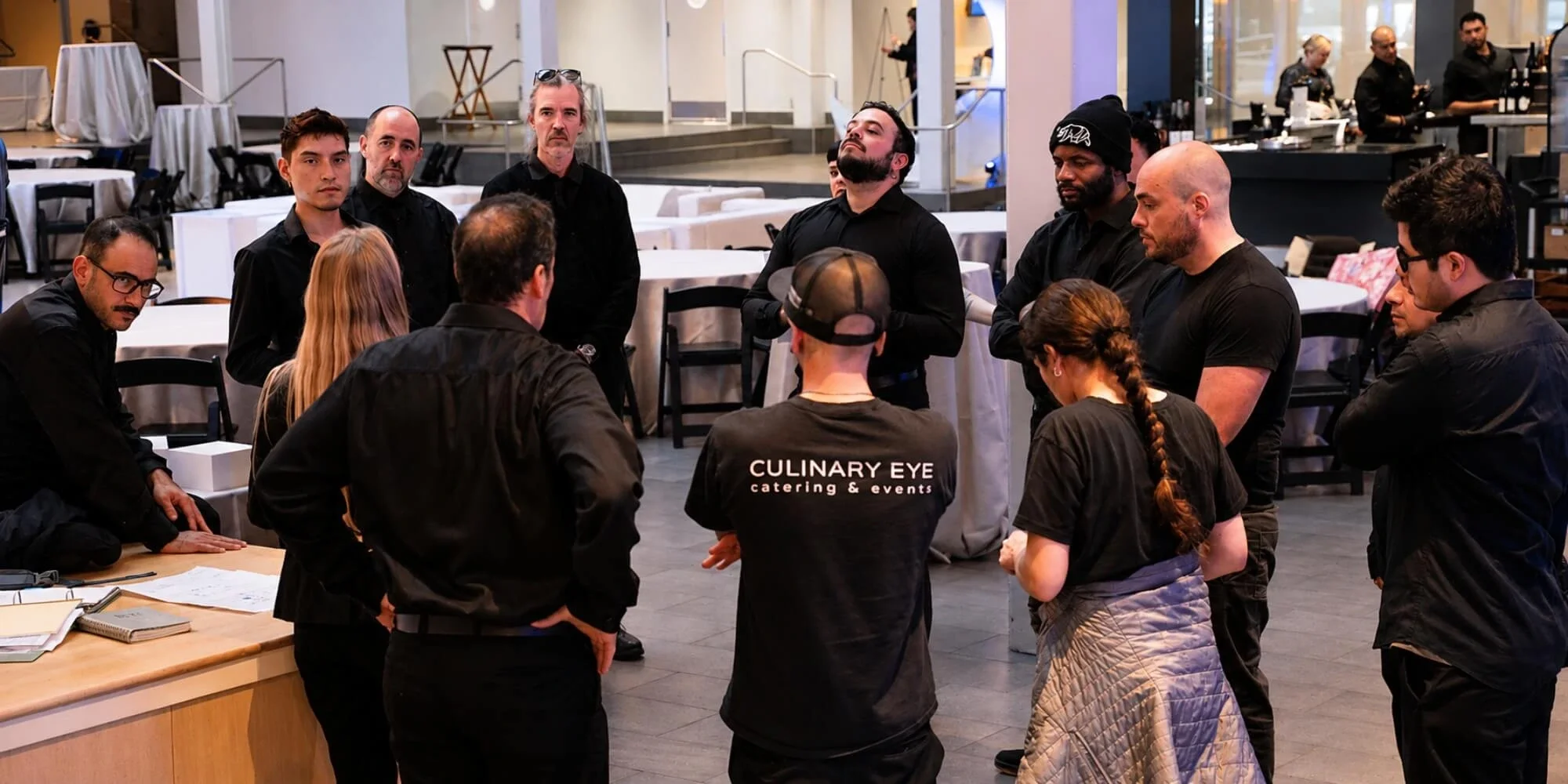
Planning an event means balancing dozens of decisions at once. You need the right venue, the right food, the right timeline, and the right team to bring everything together. While décor and menus often receive the most attention, staffing plays an equally important role in how guests experience an event. That is why many planners research the event staffing cost in San Francisco before reaching out for proposals. Whether you are organizing a networking reception, a company celebration, a fundraising gala, or a private gathering, staffing costs can vary significantly from one event to another.
At Culinary Eye, we provide event staffing services for events across the Bay Area. Over the years, we have seen how venue logistics, guest counts, service styles, and scheduling needs influence staffing budgets. Understanding these factors can help you better evaluate the event staffing cost in San Francisco and avoid surprises later in the planning process.
What Is the Average Event Staffing Cost in San Francisco?
The average event staffing cost in San Francisco usually depends on the role, event length, service style, venue logistics, and staffing minimums. Most proposals are built around hourly labor, setup and breakdown time, and onsite management needs, so the final quote can vary widely from event to event.
For example, a 50-person networking reception in a downtown office requires a different staffing plan than a 300-person product launch with multiple bars, food stations, and guest check-in areas.
San Francisco also presents unique labor considerations. Higher operating costs, transportation challenges, and strong demand for experienced hospitality professionals all contribute to pricing.
Many planners focus on hourly rates. However, staffing costs often reflect far more than the hours staff spend onsite. Preparation, scheduling, setup, breakdown, venue coordination, and onsite management can all influence the final proposal. In addition, rates may vary by role. Event captains, bartenders, brand ambassadors, and setup crews often have different responsibilities and skill requirements.
As a result, staffing should be evaluated within the full event plan rather than treated as a simple hourly line item. A well-prepared team can improve service flow, reduce delays, and help guests feel comfortable throughout the event.
Understanding Event Staff Pricing in San Francisco
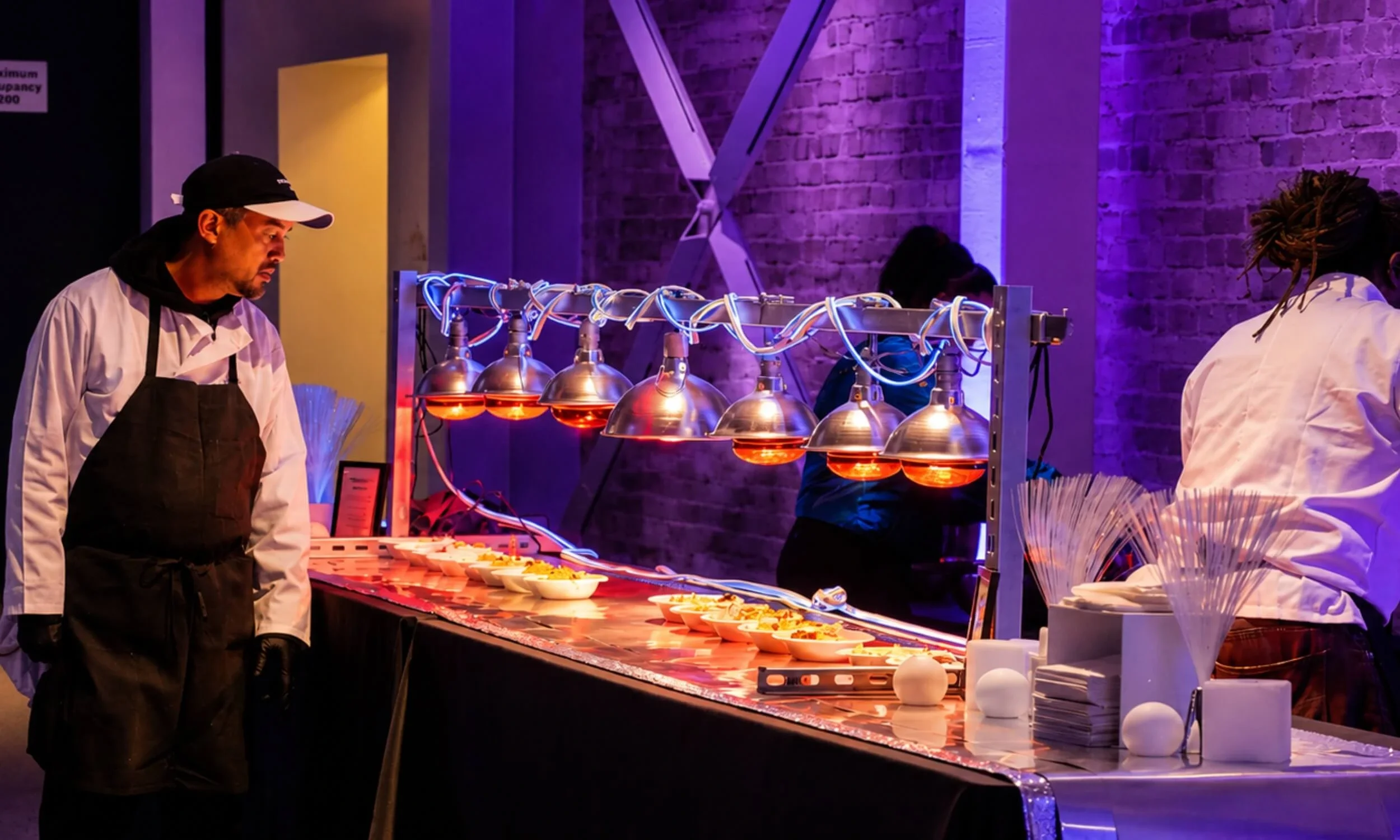
Not every event position requires the same experience or responsibilities. Therefore, event staff pricing in San Francisco varies according to the role being filled.
A bartender managing a busy beverage station faces different demands than a setup crew preparing furniture and equipment before guests arrive. Understanding these distinctions can help planners build a staffing strategy that supports both the budget and the guest experience.
Event Servers
Event servers support food and beverage service throughout the event. They often interact with guests more than any other team member. Their responsibilities may include tray-passed appetizers, buffet maintenance, table service, and clearing.
Bartenders
Bartenders manage beverage preparation, guest communication, bar organization, and responsible service throughout the event. During larger events, they often work in fast-paced environments where organization and guest communication matter just as much as drink preparation.
Event Captains
Event captains oversee service operations onsite. They coordinate staffing teams, monitor timelines, and address issues before they affect guests.
Brand Ambassadors
Brand ambassadors often work at activations, product launches, and experiential events. They represent a company directly and help create meaningful interactions with attendees.
Setup and Breakdown Crew
Setup and breakdown crews handle many of the tasks guests never see. They prepare service areas, arrange equipment, move furniture, and help restore the venue once the event concludes.
While some events require only servers and bartenders, others need captains, brand ambassadors, or dedicated setup crews. As responsibilities become more specialized, staffing costs often increase. These distinctions play an important role in determining the event staffing cost in San Francisco and the overall staffing strategy for an event.
What Factors Affect Event Staffing Costs?
Several factors influence the final event staffing cost in San Francisco. While guest count matters, it is only one part of the equation.
Guest count: More guests often require more servers, bartenders, and support staff. However, service style can be just as important as attendance.
Event duration: Longer events require more labor hours and may trigger overtime costs.
Service style: A plated dinner usually requires more coordination and staff coverage than a buffet, reception, or casual station-style event.
Venue accessibility: Freight elevators, long load-in routes, and limited parking can increase labor needs.
Staffing ratios: Higher service expectations often require more staff per guest.
Seasonal demand: Peak event periods can make experienced staff more difficult to secure.
Every event combines these factors differently. For example, a 150-person cocktail reception may require fewer staff than a 150-person plated dinner with multiple courses. As a result, two events with the same guest count can have very different staffing budgets.
“Every Event Starts with Different Questions
Guest count is only one part of the picture. Venue logistics, service style, timing, and staffing needs all shape the final plan. If you’d like a clearer sense of what your event may require, we’re happy to walk through the details with you.”
Hourly Event Staff Cost: What Determines the Final Rate?
Many planners begin their research by asking about the hourly event staff cost. While hourly rates provide a useful starting point, they rarely tell the whole story.
Most staffing teams work within schedules that include preparation time, active service, and post-event responsibilities. As a result, the number of hours on a proposal may exceed the hours guests spend onsite.
Understanding Minimum Shift Requirements
Many event staffing providers establish minimum shift lengths. This approach helps cover scheduling, travel, and administrative costs. For shorter events, minimums may affect the final quote.
Overtime and Extended Events
Events do not always end on schedule. A networking reception may run longer than expected, or a program may experience delays. When timelines extend, labor costs often increase as well.
Setup and Breakdown Labor
Guests rarely see the work that happens before doors open. Yet setup and breakdown require planning, coordination, and labor. These hours contribute to the overall event staffing cost in San Francisco and should not be overlooked during budgeting.
Holiday and Peak-Date Considerations
Certain dates attract a higher volume of events. During busy periods, competition for experienced hospitality professionals often increases.
When reviewing staffing proposals, it helps to focus on the complete scope of labor rather than a single hourly figure. This approach creates a more realistic understanding of event expenses.
Event Staffing Rates in Bay Area: Why Location Impacts Pricing
Location influences staffing costs in ways many planners do not anticipate. Therefore, understanding event staffing rates in Bay Area markets can help explain pricing differences between seemingly similar events.
Why a Downtown Venue Often Costs More to Staff
A downtown venue may look ideal on paper, yet the logistics can be more demanding behind the scenes. Limited parking, loading restrictions, security procedures, and tight access windows often require additional coordination. Staff may also spend more time moving equipment through loading zones and navigating venue access requirements before service begins.
How Venue Logistics Affect Labor Hours
Some venues require staff to transport equipment across long distances or work through freight elevators and multiple floors. While guests rarely notice these details, they can add time to both setup and breakdown. These logistical requirements often affect staffing schedules and help explain why the event staffing cost in San Francisco can vary from one venue to another.
What Happens During Peak Event Seasons
The Bay Area hosts conferences, festivals, fundraisers, and corporate gatherings throughout the year. During busy periods, demand for experienced event professionals often increases. As a result, staffing availability can become more limited, especially for large events or last-minute bookings. Booking early can provide access to a wider pool of qualified staff and greater scheduling flexibility.
Location rarely appears as a line item on a proposal. However, it often influences staffing needs long before guests arrive. For that reason, the event staffing cost in San Francisco frequently reflects operational considerations that guests never see.
How Many Event Staff Members Do You Actually Need?
One of the most common planning questions involves staffing levels. Understandably, organizers want to avoid overstaffing while ensuring guests receive attentive service. The answer depends on the event format, service style, and operational complexity.
Staffing for Cocktail Receptions
Cocktail receptions encourage guests to move throughout the venue. Staff often support passed appetizers, beverage stations, and ongoing replenishment.
Staffing for Seated Dinners
Seated dinners require greater coordination. Teams must manage multiple courses, timing, guest requests, and table maintenance.
Staffing for Corporate Events
Corporate events often include registration areas, presentations, networking sessions, and food service. Consequently, staffing plans may involve several types of personnel.
Staffing for Large Public Events
Large-scale events usually require broader operational support. Guest flow, service stations, and logistics often require additional staffing coverage.
The right staffing level depends on more than attendance numbers. A 100-person cocktail reception and a 100-person seated dinner create very different service demands. Looking at guest flow, service style, and venue logistics together will produce a more accurate staffing plan and a clearer understanding of the event staffing cost in San Francisco.
Common Mistakes That Can Increase Staffing Costs
Even experienced planners occasionally encounter unexpected staffing expenses. Fortunately, many of these costs can be avoided through early planning and clear communication. In many cases, the final event staffing cost in San Francisco increases not because of the event itself, but because of avoidable planning decisions.
The most common mistakes include:
Booking staff at the last minute.
Providing inaccurate guest counts.
Underestimating setup requirements.
Changing schedules repeatedly.
Overlooking venue restrictions.
Adding service elements late in the process.
Clear planning helps staffing teams prepare efficiently. In turn, planners gain greater budget predictability and operational confidence.
What to Look for Beyond Price When Hiring Event Staff
When comparing providers, it is important to look beyond the event staffing cost in San Francisco alone. The lowest quote does not always provide the best value. The people working your event influence everything from guest interactions to service timing and problem-solving throughout the day.
When evaluating staffing providers, consider:
Experience with events similar to yours.
Training and hospitality standards.
Communication before and during the event.
Ability to adapt when schedules or conditions change.
Leadership structure and onsite supervision.
Familiarity with complex venues and event formats.
It is also helpful to understand how event staffing agency pricing reflects recruiting, scheduling, management, training, and operational oversight. A lower rate may not include the same level of preparation or support.
Staffing decisions can also influence related expenses, including bar service cost and overall event efficiency. A well-prepared team often helps service move more smoothly, reduces operational challenges, and supports a better guest experience from start to finish.
Requesting an Event Staffing Quote in San Francisco
Getting an accurate estimate of the event staffing cost in San Francisco starts with providing detailed event information. While many planners focus on guest count first, staffing needs often depend on several other factors as well.
The following details help staffing providers develop more accurate proposals:
Event date: Availability can vary throughout the year, especially during busy event seasons.
Venue location: Travel requirements and venue access can influence staffing plans.
Guest count: Attendance helps determine staffing levels, but it is only one part of the equation.
Service style: A cocktail reception, buffet, and seated dinner all require different staffing approaches.
Event timeline: Start times, service periods, and event length affect labor hours.
Setup requirements: Early preparation often requires additional staffing support.
Breakdown requirements: Post-event cleanup and venue restoration should be included in planning.
Special service needs: Registration support, brand ambassadors, or specialty service stations may require additional personnel.
When comparing proposals, it can also be helpful to look at staffing expenses alongside other event costs, including the broader catering cost in San Francisco. Viewing these expenses together often creates a more realistic picture of the overall event budget.
You may also come across discussions about temporary event staff cost while researching options. However, staffing duration is only one factor. Service style, venue logistics, staffing roles, and event complexity often have a greater influence on the final proposal.
“Planning the Details Starts Here
The right staffing plan supports more than service. It helps guests move comfortably through the event and keeps the day running as expected. If you’re working through logistics, timelines, or staffing needs, our team can help you think through the next steps.”
Beyond Staffing: Creating a Seamless Event Experience
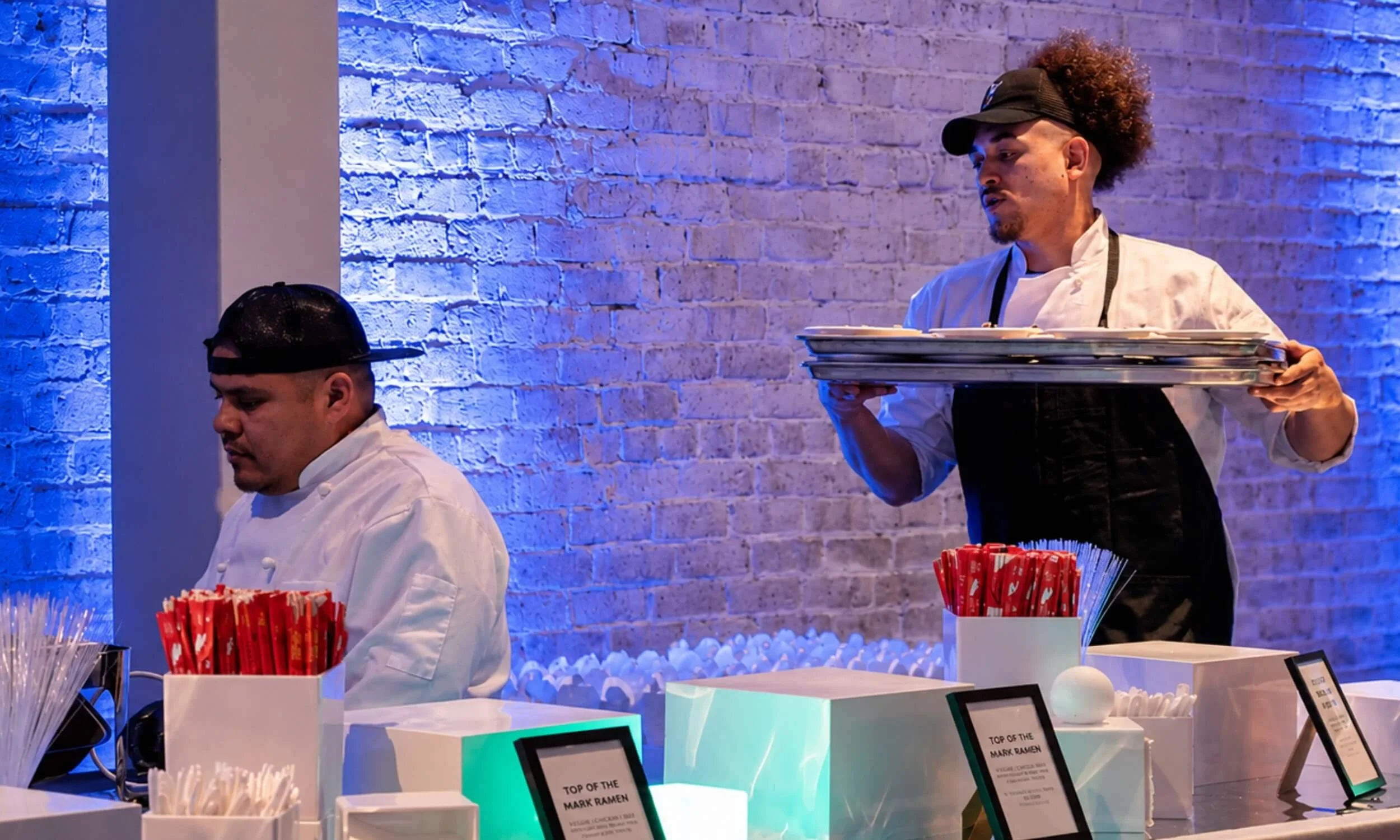
At Culinary Eye, staffing is part of a larger event strategy. We look beyond schedules and headcounts to understand how guests will move through a space, interact with the experience, and connect with the people around them.
While the event staffing cost in San Francisco is an important planning consideration, the role of a staffing team extends far beyond labor alone. Our team supports corporate gatherings, private celebrations, brand activations, and events in a wide range of spaces across the Bay Area, adapting to the unique needs of each event.
For us, great staffing is not simply about filling roles. It is about creating a team that supports the flow of the event, responds to guest needs, and contributes to an experience that feels welcoming, organized, and thoughtfully executed from beginning to end.
Frequently Asked Questions (FAQs)
What is the average event staffing cost in San Francisco?
The average event staffing cost in San Francisco depends on the event size, service style, duration, venue logistics, and staffing roles required. Smaller events typically need fewer staff, while large corporate events, galas, and activations often require larger teams and additional coordination.
How many event staff members do I need for my event?
The number of event staff you need depends on your guest count, event format, and service expectations. Cocktail receptions, seated dinners, conferences, and brand activations all require different staffing levels to maintain service quality and guest support.
Are event staff charged by the hour?
Yes, many event staffing companies charge hourly rates. However, pricing may also include setup time, breakdown labor, minimum shift requirements, overtime, and onsite management depending on the event.
What types of event staff can you hire?
Common event staff include servers, bartenders, event captains, brand ambassadors, registration staff, greeters, and setup and breakdown crews. The right mix depends on the event format and operational needs.
How far in advance should you book event staff?
It is best to book event staff as early as possible. Early booking provides greater availability, more staffing options, and additional time for planning, especially during peak event seasons.
What information is needed for an event staffing quote?
Most staffing providers need the event date, venue location, guest count, service style, event schedule, and staffing requirements. Providing complete details helps create a more accurate proposal and staffing plan.