
Wedding Staffing Guide: Servers, Bartenders, Captains, and Cleanup Crew
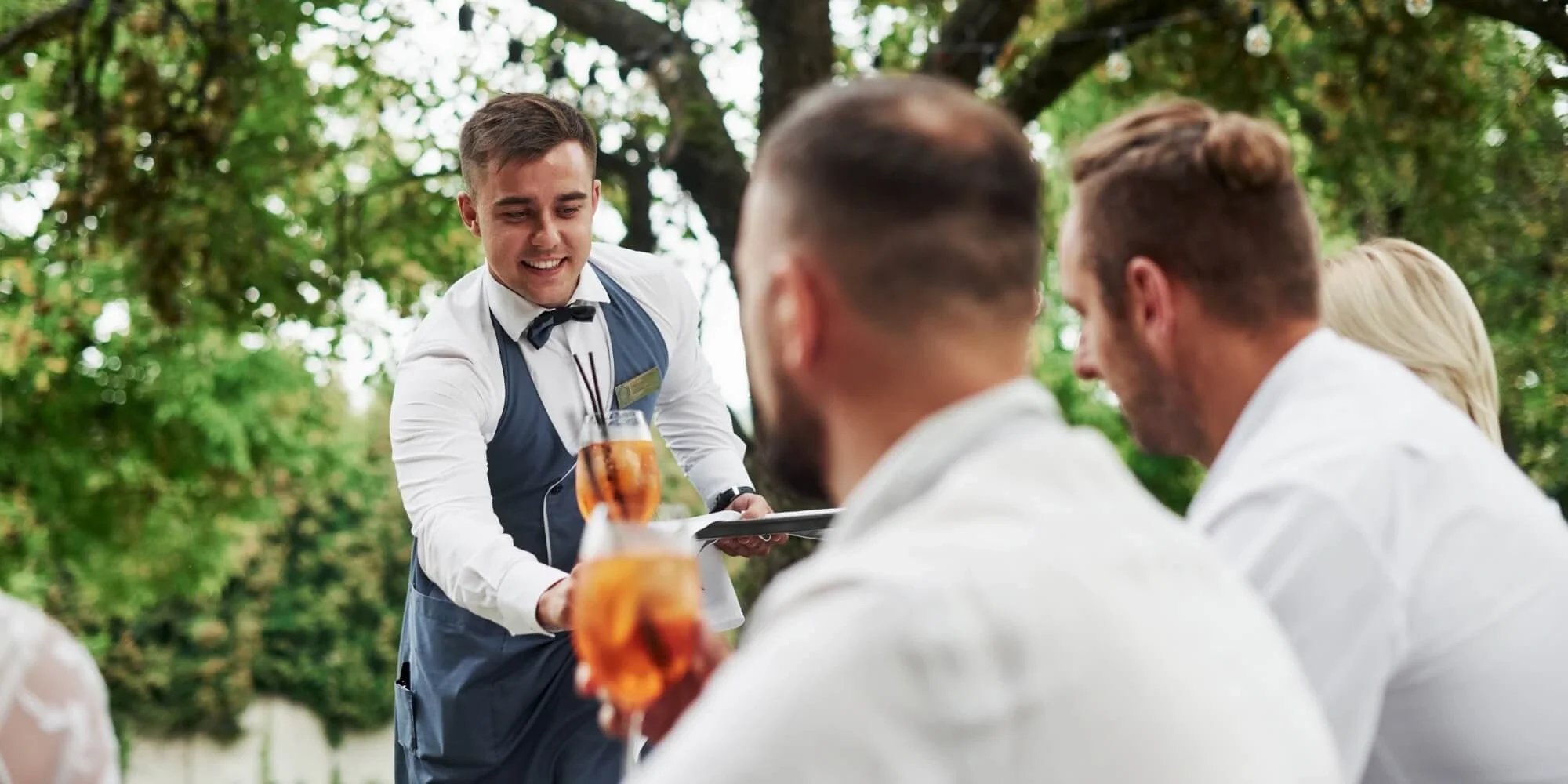
A wedding staffing guide can help couples answer one of the most overlooked planning questions: how many people are needed to keep the event running smoothly? The number of servers, bartenders, captains, and support staff on site can affect everything from cocktail hour and dinner service to breakdown at the end of the night. At Culinary Eye, event staffing services are planned around the specific requirements of each celebration, from guest count and service style to venue logistics and production needs.
In this guide, we'll break down the responsibilities of each staffing role, explore how different approaches to wedding catering shape staffing decisions, and share practical considerations for building the right service team for your celebration.
Why Wedding Staffing Matters More Than Most Couples Realize
When couples think about guest experience, they often focus on the menu, décor, or entertainment. However, staffing influences how guests interact with all of those elements throughout the event.
A well-planned wedding can still encounter problems if there are not enough people to support the service. Bar lines become longer, food stations require more frequent attention, and tables take longer to clear between courses. As a result, small delays can begin affecting other parts of the celebration.
Cocktail hour often reveals these challenges first. Guests leave the ceremony at the same time, head toward the bar, and begin gathering around passed appetizers. During that period, service demand peaks quickly. Without adequate staffing, wait times increase and crowded areas become more difficult to manage.
The right staffing plan helps maintain both service quality and guest flow throughout the event.
Servers keep food moving during busy service periods.
Bartenders help reduce wait times at beverage stations.
Service staff maintain dining areas during the reception.
Event teams coordinate transitions between different parts of the celebration.
Staff communicate with planners, vendors, and venue teams throughout the event.
Additional personnel provide coverage during peak service periods.
Experienced team members help resolve issues before guests notice them.
A strong wedding staffing guide looks beyond headcount alone. It considers how staffing affects timing, guest movement, food service, and the overall experience from arrival through cleanup.
Understanding the Key Roles on a Wedding Service Team
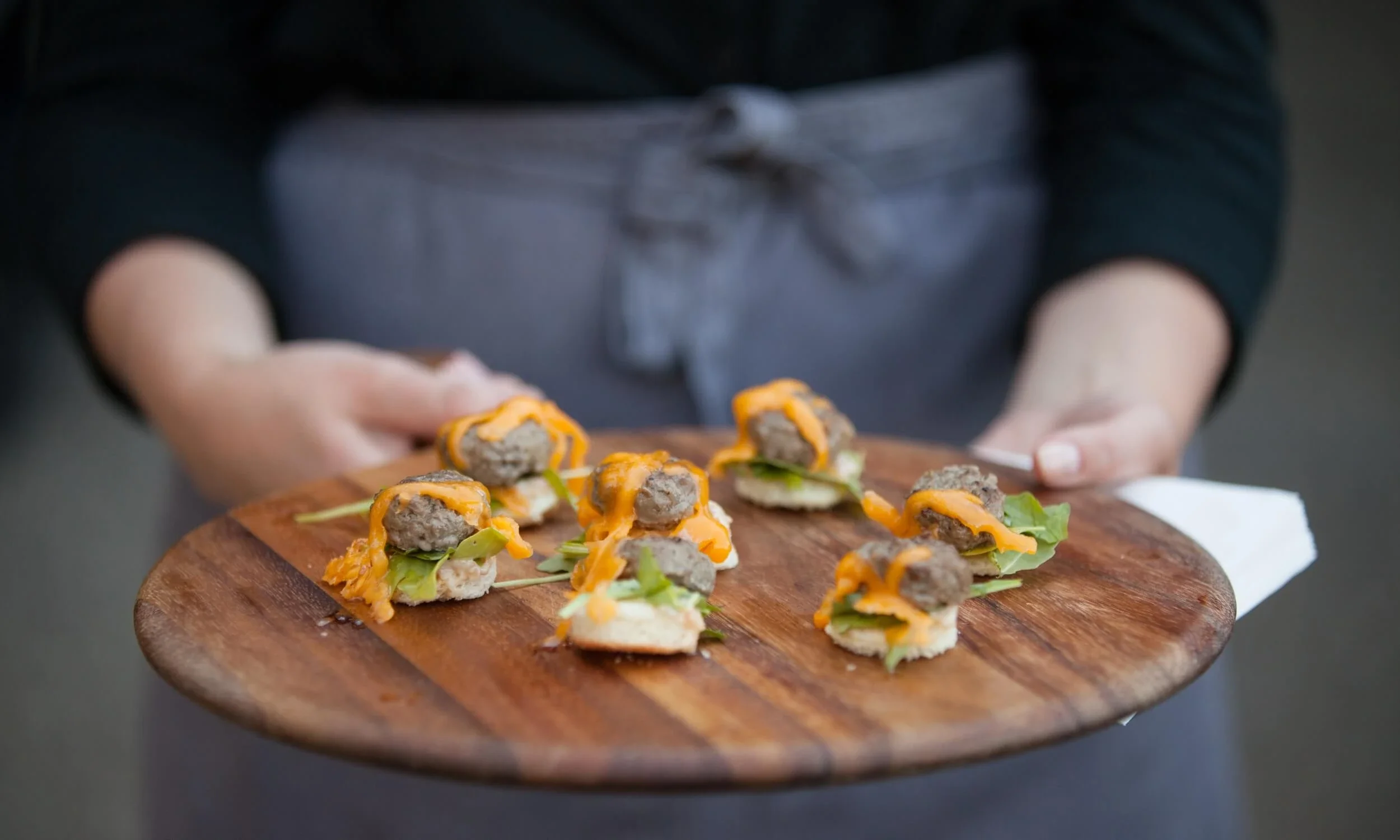
One of the most important parts of any wedding staffing guide is understanding what each team member is responsible for. Different roles contribute to different stages of the event, from food service and beverage service to timeline coordination and post-event breakdown. Knowing how those responsibilities fit together can help couples build a service team that matches their guest count, venue, and event format.
Wedding Servers
Servers handle many of the guest-facing responsibilities throughout a wedding. Depending on the service style, they may pass appetizers, deliver plated meals, replenish buffet stations, clear tables, and assist guests during the reception.
Strong servers do more than transport food. They pay attention to guest activity throughout the venue and adjust accordingly. For example, they may focus service in crowded areas, refresh stations before they become depleted, or help maintain a steady flow during busy periods.
As a result, server coverage often has a direct impact on service speed, guest comfort, and the overall dining experience.
Wedding Bartenders
The bar often becomes one of the busiest areas at a wedding. In many events, beverage service experiences its highest demand during cocktail hour and immediately after dinner, making staffing levels particularly important during those periods.
Bartenders prepare and serve drinks while maintaining efficiency and consistency throughout the event. They also organize bar stations, monitor inventory, and help prevent unnecessary delays during peak service times.
When wedding servers and bartenders work together effectively, guests spend less time waiting and more time enjoying the celebration. A well-developed wedding staffing guide should account for both food and beverage service when determining staffing levels.
Wedding Event Captain
Most guests never know this person exists. Yet this role often solves more problems than anyone else on site.
An event captain oversees service operations and serves as the primary communication point during the celebration. This person coordinates with planners, venue staff, vendors, and the service team to help keep the event on schedule.
When a ceremony runs late, weather affects outdoor plans, or a vendor schedule changes unexpectedly, the captain helps coordinate adjustments across the team. Rather than allowing small issues to affect the entire event, this person helps keep operations moving forward.
For larger weddings, this role often becomes one of the most valuable members of the service team. Any wedding staffing guide should account for leadership and coordination responsibilities, not just service coverage.
Wedding Cleanup Crew
The event may end when guests leave, but the work rarely stops there.
Many venues require specific breakdown procedures. Rentals must be organized, service equipment must be packed, and designated areas often need to be restored before departure. Depending on the venue, cleanup responsibilities may also include waste removal, furniture breakdown, and coordination with rental providers.
Without adequate cleanup staffing, a successful event can end with unnecessary stress, overtime costs, or venue-related complications.
A complete wedding staffing guide should account for every phase of the event, including what happens after the last guest departs.
How Many Servers for a Wedding?
Guest count is often the first thing couples consider when estimating staffing levels. However, service style, venue layout, event duration, and guest movement can have just as much influence on the size of the service team.
For example, a seated reception for 150 guests creates very different service demands than a reception where those same guests circulate between food stations throughout the evening. Different wedding catering styles require different approaches to staffing, even when guest counts are identical.
While every event is different, many planners use general staffing benchmarks as a starting point:
Plated dinners often require 1 server for every 12–20 guests.
Buffet receptions often require 1 server for every 25–35 guests.
Cocktail-style receptions may require additional service coverage across multiple areas.
Bars often require 1 bartender for every 50–75 guests.
These benchmarks provide a useful starting point, but staffing decisions should always reflect the specific needs of the event. A wedding staffing guide can help couples evaluate those needs more accurately.
Staffing for Plated Dinners
Plated dinners concentrate service into specific windows. Meals must reach tables at the correct time, courses must be cleared efficiently, and communication must remain consistent throughout dinner service.
As guest counts increase, coordination becomes increasingly important. Delays at one table can affect service throughout the room. For that reason, plated dinners generally require more servers than other service formats.
This is one reason a wedding staffing guide should evaluate service style before estimating staffing needs.
Staffing for Buffet Weddings
Many couples assume buffets require minimal staffing. In practice, buffets still benefit from active service support.
Food levels require monitoring, serving utensils need replacement, and dining tables must be cleared throughout the meal. Guests may also need assistance navigating buffet lines during busy periods.
Although buffets reduce plate delivery requirements, they still rely on a well-coordinated service team. A wedding staffing guide should account for these ongoing service responsibilities when planning buffet-style receptions.
Staffing for Cocktail-Style Receptions
Cocktail receptions shift attention away from assigned tables and toward guest movement.
Food circulates throughout the venue rather than remaining in one location. At the same time, beverage service often experiences higher demand because guests spend more time moving and socializing.
As a result, staffing plans often focus on coverage and visibility across multiple areas rather than traditional table service. A wedding staffing guide can help identify where additional coverage may be needed during these high-traffic periods.
Staffing for Food Stations and Interactive Experiences
Interactive food experiences often require dedicated staffing because service becomes part of the guest interaction.
A chef-led tasting station, oyster bar, or custom dessert display creates different demands than a buffet line. Staff may answer questions, prepare items to order, replenish displays, and help manage guest flow around the experience.
As these experiences become more interactive, staffing requirements often increase alongside guest participation. A practical wedding staffing guide should account for these additional service demands when determining team size.
“Wondering What Staffing Your Wedding Needs?
Every celebration operates a little differently. If you’d like a clearer picture of staffing requirements, service coverage, and estimated costs, our team can help you talk through the details and build a plan around your event.”
When to Add Additional Support Staff
Some weddings require additional staffing beyond standard service coverage. A wedding staffing guide should account for factors such as venue size, event duration, and specialized food or beverage offerings, all of which can place greater demands on the service team.
Multiple bar locations often require additional beverage personnel.
Outdoor venues may involve longer service routes.
Large properties frequently require expanded floor coverage.
Signature cocktail programs can slow beverage production.
Interactive food stations benefit from dedicated attendants.
Extended receptions may require crew rotations.
Complex timelines often demand additional coordination.
Large rental packages usually require more breakdown personnel.
Considering these factors early in the planning process can help prevent service gaps and create a more organized event experience.
Building a Wedding Staffing Checklist
Once you have a better understanding of staffing roles and service requirements, the next step is turning that information into a practical plan. A wedding staffing checklist can help couples, planners, and vendors confirm responsibilities before the event and reduce the risk of last-minute surprises.
Confirm personnel requirements based on service style.
Review beverage service expectations and bar locations.
Establish leadership responsibilities for event operations.
Confirm venue access and load-in schedules.
Identify staffing requirements for specialty food experiences.
Review rental coordination responsibilities.
Plan crew coverage for setup activities.
Account for vendor meals and break schedules.
Confirm breakdown and venue restoration responsibilities.
Verify final service schedules before the event.
Working through these details ahead of time can improve communication across the service team and help ensure that every stage of the event is properly supported.
“Let’s Talk Through Your Event Plans
Staffing decisions often connect to venue logistics, catering style, guest flow, and the overall experience. If you’d like a second perspective as you plan, we’re happy to discuss your event.”
Common Wedding Staffing Mistakes to Avoid
Many staffing problems can be traced back to assumptions made during the planning process. Small oversights may not seem significant at first, but they can affect food service, beverage service, guest flow, and event timing once the celebration is underway.
Assuming all weddings require similar staffing levels.
Underestimating cocktail hour demand.
Ignoring venue layout when estimating team size.
Delaying staffing decisions until the final weeks.
Overlooking setup and breakdown requirements.
Combining too many responsibilities into one position.
Failing to prepare for timeline adjustments.
Underestimating beverage service demand.
Neglecting communication between vendors and service teams.
Many of these issues can be avoided through early planning and realistic staffing expectations. A wedding staffing guide can help couples identify potential gaps before they affect the event itself.
Event Staffing That Supports the Entire Experience
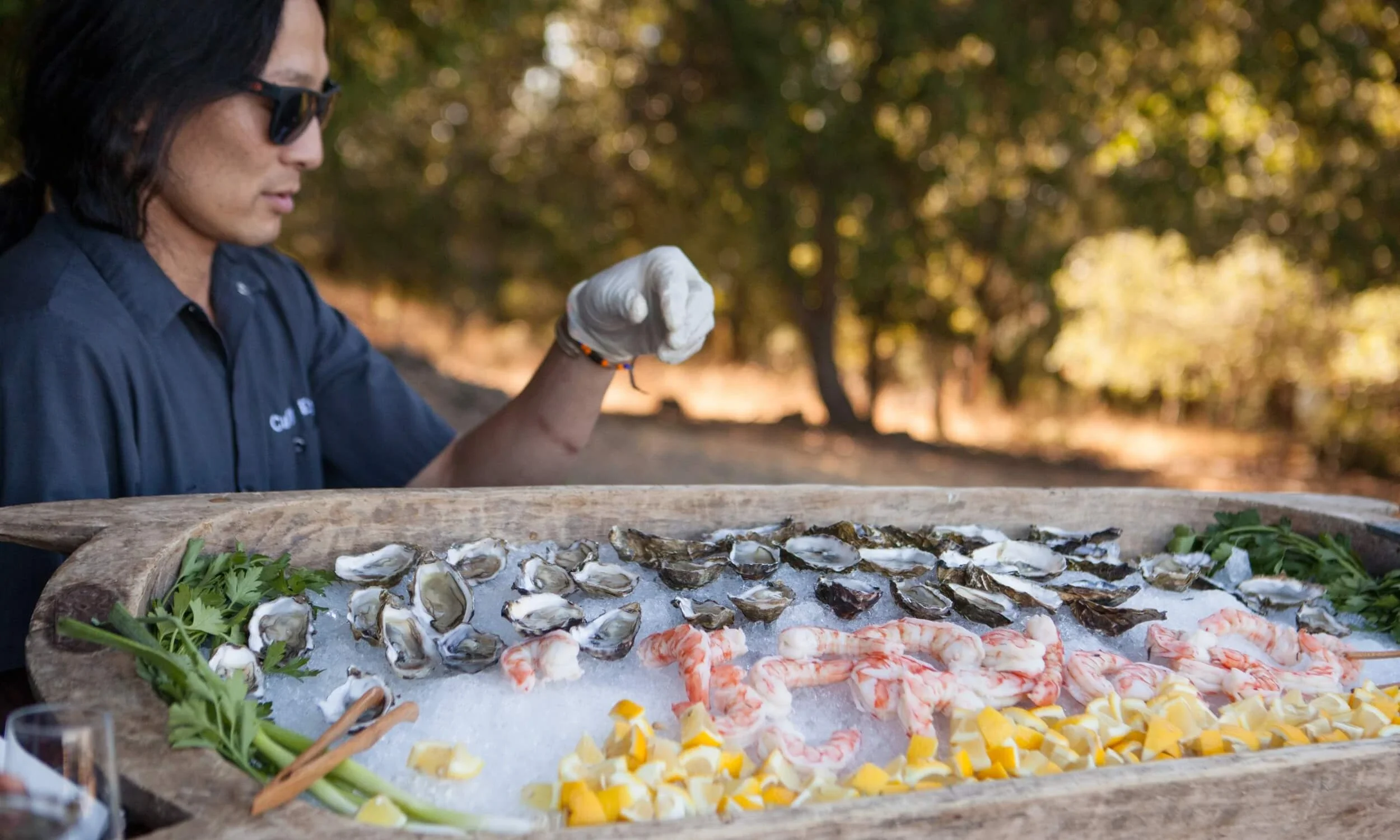
A wedding staffing guide can help determine how many servers, bartenders, captains, and support staff an event requires. However, staffing decisions also influence timing, guest flow, communication, and how guests experience the celebration from arrival through cleanup.
At Culinary Eye, staffing is considered alongside the culinary concept, venue, and overall event experience from the beginning. A traditional plated dinner requires one approach. An interactive tasting station, edible installation, or multi-station reception requires another. Each format influences how guests move through the space, engage with the food, and interact with one another throughout the celebration.
That perspective shapes how Culinary Eye approaches weddings across a wide range of venues and event styles. By considering both operational requirements and guest interaction, the team develops staffing plans that support the experience from setup through breakdown. The same collaborative approach extends to larger event services, including custom culinary experiences and full-service wedding planning.
If you're planning a wedding, Culinary Eye can help determine the staffing structure that best fits your guest count, service style, venue, and vision for the celebration.
Frequently Asked Questions (FAQs)
How many servers do I need for a 100-person wedding?
Most 100-person weddings require between 4 and 8 servers, depending on the service style, venue layout, and event format. Plated dinners typically require more servers than buffet receptions because meals must be delivered and cleared within a specific timeframe. Interactive food stations, multiple service areas, and larger venues may also increase staffing needs.
How many bartenders should I have at my wedding?
Most weddings require one bartender for every 50 to 75 guests. However, the ideal number depends on factors such as bar locations, drink menu complexity, and guest arrival patterns. Weddings with signature cocktails, multiple bars, or large cocktail hours often benefit from additional bar staff to reduce wait times.
Do buffet weddings require fewer staff than plated dinners?
Yes, buffet weddings generally require fewer servers than plated dinners. However, buffets still require staff to replenish food, maintain serving stations, clear tables, and assist guests throughout the meal. Staffing requirements should be based on the overall service plan rather than the buffet format alone.
What does a wedding event captain do?
A wedding event captain oversees service operations and acts as the primary point of communication during the event. This person coordinates service staff, works with planners and vendors, manages timing, and helps resolve issues as they arise. The role helps keep the event organized and running according to schedule.
Do I need a cleanup crew for my wedding?
Most weddings benefit from a dedicated cleanup crew, especially when venues require post-event breakdown and restoration. Cleanup staff typically handle rental organization, waste removal, equipment packing, and venue reset requirements. Planning for cleanup in advance can help prevent delays, overtime charges, and logistical challenges at the end of the event.
How far in advance should I book wedding staffing?
Wedding staffing should ideally be finalized several months before the event date, especially during peak wedding season. Early planning provides more flexibility when coordinating staffing levels, service requirements, and venue logistics. It also allows time to adjust the staffing plan as guest counts and event details evolve.