
Wedding Catering Menu Ideas for Bay Area Weddings (Seasonal Guide)
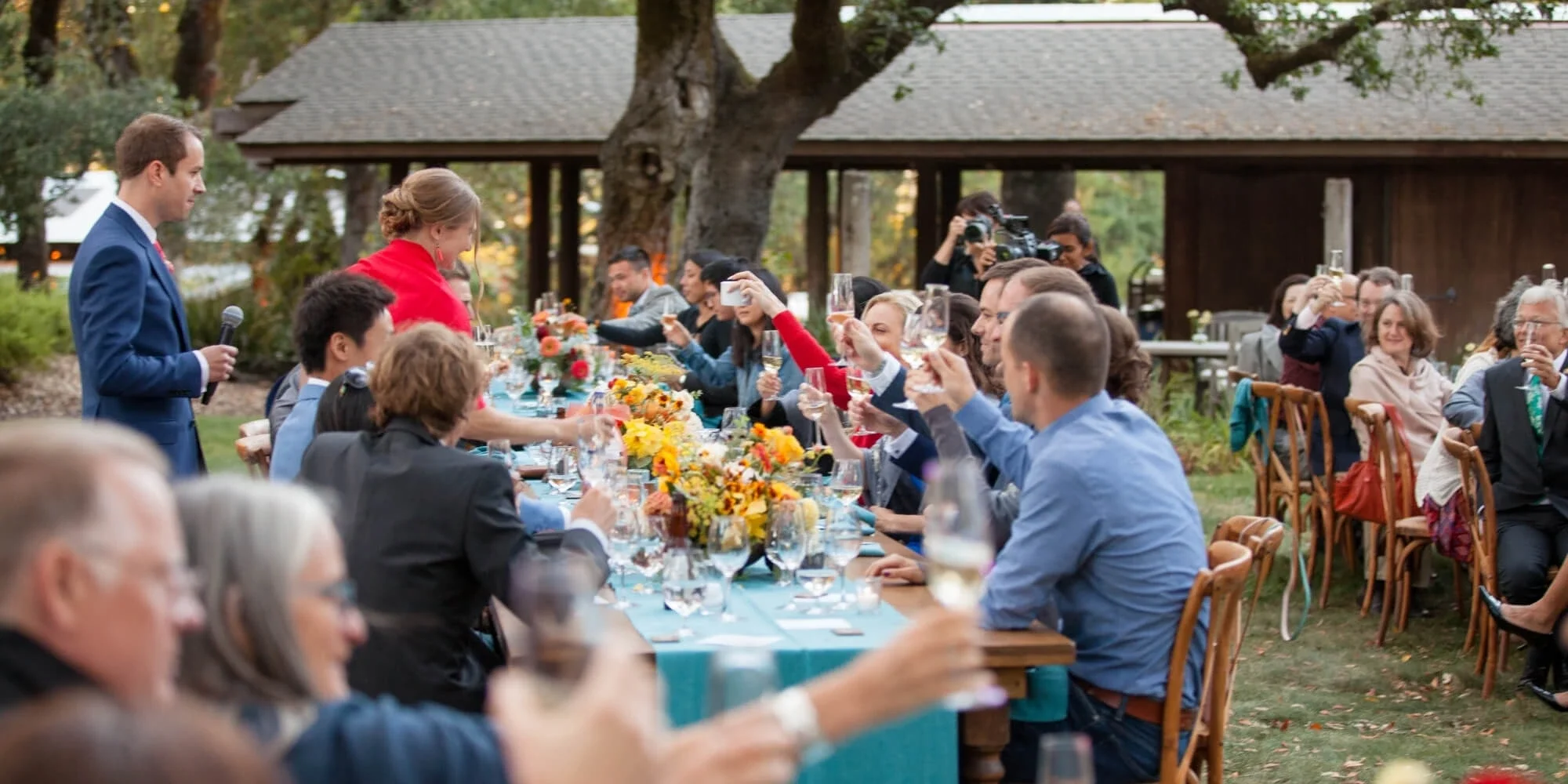
When couples begin exploring wedding catering menu ideas, they often start with dishes. In the Bay Area, that approach can fall flat. Here, the air shifts fast. Fog rolls in, then disappears. Light changes by the hour. People move differently because of it. From coastal venues in San Francisco to vineyards and open spaces across Northern California, the setting plays a direct role in how a menu comes together.
At Culinary Eye, our approach to wedding catering starts with the environment. Food sits alongside movement, layout, and timing. It shapes how guests settle in and connect.
So instead of choosing dishes first, it helps to picture the day. Where people gather. Where they pause. What pulls them in.
Why Seasonality Matters for a Bay Area Wedding Menu
Seasonality isn’t just about ingredients. It changes how the menu lands once guests arrive. In the Bay Area, produce moves quickly, and what works one week might disappear the next, which gives you direction without overcomplicating things. Most Bay Area and San Francisco weddings take place between late spring and early fall, which is why wedding catering menu ideas tend to follow seasonal availability closely.
Ingredients arrive at their peak, so flavors come through cleanly.
Local sourcing allows changes without scrambling at the last minute.
Menus feel connected to what guests actually see around them.
Colors and textures line up with the time of year.
Guests recognize ingredients, but notice them in a different way.
You spend less time forcing choices and more time refining them.
Seasonal Wedding Menu Ideas for Bay Area Celebrations
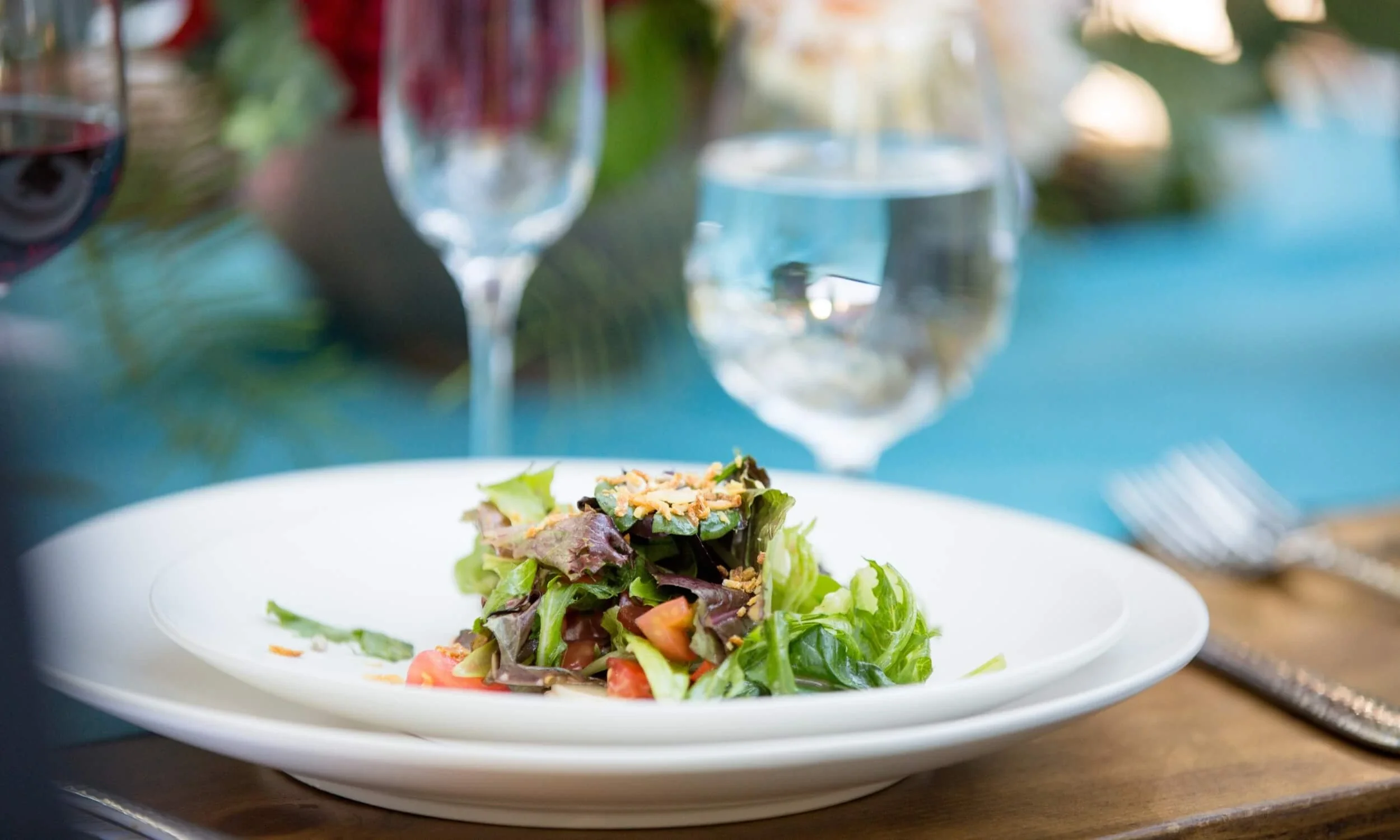
A seasonal wedding menu helps narrow things down, which makes planning easier. Instead of sorting through endless options, you start with what’s actually available and tasting right. In the Bay Area, that can shift even within the same month, especially between coastal San Francisco locations and inland Northern California venues.
Spring:
Peas, asparagus, and herbs show up across smaller dishes.
Light seafood works well, especially outdoors.
Citrus and edible flowers add brightness without trying too hard.
Summer:
Grilled vegetables and proteins take the lead.
Tomatoes, berries, and stone fruit carry a lot of the menu.
Chilled bites give guests a break from the heat.
Fall:
Mushrooms, squash, and root vegetables bring depth.
Figs and apples pair easily with savory plates.
Warmer dishes suit longer evenings.
Winter:
Citrus shows up across both savory dishes and desserts.
Braised meats hold well during evening service.
Indoor and outdoor spaces often overlap in the Bay Area, so menus stay flexible.
Each season gives you a clear starting point. From there, wedding catering menu ideas can shift based on the space and the people.
“Planning your menu starts with a simple conversation
Every event comes together differently, and pricing usually reflects the details—guest count, setting, and how the menu is built. If you’d like a clearer sense of what that could look like for your day, you can reach out to our team and talk it through.”
Wedding Food Ideas That Reflect Your Setting and Style
Strong wedding food ideas start with the setting. A coastal venue needs something different than a warehouse or a backyard, and guests can tell when that connection is there. When the food fits the space, it blends in. When it doesn’t, it’s the first thing they question.
Match the menu to the environment, whether open-air or enclosed.
Bring in family dishes or cultural elements in a way that feels natural.
Create stations that give guests a reason to move around.
Add a moment people don’t expect, like a late-night dish showing up.
Use serving styles that match how guests will interact.
Sometimes, the most talked-about moment isn’t the main course. It’s the one people didn’t see coming, and it often comes from the way you approach your wedding catering menu ideas from the start.
How to Build a Bay Area Wedding Catering Menu for Different Venues
A Bay Area wedding catering menu needs structure behind it. Without it, even good ideas can fall apart once the room fills up. The way wedding catering menu ideas come together needs to shift across different venue types, from San Francisco spaces to vineyards, private estates, and outdoor gardens.
Balance passed appetizers with stations or plated elements.
Map out when each food moment happens during the event.
Think through how guests move between spaces while eating.
Choose a service style that fits the guest count and layout.
Keep transitions between courses smooth and easy to follow.
When this works, people stay engaged. They keep moving, talking, eating. No bottlenecks. No confusion.
Sample Seasonal Menus (Real Combinations That Work)
It’s easier to picture everything once you see a full menu. Individual dishes only get you so far, so these examples show how wedding catering menu ideas come together in real settings across Bay Area and San Francisco weddings.
Spring Garden Wedding:
Passed bites: pea crostini, citrus-cured salmon
Main: herb-roasted chicken, seasonal vegetables
Dessert: lemon tart with fresh berries
Summer Coastal Wedding:
Passed bites: grilled shrimp, tomato bruschetta
Stations: wood-fired vegetables, fresh salads
Dessert: stone fruit galette
Fall Vineyard Wedding:
Passed bites: mushroom tartlets, fig crostini
Main: braised short ribs, roasted squash
Dessert: apple crisp with cream
You can picture how guests move through these. Where they stop—and what they go back for.
Practical Considerations When Planning a Seasonal Menu
Planning a seasonal menu comes with a few practical decisions, especially when working through wedding catering menu ideas in real settings like Bay Area venues.
Check ingredient availability close to the event date.
Have a backup plan for weather, especially outdoors.
Account for dietary needs early on.
Staff stations properly so lines don’t build up.
Leave room to adjust things during the event.
These are the pieces that keep the day running the way it should.
“Let’s talk through your day, start to finish
Bringing a menu together takes more than choosing dishes. It involves timing, space, and how guests move through the day. If you’d like to talk it through, you can connect with our team and see what makes sense for your setting.”
How Culinary Eye Shapes Wedding Catering Menu Ideas into Real Experiences
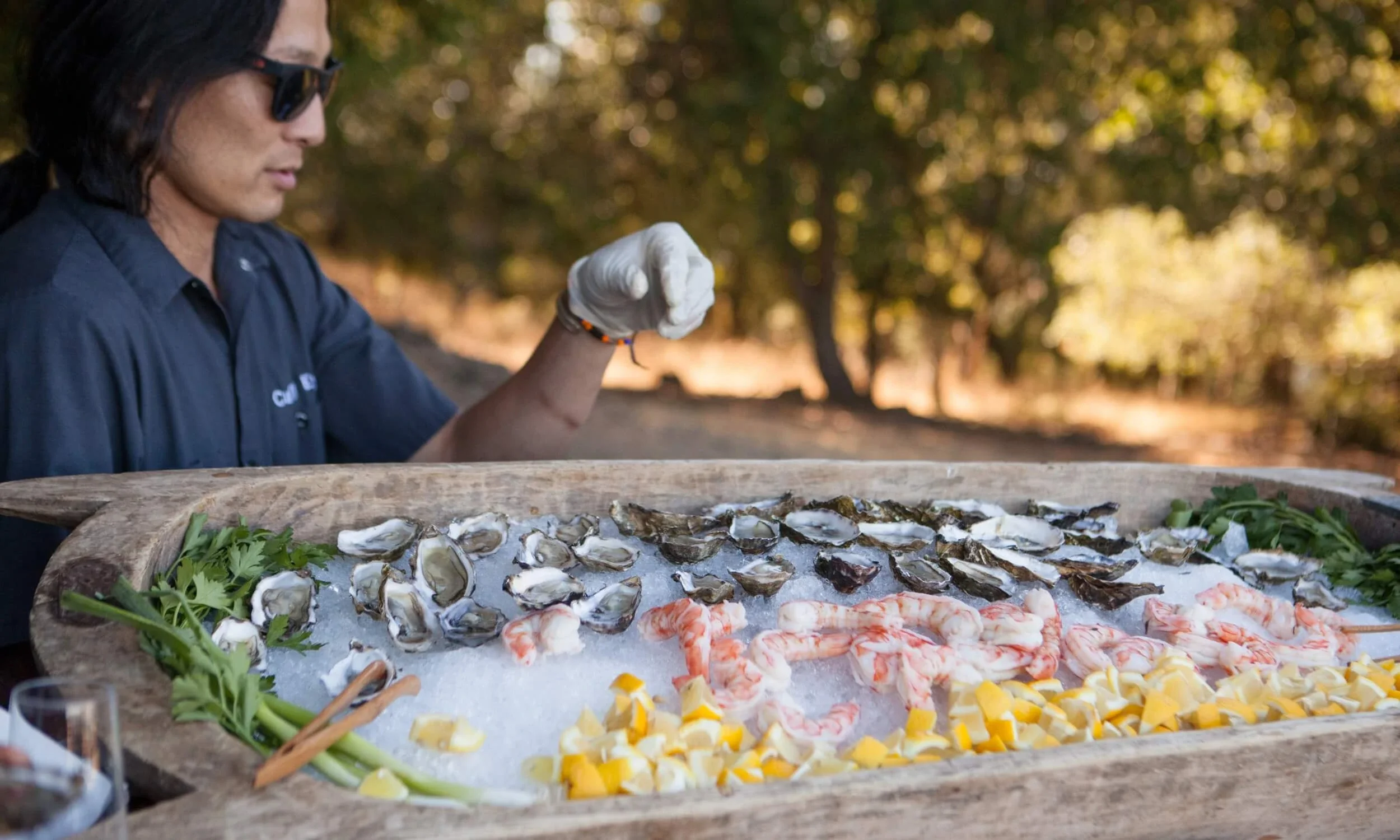
At Culinary Eye, everything starts with a conversation. Not just about food, but about how the day should feel once guests arrive.
From there, we build installations that draw people in, so guests don’t just grab a plate and move on. They stop, look, ask questions, and stay longer than they planned. Because every space is different, some need compact setups while others allow for larger builds, so we adjust based on what the venue can hold and how people will move through it.
Menus develop alongside the space, not separately. We test dishes, shift layouts, and adjust details as we go, and if something doesn’t work, we change it. During the event, we keep watching and respond in real time—opening up space when it gets crowded or supporting areas where guests naturally gather. It works. Or it doesn’t.
We work across San Francisco and the wider Bay Area, adapting each menu to the space and the people gathering in it. When couples start to book a wedding caterer, they usually focus on dishes first, which makes sense. Still, the experience goes beyond what’s on the plate. In the end, wedding catering menu ideas shape how people remember the day—where they stood, who they spoke with, and what caught them off guard.
Frequently Asked Questions (FAQs)
How do I choose the right wedding catering menu for the season?
Start with what is naturally available during your wedding month. Seasonal ingredients tend to taste better and hold up more reliably during service. From there, think about your venue, the time of day, and how guests will move through the space. A menu works best when it reflects both the environment and the way the event unfolds.
What are popular wedding catering menu ideas for Bay Area weddings?
Popular wedding catering menu ideas in the Bay Area often focus on seasonal, locally sourced ingredients. Many couples choose a mix of passed appetizers and interactive stations, along with fresh seafood, vegetables, and fruit-forward dishes. The format usually adapts to indoor and outdoor settings, with an emphasis on variety and flexibility.
How far in advance should I plan my wedding catering menu?
Most couples begin planning their wedding catering menu about three to six months before the event. This allows time to decide on structure and service style. However, final menu details are often confirmed closer to the date so they can reflect seasonal ingredient availability.
What is included in a typical Bay Area wedding catering menu?
A typical wedding catering menu in the Bay Area includes passed appetizers during the reception, followed by a main dining format such as a plated meal, food stations, or a combination of both. Dessert is usually served either plated or as part of a display, and some events also include a late-night food option.
How can I make my wedding menu feel more personal or unique?
A wedding menu feels more personal when it reflects your background, preferences, and the setting of the event. This can come through in specific dishes, familiar flavors, or small moments that guests do not expect. Often, one or two thoughtful choices create more impact than changing the entire menu.
Should I choose a plated dinner or food stations for my wedding?
The choice depends on how you want guests to experience the event. A plated dinner supports a more structured timeline and keeps guests seated, while food stations allow people to move around and interact more freely. Many couples combine both to create a balance between structure and flexibility.
Do wedding caterers in San Francisco offer seasonal menus?
Yes, most wedding caterers in San Francisco and the Bay Area build menus around seasonal ingredients. This approach allows for better quality, more flexibility, and menus that reflect both the setting and the time of year.