
When planning an event, people often encounter several similar titles. Event planners, event producers, and event managers may all appear in early conversations. Because of that, many hosts eventually ask the same question: event production vs. event planning—what is the real difference? In simple terms, event planning organizes the event, while event production builds the physical and technical experience guests see, hear, and move through.
At Culinary Eye, this question often comes up during the first planning conversations. Clients may already be thinking about food concepts, guest flow, or venue layout. The team's event design services frequently become part of those early discussions. However, understanding how these roles differ makes it easier to decide what kind of support your event actually needs.
Why Event Planning and Event Production Are Often Confused
Many people use these terms interchangeably. However, the comparison of event production vs. event planning reveals two distinct roles behind the scenes.
Event planning focuses on coordination and organization. Production focuses on building the physical and technical environment where the event takes place. Because both roles influence the final experience, the distinction can feel unclear at first.
For example, planners may discuss venue layout or guest movement, while production teams install the structures, lighting, and technical systems that bring those ideas to life. Due to this overlap in conversations and responsibilities, many hosts assume both roles handle the same work.
“Thinking About Budget Before You Begin?
Event costs often depend on guest count, venue logistics, and how the experience comes together. If you’re early in the process and wondering what a project like this might involve, you can ask our team for details.”
What Is Event Planning?
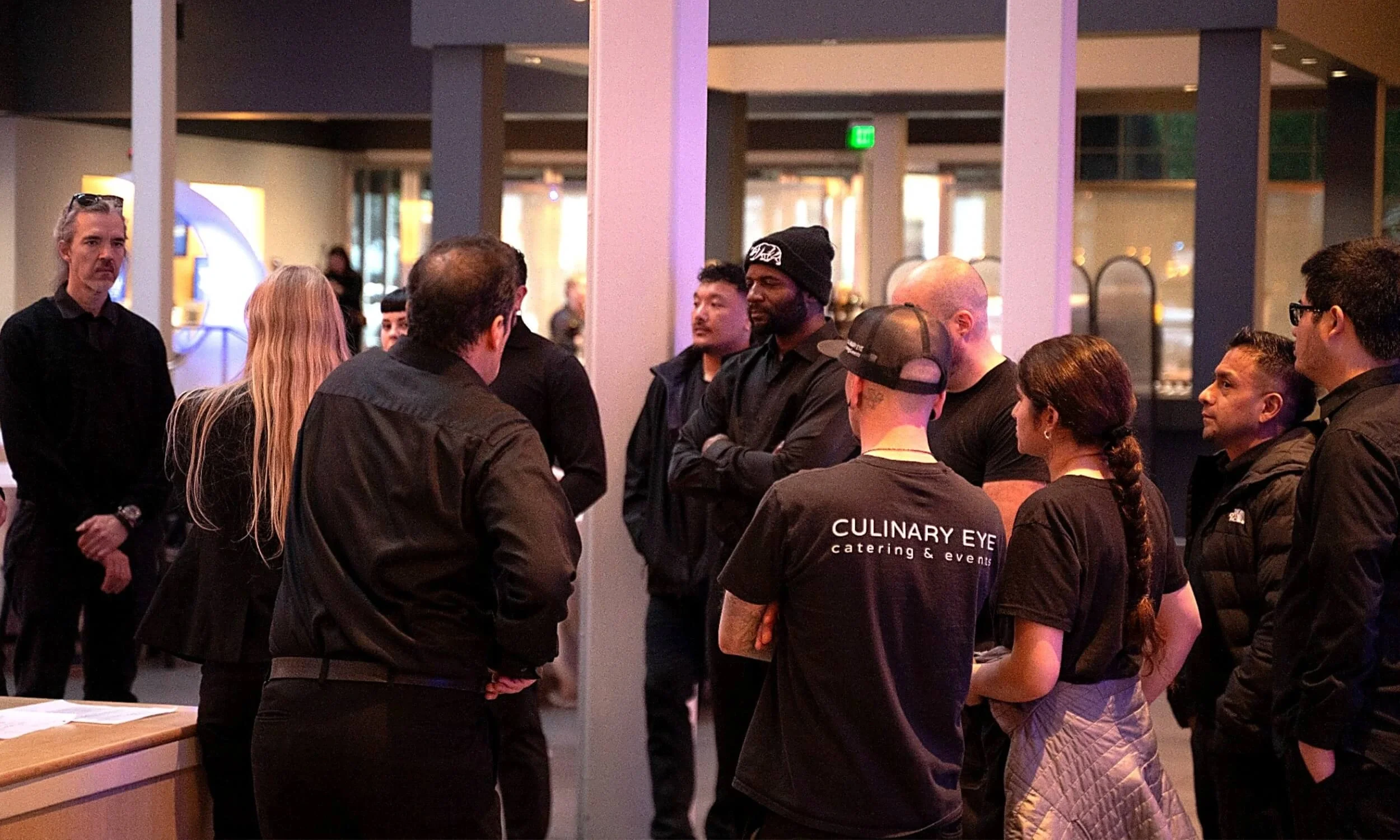
Event planning focuses on organizing and coordinating every stage of an event. Planners oversee budgets, vendors, timelines, venues, and guest logistics to ensure everything comes together smoothly from the initial concept through the event day.
Common responsibilities include:
Budget planning and cost tracking: Planners help clients allocate budgets across vendors, venues, and services.
Vendor sourcing and communication: They research vendors and coordinate details between multiple teams.
Event timelines and schedules: Planners build detailed timelines for setup, guest arrival, and program moments.
Guest list management and invitations: They track RSVPs and communicate important details with guests.
Venue research and booking: Planners help identify locations that match the event's format and guest count.
Contracts and required documentation: They manage permits, agreements, and vendor paperwork.
These responsibilities illustrate the organizational side of the event process. Understanding these responsibilities makes the comparison between event production vs. event planning much clearer.
What Is Event Production?
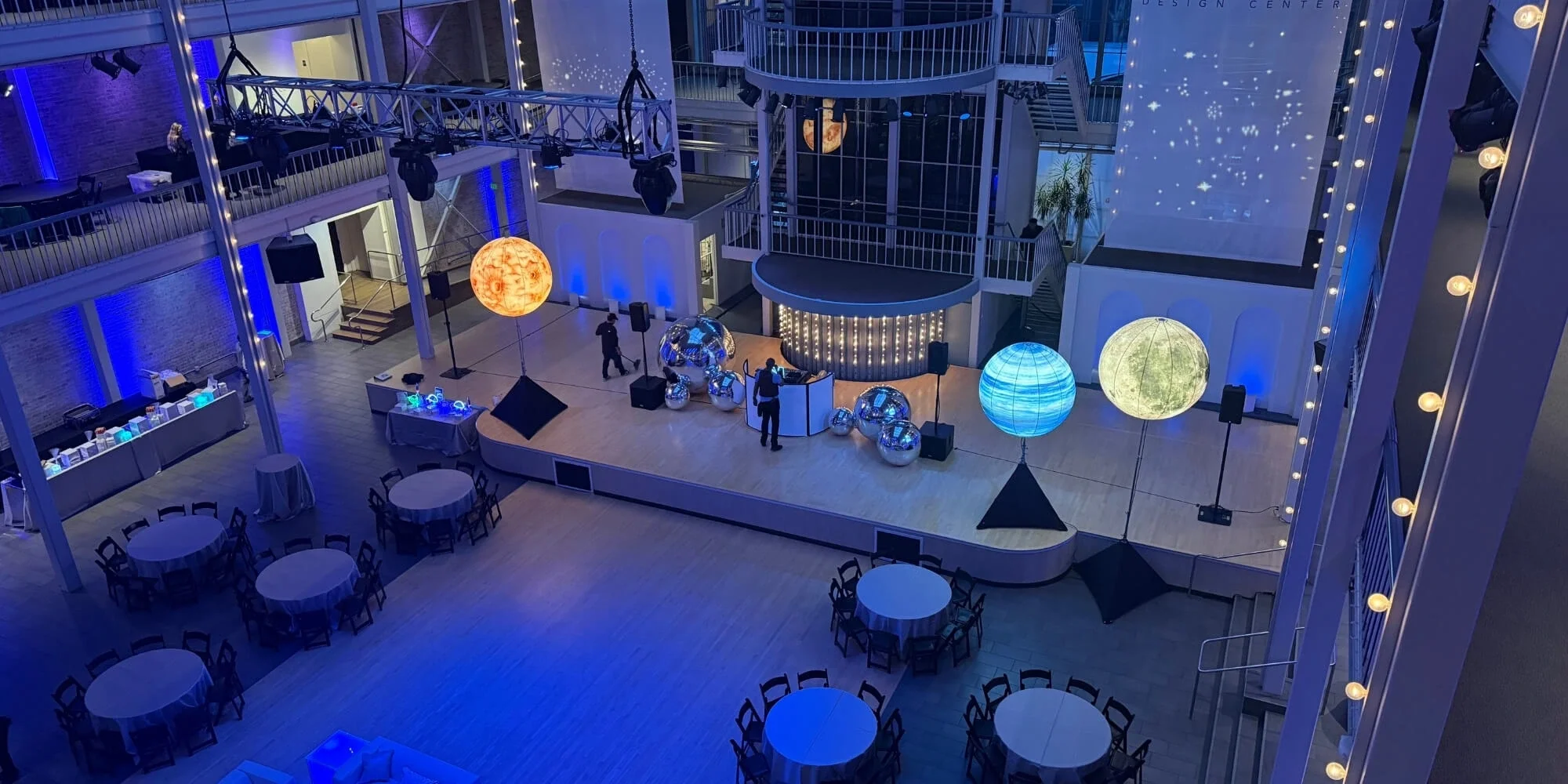
Event production focuses on creating the physical and technical environment where an event takes place. While planners organize the logistics, production teams bring the event to life through lighting, staging, audiovisual systems, and other behind-the-scenes elements that shape the guest experience.
Production teams often become involved once the event concept is established, translating plans into a functioning environment that supports both the program and the guest experience.
Production teams often manage several technical and structural elements:
Lighting design and installation: Lighting guides attention across the room and highlights important areas.
Audio systems and microphones: Sound systems ensure guests hear speakers, performers, and announcements clearly.
Video displays and projection systems: Screens support presentations, visual storytelling, or brand messaging.
Stage construction and scenic elements: Platforms and backdrops create clear focal points within the venue.
Technical cue coordination: Lighting, sound, and visuals follow structured timelines during the event.
Power distribution and equipment setup: Electrical planning ensures equipment operates safely throughout the venue.
Together, these elements allow the event environment to function smoothly while guests focus on the experience around them. This is where the distinction between event production vs. event planning becomes most apparent.
Event Production Management: Bringing Everything Together
Bringing all of these technical elements together requires careful coordination behind the scenes.
Successful event production management ensures that technical planning, equipment, vendors, event staffing, and on-site execution work together throughout the event. Production managers coordinate lighting, sound, staging, timelines, crews, and venue logistics while adapting to changes as they happen.
Their role is to keep every production element running smoothly so guests experience a seamless event without noticing the work taking place behind the scenes. By coordinating multiple teams, technical systems, and timelines, production managers help bring an event plan to life.
How Event Planners & Production Teams Work Together
Although these roles have different responsibilities, they work closely together throughout the planning process. The difference becomes easier to understand when you see how planners and production teams coordinate before and during the event.
Common collaboration points include:
Venue layout discussions: Planners consider guest movement, while production teams implement staging and lighting placement.
Program scheduling: Planners organize the timeline, while production teams coordinate technical cues.
Speaker and entertainment logistics: Planners confirm schedules, while production teams prepare stages and microphones.
Food service coordination: Catering timing must align with lighting changes and program transitions.
Guest movement throughout the venue: Planners consider guest comfort, while production teams shape the physical environment.
Regular communication between planners and production teams helps prevent scheduling conflicts, supports smoother setup, and creates a more consistent guest experience on event day. When both sides are aligned, the event feels intentional instead of pieced together.
When You Need Event Planning, Event Production, or Both
Different events require different types of support. Therefore, understanding event production vs. event planning helps hosts identify the expertise their event may need.
Some common scenarios include:
Private dinners or small gatherings: These events may rely mainly on planning and vendor coordination.
Corporate conferences or large meetings: These events typically require both planning and production.
Brand activations and promotional events: Production often plays a major role in shaping the environment.
Weddings and milestone celebrations: These events usually combine planning, design, and production support.
Experiential food events: These gatherings often require coordination between the event catering process and production planning.
Some events lean more heavily on planning, while others require significant production support. Understanding event production vs. event planning helps determine the right mix of expertise for each event. Larger gatherings often benefit from both, allowing logistical coordination and technical execution to develop together from the earliest stages of the planning process. The earlier these teams begin working together, the easier it becomes to coordinate logistics, technical requirements, and the overall flow of the event.
Culinary Eye's Approach to Event Production
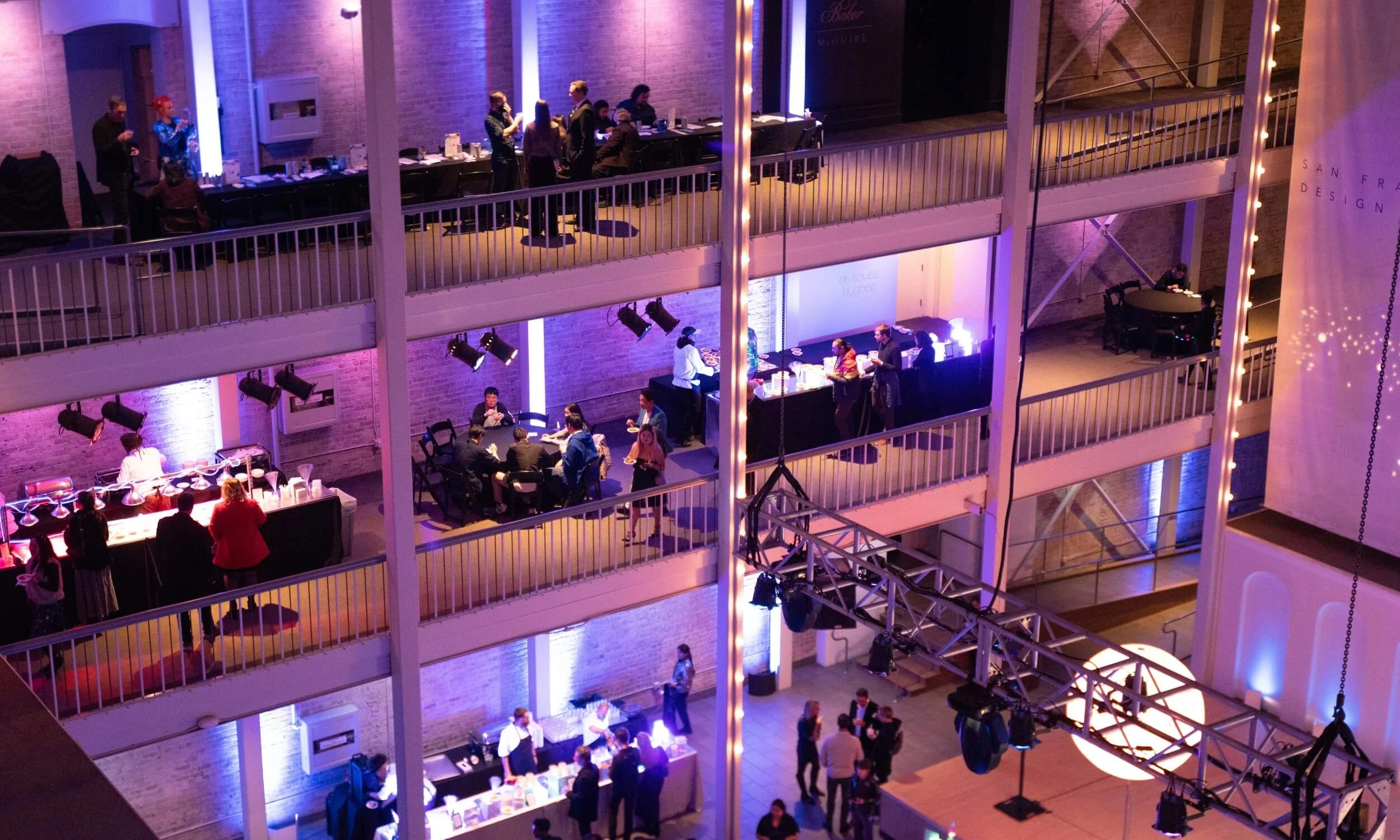
At Culinary Eye, production conversations often begin with a simple idea: creating an experience where every element works together. Production planning starts alongside the culinary concept so food, design, and guest flow develop as one cohesive experience.
The team creates experiential environments for corporate events, brand launches, weddings, private celebrations, and other gatherings, adapting each concept to the venue and the people who will experience it. This collaborative approach reflects our philosophy of immersive catering, where food, production, and the surrounding environment are designed to work together rather than as separate elements.
That same philosophy shapes our corporate catering and wedding catering services. By planning menus alongside production, design, and guest flow, we create experiences that feel connected from arrival through the final course.
“Have an Idea for a Gathering?
Some events begin with a venue. Others begin with a menu, a moment, or a feeling you want guests to share. If you’d like to talk through your plans, you can connect with our team and we’ll explore the possibilities together.”
Frequently Asked Questions (FAQs)
Do I need both an event planner and a production team?
Not always. Smaller events may only need an event planner, while larger or more complex events often benefit from both an event planner and a production team. Events involving lighting, staging, audiovisual systems, or custom installations typically require production expertise alongside planning.
Who is responsible for vendors at an event?
The event planner is usually responsible for coordinating vendor contracts, schedules, and communication. Production teams work directly with technical vendors, such as lighting, audio, video, and staging providers, to ensure everything is installed and operated correctly.
Can one company provide both event planning and event production?
Yes. Many companies provide both event planning and event production services under one team. Combining these services can improve communication, streamline decision-making, and create a more cohesive event from planning through execution.
What's the difference between an event producer and an event planner?
An event planner manages logistics, budgets, vendors, and timelines, while an event producer oversees the technical and creative execution of the event. Both roles work together to ensure the event runs smoothly and delivers the intended guest experience.
What types of events benefit most from professional production?
Large-scale events with presentations, entertainment, staging, or complex technical requirements benefit most from professional production. Examples include corporate conferences, product launches, brand activations, weddings, fundraisers, and other events that rely on coordinated lighting, sound, or audiovisual systems.
When should production start during the planning process?
Production should begin as early as possible in the planning process. Early involvement allows technical requirements, venue logistics, and production schedules to be coordinated before major decisions are finalized.
How do I know if my event needs production support?
Your event may need production support if it includes presentations, live entertainment, staging, audiovisual equipment, custom lighting, or multiple technical elements. Production teams help coordinate these components so the event runs smoothly from start to finish.
Is event production the same as event management?
Not exactly. Event management is usually broader and may include logistics, staffing, vendor coordination, and on-site oversight. Event production focuses more specifically on the physical and technical elements of the event, such as staging, lighting, sound, video, and installations.