
Corporate Event Production in Bay Area: Why Experienced Production Teams Make a Difference

Corporate gatherings in Northern California rarely follow a predictable format. Product launches appear in galleries, team celebrations fill warehouses, and conferences stretch across large campuses. Culinary Eye approaches these gatherings through both food and environment. Our event design services shape how guests move, gather, and interact throughout the space. Because of that perspective, corporate event production in Bay Area brings together culinary craft, spatial design, and thoughtful corporate event planning.
Why Corporate Events Have Become More Complex
Corporate gatherings once followed a familiar pattern. Guests arrived, shared a meal, listened to a presentation, and headed home. Today, Bay Area corporate event production often involves building layered experiences inside carefully designed environments.
Several factors contribute to that shift:
Events now tell brand stories: Companies often use events to express identity and culture. Menus, installations, and layouts all reflect the brand's voice.
Spaces serve multiple purposes during one event: A single venue might host networking, presentations, tasting stations, and casual lounges.
Guests expect interaction rather than passive attendance: Chef-finished dishes, tasting counters, and hands-on experiences encourage conversation and curiosity.
Venues vary widely across the region: Offices, outdoor courtyards, art spaces, and converted warehouses all require different planning approaches.
Programming appears within social gatherings: Product reveals, founder remarks, or short talks often take place during receptions.
Because of these layered elements, corporate event production in Bay Area now blends storytelling, logistics, and hospitality in ways that earlier events rarely required.
The Role of Production in Corporate Event Planning
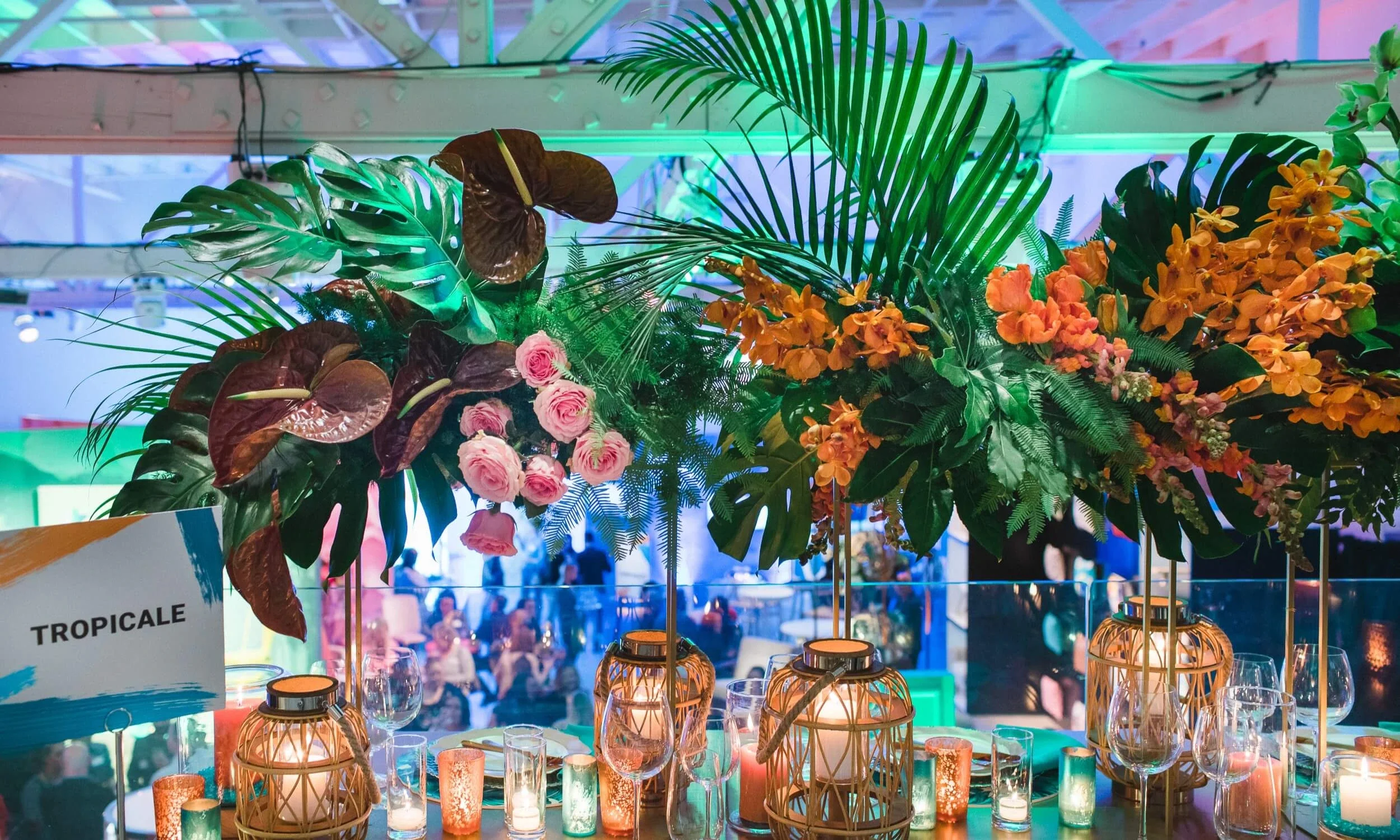
People often associate production with lighting rigs or stage equipment. However, the work reaches much further than technical setup. In practice, production connects creative ideas with the systems that allow an event to function. Looking closely at everything involved in event production reveals just how many moving parts shape a successful gathering. Those moving parts are what make corporate event production in Bay Area both creative and highly collaborative.
Creative Concept Development
Production teams begin by shaping the overall idea of the event. They consider the audience, purpose, and tone, then build a direction that feels cohesive from the start.
Event Layout and Spatial Planning
Food stations, bar services, and seating areas all influence how guests move through the space. Teams think carefully about flow, sightlines, and where people naturally gather.
Custom-Built Installations
Many gatherings include fabricated food stations, branded structures, or themed environments. These elements help anchor the room and give guests something to interact with.
Vendor Coordination
Rentals, lighting teams, florists, caterers, and other vendors all work on shared timelines. Production teams coordinate communication, deliveries, installation schedules, and setup so every part of the event comes together smoothly. That level of coordination is a defining part of corporate event production in Bay Area.
Technical Planning
Lighting, sound, and staging support presentations while shaping the overall atmosphere. Each technical choice affects how the space feels and functions. Corporate event video production also plays an important role in modern gatherings. Presentation graphics, keynote visuals, product launch videos, livestreams, and branded content all require careful coordination with lighting, sound, and staging. Planning these elements early helps every visual component feel like a natural part of the overall experience.
Service Timing and Staffing Plans
Production teams develop event staffing plans that coordinate how chefs, servers, bartenders, and support staff move throughout the event. This helps service feel steady and natural rather than rushed or delayed.
Onsite Production Management
During the event, teams track timing, vendor coordination, and guest flow in real time. They adjust quietly as needed to keep everything moving with ease.
When these pieces work together, guests rarely notice the structure behind the evening. Still, careful coordination allows corporate event production in Bay Area to unfold smoothly from one moment to the next.
“Curious What a Thoughtful Corporate Event Might Cost?
Every gathering begins with a conversation about people, space, and the kind of experience you want guests to have. If you’re planning an upcoming event, our team can share ideas and realistic pricing for your plans. ”
How Production Shapes the Guest Experience
Guests rarely see the structure behind a well-run event. Instead, they notice the atmosphere, the food, and the people around them. Yet careful planning shapes each of those moments. For that reason, corporate event production in Bay Area focuses on how guests move through the environment.
For example, the layout of a room can encourage exploration. A chef finishing small plates might draw guests toward one corner, while a thoughtfully designed bar installation becomes a natural meeting point. As a result, people move through the space without needing direction.
Timing also plays an important role. Food should appear when conversations begin to grow, and presentations should begin while guests remain attentive. Production teams coordinate service and programming so the event feels cohesive from beginning to end.
Food contributes strongly to the overall experience as well. When chefs prepare dishes in front of guests, they create moments of curiosity and conversation. A well-planned corporate event catering process allows food service to align naturally with presentations, guest movement, and the overall flow of the event, making the culinary program part of the environment rather than a separate service.
Because of these details, careful production helps create memorable corporate catering experiences that guests remember long after the gathering ends.
The Value of Experience on Event Day
Planning builds the foundation of an event. However, the real test begins once guests walk through the door. At that moment, experienced production teams must read the room and respond quickly.
Guest flow rarely follows a perfect plan. One station might suddenly attract a crowd, while another area may need more activity. Production teams adjust service timing, lighting cues, and vendor coordination as the event unfolds.
Presentations can also shift the pace of an event. A speaker might run longer than expected, requiring adjustments to service or staging to keep guests comfortable. These decisions often happen quietly, allowing the event to continue without interruption.
These adjustments rarely draw attention from guests. However, they shape how comfortable the gathering feels. In many cases, that ability to adapt determines whether corporate event production in Bay Area flows smoothly from start to finish.
When to Bring in a Production Team for a Corporate Event
Many events begin as simple ideas. A team celebration, a product launch, or a client gathering may start with a venue and a menu. However, as plans develop, the scope often expands. At that stage, experienced production teams help organize the many moving parts involved.
Certain event formats tend to benefit from early production support:
Large guest counts: Production teams shape layouts that prevent bottlenecks and encourage conversation.
Unconventional venues: Warehouses, galleries, outdoor courtyards, and office spaces often require temporary kitchens, service stations, and presentation areas.
Multiple culinary stations: Several food or beverage stations require careful coordination.
Integrated presentations or product reveals: Talks, demonstrations, and announcements need lighting, sound, and precise timing.
Custom installations or branded environments: Interactive displays and themed spaces require thoughtful design and fabrication.
Coordination between several vendors: Rentals, florists, caterers, AV teams, and other partners work from one coordinated schedule.
Early collaboration allows the creative concept, venue, production, and culinary program to develop together.
How to Choose a Corporate Event Production Partner
Choosing the right corporate event production partner goes beyond comparing prices or equipment. Look for a team that understands your event goals and can coordinate every stage of the production process.
Consider the following when evaluating potential partners:
Relevant experience: Choose a team with experience producing events similar in size, format, and complexity to yours.
Creative and technical expertise: Look for a partner who can balance event design, production logistics, and technical execution.
Clear communication: Regular updates and collaborative planning help keep projects on track and reduce surprises.
Venue adaptability: An experienced team should be comfortable working in offices, warehouses, galleries, outdoor spaces, and other unconventional venues.
Strong vendor coordination: Production teams should be able to work seamlessly with caterers, rental companies, florists, audiovisual providers, and other event partners.
On-site management: Ask how the team handles setup, troubleshooting, and last-minute changes on event day.
The right production partner doesn't simply manage equipment. They help bring together planning, production, and guest experience to create an event that feels cohesive from beginning to end. That's one of the qualities that sets successful corporate event production in Bay Area apart.
“Let’s Talk About Your Upcoming Event
Every event begins with a simple idea and a space waiting to be transformed. If you’re exploring plans for a future gathering, our team would be glad to listen and share a few possibilities. ”
Culinary Eye & the Art of Experiential Event Design

Great events rarely happen by accident. Instead, they grow from a clear idea about how people will gather, interact, and share the space together. For that reason, corporate event production in Bay Area often succeeds when food, environment, and logistics develop together.
Culinary Eye approaches events from that perspective. We consider how guests move through a room and how food appears within the environment. Rather than separating catering from design, we bring both elements together to create one cohesive experience.
This approach shapes every event we create. Stations, installations, and culinary moments are designed to encourage exploration and conversation while supporting the overall flow of the gathering. Successful corporate events begin long before guests arrive. Thoughtful planning, creative production, and close collaboration ensure every detail works together from concept through execution.
Frequently Asked Questions (FAQs)
What does a corporate event production company do?
A corporate event production company oversees the planning, technical setup, vendor coordination, staffing, and onsite execution of an event to ensure everything runs smoothly.
How much does corporate event production cost in the Bay Area?
Corporate event production costs in the Bay Area vary based on guest count, venue, staffing, rentals, technical needs, and overall complexity. Smaller events may start in the low thousands, while larger custom experiences with installations, AV, and multiple vendors can scale significantly.
When should I hire an event production team?
You should hire an event production team as soon as your event involves multiple vendors, a unique venue, presentations, or custom installations. Early involvement allows planning, logistics, and production to develop together.
What is the difference between event planning and event production?
Event planning focuses on logistics, schedules, budgets, and vendors, while event production focuses on the technical, spatial, and creative elements that shape the guest experience. Both roles work together to create a successful event.