
Corporate Event Catering Process: How We Plan and Execute

Corporate events rarely start with menus. They start with ideas—big ones, small ones, unfinished ones. At Culinary Eye, we use the corporate event catering process to help shape those ideas into moments people can enjoy. Because food can carry a story further than a slide deck, we look for ways it can support the tone you want to create. Once we understand your direction, the planning begins to take form. A thoughtful process helps align food, timing, guest experience, and event goals long before the first plate is served. This guide walks through how we plan and carry out corporate catering services, showing the steps that turn early ideas into a completed event.
Turning Ideas Into Edible Concepts
After the goals feel clear, we begin translating your ideas into concepts guests can experience through food, visuals, and event design services. This part of the corporate event catering process guides the creative direction and determines how food, visuals, and interaction will support your event. Many teams searching for how to do a corporate caterer are really trying to understand how to choose, brief, and work with a catering partner who can turn an idea into an experience guests can engage with. Because companies often express themselves through visual language, we look at how food might extend those cues.
We guide this stage through:
Drawing from your brand identity to ensure the experience reflects what your team values.
Understanding the event’s emotional tone, since each gathering calls for a different feel.
Exploring edible expressions, which may include edible graffiti or branding built into desserts.
Reviewing the venue’s layout and features to identify which creative formats will thrive in the space.
Mapping guest interaction points, so food supports their conversations rather than interrupting them.
These steps give shape to the experience and prepare us for menu development.
Designing the Menu & Interactive Elements Together
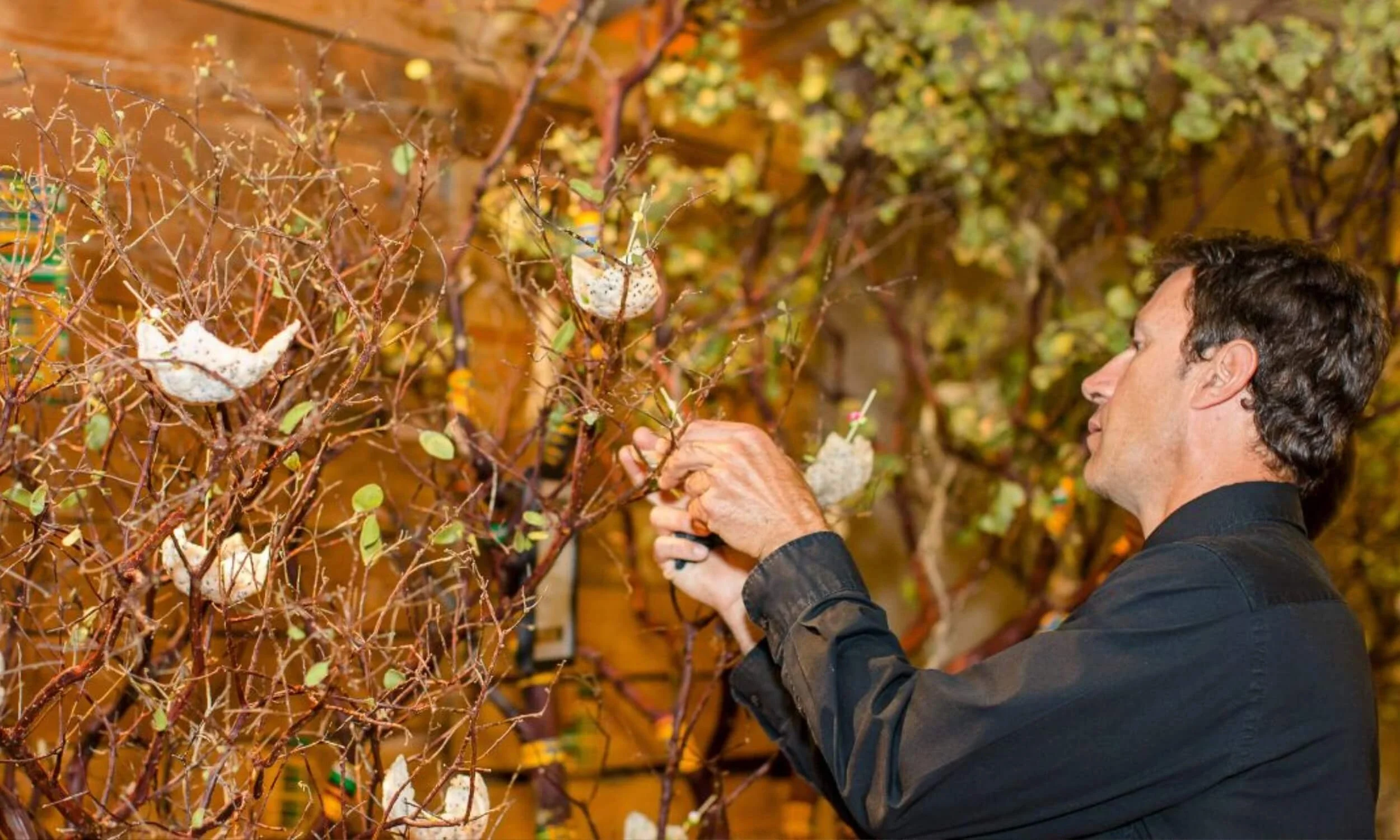
Once the concept takes shape, we begin designing the menu and the interactive elements that support it. This stage of the corporate event catering process focuses on how each dish fits the flow of the event and the space you’ve chosen. Our experience helps us read a room quickly, so the menu feels right for both the concept and the environment.
We approach this phase by:
Matching the menu to guest movement, whether they stay seated or circulate.
Choosing dishes that stay consistent across transitions and varied conditions.
Integrating dietary needs so the meal remains cohesive from start to finish.
Identifying interactive moments that align with the concept and help people connect.
Reviewing technical needs to ensure the menu suits the cooking and finishing setup onsite.
The menu becomes another form of communication, shaped by your goals and supported by the concept.
The same principles apply when considering how to plan executive meeting catering. Smaller gatherings often require a different pace and service style, but thoughtful menu development and clear planning remain just as important.
Planning, Production & Build-Out
With the menu defined, we shift into the planning and production phase. This part of the corporate event catering process brings the creative direction into a workable format. We manage both the culinary preparation and the structures that support the experience. We also coordinate with planners, vendors, and other teams involved in corporate event production to keep details aligned throughout the process.
During this phase, our work includes:
Organizing sourcing and early preparation, which protects quality on event day.
Building or sourcing structural components, shaped by the creative direction.
Coordinating timelines with planners, so setup and service follow the event’s structure and guest count.
Developing event staffing plans that match the event’s interaction level.
Reviewing venue rules and access details to plan load-in, movement, and setup.
This phase gives our team the information and structure needed for execution.
If you’re mapping out a larger gathering, you can look through our conference catering approach to see how we handle events with layered timelines and bigger production needs.
“Wondering What Goes Into the Corporate Catering Budget?
The scope of an event often comes into focus once the menu, staffing, production needs, and venue requirements are understood. If you’d like a clearer picture of what your event may involve, we can talk through the details.”
How to Coordinate Event Catering Services
Coordinating catering involves more than selecting a menu. The corporate event catering process often includes communication between planners, venues, production teams, and vendors to keep timing and responsibilities aligned.
We typically review setup requirements, service schedules, access requirements for different catering venues, staffing needs, expected service requirements, and the overall corporate catering budget early in the process. These conversations help reduce surprises on event day and allow the experience to unfold more comfortably for guests.
“Every Event Takes Shape Differently
Some events revolve around conversation. Others invite guests to interact, explore, and move through the space. If you’re developing an idea and would like help turning it into an experience, we’d be glad to talk through the possibilities.”
Event Day Execution and Service
Event day brings all prior work into motion. At this stage of the corporate event catering process, we arrive early to build installations, set up stations, and prepare items for finishing. Because corporate events vary widely, we respond to the space with flexibility. Some rooms offer large prep zones; others require thoughtful mobile setups.
Our event-day work often includes:
Setting up service areas and installations, ensuring they fit naturally within the venue.
Finishing dishes onsite, which helps maintain flavor and texture.
Following cues from planners, so the service stays aligned with transitions.
Supporting guest interaction, especially when the event includes interactive elements.
Breaking down structures and equipment, leaving the space ready for its next purpose.
These steps complete the working arc of the event and close this phase of the corporate event catering process.
How to Set Up Recurring Office Catering
Some organizations host regular team lunches, client meetings, or workplace gatherings throughout the year. When considering how to set up recurring office catering, consistency, communication, and flexibility often matter as much as the menu itself.
Establishing a clear schedule and understanding dietary preferences early can help create a reliable experience that supports the rhythm of the workplace.
How Culinary Eye Supports Your Team From Start to Finish
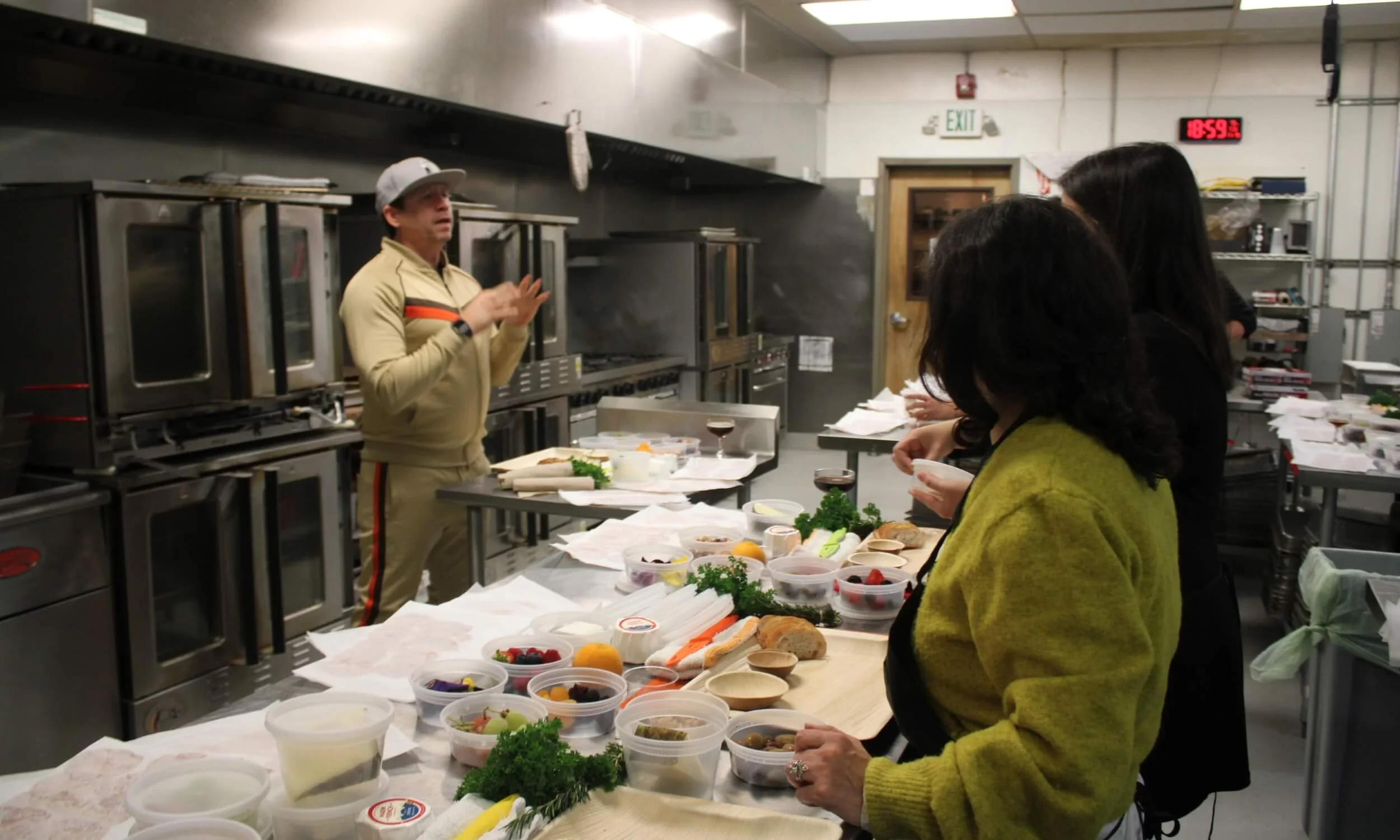
Corporate events work best when the food, the timing, and the experience support one another. At Culinary Eye, we treat each project as a chance to understand what matters to your team and build something that reflects that. Our approach blends technique, creativity, and steady communication, so every stage of the corporate event catering process feels manageable.
Because our work spans many event styles, we’ve learned how to move comfortably between formats, venues, and goals. We support that overlap with thoughtful preparation and clear dialogue. We value collaboration, and we pay close attention to how food influences the way people gather, talk, and settle into the room. That perspective stays with us from the first conversation to the moment the event wraps.
Frequently Asked Questions (FAQs)
What should I expect when planning catering for a corporate event?
Planning usually involves discussing the event goals, guest count, venue, menu preferences, and service style. Once those details are established, the catering team can begin coordinating staffing, logistics, and event-day execution.
How far in advance should I book catering for a corporate event?
Most events benefit from several weeks of planning. Larger gatherings, multi-day programs, and events with custom installations often require additional lead time.
How do you coordinate catering for a corporate event?
Coordination starts with clear communication. Caterers often work alongside planners, venues, and vendors to align timelines, staffing, setup requirements, and service details before the event takes place.
What should I consider when choosing a corporate caterer?
Look for a team that understands your goals, communicates clearly, and has experience working in similar venues and event formats. It also helps to understand how they handle staffing, logistics, and dietary needs.
How do you set up recurring office catering?
A recurring program usually starts with a schedule, a clear understanding of dietary preferences, and a plan for ongoing communication. Consistency and flexibility both play an important role over time.
Can corporate catering include interactive food experiences?
Yes. Some events incorporate chef-attended stations, branded food elements, tasting experiences, or other interactive formats that encourage guests to engage with the food and one another.