
Event Production Quotes Bay Area: Why Some Proposals Vary So Much
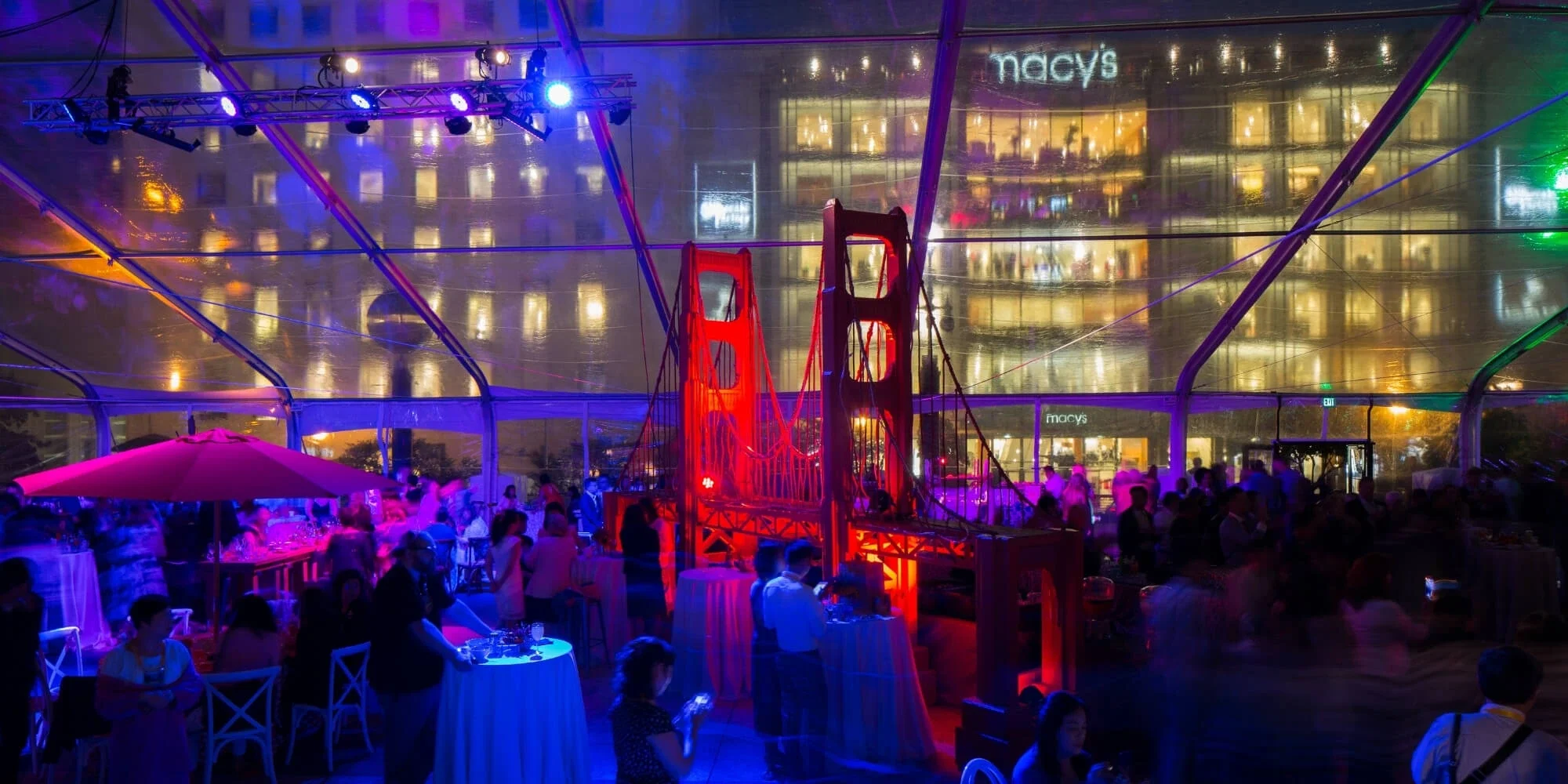
When people first review event production quotes Bay Area, the differences can feel confusing. Event production quotes in the Bay Area typically include staffing, catering, rentals, logistics, and on-site management, with costs varying based on complexity and execution.
At Culinary Eye, we often meet clients at this stage. They’ve gathered a few numbers, but the gaps don’t make sense yet. They want to understand what sits behind those numbers before making a decision.
Through our event design services, we look at how food, space, and guest movement work together. Because of that, a proposal becomes more than a price sheet. It starts to show how the event will actually take shape.
So before comparing totals, it helps to understand what each proposal is actually showing.
What a Proposal Is Actually Reflecting
When reviewing event production quotes Bay Area, most people go straight to the total. That makes sense. It’s the quickest way to get a read on things. However, the real differences tend to sit a few layers below. A proposal shows how a team is preparing for the event before anything is set up on site.
Staffing Approach
Some teams plan for full coverage across service, kitchen, and floor. Others keep staffing tight and expect a simpler format.
Food Development and Preparation
Food might arrive ready to serve, or it might be finished on-site, which changes timing and labor.
Rentals and Build Elements
This could mean standard tables, or it could involve stations that shape how guests move through the room.
Logistics and Coordination
Some teams handle timelines and vendors. Others assume that piece is already covered.
On-Site Management
During the event, the level of oversight can vary more than most people expect.
Once you start reading proposals this way, they begin to feel less inconsistent. They simply reflect different ways of approaching the same event.
Why Event Production Costs Vary
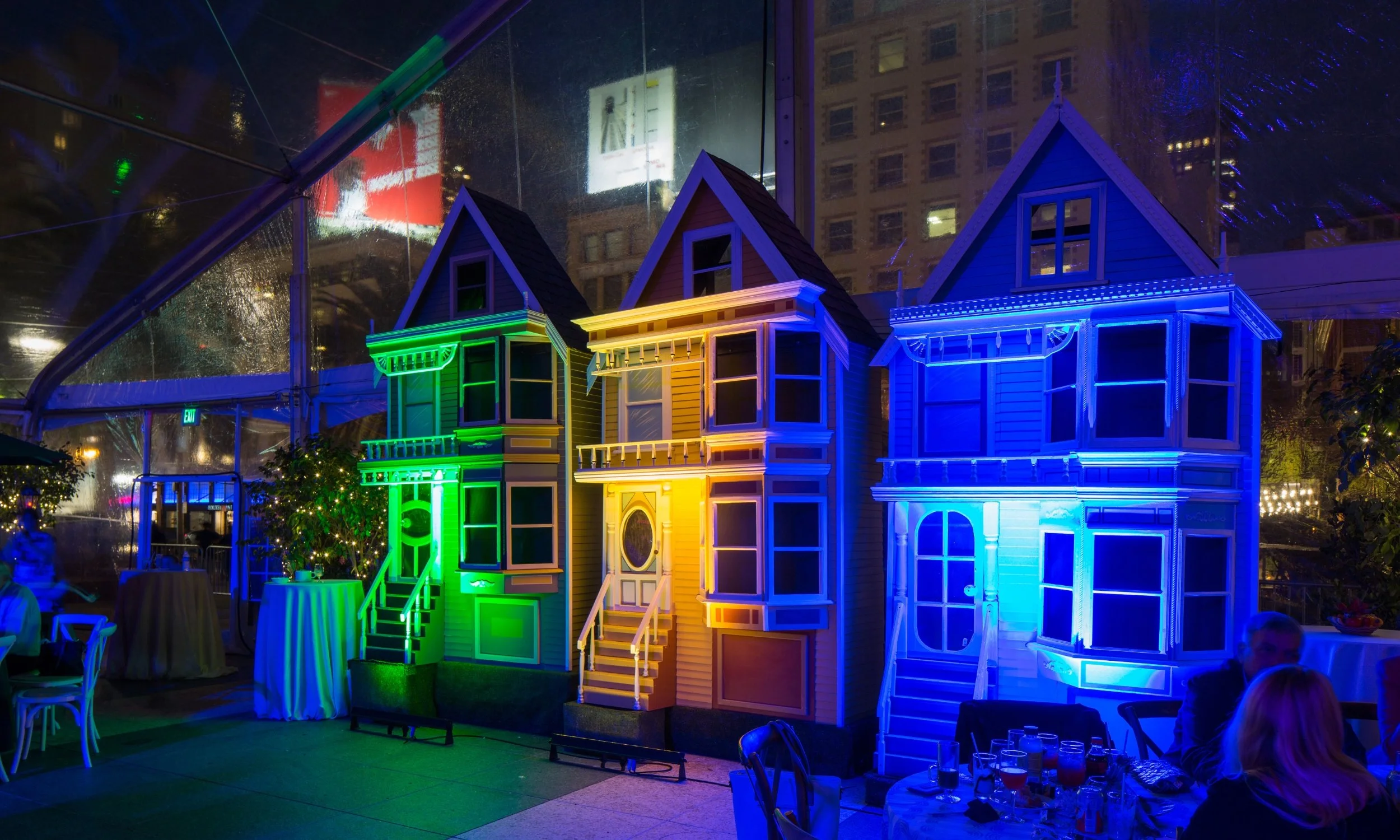
If you’ve ever wondered why event production costs vary, the reason is not always visible right away. The surface details only tell part of the story. The real differences come from planning, staffing, logistics, and execution.
Scale Versus Complexity
A larger guest count does not always mean more work. However, once you introduce multiple stations or interactive elements, the workload changes quickly.
Customization Level
A tailored menu or concept takes time to develop. That process often starts well before the event date.
Venue Limitations
Some spaces are straightforward. Others require tight load-in windows, extra equipment, or workarounds.
Timeline Constraints
Short timelines usually mean more people on-site to get everything done in time.
Service Style
A grab-and-go setup runs very differently from a station where guests stop, ask questions, and engage.
As these elements stack up, you’ll notice that event production quotes Bay Area begin to reflect the build of the experience, not just the guest count.
“Understanding Costs Starts With the Right Conversation
If you’re comparing numbers and trying to make sense of the gaps, it often helps to talk it through. We can help break down what’s driving the differences and how pricing comes together.”
Corporate Event Production Cost Differences
When looking at corporate event production cost differences, the purpose of the event tends to drive everything else. Two corporate events can look similar on paper and still require very different setups.
Internal team gatherings: These often lean toward familiarity and ease, with fewer moving parts.
Client-facing events: These require more attention to presentation and how guests interact with the space.
Product launches or activations: These usually involve custom builds that support a specific message.
Multi-zone experiences: When guests move between areas, each space needs its own setup and coordination.
Executive or stakeholder events: These tend to involve tighter timing and a higher level of service throughout.
This is often where confusion starts. Two events may share a guest count, yet ask for completely different levels of planning and execution. That’s why event production quotes Bay Area can vary so widely in corporate settings.
Bay Area Event Production Company Pricing
When considering Bay Area event production company pricing, the region itself explains more than people expect. The environment shapes how events are built from the start.
Labor structure: Experienced teams are in high demand, which affects staffing across the board.
Venue access and restrictions: Many venues limit setup windows, so crews need to move quickly and stay coordinated.
Union and compliance requirements: Some locations add layers that are not always obvious at first glance.
Transportation and logistics: Moving equipment through busy areas takes time and careful planning.
Permitting and approvals: Certain events require permits, especially in non-traditional spaces.
Individually, these factors seem manageable. Together, they play a big role in shaping event production quotes Bay Area long before the event day arrives.
What Often Gets Missed When Comparing Quotes
When comparing proposals, most people start by lining up the totals and looking for the gap. That’s an easy place to begin. However, the more meaningful differences usually sit below the surface.
Planning involvement: Some teams stay involved from early conversations through breakdown. Others step in later.
Flexibility during changes: Events shift. Some teams build for that. Others rely on everything staying fixed.
Food quality and sourcing: Ingredients and preparation shape how the experience feels, not just how it looks.
Experience of the team: Teams with more experience tend to catch issues before they surface.
Depth of execution: Timing, finishing, and transitions require attention that does not always show up in line items.
This is usually the point where things start to click. Once you notice these details, event production quotes Bay Area become easier to understand.
How to Read a Proposal With More Clarity
After reviewing several event production quotes Bay Area, it helps to slow the process down. A quick scan rarely gives you the full picture. A few practical steps can help you read proposals more clearly.
Ask what is included: Make sure staffing, rentals, and planning support are clearly defined.
Review assumptions: Check what each team expects from the venue or other vendors.
Look at service style: Consider how guests will experience the food and space.
Compare aligned scopes: Try to match proposals based on similar levels of service.
Ask about adaptability: See how the team handles changes once the event is underway.
With that approach, event production quotes Bay Area become easier to compare without second-guessing every detail.
A More Useful Way to Compare Proposals
After sitting with several event production quotes Bay Area, most people start to notice a shift. The numbers still matter, but they stop being the only thing that matters.
At that point, it helps to look at how each proposal supports the event you have in mind. Think about where guests will gather, where they might linger, and where things could feel rushed.
That perspective changes how proposals are evaluated. Instead of comparing totals, you start comparing approaches.
“Let’s Talk Through What Your Event Needs
Every event comes together a little differently. We take the time to understand your space, your guests, and how you want the experience to unfold. ”
Finding the Right Fit With Culinary Eye
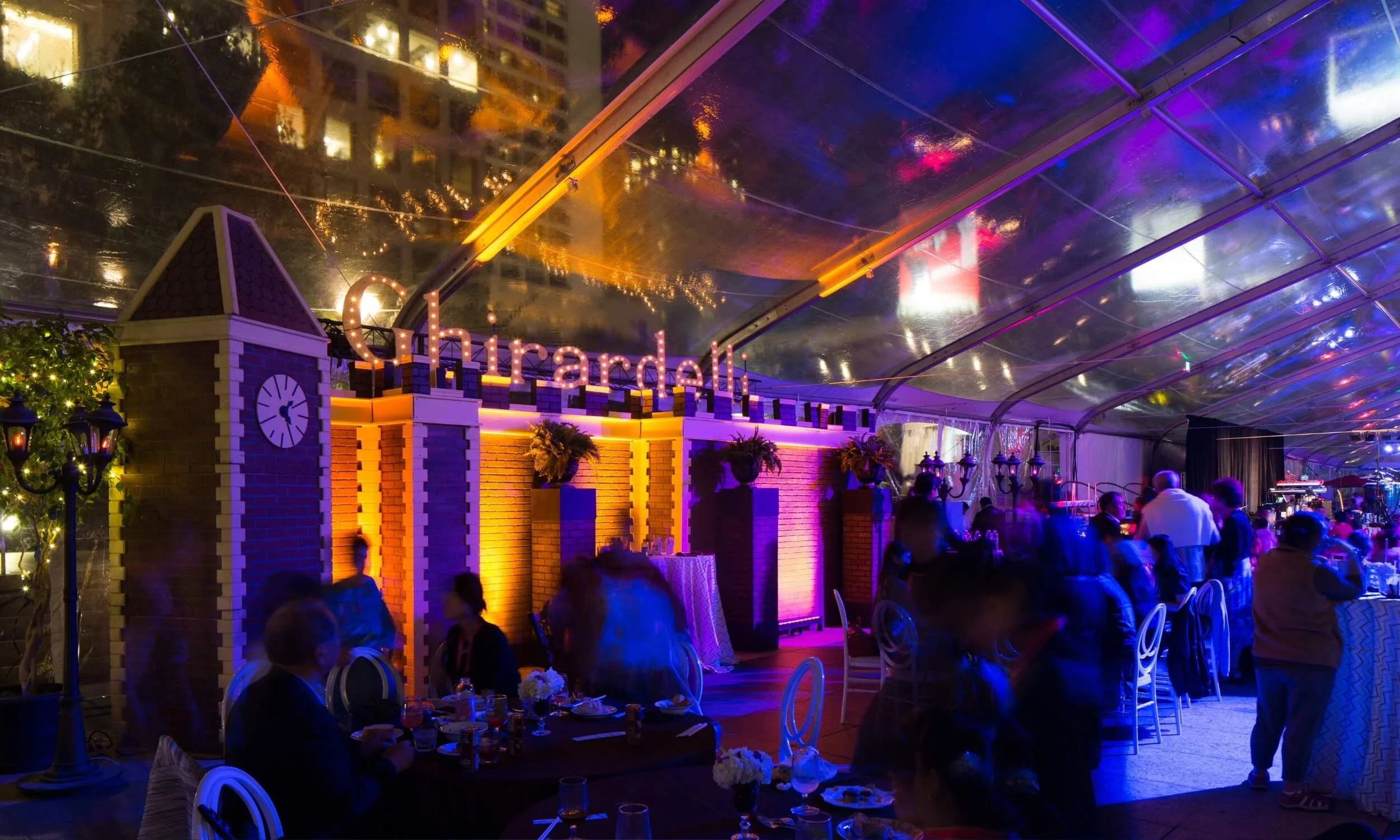
At Culinary Eye, we often guide clients through event production quotes Bay Area once they’ve started comparing options. By that point, the numbers are clear, but what those numbers lead to is still taking shape.
We spend time understanding how the event should feel once people arrive. Not just how it looks on paper, but how it moves, where attention gathers, and where small details can change the experience.
From there, we build around what the space allows and what the moment calls for. Some events need structure. Others need flexibility. Most need both at the right time.
Our proposals reflect that thinking. They account for what needs to happen before, during, and around the event so the experience holds together. When you’re reviewing proposals, it helps to choose a team that is thinking beyond setup and service, and into how the event will actually unfold in real time.
Frequently Asked Questions (FAQs)
Why do event production quotes vary so much for similar events?
Event production quotes vary because each proposal reflects a different approach to staffing, service style, logistics, and customization. Even with the same guest count, the level of planning and on-site support can change the total significantly.
What is typically included in an event production quote?
Most quotes include staffing, food or catering, rentals, logistics, and on-site management. However, the level of detail varies. Some teams handle full planning and coordination, while others focus only on execution.
How do you compare event production proposals accurately?
Start by aligning the scope. Compare staffing levels, service style, planning involvement, and responsibilities during the event. Looking at totals alone can be misleading without understanding what each proposal includes.
Why are event production costs higher in the Bay Area?
Event production quotes Bay Area tend to be higher due to labor demand, venue restrictions, transportation logistics, and permitting requirements. Many venues also have strict setup windows, which increases staffing needs.
Do higher quotes always mean better quality?
Not always. A higher quote may reflect more support, customization, or complexity. The key is to review what is included and how the event will be managed before judging value.
What questions should I ask before hiring an event production company?
Ask about staffing, planning involvement, service style, flexibility during changes, and on-site management. These details help you understand how the team will support the event from start to finish.
When should I request event production quotes?
It’s best to start early. Early planning allows more flexibility, smoother coordination, and clearer proposals. It also helps avoid last-minute changes that can increase costs.