
Event Production Company Cost: What to Expect in the Bay Area

Planning an event often starts with a simple idea, but the budget quickly becomes part of the conversation. One decision leads to another, and before long, event production company cost is influencing everything from the venue to the guest experience. Pricing can vary more than many people expect, especially when it isn't immediately clear what influences the final investment.
At Culinary Eye, those conversations rarely focus on numbers alone. Through our event design services, we help clients understand how budget, space, guest flow, and the overall experience work together. Looking at costs in context makes it easier to plan an event that feels thoughtful, functional, and aligned with its goals.
Understanding What You're Paying For
Before looking at pricing, it helps to understand what sits behind it. Event production company cost reflects far more than what guests see during the event. It also includes the planning, coordination, and preparation that happen long before anyone arrives.
Planning involves developing the event concept, studying the venue, organizing layouts, and anticipating logistical challenges. Coordination brings together vendors, schedules, staffing, rentals, and technical requirements. Execution includes installation, onsite management, troubleshooting, and breakdown once the event concludes.
Much of this work happens behind the scenes. Production teams spend significant time identifying potential challenges before they become problems, allowing the event to unfold smoothly from beginning to end.
Because of this, event production company cost represents both the visible and invisible work required to create a successful event. It reflects the expertise, preparation, and coordination that bring every element together into one cohesive experience.
Event Production Company Cost Ranges in the Bay Area
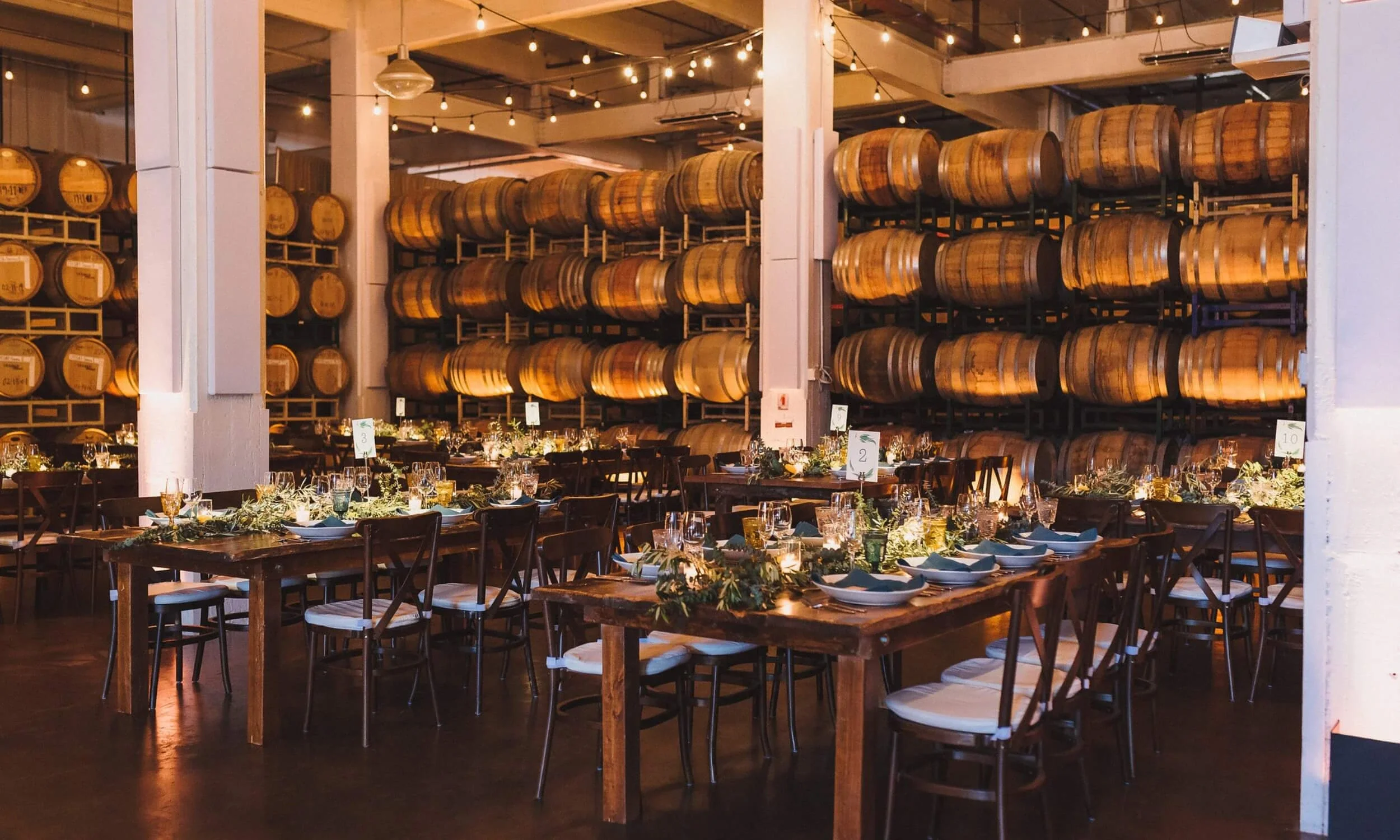
Event production company cost varies because no two events require the same level of planning or coordination.Guest count, venue requirements, custom installations, and production complexity all influence the final investment. While every proposal is tailored to the event, these general cost ranges can help establish realistic expectations.
Small-scale events: Typically range from $5,000 to $15,000 and often involve simple layouts, limited rentals, and minimal production requirements.
Mid-size events: Generally range from $15,000 to $50,000, often including multiple vendors, custom layouts, expanded staffing, and additional coordination.
Large or complex productions: Frequently begin around $50,000 and can exceed $150,000, particularly when events include custom fabrication, immersive environments, technical production, or multiple event spaces.
Project-based vs. per-guest pricing: While rentals, catering, and staffing may increase with guest count, production pricing is typically based on the overall scope of the event rather than attendance alone.
These ranges provide a useful starting point rather than fixed pricing. Every event has its own logistical requirements, creative goals, and operational challenges, all of which contribute to the final proposal.
“What might this cost for your event?
Costs vary based on space, scale, and setup. If you want a clearer sense of what to expect, you can reach out to our team.”
What Drives Event Production Costs?
After understanding the general ranges, the next question is usually what causes costs to increase or decrease. While every event is unique, several factors consistently shape event production company cost.
Venue type and condition: Different catering venues have different infrastructure, access requirements, and production needs. Fully equipped venues generally require less production than empty warehouses, outdoor locations, or unconventional spaces.
Guest count: Larger events typically require more staffing, rentals, catering support, and coordination.
Level of customization: Custom installations, branded environments, and unique design concepts often require additional planning and fabrication.
Rentals and infrastructure: Furniture, staging, tents, structures, décor, and specialty equipment all contribute to production costs.
Technical production: Lighting, audiovisual equipment, power distribution, and sound systems require specialized equipment and experienced crews.
Staffing and vendor coordination: More vendors, more installations, and more moving parts require additional oversight throughout the event.
When these elements are considered together, pricing becomes much easier to understand. Instead of reflecting a single service, the investment represents everything required to deliver a cohesive event experience.
What Is Included in Event Production Pricing?
Event production pricing reflects much more than setup on the day of the event. Full-service event production typically includes planning, coordination, logistics, and onsite management that bring every part of the experience together.
Production services commonly cover:
Creative concept development to establish the overall direction of the event.
Venue layout and spatial planning that supports guest flow and interaction.
Vendor coordination across rental partners, entertainment, technical teams, and additional service providers.
Event staffing to support setup, guest service, production logistics, and breakdown.
Installation and breakdown before and after the event.
Onsite production management to oversee timing, logistics, and real-time adjustments.
Integrated planning that aligns catering, bar services, staffing, and the overall environment.
Instead of approaching each element independently, production teams coordinate every piece under one plan. That integrated approach often leads to smoother execution and a more consistent guest experience.
Corporate Event Production Cost in the Bay Area
Many of the same factors that influence private events also affect corporate event production cost. Guest count, venue size, rentals, staffing, and production complexity all contribute to the overall investment. However, corporate events often introduce additional considerations.
Conferences, product launches, company celebrations, and brand activations frequently involve presentation stages, branded environments, executive presentations, interactive experiences, and multiple production teams working together. These elements require additional planning, coordination, and technical support.
Corporate events also vary widely in scope. An executive dinner, a multi-day conference, and a large product launch each require different levels of planning, staffing, technical production, and onsite management. Understanding those differences helps businesses develop a production plan that supports both their event objectives and budget.
Production teams typically prepare custom proposals based on the event objectives, venue, timeline, and logistical requirements. This allows businesses to invest in the elements that best support their goals while maintaining a cohesive guest experience.
Catering vs. Event Production: How Costs Compare
Although catering and event production work closely together, they are priced differently because they serve different purposes.
Catering focuses primarily on food, beverage, and service. Whether the event calls for gourmet catering or a more traditional dining format, catering cost in San Francisco is often structured on a per-person basis, making it relatively straightforward to estimate.
Event production focuses on the complete event environment. It includes planning, layouts, rentals, staffing, installations, vendor management, and onsite coordination. Because the scope extends far beyond food service, event production company cost is typically calculated as a project rather than a per-guest expense.
When catering and production are planned together, they support one another to create an event that feels cohesive, organized, and memorable for guests.
Where Costs Add Up – and Where You Can Adjust
Once you understand how production is structured, it becomes easier to see where costs tend to increase. Small decisions can have a meaningful impact on the overall budget, especially when they affect multiple parts of the event.
Areas that often increase production costs include:
Custom builds and installations that require additional fabrication and setup.
Advanced technical production, including lighting, audiovisual systems, and staging.
Large or unconventional venues that need additional infrastructure or equipment.
Higher guest counts, which often require more staffing, rentals, and coordination.
At the same time, there are practical ways to manage the budget without compromising the guest experience:
Choose a venue with existing infrastructure to reduce setup requirements.
Focus on a few impactful design elements instead of transforming every part of the space.
Simplify layouts where possible to reduce installation time and labor.
Consolidate vendors when appropriate to streamline coordination.
Thoughtful adjustments help you prioritize what matters most while making event production company cost easier to manage.
How to Approach Your Budget Without Overcomplicating It
Once you understand the factors behind production costs, budgeting becomes much more manageable. Instead of trying to account for every detail at once, it helps to begin with the overall experience you want guests to have.
A few practical steps can help guide the process:
Start with your priorities. Decide what guests are most likely to remember, whether that's the atmosphere, the food, or a signature experience.
Define the scope early. Establishing a clear direction before making detailed decisions helps reduce unexpected changes later.
Understand the venue. Every venue has different requirements that influence staffing, rentals, and production logistics.
Balance customization with practicality. Investing in a few well-designed elements often creates a greater impact than trying to transform every corner of the space.
Discuss your budget openly. Sharing your budget early allows the production team to recommend solutions that align with both your vision and your investment.
Approaching the process this way creates a clearer path forward and makes it easier to make confident decisions about event production company cost throughout the planning process.
“Want to talk it through?
If you’re sorting through ideas or next steps, we’re here to help. You can start a conversation whenever it feels right.”
Bringing Cost and Experience Together at Culinary Eye

At some point, event production company cost becomes less about a single number and more about how every part of the event works together. That shift often changes how planning decisions are made.
Every project begins with understanding the venue, guest experience, and goals for the event. That process shapes recommendations for layouts, catering, staffing, and production, ensuring the investment reflects what the event actually requires.
Whether discussing corporate event production cost or planning a private celebration, the focus remains the same: creating an experience where food, design, service, and logistics support one another from beginning to end.
By approaching every event collaboratively, Culinary Eye helps clients make informed decisions that balance creativity, functionality, and budget while creating memorable experiences for their guests.
Frequently Asked Questions (FAQs)
How much does an event production company cost in the Bay Area?
The cost of an event production company in the Bay Area typically ranges from $5,000 to more than $150,000, depending on the venue, guest count, production complexity, staffing, rentals, and overall event scope. Most production companies prepare custom proposals based on the specific requirements of each event.
What factors affect the cost of an event production company?
Event production company cost is influenced by the venue, guest count, staffing, rentals, technical production, custom installations, vendor coordination, and the overall complexity of the event. Together, these factors determine the level of planning, execution, and onsite management required.
How much does premium event production cost?
Premium event production cost depends on the venue, guest count, production complexity, technical requirements, staffing, and the level of customization involved. Most production companies provide tailored proposals because every event has unique logistical and creative requirements.
How can I reduce event production costs without compromising the experience?
You can reduce event production costs by choosing venues with existing infrastructure, simplifying layouts, limiting custom installations, and focusing your budget on the elements that create the greatest impact. Planning early also helps identify cost-saving opportunities without compromising the guest experience.
Do I need event production for a small event?
Not every small event requires event production. Simple gatherings may only need catering and limited coordination. However, production becomes valuable when the venue requires additional setup, multiple vendors are involved, or the event includes custom layouts, installations, or interactive experiences.
Is event production worth the cost?
Event production is often worth the cost for events that involve multiple vendors, custom installations, or complex logistics. A production team coordinates planning, staffing, timelines, and onsite execution, helping create a more organized experience while reducing stress for the host.