
Catering vs. Event Production: What’s the Difference?
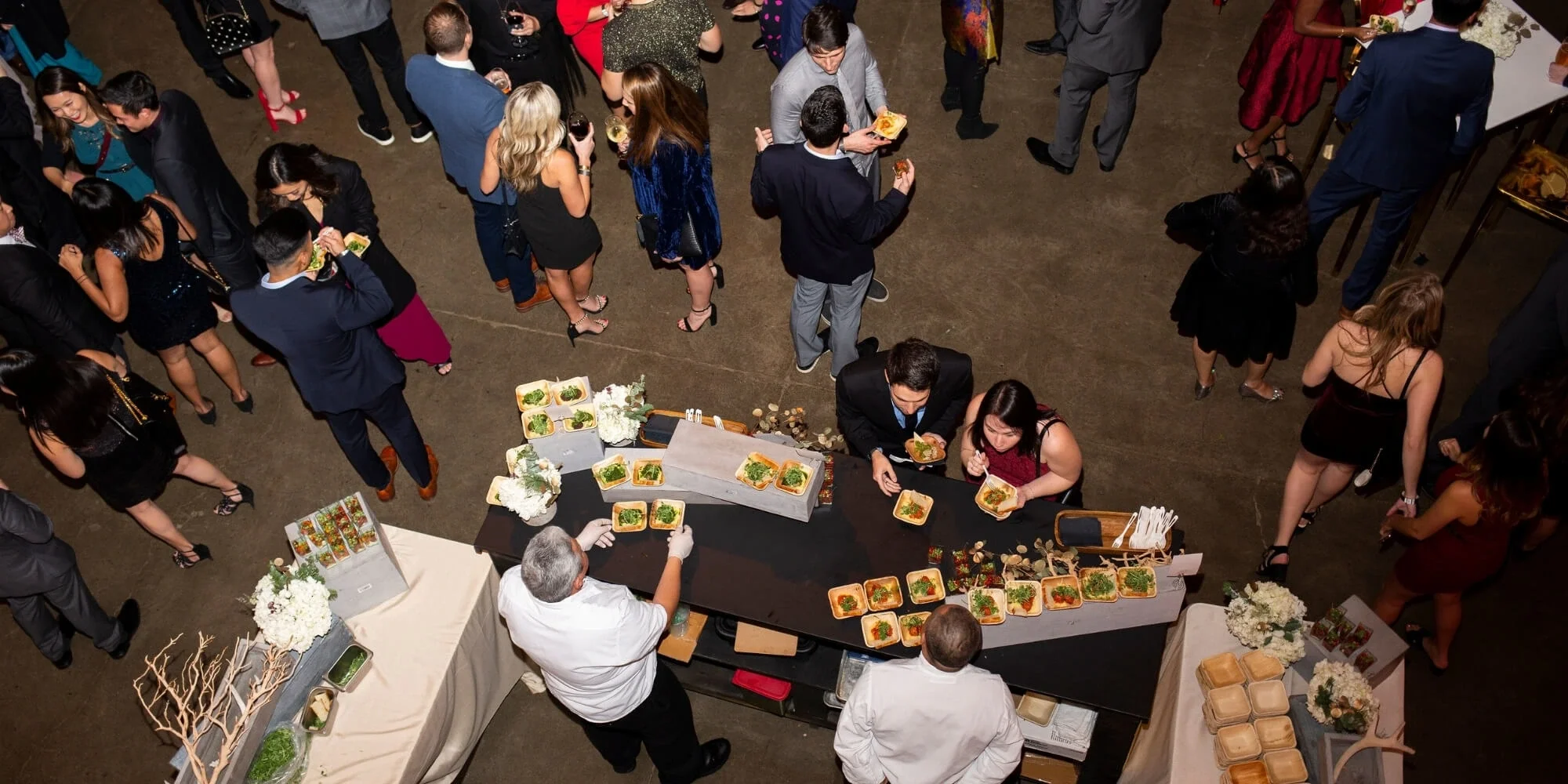
When people start planning a gathering, things can feel a little blurry. Food, space, flow—it all blends together at first. That’s where the difference between catering vs. event production starts to matter. We see this early on at Culinary Eye. Some clients come in thinking about menus, then realize they’re really trying to shape how the whole experience feels. That’s where our event design services come into the conversation, and things begin to open up.
From there, it becomes easier to see what your event actually needs. Sometimes, it’s simply good food and thoughtful service. Other times, it’s a full environment that people can walk through and interact with. This guide walks you through that difference, so you can decide what fits.
The Difference Between Catering and Event Production
Before getting into details, it helps to look at catering vs. event production side by side. Both play a role in shaping an event, but they approach it from completely different angles.
Core focus: Catering centers on food and service. Event production focuses on the full environment, including how people move through it.
Scope of responsibility: Caterers handle menu planning, preparation, and service. Production teams oversee layout, timing, lighting, and overall coordination.
Role in the event: Catering supports the event by feeding guests. Production builds the structure that the entire event sits within.
Creative involvement: Catering may reflect a theme through menu choices. Event production shapes how that theme is experienced in the space.
Guest interaction: With catering, interaction happens around food service. With production, interaction is designed across the entire setting.
Level of coordination: Catering teams coordinate kitchen and service staff. Production teams align multiple moving parts, including vendors and logistics.
Flexibility across spaces: Caterers adapt menus to the venue. Production teams often adapt the venue itself to fit the concept.
When you step back and look at it this way, catering vs. event production becomes much easier to understand in practice.
What Catering Actually Covers (and Where It Stops)
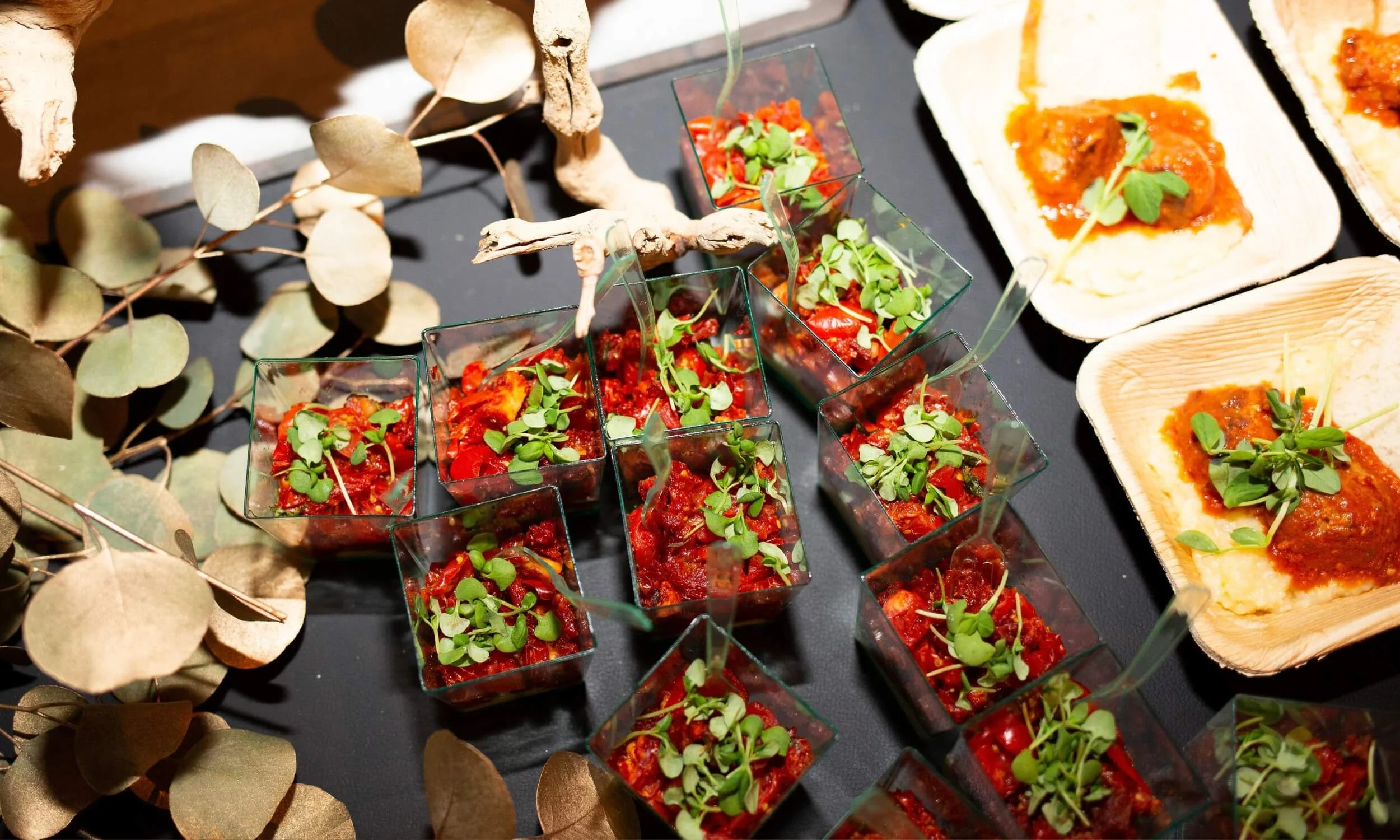
When people think about catering, they’re usually thinking about the food first. That makes sense, because that’s where most caterers focus their time and care. Still, it helps to look a little closer at what’s actually included, and where that scope naturally ends.
Menu planning and development: Caterers help shape a menu that fits the gathering, the guests, and how the food will be served.
Food preparation and execution: From sourcing ingredients to final plating, the kitchen team handles the full cooking process.
Service styles and setup: This can look like buffets, plated dinners, passed bites, or simple food stations.
Service staff and coordination: Servers and chefs work together to keep things moving, from the first tray to the last plate.
Basic food-related rentals: Plates, serving pieces, and utensils are usually included, depending on what’s needed.
Timing around food service: Caterers manage when food comes out, how it’s refreshed, and how service flows.
That said, catering stays close to the food itself. It doesn’t usually shape the space, the layout, or how guests move through the event. That’s where the difference between catering vs. event production starts to become more noticeable.
What Does Event Production Include?
Once you move past the food, the bigger picture starts to come into view. Events don’t just happen, they’re built piece by piece. For anyone wondering what event production includes, it helps to think about everything guests see, hear, and move through from the moment they arrive.
Concept and creative direction: It often starts with a central idea, whether that’s tied to a brand, a theme, or a specific mood.
Spatial design and layout: The space is planned so guests can move comfortably, gather naturally, and understand where things are happening.
Lighting, sound, and environment: These details influence how the space feels, from brightness and color to music and overall atmosphere.
Guest flow and timing: The event is mapped out so transitions feel smooth and nothing feels out of place.
Vendor coordination: Different teams are brought together and managed, including rentals, technical crews, and support staff.
Build and installation: This may involve custom setups, branded elements, or interactive features within the space.
Onsite management and adjustments: Teams stay present to manage timing, troubleshoot issues, and make real-time changes when needed.
Seen this way, catering vs. event production becomes easier to separate. Catering focuses on the food itself, while production brings all the moving parts together into one cohesive experience.
“What does this look like for your budget?
Every event comes together a little differently, so pricing often depends on the space, format, and level of involvement. If you’re starting to weigh catering vs. event production, we can walk you through what to expect and where things tend to land. ”
When Catering Is Enough – and When It Isn’t
Not every event needs a full build. In many cases, good food and steady service are more than enough. At the same time, some gatherings call for a more involved setup. Looking at catering vs. event production in real situations makes that decision much clearer.
When catering is enough:
Smaller gatherings at home work well with full-service catering that handles both food and service
Office lunches or team dinners need reliable food and simple timing
Seated dinners with a fixed format rely mostly on catering
Venues with an existing setup often only need food to complete the experience
When event production becomes important:
Larger events with multiple moving parts need coordination beyond food service
Brand activations or launches require a designed environment, not just a menu
Unconventional venues like warehouses or outdoor spaces need additional planning
Events built around guest interaction benefit from a more structured setup
When both come together:
Some events sit in the middle, where food and environment are closely connected
Event production and catering Bay Area teams often work side by side in these cases
The food becomes part of the setting rather than a separate element
Thinking through these scenarios helps simplify the decision around catering vs. event production. It becomes less about labels and more about what your event actually needs to come together smoothly.
Where Experiential Culinary Work Fits In
Some events don’t sit fully in one category or the other. Instead, they bring food and environment together in a more connected way. This is often where catering vs. event production starts to overlap, and where a more integrated approach becomes useful.
In this space, food is not treated as a separate service. It becomes part of how people move through the event. Guests might interact with chefs, pause at a station built into the setting, or discover food in unexpected places. The experience unfolds through both the menu and the environment at the same time.
This approach also changes how things are planned. The menu is developed alongside the layout, not after it. Service is timed around how guests explore the space, rather than following a fixed sequence. As a result, the food feels connected to everything happening around it.
Because of this, the line between catering vs. event production becomes less rigid. It turns into a shared process where food and environment are considered together from the beginning, rather than handled separately.
Choosing the Right Approach for Your Event
Once you understand the difference, the next step is deciding what actually fits your plans. This doesn’t need to feel complicated. A few practical considerations can quickly point you in the right direction when thinking about catering vs. event production.
Type of gathering:
A seated dinner with a clear structure usually leans toward catering.
An open-format event with movement often calls for a more involved setup.
Guest interaction:
Events focused on dining and conversation work well with catering.
Events where guests explore and move around benefit from production.
Venue conditions:
Fully equipped venues may only need food and service.
Blank or unconventional spaces often require additional planning.
Level of coordination:
Fewer moving parts can be handled through catering.
Multiple elements and teams usually require production oversight.
Connection between food and space:
If food is one part of the event, catering may be enough.
If food is part of the environment, a more integrated approach works better.
Looking at these factors together makes catering vs. event production easier to navigate. Instead of guessing, you can match your event to the level of support it actually needs.
“Let’s talk through your event
If you’re working through details or trying to decide what fits, we’re happy to listen first. We can help you think through the space, the flow, and how everything comes together. ”
How Culinary Eye Approaches It
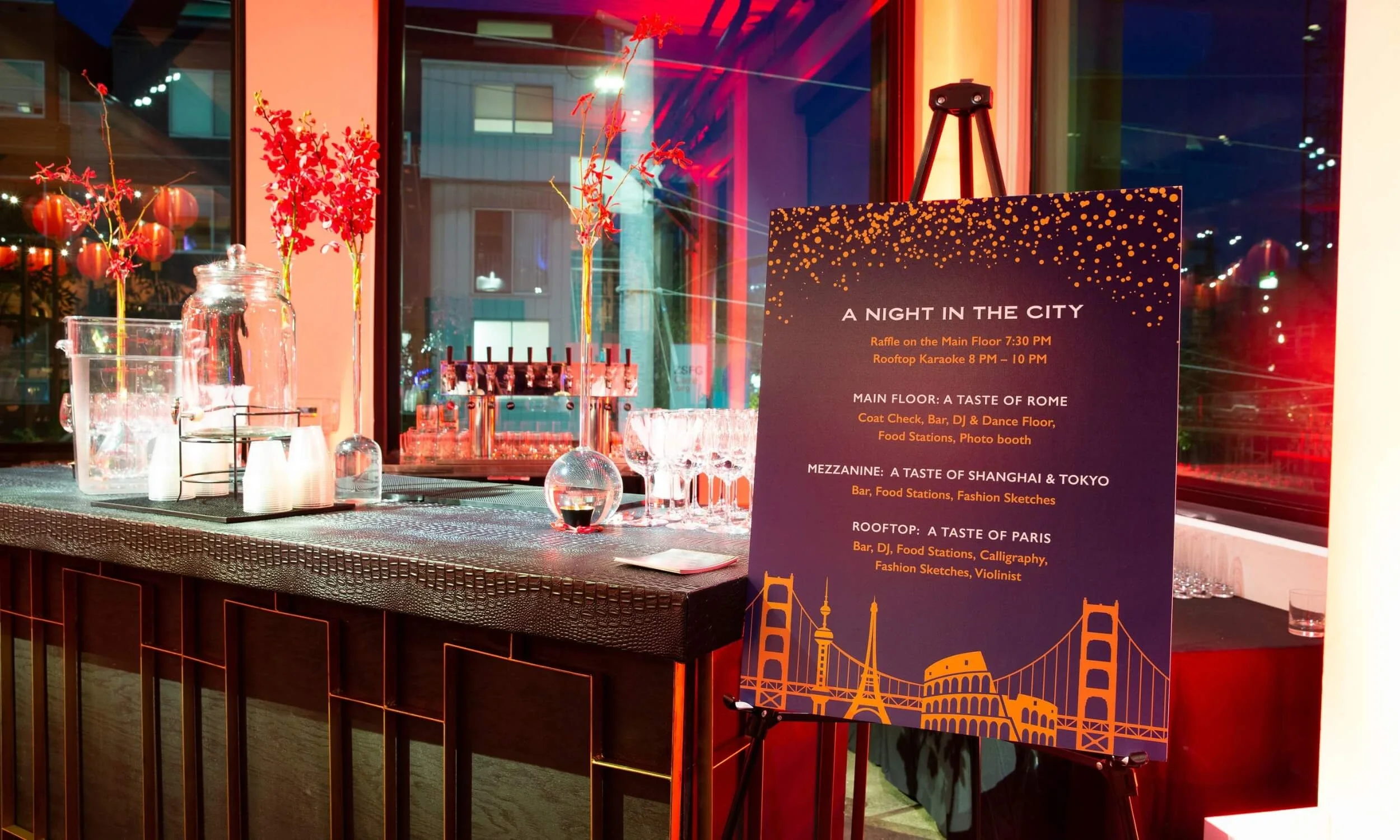
At some point, catering vs. event production becomes less about definitions and more about how people experience the event. That shift often changes the direction of the entire plan.
At Culinary Eye, we don’t separate food from the setting. Instead, we think about where it sits, how it’s served, and how people move around it. A station might invite guests to gather, or a setup might guide how the room flows. Each choice is made with the full experience in mind.
We also adapt to the space rather than forcing a fixed format. A home, a gallery, or an outdoor site each requires a different approach. Because of that, we adjust the menu, the setup, and the service to fit the environment.
Our process connects everything from the start. We move from concept to food development, then into layout and onsite execution. In this way, catering vs. event production becomes part of the same conversation, built together rather than handled separately.
Frequently Asked Questions (FAQs)
What is the difference between catering and event production?
Catering handles food and service. Event production manages the full event setup, including layout and coordination. In short, catering vs. event production is the difference between what guests eat and how the event comes together.
Do I need event production for a small event?
You usually don’t need event production for small events with a clear structure. Catering is often enough for dinners, small gatherings, or office meals. However, if the space is unconventional or requires setup, event production can still be helpful.
What does event production include for a typical event?
Event production includes concept planning, space layout, lighting, sound, vendor coordination, and onsite management. It also covers how guests move through the event and how different elements work together during the experience.
Is full-service catering enough for most events?
Full-service catering is enough for many events, especially those with a fixed format like seated dinners or simple gatherings. It covers food, service staff, and basic setup. However, larger or more complex events may need additional production support.
Can one company handle both catering and event production?
Yes, some companies handle both catering and event production. This approach allows food, space, and service to be planned together. It can also simplify coordination, since one team manages multiple aspects of the event.
When should I choose event production instead of just catering?
You should choose event production when your event involves multiple elements, guest movement, or a custom setup. It is especially useful for large events, brand activations, or venues that need to be built out from scratch.