
Coffee Cupping: A Simple Guide for Beginners
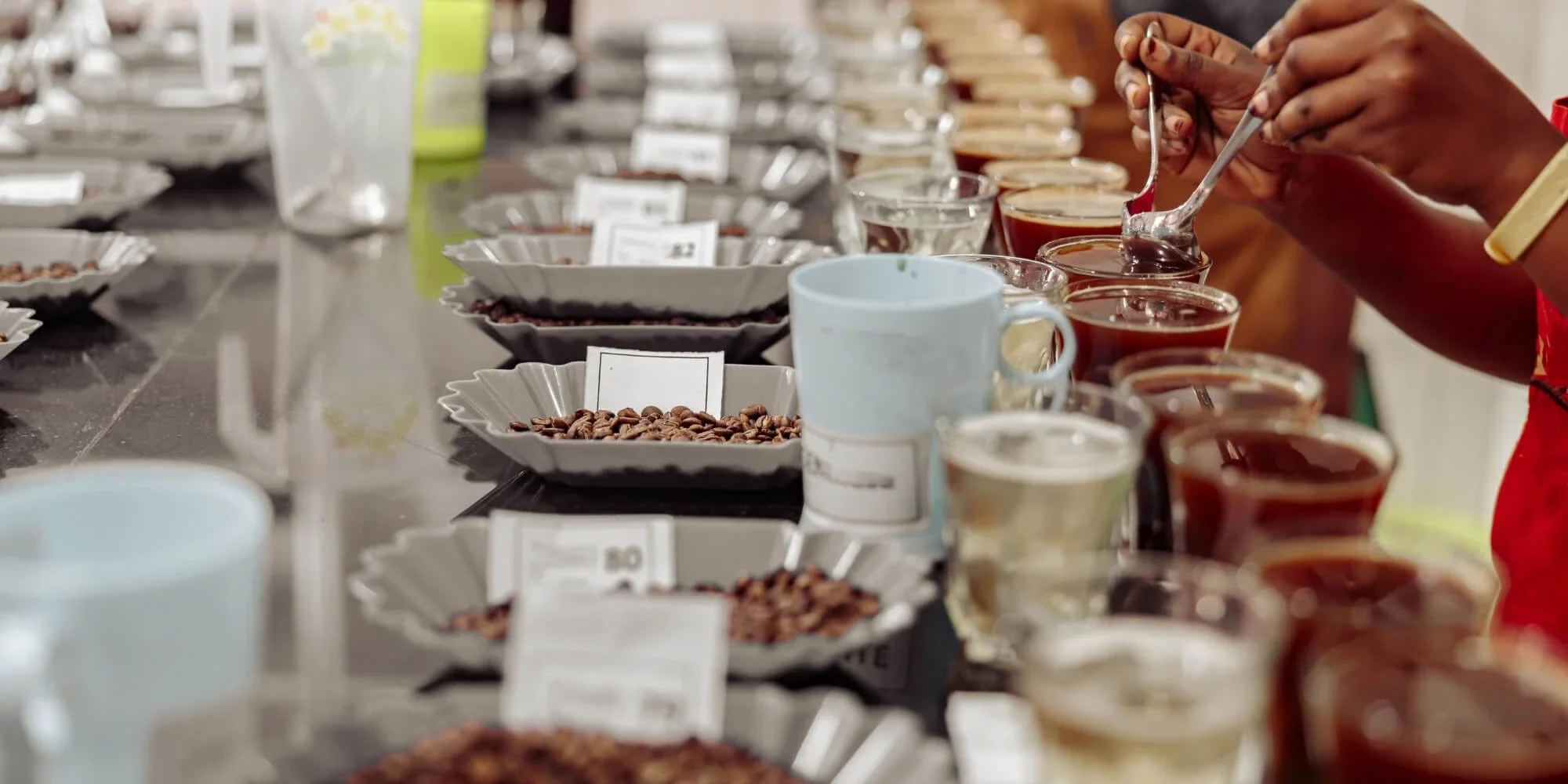
People hear about coffee cupping and often picture something technical. At Culinary Eye, we see a different side of it. During our cooking classes, guests learn how tasting helps them understand ingredients, and cupping does the same. It gives you a clear way to notice aroma, texture, and flavor. This guide walks you through the steps so you can try it at home.
What Is Coffee Cupping?
Coffee cupping is a simple tasting practice built around slowing down and noticing what's in front of you. You move through aroma, texture, and flavor one step at a time, letting each stage offer a clearer sense of the coffee.
People across the coffee world use this method—from farmers checking a harvest to roasters reviewing a new batch and home brewers learning what they enjoy. Everyone follows the same basic approach, which keeps the attention on the coffee rather than the equipment. Because everyone uses a consistent process, it's easier to compare different coffees fairly.
Cupping matters because it gives you a consistent way to understand flavor. As the coffee cools, different characteristics become easier to notice, helping you recognize details that might otherwise go unnoticed. Over time, that awareness carries into the way you taste food and other ingredients in the kitchen as well.
How Coffee Cupping Works
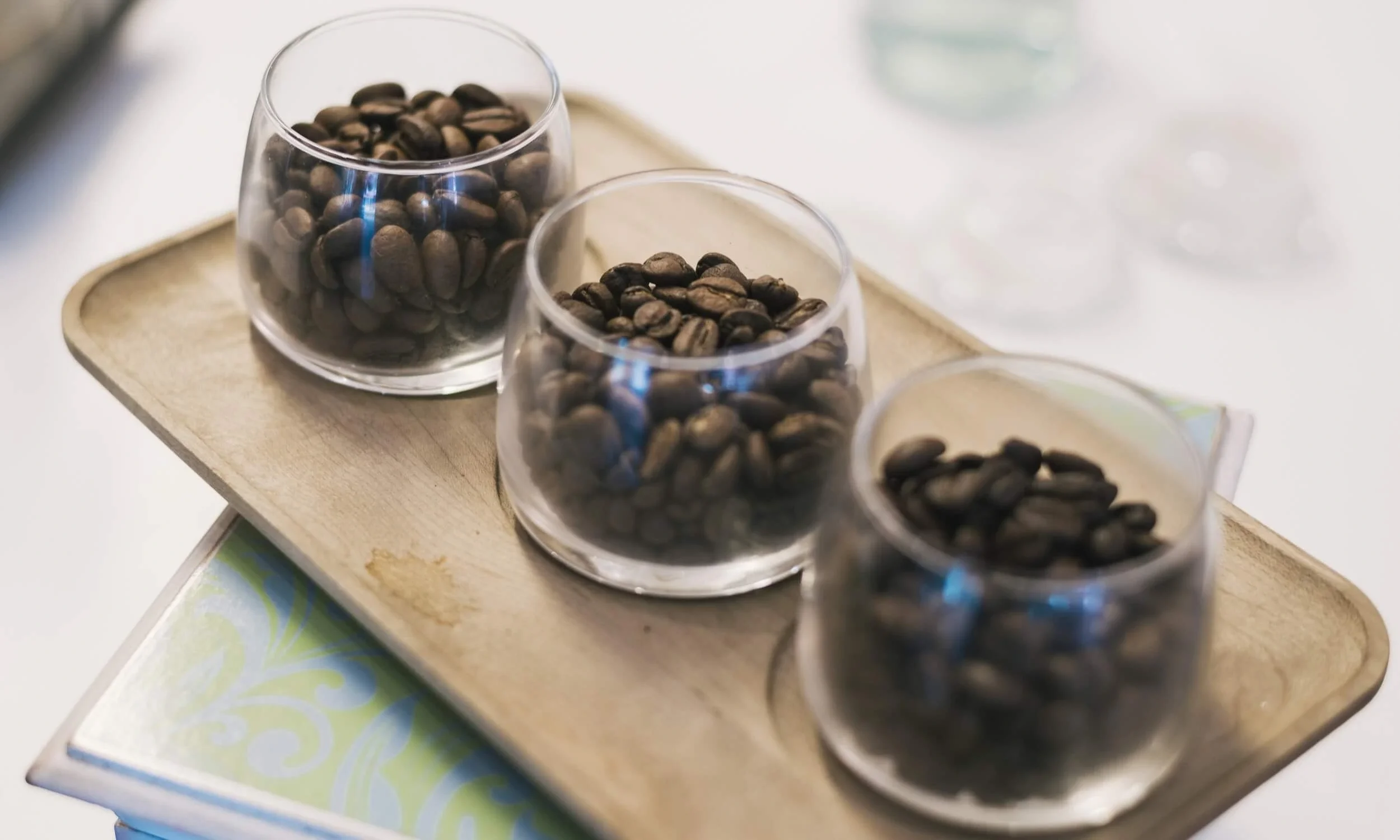
Once you understand the purpose, the process itself becomes straightforward. Each stage builds on the one before it, allowing you to experience how the coffee changes from the first aroma to the final sip.
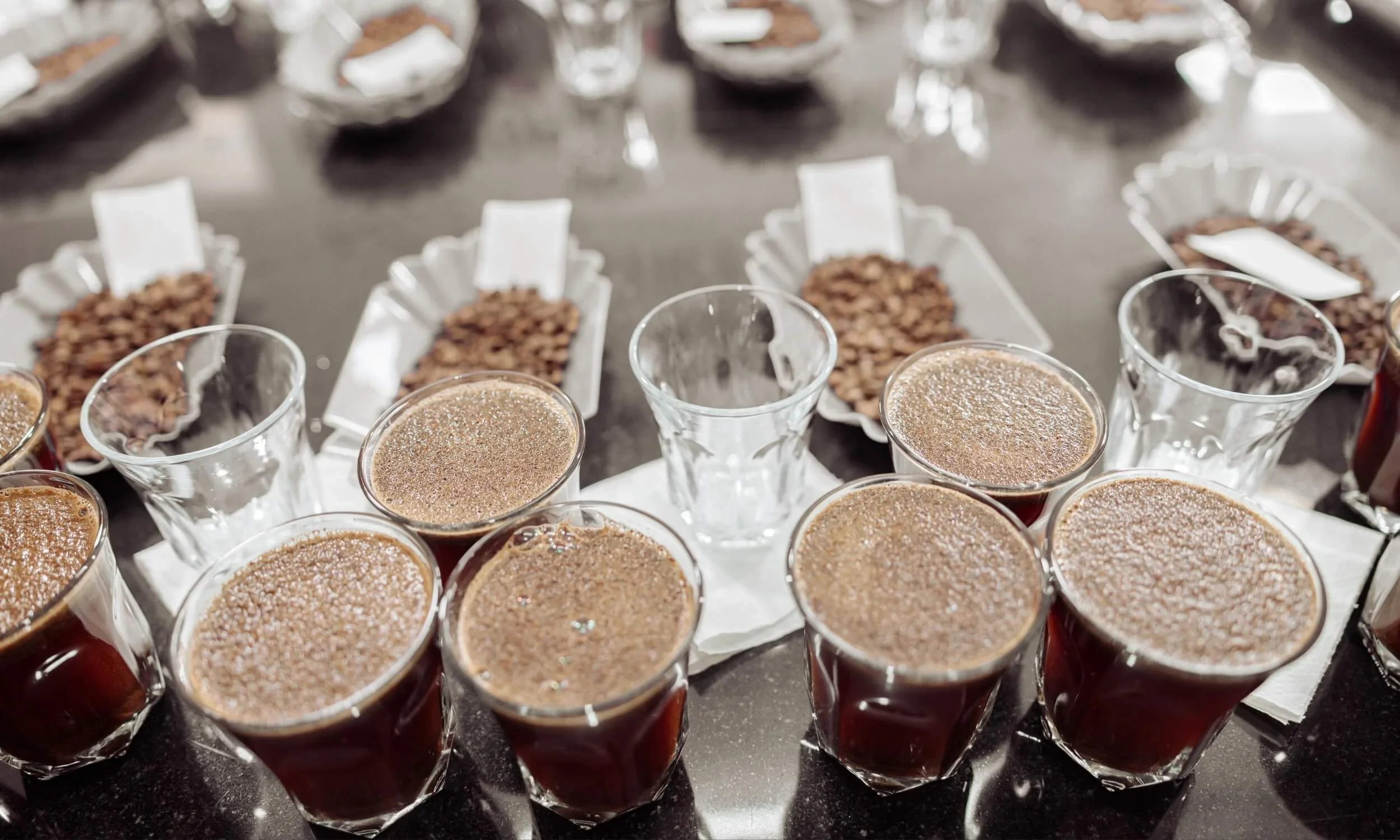
You begin by smelling the dry grounds and noticing what stands out. Next, pour hot water over the coffee and allow a crust to form on the surface. After a few minutes, gently break the crust while taking in the aroma once again. As the coffee cools, taste it several times to discover how its character changes with temperature.
The goal isn't to judge the coffee or find the "right" answer. Instead, coffee cupping encourages you to slow down, compare your observations, and become more familiar with the unique qualities of each cup.
“Learn Through Taste, Just Like We Do
If this tasting approach feels familiar or interesting, our team hosts cooking classes where people explore food the same way—by noticing what changes, talking through ingredients, and cooking together. You can reach out if you’d like help choosing a class that fits your group.”
Coffee Cupping Equipment for Beginners
You don't need expensive coffee cupping equipment to practice at home. A simple setup keeps the focus on tasting rather than equipment.
Here's what helps most:
Fresh coffee: Grind recently roasted beans just before cupping to preserve their aroma and flavor.
Hot water: Keep the temperature near boiling for consistency.
Matching cups: Using the same style of cup makes comparisons easier.
Spoons: Deep spoons help you skim and taste cleanly.
Scale (optional): Helps you repeat the same ratio if you want.
Notebook: Record thoughts without aiming for perfect descriptions.
These basics support a smooth first session. As you gain confidence, you can expand your setup or continue with the same simple tools.
Step-by-Step Coffee Cupping Guide
Once everything is set up, you can begin the process. Each stage reveals something different about the coffee.
Follow these steps:
Smell the dry grounds: Notice the first aroma before anything changes.
Add hot water: Pour slowly so the grounds soak evenly.
Let the crust form: Wait about four minutes while the coffee steeps.
Break the crust: Push the layer aside and smell the aroma again.
Skim the surface: Remove stray grounds to clear the cup.
Taste in rounds: Sample the coffee several times as it cools.
Write brief notes: Capture your impressions without worrying about perfect descriptions.
Allow the coffee to cool naturally rather than rushing the process, since different flavors become easier to notice as the temperature changes.
These steps help you experience each stage of the tasting process without making it feel complicated. As you repeat them, your observations become more natural.
What to Notice During Coffee Cupping
After you understand the steps of coffee cupping, you can begin paying attention to the elements that make each cup unique. Many beginners start with aroma because it's the first characteristic they notice. From there, you can observe acidity, sweetness, body, and finish. Each one contributes something different to the overall experience.
As the coffee cools, you'll notice that some flavors become brighter while others soften. Paying attention to these changes helps you better understand how coffee develops over time.
Common Coffee Cupping Flavor Profiles
Once the basics feel familiar, you can begin recognizing common flavor families during coffee cupping. These categories make it easier to describe what you're tasting, even if you're just getting started. It's also common to notice more than one flavor family in the same cup, since coffees often develop differently as they cool.
Some common flavor groups include:
Fruity: Notes that suggest berries, citrus, or stone fruit.
Nutty: Warm impressions like almond, hazelnut, or walnut.
Chocolatey: Flavors that resemble cocoa or dark chocolate.
Floral: Delicate aromas that feel bright or fragrant.
Warm spices: Hints of cinnamon, clove, or similar spices.
These simple categories give you a practical way to compare different coffees while building confidence in your own observations.
Tips for Getting More from Each Session
Coffee cupping becomes more rewarding as you build consistency into your routine. Rather than changing everything at once, compare two coffees using the same grind size, water, and brewing conditions so you're only evaluating differences between the beans. Taste each cup several times as it cools because different characteristics appear at different temperatures.
Keeping brief notes also makes it easier to recognize patterns and remember which coffees you enjoyed most. Over time, those notes become a helpful reference when trying new beans or revisiting old favorites.
There isn't a right or wrong answer. The goal is to pay attention, trust your senses, and become more familiar with the coffees you enjoy drinking.
Coffee Cupping Troubleshooting for Beginners
When people begin coffee cupping, a few things can feel unfamiliar. These simple tips can help you become more comfortable as you practice.
Common situations include:
Everything tastes similar: Compare coffees from different regions or roast levels.
You're unsure how to describe flavors: Keep your notes simple and honest.
Acidity feels confusing: Taste the coffee again after it cools slightly.
The aroma feels overwhelming: Step back for a moment before returning to the cup.
These small adjustments make the process easier to enjoy. The more often you practice, the more differences you'll begin to notice.
“Curious About Class Pricing?
Every group cooks a little differently, and that shapes what the experience looks like. If you’d like a sense of cost, we can talk through options and find something that fits your group comfortably.”
Carrying Coffee Cupping Practices Into the Kitchen
Like cooking, coffee cupping becomes more rewarding with practice. Every session helps you recognize new aromas, textures, and flavor notes while building confidence in your own palate. The more often you practice, the easier it becomes to recognize subtle differences and describe what you're tasting with confidence.
If you're planning a cooking event, that same spirit of tasting, experimenting, and learning together can make the experience even more engaging. Whether people are exploring ingredients, comparing flavors, or preparing a meal side by side, paying attention to taste encourages conversation and curiosity.
That same appreciation for thoughtful flavors carries into everything we create, from interactive cooking classes to corporate catering for team gatherings, client events, and workplace celebrations. Whether guests are tasting coffee, preparing a meal together, or enjoying food created by our team, the goal remains the same: bringing people together through memorable flavors and shared experiences.
Frequently Asked Questions (FAQs)
Why do people slurp during coffee cupping?
People slurp coffee during cupping to spread it evenly across the palate and mix it with air. This helps release aromas and makes it easier to evaluate the coffee's acidity, sweetness, body, and finish.
Can you do coffee cupping at home?
Yes. You can do it at home using freshly ground coffee, hot water, matching cups, and spoons. A simple setup allows you to compare different coffees without needing professional equipment.
What's the difference between coffee cupping and regular coffee tasting?
Coffee cupping uses a standardized tasting method to compare different coffees under the same conditions. Regular coffee tasting is more casual and doesn't follow a consistent process, making comparisons less precise.
Why does coffee taste different as it cools?
Coffee tastes different as it cools because its flavor compounds become more noticeable at lower temperatures. As the heat fades, sweetness, acidity, and other subtle characteristics often become easier to identify.
How fresh should coffee beans be for cupping?
Coffee beans used for cupping are generally best within 2 to 4 weeks of roasting. During this period, the beans retain much of their aroma and flavor while allowing excess carbon dioxide to dissipate.
What should I write in coffee cupping notes?
Your notes should include observations about aroma, acidity, sweetness, body, aftertaste, and any flavors you notice. Keeping your notes simple and consistent makes it easier to compare different coffees over time.
Do you need special coffee cupping equipment?
No. Beginners can start with freshly ground coffee, hot water, matching cups, and spoons. A scale and notebook can help with consistency, but they are not required.