
How to Choose a Caterer in Palo Alto: Questions to Ask Before Booking
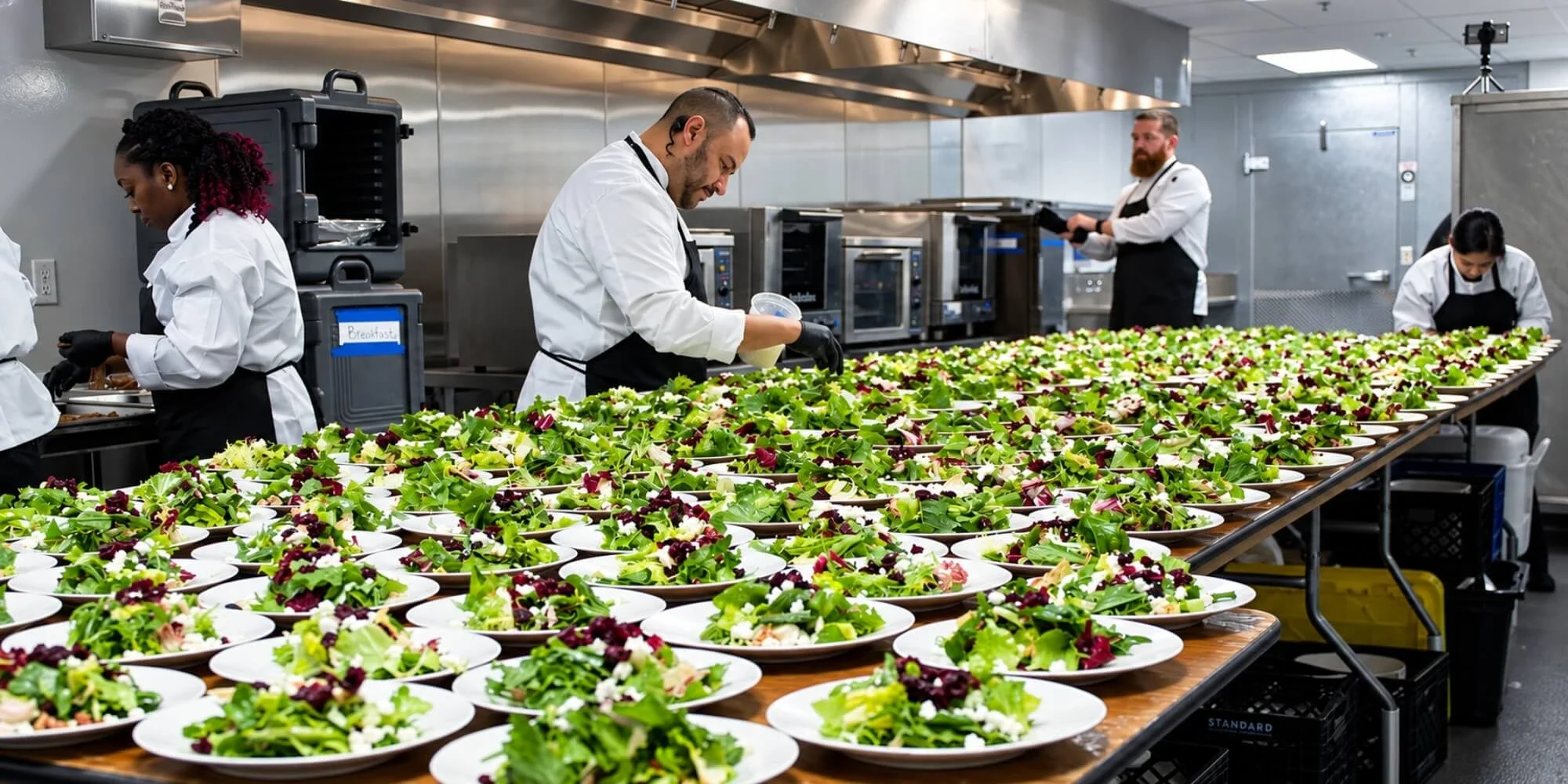
Choosing a caterer means evaluating the food, service, staffing, logistics, and planning behind the event. The team also has to understand the space, manage the timing, and know how to respond when plans shift. If you are figuring out how to choose a caterer in Palo Alto, those details can tell you just as much as the menu.
A company reception, wedding, or private dinner will each place different demands on the catering team. The right fit depends on the gathering you want to create and what it will take to make it work well.
In this guide, Culinary Eye shares what to look for, which questions to ask, and how to weigh your options when planning catering in Palo Alto.
Quick answer: To choose a caterer in Palo Alto, look for relevant event experience, menu flexibility, a realistic staffing plan, familiarity with venue logistics, transparent pricing, and clear contract terms. Compare every proposal using the same guest count, service style, schedule, rentals, beverage needs, and venue requirements.
Start With What Your Event Actually Needs
Before contacting caterers, define the basic shape of the event. You do not need every detail settled. However, a clear brief helps caterers recommend food and service that fit what you are planning.
If you are unsure how to choose a caterer in Palo Alto, start by identifying what your event will ask of the catering team. The following details can clarify the culinary, service, and production support you need:
Type of gathering: A wedding dinner calls for a different approach than a conference lunch or cocktail reception. Share the purpose of the event and how formal or casual you expect it to feel.
Guest count: Provide your current estimate, even if the number may change. Attendance affects food quantities, staffing, rentals, and the overall scale of service.
Venue: Identify where the event will take place and any limitations you already know about. The caterer can explore the technical details with you later.
Service style: Consider how you want guests to eat. A plated dinner creates a different experience than passed bites, family-style service, or stations guests can visit throughout the event.
Dietary needs: Note known allergies, dietary restrictions, cultural considerations, and preferences. Sharing them early gives the culinary team more room to develop suitable dishes.
Budget range: Decide what you are comfortable spending on food, beverages, labor, rentals, equipment, taxes, service charges, and other event requirements before requesting proposals. A realistic range helps caterers recommend choices that make sense within the broader event budget.
Role of the food: Decide how prominent you want food to be in the gathering. It might support conversation over dinner, connect to a company theme, or become an interactive part of the event.
A useful brief does not lock you into a finished plan. It gives the caterer enough context to bring informed ideas to the conversation while leaving room for the menu and service to develop collaboratively.
What to Look for When Hiring a Caterer in Palo Alto

If you are wondering how to choose a caterer in Palo Alto, start by looking for experience that relates to your own gathering. Guest count, service style, setting, and production needs can tell you more about fit than the size of a portfolio.
A caterer who regularly handles weddings may have less experience with a fast-moving company reception. Likewise, a team known for conferences may approach an intimate dinner very differently. Past work becomes more useful when it shows how the caterer responds to different demands.
Culinary range matters too. Some gatherings work well with established menu formats. Others call for seasonal development, personal references, cultural influences, or food shaped around a larger concept. A varied body of work can show whether a caterer knows when to adapt rather than repeat the same formula.
Then, look beyond the kitchen. Depending on the occasion, you may need bartending, event staffing, fabrication, custom food displays, or interactive service. The best caterers in Palo Alto for your event are the ones whose capabilities match what you actually plan to create.
Palo Alto events can take place in corporate offices, private homes, outdoor spaces, and venues with limited preparation facilities. Ask how the caterer will manage access, loading, equipment, food finishing, and the movement between preparation and guest areas in your specific location.
A strong portfolio should help you picture how the team might work within the demands of your event, not simply show you what they have done before.
Questions to Ask a Caterer Before You Book
A consultation can tell you things a menu or photo gallery cannot. You get to hear how the caterer thinks through food, service, logistics, and the details specific to your gathering.
For anyone considering how to choose a caterer in Palo Alto, the consultation is a chance to uncover the thinking behind the proposal. Specific answers can show whether the team has considered your event as a whole.
How do you develop the menu? Find out what shapes the culinary process. Seasonality, guest preferences, cultural influences, service style, and the event concept can all inform what eventually reaches the table.
How do you handle dietary requirements? Ask how the kitchen manages allergies and other dietary needs. Look for an answer that explains how dishes are developed, identified, and served safely to the right guests.
Who will work onsite? Learn which roles the event requires and who will lead service. Chefs, servers, bartenders, captains, and event managers have different responsibilities, so the staffing plan should reflect the format.
How will you work with my venue? Find out how the caterer plans around kitchen access, prep areas, load-in times, power, and site restrictions. This matters across Palo Alto’s offices, private homes, outdoor settings, and venues without full catering kitchens.
What can you create beyond the menu? If food will play a larger role in the event, ask what is possible. Interactive stations, edible installations, custom displays, or branded elements can connect the culinary experience to the larger concept.
How do you manage changes during planning? Guest counts and schedules can shift as the date approaches. Find out how the caterer handles revisions and when changes begin to affect food orders, staffing, or other arrangements.
What will the proposal include? Ask for a clear overview of what falls within the quoted scope. Knowing whether food, labor, equipment, rentals, setup, breakdown, or beverage service appears in the proposal will make the document easier to evaluate.
Pay attention to the substance of the answers rather than how quickly they arrive. A useful consultation should leave you with specific information about how your event would work in practice, including areas that still need decisions.
What to Review When You Compare Catering Companies
Two catering proposals with similar totals can represent very different events. When looking at catering cost in Palo Alto, remember that rentals, staffing, service hours, equipment, and menu quantities may be priced differently from one proposal to another.
If you are deciding how to choose a caterer in Palo Alto, compare the proposals against the same event requirements before judging their totals. A lower quote means little if it reflects fewer services, shorter hours, or a different level of support.
Check that the scope matches. Each proposal should reflect the same guest count, service style, schedule, and general menu brief. Otherwise, the totals do not represent the same set of requirements.
Separate fixed costs from changing costs. Some expenses stay relatively stable, while others rise with guest count or service hours. Knowing which is which helps you estimate what a revised headcount or schedule could mean for the budget.
Identify what is excluded. Look for rentals, transportation, equipment, setup labor, breakdown labor, and other necessities that sit outside the quoted total. Those costs still belong to the event budget even when another vendor provides them.
Understand the staffing model. A proposal with higher labor costs may include more servers or longer setup time. Instead of treating labor as a single number, look at what that staffing level supports during the event.
Check minimums and additional fees. Food and beverage minimums, administrative charges, delivery fees, and overtime rates can change the final cost. Make sure you understand when each one applies.
Look closely at the menu itself. More dishes do not necessarily mean better value. Consider ingredients, preparation, portion sizes, and how well the menu works with the chosen service style.
See how revisions appear. As plans change, updated proposals should make those changes easy to follow. You should be able to identify what was added, removed, or adjusted without reconstructing the entire quote yourself.
Price becomes much more meaningful when you know what sits behind it. A detailed $24,000 proposal may offer better value than a $20,000 quote that leaves several necessary costs unresolved.
“Get a Clearer Picture of Your Catering Costs
Every gathering comes with its own menu, service, staffing, and production needs. Share what you are planning, and we can help you understand what those details may mean for your budget.”
Red Flags to Watch for Before Signing a Catering Contract
A catering contract should turn the details you discussed into clear commitments. Before signing, make sure the written agreement matches the menu, service, responsibilities, and policies you expect.
Knowing how to choose a caterer in Palo Alto also means noticing what the paperwork leaves unclear. A missing deadline, undefined responsibility, or undocumented change can create problems even when the overall proposal looks complete.
Pay particular attention to these warning signs:
Agreed changes do not appear in writing: Menu revisions, guest-count updates, service changes, and added requests should make their way into the agreement. Relying on conversations alone leaves room for misunderstandings.
Responsibilities are unclear: If rentals, specialty equipment, bar products, fabrication, or other services involve outside vendors, the contract should identify who coordinates and pays for each part.
Final-count deadlines are vague: The agreement should state when the guaranteed guest count is due and what happens if attendance changes afterward. This number can affect food preparation, staffing, and other commitments.
Cancellation and postponement terms are difficult to follow: You should know what happens to deposits and scheduled payments if the event moves or is cancelled. The contract should also explain whether different timelines carry different terms.
Custom work lacks a defined scope: Installations, fabricated displays, branded pieces, or specialty stations require clear expectations. The agreement should describe what the caterer will produce and which related services fall within the scope.
Insurance requirements remain unresolved: Some venues require caterers and other vendors to provide specific insurance documentation. Confirm who is responsible for meeting those requirements and when the paperwork is due.
There is no process for approving additions: Extra service hours, equipment, menu additions, or production requests can arise during planning. The agreement should make clear how additional work receives approval before it becomes a charge.
Key details conflict across documents: Check that the contract, latest proposal, menu, and event schedule agree on the essentials. Different guest counts, service times, or inclusions across documents deserve clarification.
If you are considering how to choose a caterer in Palo Alto, do not expect the contract to account for every possible change. Instead, look for clear responsibilities, so both sides understand what they have agreed to before production begins.
“Tell Us What You’re Planning
A good catering plan starts with the occasion, the space, and the people gathering there. We can talk through your ideas and help shape an approach that works for the event.”
Choosing Between Catering Companies in Palo Alto
Once the proposals, menus, and contract terms make sense, consider the team responsible for carrying them through. A strong plan matters, but so does the judgment behind it.
Understanding how to choose a caterer in Palo Alto goes beyond comparing menus, prices, and services. Your conversations can reveal whether the team listens carefully, explains its recommendations, and raises concerns when an idea may not serve the event well.
That candor matters. A good catering partner should not agree with every request simply to win the booking. Sometimes, the better response is another approach, along with a clear explanation of how it will affect the food or guest experience.
Ultimately, you should understand what the caterer is proposing, why it suits the occasion, and how they arrived at those decisions. That clarity gives you something more useful than a polished proposal alone.
Catering That Starts With the People and the Occasion

At Culinary Eye, we begin with a simple question: what are people gathering around?
For a company event, that might be a brand, product, audience, or shared purpose. For a wedding or private celebration, we may draw from family traditions, travel, favorite ingredients, or personal stories.
From there, our chefs develop the food while our creative team considers how guests will experience it. That might mean a shared table, an interactive station, an edible installation, or a custom presentation tied to the occasion.
We also consider how everything works in the space. Culinary development, staffing, bar service, fabrication, and event design can all shape the experience. Onsite, our team finishes dishes, responds to the room, and adjusts as the gathering unfolds.
For us, catering starts with the people, the place, and the reason they are coming together.
If you are planning a gathering in Palo Alto, you can get in touch with Culinary Eye to talk through what you have in mind.
Frequently Asked Questions (FAQs)
What should I ask at a catering tasting?
Ask about menu flexibility, portion sizes, dietary accommodations, ingredient substitutions, and how the tasting compares with event-day service. Also, clarify whether preparation or presentation will change when the kitchen cooks for your full guest count. A tasting should show you both the food and how it can translate to the event.
Do caterers offer menu tastings before booking?
Some caterers offer tastings before booking, while others schedule them after a contract or deposit. Policies may also depend on the event size, menu, and level of customization. Ask when tastings take place, whether there is a fee, and what dishes you will be able to try.
Is a catering service charge the same as a tip?
Not necessarily. A catering service charge may cover administrative or operational costs and may not be distributed to staff as gratuity. Policies vary, so ask what the charge covers and whether gratuity is already included before deciding how to tip.
Does a caterer need to visit the venue before the event?
A site visit can be valuable when a venue has limited kitchen facilities, unusual load-in access, outdoor service areas, or complex setup requirements. It helps the catering team plan equipment, preparation areas, staffing, and service around the actual space.
Should I choose a caterer before booking a venue?
In many cases, it helps to choose the venue first because its catering policies, kitchen facilities, capacity, and access rules can affect your options. However, if food is central to the event, researching caterers and venues at the same time can help you avoid a poor fit.
How far in advance should I book a caterer in Palo Alto?
Booking time depends on the event date, guest count, venue, and level of customization. Weddings, large company events, and gatherings during popular seasons generally require more lead time. Contact potential caterers once you know your approximate date, location, guest count, and service style.
What should a catering proposal include?
A catering proposal should identify the menu, guest count, service style, staffing, schedule, beverages, rentals, equipment, transportation, setup, breakdown, taxes, service charges, gratuity policy, and any excluded or conditional costs.