
Catering Cost in Palo Alto: What to Expect for Your Event
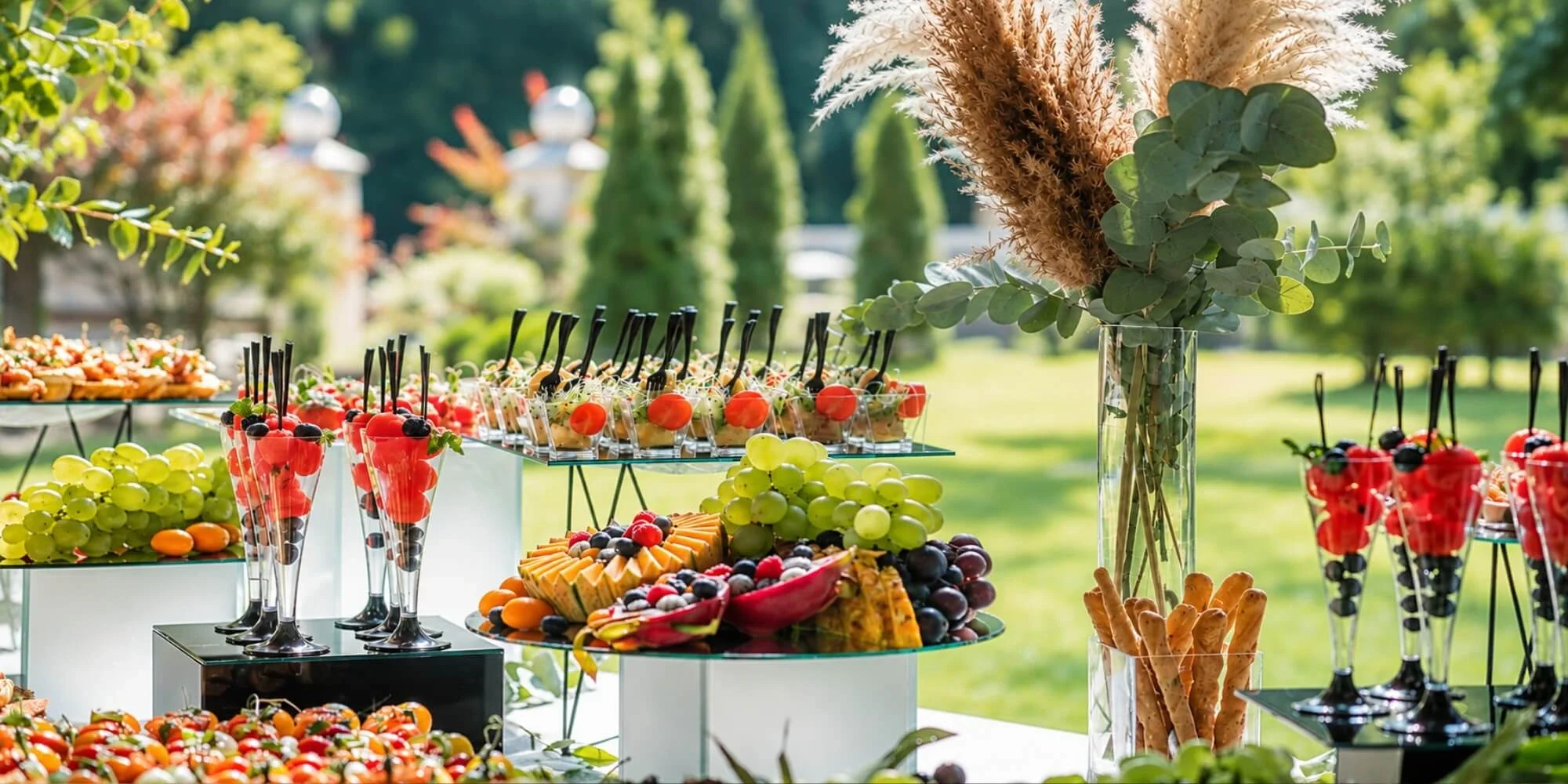
Catering cost in Palo Alto varies according to the menu, guest count, service format, staffing, venue, and event length. A delivered office lunch will typically cost less than a staffed wedding, plated dinner, or custom culinary experience. A working lunch and a full-service celebration simply ask different things of the food and team.
Culinary Eye works across that range, adapting the menu and service to the setting and occasion. Before setting a budget, it helps to understand what you’re actually paying for and which parts of your Palo Alto event shape the final cost.
Quick answer: Catering cost in Palo Alto depends on the menu, number of guests, service style, staffing, rentals, venue requirements, and event duration. Drop-off catering typically sits at the lower end, while plated dinners and custom culinary experiences require larger budgets. Always compare the total proposal rather than the food price alone.
How Much Does Catering Cost in Palo Alto?
There isn’t one standard figure that represents catering cost in Palo Alto because service levels vary considerably. Drop-off meals generally sit at the lower end, while plated dinners and custom culinary experiences involve more service and production.
Looking at common formats can give you a practical sense of catering prices in Palo Alto before you request a quote.
Drop-off catering typically sits at the lower end. You’re primarily paying for prepared food and delivery, with little or no onsite service.
Buffet catering generally falls in the middle. It adds setup and service while remaining practical for groups that don’t need a seated meal.
Family-style dining can move the price higher. Shared dishes arrive at the table throughout the meal, so this format needs more hands-on service.
Plated dining usually sits toward the higher end. Individual courses and table service make it a more involved format.
Custom culinary experiences need individual pricing. Interactive stations, edible installations, branded food elements, and custom builds vary too much to fit a standard pricing model.
Once you select a service format, the guest count, menu, event schedule, and venue requirements help determine the final estimate.
What Determines Your Catering Cost Per Person?
A headcount gives you a starting point, but it doesn’t tell the whole story. Menu choices, service needs, event length, and production requirements can all move the final figure.
Guest count affects more than food quantities. A larger group needs greater production volume and often more service support. At the same time, some fixed costs can spread across more guests.
Menu choices shape the kitchen work. Ingredients play a role, but preparation matters just as much. Multiple components, specialized techniques, and last-minute finishing all add production time.
More involved service requires more labor. A meal that needs continuous guest-facing service calls for a larger team than one with minimal onsite support.
Longer events mean more staff hours. A short lunch and an evening with several food moments place very different demands on the team, even with similar guest counts.
Beverage choices can expand the scope. Cocktails, wine service, and nonalcoholic programs may add bartenders, glassware, ice, mixers, garnishes, and setup.
The venue can change what the team needs to bring. An equipped kitchen may support most preparation onsite. In a space without one, the team may need additional cooking, holding, refrigeration, or prep equipment.
Custom elements add development and production. Branded food, edible displays, and built stations may require testing, fabrication, and assembly before the event even begins.
Ask whether a quoted per-person rate includes staffing, rentals, delivery, setup, breakdown, taxes, and service charges. These items can make a significant difference between the advertised rate and the final event total.
“Get a Clearer Picture of Your Event Costs
Every gathering comes with its own priorities. Share what you’re planning, and we can help you understand the food, service, and details that belong in your quote.”
Where Does the Catering Budget Go for Different Types of Events?
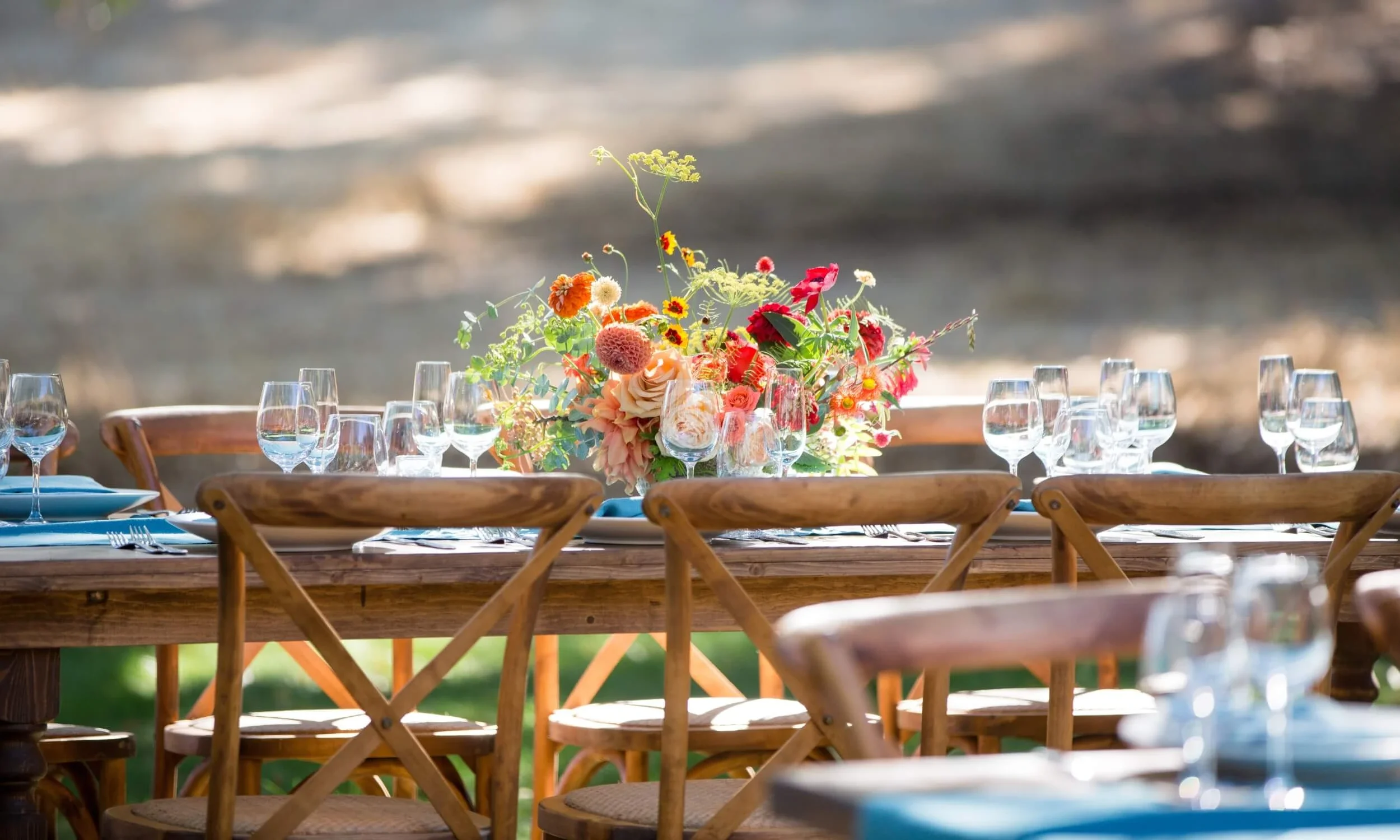
Two events with similar guest counts can spend their catering budgets very differently. The occasion helps determine which parts of the experience need more attention and where a simpler approach makes sense.
Corporate Events
For a team lunch or conference meal, a larger share of the spending may go toward feeding many people within a set schedule. Client dinners, company celebrations, and launches often call for a different balance.
For example, a launch might put more resources into presentation or a food station connected to the campaign. A client dinner may place more emphasis on the menu and table service. Good corporate catering accounts for what the gathering needs to accomplish rather than applying the same format to every company event.
Weddings
Wedding catering often needs to cover several distinct food and drink moments. Cocktail hour, dinner, dessert, bar service, and late-night food can each claim a portion.
Couples don’t have to give every part equal weight. Some may prioritize dinner and keep dessert simple. Others might put more into cocktail hour or a late-night menu. With wedding catering, those choices help concentrate spending where it matters most to the couple and their guests.
Private Celebrations
At a private dinner, food itself may take a larger share of the available amount. A smaller guest list can make room for more detailed dishes, special ingredients, or additional courses.
For a larger birthday or anniversary, the priorities may change. More resources could go toward abundant passed food, drinks, or stations that serve guests throughout the evening.
Brand and Experiential Events
Brand events can introduce expenses that aren’t part of a conventional meal. Culinary testing, custom presentation pieces, edible installations, branded details, and interactive stations may all become part of the production.
Here, event design and food development can work together rather than sitting in separate parts of the plan. If guests need to interact with the food or recognize a visual idea through it, that element needs its own share of the spending.
Establishing two or three priorities helps the caterer recommend where to invest, where to simplify, and which service format fits the overall budget.
What Does Full-Service Catering Cost Include?
The food is only one part of a full-service proposal. Depending on the caterer and the event, the scope can also cover the planning, people, and onsite work needed to serve it.
Menu development and culinary preparation: Before the event, the kitchen may develop the menu, account for dietary needs, source ingredients, prepare components, and organize food for transport and service.
Onsite culinary work: Some dishes need cooking, plating, garnishing, carving, or assembly at the venue. Chefs manage that work while keeping each part of the menu on schedule.
Service staff: Captains, servers, bartenders, and support staff handle the guest-facing side of the event. Event staffing needs will depend on the size and style of the gathering.
Setup and service: The team may prepare stations, service areas, table settings, and back-of-house spaces before guests arrive. During the event, staff manage food service, clearing, and transitions.
Rental and equipment coordination: Full-service catering may involve organizing china, glassware, linens, service pieces, kitchen equipment, or other rentals needed for the meal.
Breakdown: Once service ends, the catering team may clear its work areas, pack equipment, organize rentals, and prepare the space for handoff.
Custom production: For more involved events, the scope can also include fabricated stations, edible displays, branded elements, or interactive food experiences.
When estimating catering cost in Palo Alto, ask which of these services are included in the proposal rather than assuming “full service” covers the same things everywhere. A clearly defined scope makes it much easier to understand what you are paying for.
Additional Catering Costs to Account For
The menu and service price may not be the final amount you pay. Depending on how a caterer structures the proposal, catering cost in Palo Alto may also include taxes, fees, rentals, and other charges outside the initial subtotal.
Before approving a proposal, check how it handles the following:
Taxes: Confirm which charges are taxable and whether the total shown already includes them.
Service charges: A service charge may cover administrative or operational costs, but policies vary by caterer. Ask what the charge represents rather than assuming it goes directly to the staff.
Gratuity: Gratuity may be included, optional, or added separately. Check the proposal so you don’t budget for it twice or overlook it.
Delivery and transportation: Some caterers charge separately for delivery, vehicle use, or transportation based on the location and event requirements.
Rental charges: Even when the caterer coordinates rentals, items such as china, glassware, linens, furniture, and equipment may appear as separate costs.
Bar costs: Alcohol, mixers, ice, glassware, bartenders, and bar equipment may sit outside the food package.
Overtime: If an event runs past the contracted service period, additional staff or equipment hours may apply.
A lower initial subtotal does not always mean a lower final bill. Check what is included, what is separate, and what could change after the event. That gives you a much clearer basis for evaluating the total.
How to Estimate Your Catering Budget
You don’t need a finished menu to set a useful catering budget. What you do need is a realistic range, a clear sense of your priorities, and some room for details that develop during planning.
A simple process can help:
Set a total range first. Decide what you are comfortable spending on catering as a whole. A range gives you more flexibility than trying to hit one exact figure from the beginning.
Work backward from your guest count. Divide that range by the number of people you expect. This gives you a rough per-person ceiling rather than a price you should expect every caterer to match.
Decide what deserves the most attention. Choose two or three priorities for the event. That might be dinner, cocktail hour, the bar, or a food experience guests can interact with.
Leave room for less visible costs. Don’t commit the entire amount to the menu. Set aside a portion for service, rentals, fees, and other needs that become clearer as the event takes shape.
Create a must-have and nice-to-have list. This makes later decisions easier. If a proposal comes in above your range, you can adjust specific elements instead of reducing everything equally.
Give yourself some flexibility. Guest counts change, schedules move, and new needs can appear during planning. A small cushion keeps every adjustment from becoming a financial problem.
This approach makes estimating catering cost in Palo Alto less about guessing the final price and more about establishing useful parameters. When you know your ceiling and priorities, you can have a much more productive conversation with a caterer.
What You Need for an Accurate Catering Quote
You don’t need every detail settled before contacting a caterer. However, the more useful information you can share, the less the first quote will rely on assumptions.
Give the catering team what you know so far:
Date, location, and schedule: Share the date, confirmed venue or type of space, expected arrival, food service times, key program moments, and end time.
Estimated guest count: A realistic range is enough in the early stages. You can update it as RSVPs come in.
Type of event: Explain whether you’re planning a wedding, company gathering, private dinner, reception, or brand event.
Service preference: If you have a format in mind, share it. Otherwise, explain how you picture guests eating and let the caterer suggest an approach.
Menu priorities and dietary needs: Mention cuisines, ingredients, family references, seasonal ideas, allergies, and dietary requirements you already know.
Beverage plans: Let the caterer know whether drinks and bar service should form part of the proposal.
Creative ideas and working budget: Share any interactive, branded, or visual concepts you want to explore, along with a realistic spending range.
These details give a caterer enough context to prepare a more meaningful estimate of catering cost in Palo Alto. They also help separate your priorities from the practical requirements of the event.
How to Compare Catering Proposals
Once you have more than one proposal, don’t compare the totals alone. Event catering prices can look similar while covering very different scopes.
When you compare catering proposals, check the menu, staffing hours, rentals, bar service, setup and breakdown, fees, and exclusions. Also look for assumptions about guest count and event timing. A lower total may simply leave something out that another caterer has already accounted for.
The best comparison is between what each proposal actually covers, not just the number at the bottom.
“Let’s Talk Through What Your Event Needs
You don’t need every detail figured out before starting the conversation. Bring us your guest count, setting, and ideas, and we’ll help shape a plan around what matters.”
Planning Catering Around Your Palo Alto Event

From Silicon Valley workplaces to private homes and venues like the Woman’s Club of Palo Alto or Mitchell Park Community Center, local events take many forms. Understanding catering cost in Palo Alto means accounting for those differences rather than starting with a standard formula.
Culinary Eye adapts the menu and service to each setting, whether we’re planning a company meal, a wedding, or an interactive brand experience. We consider what the space supports and where the food can play a larger role.
Culinary Eye brings menu development, custom fabrication, event staffing, and onsite execution into one planning process. This allows the proposal to reflect the specific venue, priorities, and service requirements of each Palo Alto event.
Frequently Asked Questions (FAQs)
How much does catering cost per person in Palo Alto?
Catering prices vary based on the menu, service style, staffing, rentals, and event requirements. Drop-off meals generally cost less than staffed buffets or plated dinners. Weddings, brand events, and custom culinary experiences usually need individual quotes because the scope can vary considerably.
Is gratuity included in catering prices?
Not always. Some caterers include gratuity, while others list it separately or leave it optional. A service charge is not necessarily a gratuity, either. Check the proposal to see whether gratuity is included and ask what each service-related fee covers.
Do caterers require a deposit?
Many caterers require a deposit or retainer to reserve an event date. The amount, payment schedule, cancellation terms, and refund policy vary by company. Review these terms before booking so you know when payments are due and what happens if your plans change.
When do caterers need the final guest count?
Caterers typically request a final guest count before the event so they can confirm food quantities, staffing, rentals, and production needs. The exact deadline varies by caterer and event. Your contract should state when the final count is due and how late changes are handled.
Does catering include tables, chairs, plates, and glassware?
It depends on the catering package. Some full-service caterers coordinate china, glassware, linens, tables, chairs, and other rentals. Others price those items separately. Ask which rentals are included in your proposal and which will appear as additional charges.
Is buffet catering cheaper than plated catering?
Buffet catering often costs less than plated service, but not always. Menu complexity, guest count, staffing, rentals, and event length all influence the final price. Comparing proposals based on the complete scope gives you a more useful answer than comparing the service formats alone.