
Full-Service Catering vs. Drop-Off Catering: Which Is Right for Your SF Event?
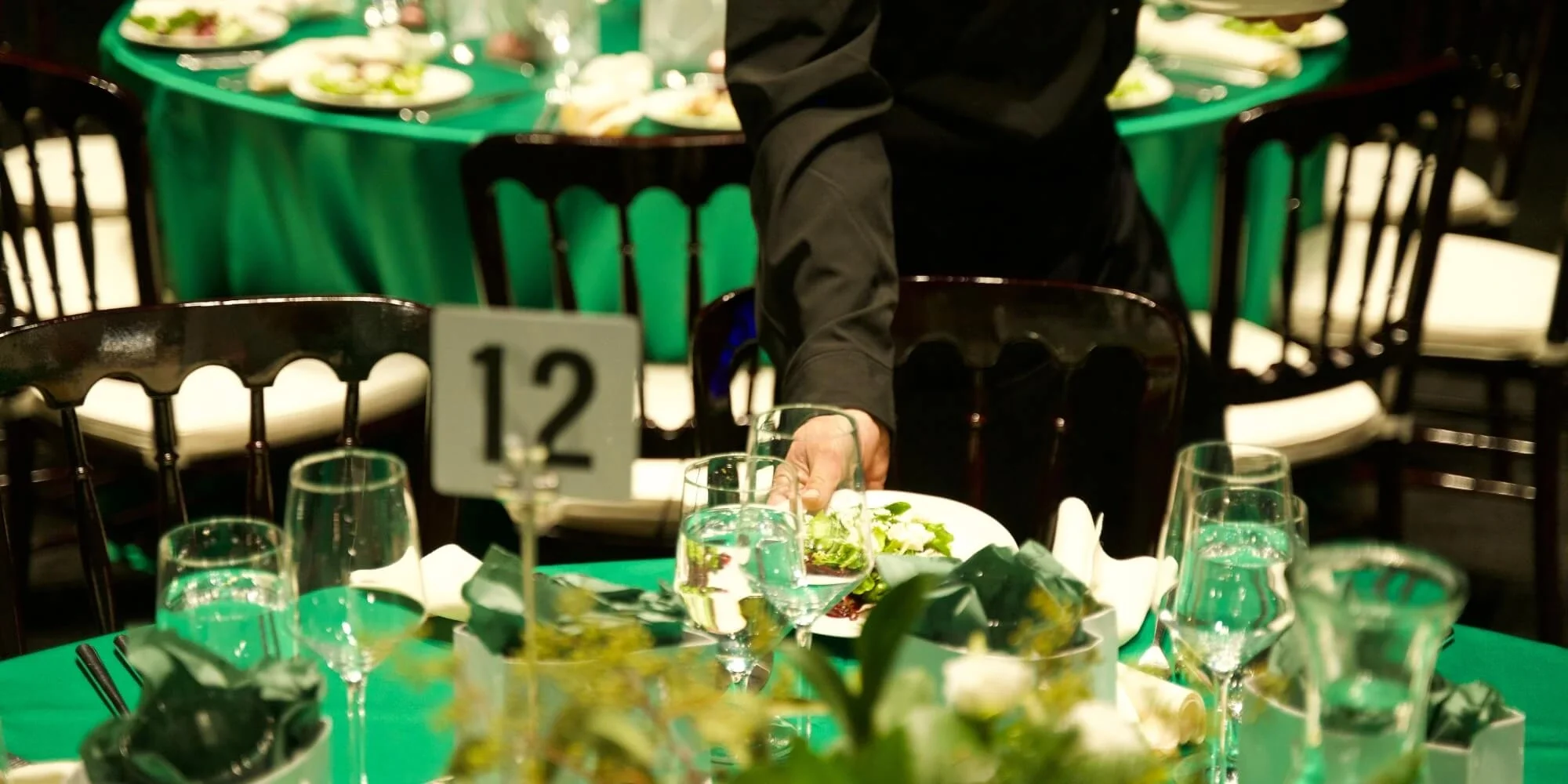
Two events can serve the same menu and still require completely different kinds of support. An office lunch might simply need fresh food delivered before the meeting begins. A wedding reception or fundraising gala, however, depends on timing, coordination, and a team that can respond as the day unfolds. That's why deciding between full-service catering vs. drop-off catering is one of the first planning choices worth making.
The main difference between full-service catering and drop-off catering is the level of onsite support. Drop-off catering focuses on preparing and delivering the food, while full-service catering also includes setup, staffing, service, coordination, and cleanup. The right choice depends on your venue, guest count, event schedule, and how much support you'll want once guests begin to arrive.
If you're looking for a San Francisco catering company that can handle everything from menu planning to onsite service, Culinary Eye provides full-service catering for weddings, corporate events, private gatherings, and special occasions throughout the Bay Area.
This guide compares both catering options so you can understand the differences, evaluate your event needs, and choose the service style that fits your San Francisco gathering.
Full-Service Catering vs. Drop-Off Catering: Key Differences
The table below compares full-service catering vs. drop-off catering across the areas that matter most when planning an event.
| Feature | Drop-Off Catering | Full-Service Catering |
|---|---|---|
| Food preparation | ✓ | ✓ |
| Food delivery | ✓ | ✓ |
| Onsite servers | ✕ | ✓ |
| Chefs and bartenders onsite | ✕ | ✓ |
| Equipment and rentals | Limited | ✓ |
| Setup and breakdown | Limited | ✓ |
| Guest service throughout the event | ✕ | ✓ |
| Cleanup after the event | ✕ | ✓ |
| Timeline coordination | ✕ | ✓ |
| Rental management | Limited | ✓ |
| Best suited for | Office lunches, casual gatherings, flexible schedules | Weddings, corporate events, galas, celebrations, and formal events |
What Is the Difference Between Full-Service and Drop-Off Catering?

Before guests arrive, the two catering styles can appear surprisingly similar. Both begin with professionally prepared food arriving at the venue. Once the event gets underway, the similarities quickly disappear.
With drop-off catering, the caterer prepares the menu, delivers it, and leaves everything ready for serving. Some caterers also include disposable serving ware or a simple buffet setup. From there, the responsibility usually shifts to someone onsite. An office manager keeps serving trays full. A family member answers questions about the menu. Volunteers tidy the buffet before guests return for another helping.
Full-service catering continues well beyond the delivery. The food arrives alongside the team responsible for serving it. Chefs oversee presentation until the final plate leaves the kitchen. Servers welcome guests, replenish stations, and clear tables throughout the event. Bartenders manage beverage service, while coordinators keep meals aligned with speeches, presentations, or entertainment. If the schedule changes, the service changes with it.
The easiest way to compare full-service catering vs. drop-off catering is to ask one practical question: Who takes responsibility once the food has been delivered? Once you know the answer, choosing the right catering style usually becomes much easier.
Full-Service Catering in San Francisco: What Changes During the Event?
Before the first course is served, both catering styles can appear equally prepared. Once the event begins, however, they quickly take very different paths. That's where full-service catering in San Francisco can make a meaningful difference, especially for events in galleries, offices, rooftops, private homes, warehouses, and venues with limited prep space.
Here's what usually changes:
Service follows the event, not the clock. Dinner can pause for speeches, cocktail hour can continue a little longer, and courses adjust as the schedule evolves.
The dining room never feels unattended. Empty serving platters are replaced, used glassware disappears, and tables stay ready for the next course.
Hosts stay part of the event. Instead of checking buffet stations or answering questions about the menu, they can greet guests, introduce speakers, or simply enjoy the occasion.
Service stays aligned across the event. Planners, photographers, entertainers, venue teams, and caterers work from the same timeline, helping the day progress smoothly.
The final hour is managed with the same care as the first. Once the event ends, equipment is packed, service areas are cleared, and the venue is restored as planned.
Guests may never notice these details individually, but they notice the overall experience they create. When everything runs smoothly, attention stays on the occasion rather than the logistics.
Drop-Off Catering in San Francisco: When Keeping Things Simple Is the Better Choice
Not every event calls for onsite service. For many gatherings, drop-off catering in San Francisco provides exactly the level of support that's needed. Comparing full-service catering vs. drop-off catering isn't about choosing the more comprehensive option. It's about matching the service to the occasion.
Drop-off catering is often a good fit when:
People will be eating over an extended period. Team lunches, workshops, and open-house events rarely follow a formal dining schedule, allowing guests to serve themselves whenever they're ready.
The event already has someone overseeing the day. An office manager, family member, or volunteer can comfortably keep the meal running while everyone else enjoys the gathering.
The venue already has the essentials. Existing tables, serving space, and dining furniture reduce the need for additional rentals or onsite setup.
The focus is on bringing people together. Community gatherings, staff appreciation lunches, birthday parties, and family celebrations often suit a relaxed style of service.
Your priority is the food itself. If ongoing table service isn't needed, more of the budget can go toward the menu.
When the event is straightforward, drop-off catering often provides exactly the level of support needed while keeping planning simple.
Comparing Catering Service Styles Beyond the Menu
Great food may draw people to the table, but it's rarely the only thing they remember. Catering service styles also shape how comfortably the event unfolds from beginning to end.
Picture a busy reception. Serving platters begin to empty, drinks are flowing, and guests are moving between conversations. With drop-off catering, someone from the host's group usually keeps an eye on the meal and steps in whenever something needs attention.
A full-service team creates a different experience. Serving stations stay refreshed, used plates disappear throughout the event, and courses arrive in step with the schedule. Many larger gatherings also benefit from professional event staffing, giving every part of the service dedicated attention.
The same approach extends to bar service, where food and beverages follow the same pace throughout the event.
Viewed this way, full-service catering vs. drop-off catering isn't simply a decision about food. It's a decision about how much of the dining experience you want professionally managed.
How Budget Influences Full-Service Catering vs. Drop-Off Catering
Budget is often one of the biggest factors when comparing full-service catering vs. drop-off catering, but it's helpful to look beyond the overall price. The difference isn't simply about spending more or less. It's about choosing the level of support your event requires.
Drop-off catering typically focuses on menu planning, food preparation, and delivery. Because staffing, equipment, and ongoing service are limited, it can be a practical choice for office lunches, casual gatherings, and events where someone onsite can manage the meal.
Full-service catering includes additional elements that support the entire event. Professional servers, chefs, bartenders, setup crews, rentals, and cleanup all become part of the service plan. These resources help the event stay on schedule while allowing hosts to focus on their guests rather than coordinating logistics.
When comparing proposals, consider everything that's included rather than looking only at the final number. A service that handles staffing, rentals, timing, and cleanup may reduce the need to arrange those details separately, making planning much simpler from start to finish.
“Wondering what your event might cost?
Every event comes together a little differently, so pricing depends on your menu, venue, guest count, and the level of service you need. ”
Which Catering Style Fits Your Event?
Once you understand the level of support each option provides, the decision often becomes much clearer. Rather than focusing on the menu, think about how the day will unfold and how much support you'll want once guests begin to arrive.
Hello, World!
Full-service catering is often the better fit if:
You'll be welcoming guests, presenting, networking, or celebrating instead of overseeing the meal.
The event follows a structured timeline with speeches, entertainment, or multiple courses.
The venue requires additional coordination, equipment, or onsite logistics.
You'd like one team to handle setup, service, and cleanup from start to finish.
A polished, fully managed dining experience is an important part of the occasion.
Drop-off catering may be the better choice if:
The event has a relaxed schedule with flexible meal times.
Guests can comfortably serve themselves throughout the gathering.
Someone onsite is available to manage the meal after delivery.
The venue already has suitable serving space and the equipment you'll need.
Your priority is professionally prepared food rather than ongoing onsite service.
Guest count is only one part of the decision. The venue, schedule, and level of support you need usually play a much bigger role in determining the best event catering options for your event.
Questions That Can Help You Decide
Once you've narrowed your options, the next step is understanding how each caterer plans to support your event. If you're comparing full-service catering vs. drop-off catering, these questions can help you evaluate the answers and choose the approach that fits your plans.
Ask your caterer:
Who will be responsible for setup, service, and cleanup on the day? Knowing exactly where the caterer's role ends and yours begins helps avoid confusion once the event is underway.
What should we know about our venue? Kitchen access, loading schedules, setup windows, and vendor requirements can all influence the service plan. If you're still exploring locations, ask whether they can recommend suitable catering venues.
Are rentals included in the proposal? Confirm whether tables, linens, glassware, dinnerware, and serving equipment are included or need to be arranged separately.
How do you handle changes to guest count or timing? Understanding the process for adjustments helps everyone prepare if plans evolve before the event.
How are dietary requests communicated to the kitchen and service team? A clear process helps ensure every guest receives the right meal.
You'll probably compare menus and pricing, but the conversation itself can be just as informative. Clear, practical answers often reveal how the caterer communicates, plans ahead, and responds when circumstances change.
“Let’s plan around your event, not a package.
The right catering style depends on more than the menu. We’ll take the time to understand your venue, schedule, and guest experience before recommending an approach that fits your event.”
Why Culinary Eye Helps You Choose the Right Approach
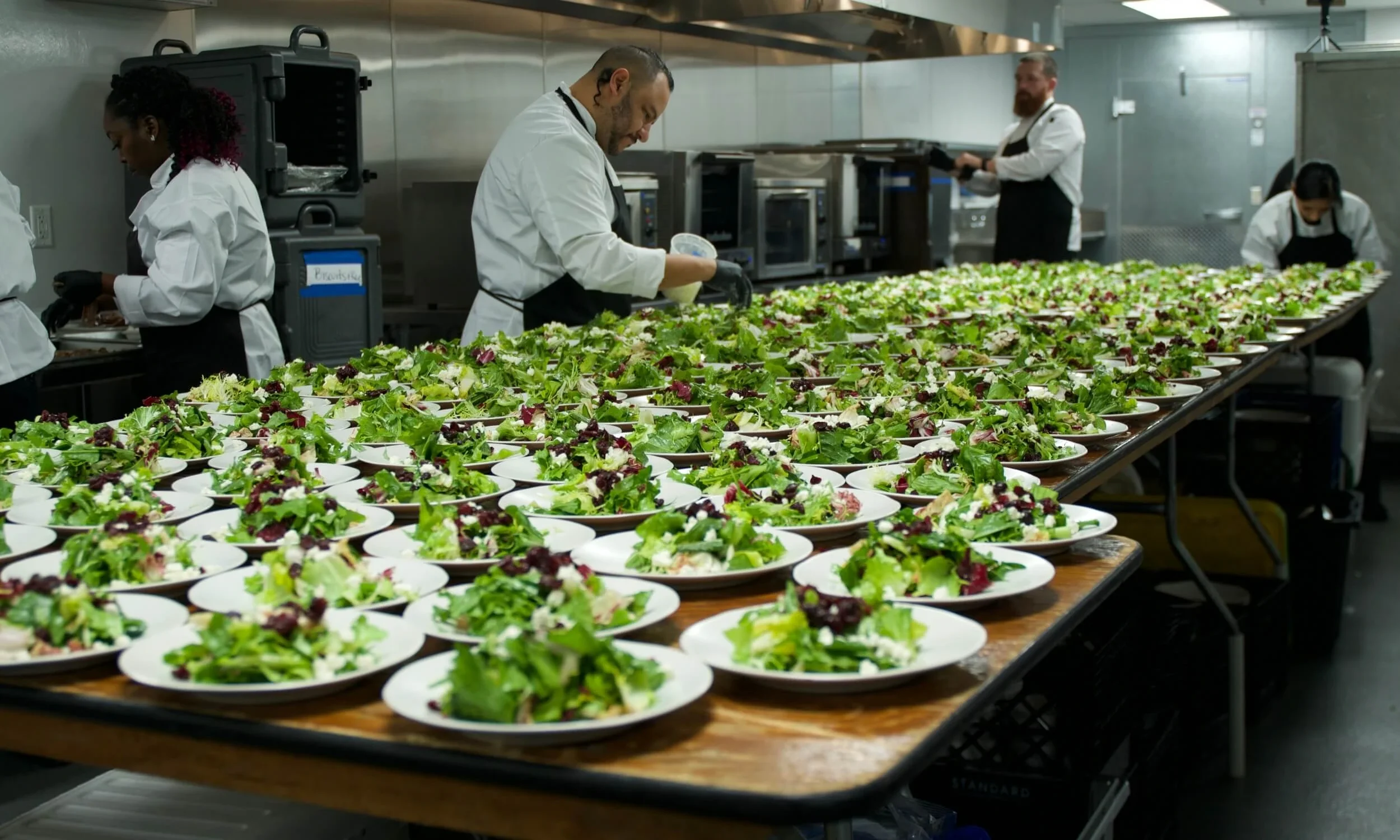
Every event works differently, so we don't begin by recommending a catering package. After planning events across offices, private homes, galleries, warehouses, rooftops, and outdoor venues throughout the Bay Area, we've found that the right service style depends less on guest count and more on how the event is expected to unfold.
Sometimes that leads to full-service catering. Other times, drop-off catering is the better fit. Comparing full-service catering vs. drop-off catering is part of the planning process because the right choice depends on the venue, schedule, guest experience, and the level of support the event requires.
From there, the conversation shifts naturally to the details that bring everything together, from seasonal menus and gourmet catering to interactive food experiences and event design services. The goal is simple: recommend a catering approach that supports the event from start to finish.
Frequently Asked Questions (FAQs)
How much does full-service catering cost compared to drop-off catering?
Full-service catering generally costs more because it includes staffing, equipment, setup, service, and cleanup alongside food preparation. Drop-off catering focuses primarily on preparing and delivering the food, making it a more economical choice for events that don't require onsite support. The final price depends on factors such as guest count, menu, venue, and service requirements.
Can drop-off catering include staff?
Yes. Some caterers offer the option to add servers, bartenders, or other service professionals to a drop-off order. Available services vary by caterer, so it's best to discuss your event requirements during the planning process.
What's included in drop-off catering?
Drop-off catering typically includes menu planning, food preparation, and delivery to your venue. Some caterers also provide disposable serving ware, buffet setup, or reheating instructions. Rentals, table service, and cleanup are usually available through upgraded service packages or full-service catering.
Is full-service catering worth it for small events?
Yes, especially when the event has a structured timeline or the host prefers to spend time with guests instead of managing the meal. Full-service catering can provide staffing, setup, service, and cleanup regardless of the event size.
Can full-service catering be provided at venues without a kitchen?
Yes. Professional catering teams regularly serve events in private homes, galleries, warehouses, rooftops, gardens, and other venues without commercial kitchens. They adapt their equipment, preparation methods, and service plan to suit the location while maintaining food quality and efficient service.
Can I switch from drop-off catering to full-service catering later?
Yes, in many cases you can upgrade from drop-off catering to full-service catering if enough notice is provided. Availability depends on staffing, equipment, rentals, and the event date. If you think your service needs may change, it's helpful to discuss those possibilities during the planning process so your caterer can recommend the most flexible approach.
How far in advance should I book catering?
Booking as early as possible gives you the widest range of menu and service options, especially for weddings, holiday celebrations, and peak event seasons. Smaller drop-off catering orders may be accommodated with shorter notice, while full-service events often require additional planning for staffing, rentals, and venue coordination. Discussing your event early also gives your caterer more time to develop a service plan that fits your schedule and venue.