
Full-Service Catering in San Francisco: A Complete Guide to Planning Your Event
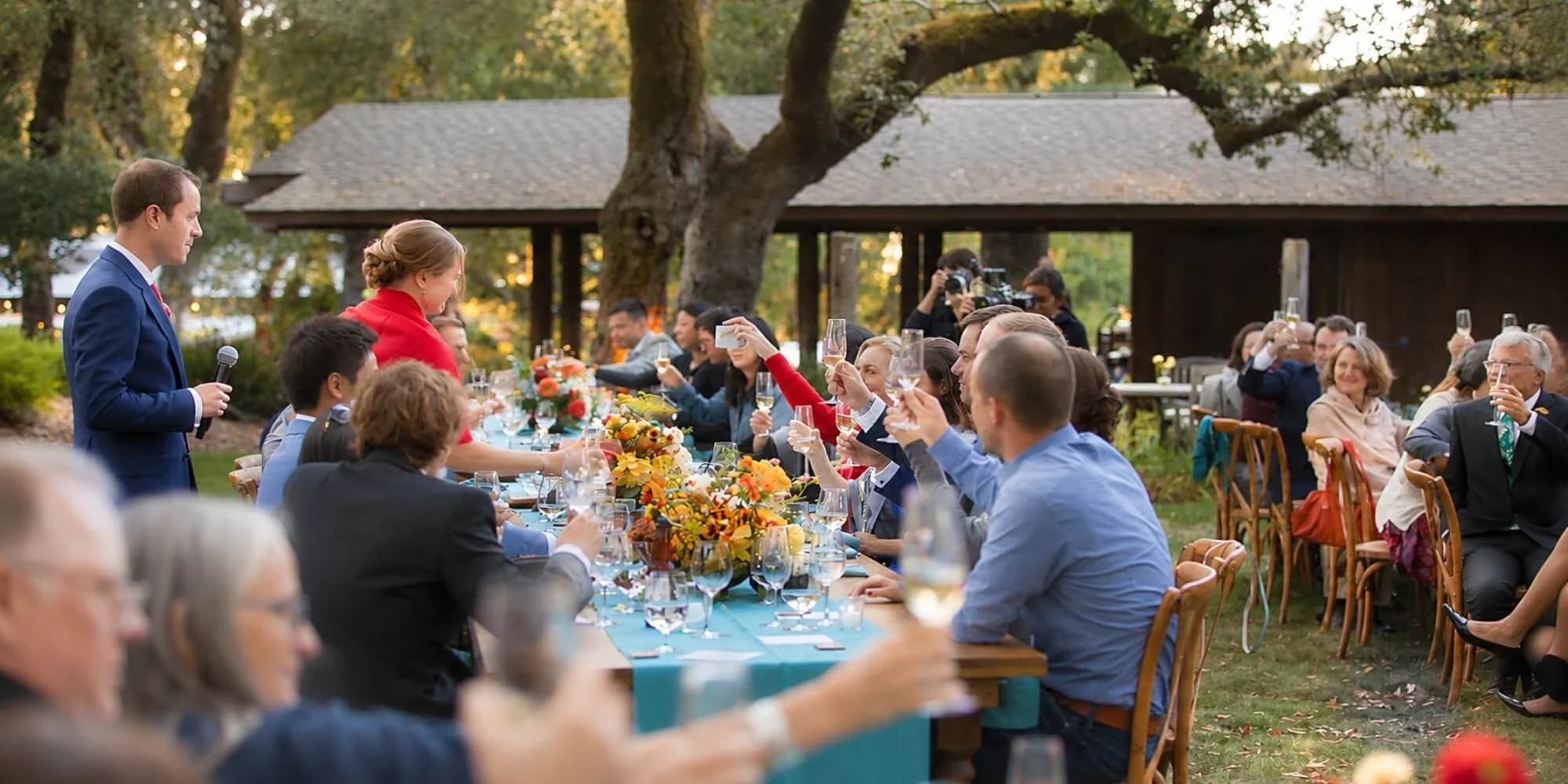
Planning an event in San Francisco often means balancing unique venues, detailed logistics, and guests with high expectations for food and service. Whether you're hosting a corporate gathering, wedding, fundraiser, or private celebration, choosing the right catering model can influence everything from the event timeline to the overall guest experience. That's why full-service catering in San Francisco has become a popular choice for events that require thoughtful coordination.
Full-service catering manages the entire dining experience through one coordinated team. It typically includes menu planning, food preparation, staffing, rentals, onsite service, and cleanup. Bringing these responsibilities together allows hosts to focus on their guests while experienced professionals oversee every stage of service.
At Culinary Eye, one of the first conversations with clients is whether full-service catering is the right fit for their event. This guide explains what the service includes, when it makes the most sense, and what to consider when choosing a catering partner in San Francisco.
What Is Full-Service Catering?
Full-service catering is a catering model where one team manages the dining experience from start to finish. It typically includes menu planning, food preparation, staffing, equipment, onsite service, and cleanup, allowing every stage of service to follow one coordinated plan.
Unlike drop-off catering, full-service catering continues long after the food arrives. Chefs, service staff, and event coordinators remain involved throughout the event, helping dining service stay organized while adapting to the event's schedule.
Full-service catering in San Francisco is especially valuable because events take place across a wide variety of venues. Historic buildings, waterfront spaces, galleries, offices, private residences, and converted warehouses each require different approaches to setup, service, and logistics. Experienced catering teams adjust their operations to fit the venue rather than relying on a standard service model.
That preparation often begins well before event day. Site visits, timeline planning, menu tastings, rental coordination, and venue walkthroughs allow the team to anticipate details before the first guest arrives, creating a smoother experience for hosts and attendees alike.
Full-Service Catering vs. Drop-Off Catering
The table below highlights the key differences between drop-off catering and full-service catering, making it easier to choose the level of support that best fits your event.
| Feature | Drop-Off Catering | Full-Service Catering |
|---|---|---|
| Food delivery | ✓ | ✓ |
| Menu planning | Limited | ✓ |
| Professional staffing | ✕ | ✓ |
| Equipment and rentals | Sometimes | ✓ |
| Setup and breakdown | ✕ | ✓ |
| Onsite service | ✕ | ✓ |
| Best suited for | Casual gatherings | Weddings, corporate events, galas, and managed events |
What Does Full-Service Catering in San Francisco Include?
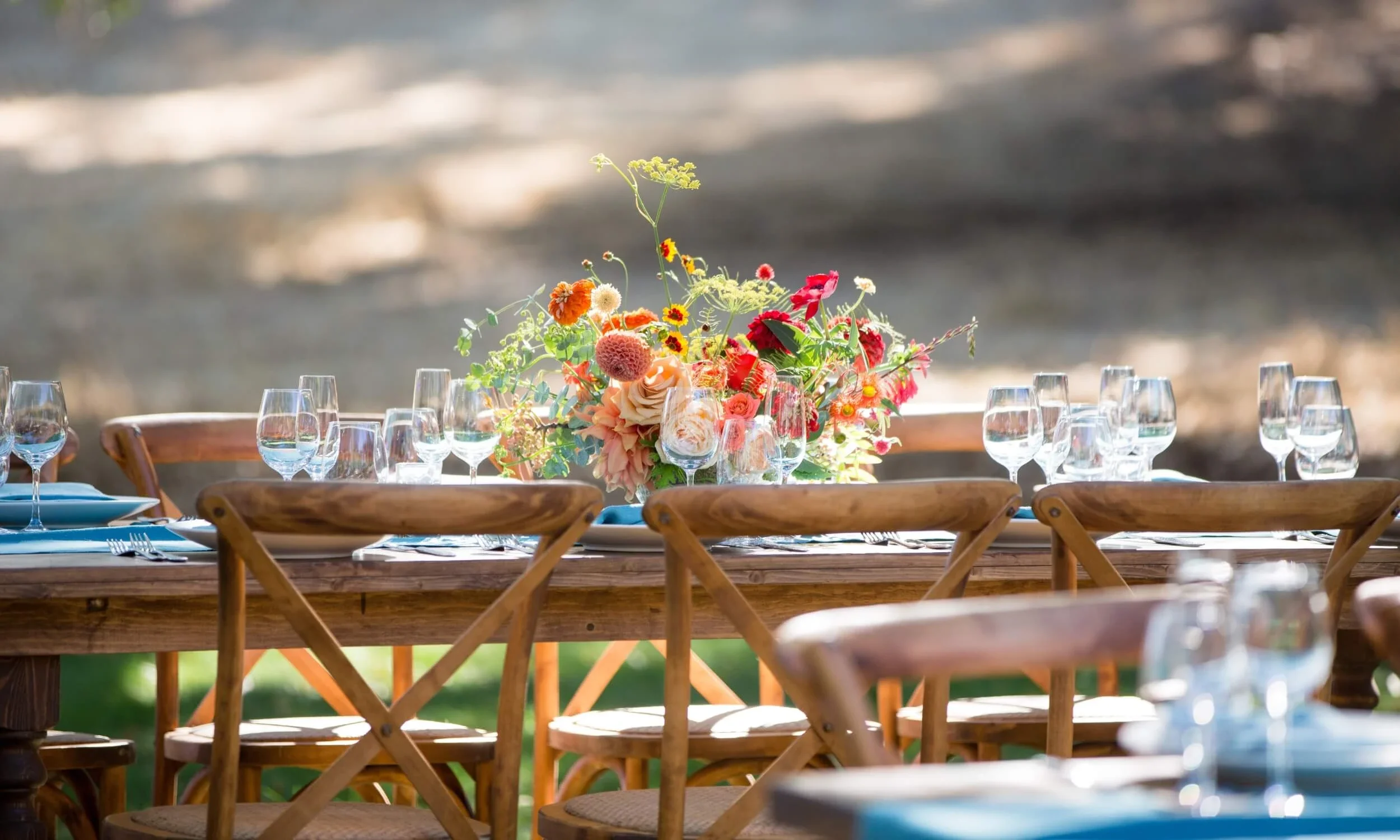
Every event has its own priorities, so menu planning begins with understanding the occasion, the guest list, dietary requirements, and the preferred style of service. Those conversations help shape a menu that suits both the event and the people attending.
San Francisco's diverse dining culture often means accommodating a wide range of dietary preferences, cultural traditions, and culinary expectations. Experienced caterers use those insights to develop seasonal menus that feel appropriate for the occasion while giving every guest something to enjoy.
Food Preparation and Onsite Service
Preparation starts well before guests arrive, with ingredients prepped in advance and many dishes finished onsite to preserve freshness, texture, and presentation.
The venue also influences how food is prepared and served. Some San Francisco locations have full commercial kitchens, while others require mobile equipment or creative service solutions. Experienced catering teams adjust their approach to suit the space while maintaining consistent quality.
Service style also shapes the event. Plated dinners create a more formal pace, while buffets, passed appetizers, family-style meals, and chef-attended stations encourage different types of guest interaction.
Staffing and Guest Service
Great service depends on having the right people in the right roles. Chefs, servers, bartenders, captains, and coordinators each contribute to the guest experience while keeping the event running on schedule.
Many events also benefit from professional event staffing, with each team member focusing on a specific responsibility. That clear division of roles helps meals arrive on time, guest requests receive prompt attention, and service remain consistent throughout the event.
Equipment, Rentals, and Setup
A successful event requires careful preparation long before the first course is served. Tables, linens, dinnerware, glassware, serving equipment, and display pieces all contribute to a dining environment that feels functional and inviting.
Historic buildings, galleries, waterfront venues, and private residences often have different setup requirements. Planning rentals and equipment through one catering team helps streamline installation while reducing the need to coordinate multiple vendors.
Cleanup After the Event
Once the final course has been served, the catering team clears dining areas, packs equipment, removes service items, and restores the venue according to the agreed schedule.
This final stage is just as important as the first. When every responsibility follows a well-organized plan, full-service catering in San Francisco allows hosts to stay present with their guests while the catering team manages the dining operation through to completion.
“See how it could come together.
Every event brings a different venue, guest list, and style of service. We’d be happy to talk through your plans, explain what’s included, and help you understand what a full-service approach could look like for your celebration.”
When Does Full-Service Event Catering Make the Most Sense?
Full-service catering in San Francisco delivers the greatest value when an event involves several moving parts, a structured timeline, or multiple vendors working together. In these situations, a coordinated catering team helps keep food, service, and event logistics aligned from beginning to end.
The following occasions often benefit from full-service event catering:
Corporate events: Business events often follow tight schedules with presentations, networking sessions, and planned meal breaks. Coordinated food service keeps the day on schedule, allowing attendees to stay focused on the agenda.
Wedding celebrations: Weddings bring together ceremonies, cocktail hours, dinner service, speeches, and dancing within one timeline. Dedicated wedding catering helps each transition flow naturally while reflecting the couple's vision and guest experience.
Fundraising galas and nonprofit events: Auctions, donor dinners, and community events often include formal programs. Organized catering ensures meal service complements speeches, entertainment, and fundraising activities instead of competing with them.
Product launches and brand events: Food can become part of the overall guest journey. Interactive stations, passed appetizers, and plated meals encourage conversation while supporting presentations, demonstrations, and networking.
Private celebrations: Milestone birthdays, anniversaries, graduation parties, and family gatherings allow hosts to spend more time with the people they've invited when an experienced catering team manages the dining service.
Outdoor and distinctive venues: Rooftops, waterfront venues, historic buildings, and gallery spaces each present different logistical considerations. Experienced caterers adapt service plans to suit the venue while preparing for changing weather, equipment access, and guest flow.
The right level of catering depends on the event's complexity rather than its size. That's why many hosts choose full-service catering in San Francisco when they want one team to manage the dining experience while they focus on the occasion itself.
Why Many Hosts Choose Full-Service Catering
A well-organized event allows people to focus on the occasion instead of the logistics. Full-service catering in San Francisco brings food, staffing, rentals, and service together under one coordinated plan, creating a smoother experience for hosts and guests alike.
That coordination helps meals arrive on time, keeps the event moving naturally, and allows transitions between presentations, speeches, or entertainment to feel seamless. Hosts also spend less time answering service questions and more time connecting with the people they've invited.
Planning becomes easier before the event as well. A single proposal outlines staffing, rentals, menu options, and the expected catering cost in San Francisco, making it simpler to compare services and budget with confidence.
For many hosts, the greatest advantage of full-service catering in San Francisco is having one experienced team oversee the dining experience from beginning to end, allowing every part of the event to work together.
How to Choose the Right San Francisco Catering Company
Choosing the right San Francisco catering company becomes much easier once you've defined your event's priorities. Your guest count, venue, service style, and overall goals all influence which catering partner will be the best fit.
As you compare providers, keep these considerations in mind:
Ask about similar events. Experience with your type of gathering often leads to practical recommendations and stronger preparation. A caterer familiar with corporate receptions may approach a wedding differently than a nonprofit gala.
Talk about the venue. Caterers who know the location can often anticipate access requirements, kitchen facilities, loading schedules, and setup logistics. If you're still exploring locations, ask whether they can recommend suitable catering venues for your guest count and event format.
Discuss how menus are developed. The conversation should include dietary needs, seasonal ingredients, preferred cuisines, and the atmosphere you want to create.
Learn who will lead the event. Ask who will oversee service onsite and how chefs, captains, bartenders, and servers work together throughout the event.
Review proposals carefully. A detailed proposal should clearly explain staffing, rentals, equipment, service hours, and menu selections, making it easier to compare providers.
Confirm dietary accommodations. Allergies, cultural traditions, and lifestyle preferences deserve thoughtful attention from the beginning. Ask how those requests are communicated to the culinary and service teams.
Read recent client feedback. Reviews often reveal how a team communicates, adapts when plans change, and delivers on the day of the event.
Notice how conversations unfold. Teams that listen carefully, ask thoughtful questions, and communicate clearly during the planning process often bring that same approach to the event itself.
The right catering partner offers more than a well-prepared menu. Experience, clear communication, and thoughtful planning create confidence from the first conversation through the final guest farewell.
Questions to Ask Before Booking Event Catering Services in San Francisco
Once you've selected a preferred caterer, the next step is confirming how they'll manage your event. Asking detailed questions before signing an agreement helps set clear expectations for both sides. Full-service catering in San Francisco works best when the timeline, services, and responsibilities are discussed well in advance.
Consider asking the following during your consultation:
What does the proposal include? Confirm whether staffing, rentals, setup, breakdown, service hours, and equipment are included so you know exactly what you're paying for.
Are there any additional fees? Ask about charges for overtime, travel, service staff, equipment, corkage, or last-minute changes that may affect the final invoice.
Who will oversee the event on the day? Knowing who your primary contact is makes communication much easier if questions arise during setup or service.
When do you need the final guest count and menu selections? Clear deadlines help both you and the catering team prepare accurately.
How do you handle changes after booking? Ask about guest count adjustments, menu revisions, timeline updates, and any associated deadlines.
How do you coordinate with the venue and other vendors? Caterers regularly work alongside planners, photographers, entertainers, florists, and venue teams. Understanding that process helps everyone stay aligned throughout the event.
What permits, licenses, or insurance do you provide? Many San Francisco venues require specific documentation before vendors can begin setup.
What are your payment, cancellation, and rescheduling policies? Reviewing these details early helps prevent confusion if plans change.
These conversations make it easier to compare event catering services in San Francisco using consistent criteria while giving you a clear understanding of what to expect before the event day. One final detail can make the planning process even smoother.
Planning Tip: Before confirming your caterer, ask your venue about kitchen access, loading zones, setup windows, power availability, and vendor requirements. Sharing those details early helps your catering team prepare the right equipment, staffing, and service plan while reducing last-minute adjustments.
“Every event is priced a little differently.
Guest count, venue, menu, staffing, and service style all shape the overall investment. If you’d like a clearer picture of what your event could cost, we’re happy to prepare a personalized estimate based on your plans.”
Common Misconceptions About Full-Service Catering
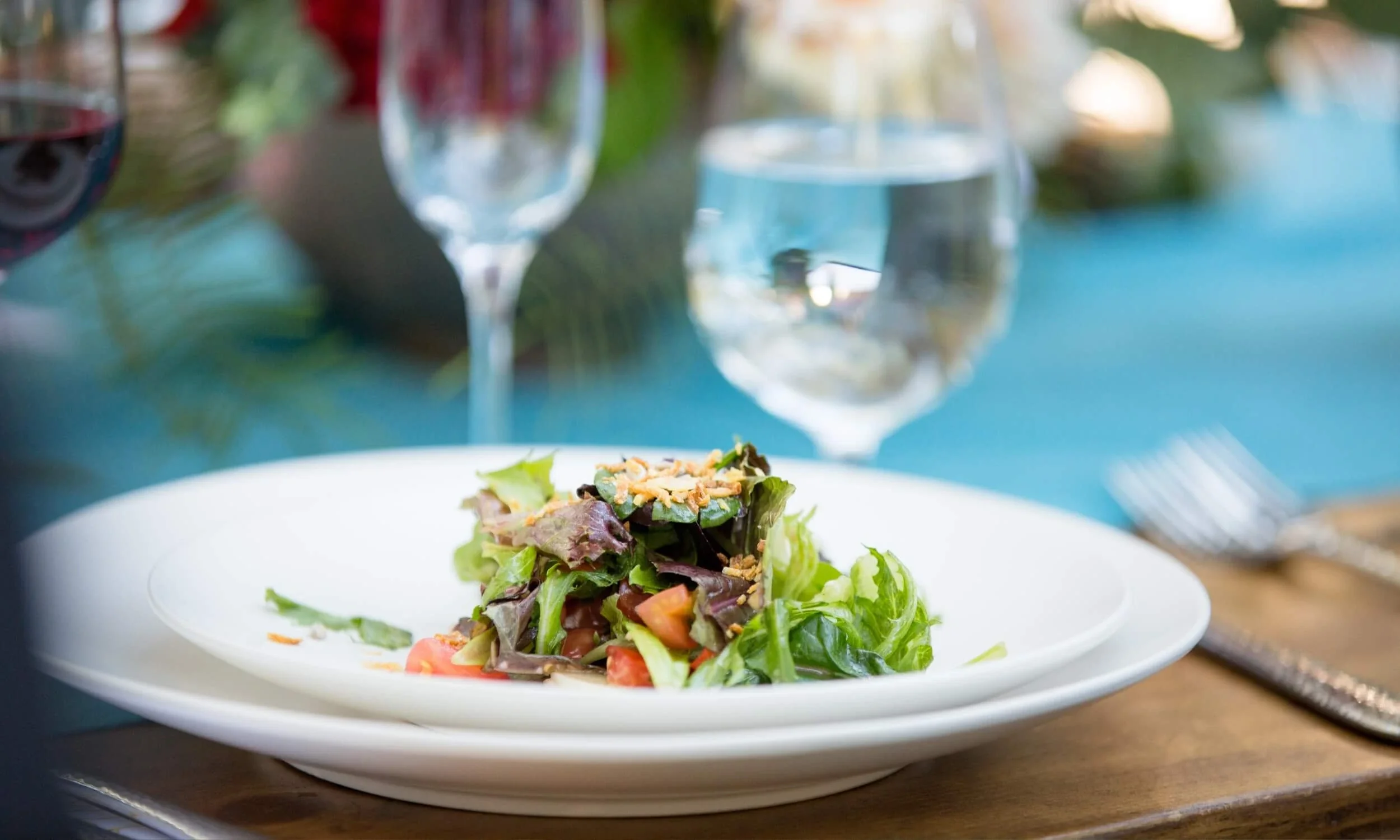
Many assumptions about catering come from older service models rather than today's event practices. Clearing up a few common misconceptions can make it easier to decide whether full-service catering in San Francisco is the right fit for your event.
"It's only for large events." Full-service catering works well for both intimate gatherings and large celebrations. The right level of service depends on the event's complexity, timeline, and venue rather than the guest count alone.
"The menu comes from a fixed package." Most full-service caterers develop menus around the event, taking dietary needs, seasonal ingredients, cultural traditions, and personal preferences into account.
"The work starts when guests arrive." Much of the preparation happens beforehand. Site visits, venue walkthroughs, staffing schedules, rental coordination, menu tastings, and timeline planning all take place before event day.
"Food is the only priority." Great catering also depends on thoughtful service, well-managed timing, and clear communication. Those elements shape how comfortably an event unfolds and how guests remember the occasion.
Understanding what happens behind the scenes provides a clearer picture of what full-service catering involves and why preparation plays such an important role in a successful event.
Why Culinary Eye Is a Thoughtful Choice for Full-Service Catering in San Francisco
Choosing full-service catering in San Francisco means choosing a team that understands how food, service, and the overall event work together. At Culinary Eye, every event begins with a conversation about your vision, your guests, and the experience you want to create. Those discussions shape everything that follows
From custom menus and interactive food experiences to edible installations and thoughtfully planned service, Culinary Eye approaches each event as a collaborative process. Clients can also explore event design services to create a cohesive environment where the culinary and visual elements complement one another.
Whether the event takes place in a private home, gallery, downtown office, historic venue, or waterfront location, the team adapts to the setting while keeping guest experience at the center of every decision. That flexibility allows full-service catering in San Francisco to feel personal, well-organized, and suited to the occasion.
Frequently Asked Questions (FAQs)
How much does full-service catering cost in San Francisco?
The cost of full-service catering in San Francisco varies based on guest count, menu, service style, staffing, rentals, and venue requirements. Smaller events generally require fewer resources, while larger or more customized events involve additional planning and onsite support. Request a detailed proposal to understand exactly what's included.
How far in advance should I book full-service catering in San Francisco?
It's best to book full-service catering in San Francisco at least three to six months in advance. Weddings, holiday parties, and large corporate events often require even earlier booking, especially during peak event seasons. Early planning also allows more time for menu development and venue coordination.
Is full-service catering worth it for smaller events?
Yes, especially when the event includes multiple courses, a detailed timeline, or a unique venue. Professional staffing and coordinated service allow hosts to spend more time with their guests while the catering team manages the dining experience.
Can full-service catering be provided at venues without a kitchen?
Yes. Professional catering teams regularly serve events at private homes, galleries, rooftops, gardens, warehouses, and other venues with limited kitchen facilities. They adapt their equipment, preparation methods, and service plan to suit the location.
What should I look for before signing a catering contract?
Before signing a catering contract, review what's included in the proposal, staffing levels, rentals, payment terms, cancellation policies, guest count deadlines, and any additional fees. Confirming these details early helps prevent misunderstandings and keeps planning on track.