
Corporate Gala Planning in San Francisco: Venue, Catering, and Timeline Guide
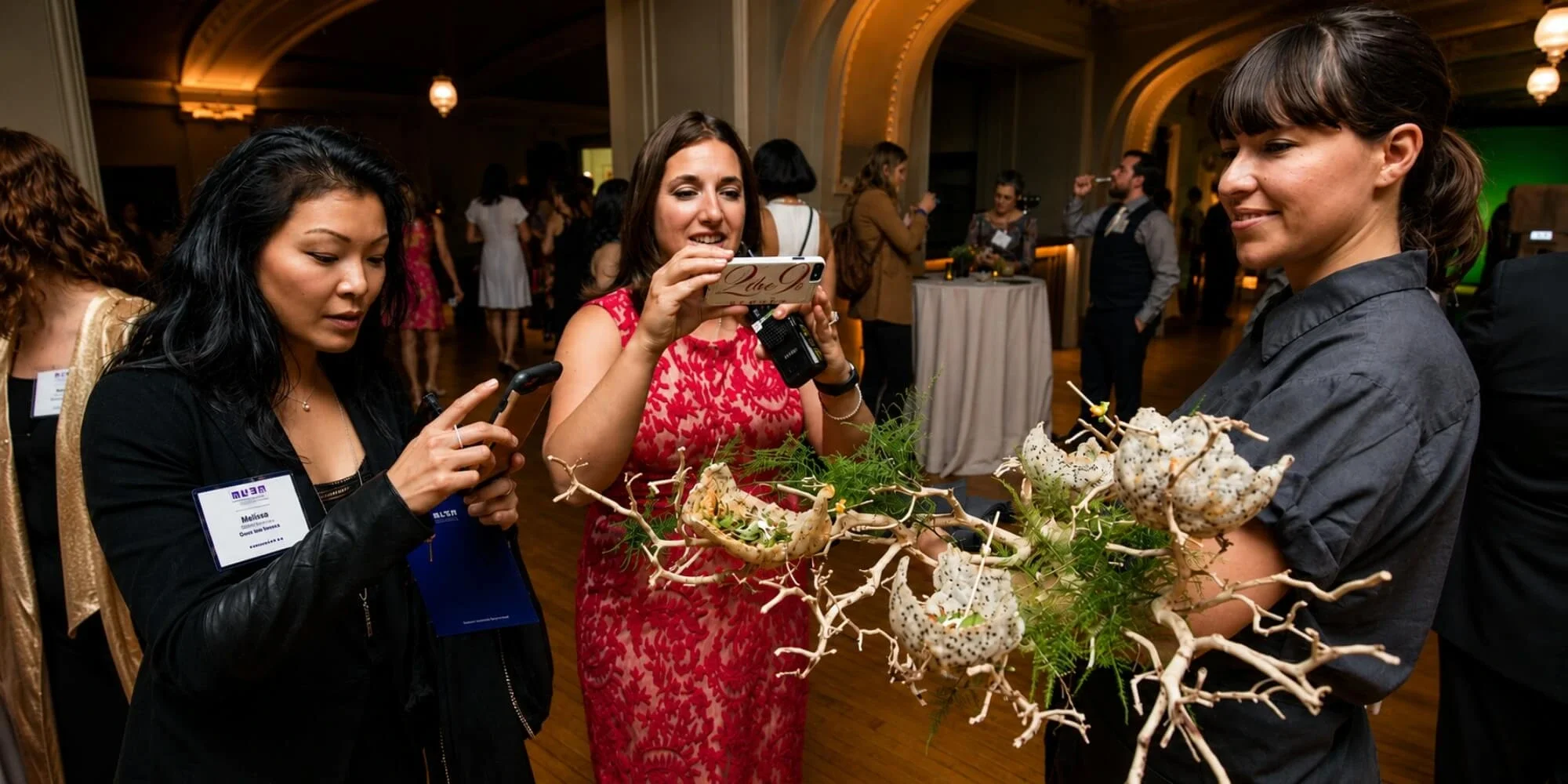
Corporate gala planning in San Francisco involves more than booking a venue and finalizing a menu. Every decision, from selecting the right space to coordinating catering and managing the event timeline, contributes to how the evening comes together. Because venues and vendors often book well in advance, starting the planning process early gives you more flexibility and better options.
A successful gala requires defining clear event goals, selecting a suitable venue, coordinating catering, managing vendors, and following a structured timeline. Taking a structured approach helps every element work together, creating a well-organized event from the first planning meeting to the final guest departure.
At Culinary Eye, we approach every gala as a collaborative process, creating food experiences that reflect each client's goals, venue, and guests. Our corporate catering services are designed to complement the event as a whole, not simply the menu. In this guide, we'll walk through the key decisions that can help you plan a corporate gala that's organized, engaging, and enjoyable for everyone attending.
Define Your Gala Vision Before You Book Anything
Before comparing venues or requesting catering proposals, take time to define what you want your gala to achieve. Successful gala planning starts with clear objectives that guide every decision, from selecting the right venue to planning the evening's flow. They also give every vendor a clearer understanding of your priorities before detailed planning begins.
Begin by answering these key questions:
What is the purpose of the gala? Celebrate employees, recognize milestones, host clients, raise funds, or launch a new initiative. Each objective calls for a different planning approach.
Who will attend? Estimate your guest count early. This influences venue size, catering requirements, staffing, and overall logistics.
What budget are you working with? Establish realistic spending limits before requesting proposals so you can prioritize the elements that matter most.
What atmosphere do you want to create? A formal awards dinner requires a different setup than an interactive networking reception.
How will you measure success? Attendance, guest engagement, fundraising results, or stronger business relationships can all define a successful evening.
Every corporate gala planning guide begins with these early decisions because they shape everything that follows. Once your priorities are clear, corporate gala planning in San Francisco becomes more focused, allowing every venue, catering, and scheduling decision to support the same overall vision.
Choosing the Right Venue for Your San Francisco Corporate Gala
The right venue does more than create a strong first impression. Successful corporate gala planning in San Francisco also depends on choosing a space that supports the event behind the scenes.
During your venue search, look beyond appearance and evaluate how each space supports both guests and event operations.
Choose a layout that matches your event format. Guests should be able to move comfortably between cocktail hour, dining, networking, and presentations without creating bottlenecks.
Review accessibility and transportation. Convenient access by car, rideshare, or public transportation makes it easier for guests to arrive on time and leave comfortably.
Ask about parking options. Nearby garages or valet service can make arrival more convenient, particularly for evening events.
Understand the venue's policies. Restrictions on décor, entertainment, catering, or event hours may influence key planning decisions long before the event day.
Confirm technical capabilities. Reliable audiovisual equipment, lighting, internet access, and power availability are essential for presentations, live entertainment, and speeches.
Look beyond the main event space. Loading docks, prep kitchens, and vendor entrances all influence setup and food service. Historic San Francisco venues often have loading restrictions or limited kitchen facilities, so early vendor coordination is essential.
Consider seasonal demand. Fall often coincides with conference season in San Francisco. Booking before peak periods gives you a wider selection of venues and greater flexibility with event dates.
A well-chosen venue works for both your guests and the teams bringing the event together. Paying attention to these operational details strengthens corporate gala planning in San Francisco and creates a smoother event from setup through the final course.
Selecting Catering That Complements Your Corporate Gala
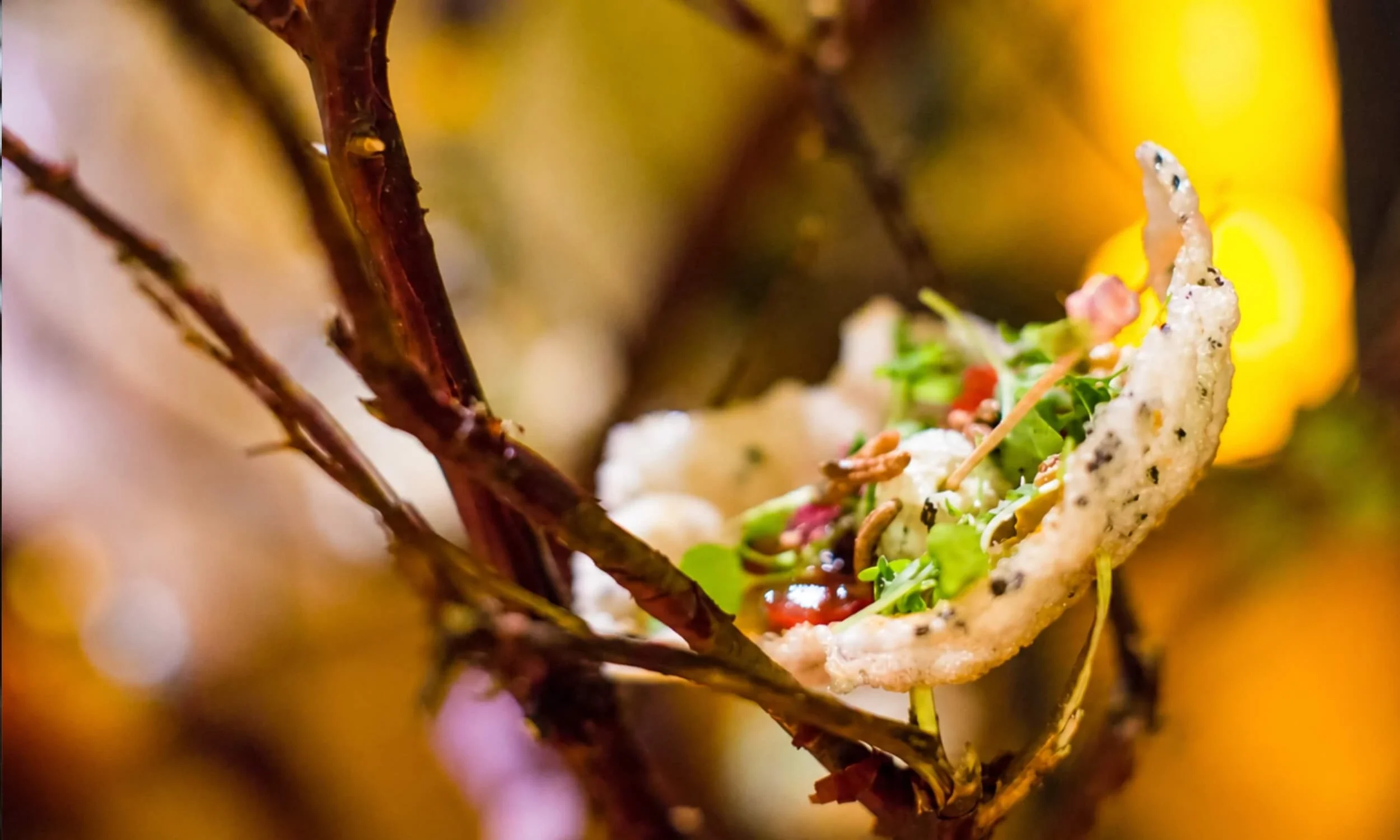
Food plays an important role in how guests remember a corporate gala. For gala planning in San Francisco, catering should be considered alongside the venue, timeline, and overall event flow.
When comparing catering partners, look beyond the dishes they serve and ask how they approach the event as a whole.
Choose a service style that suits the occasion. Plated dinners work well when speeches or awards follow a structured agenda. Meanwhile, chef-attended stations encourage guests to move around, start conversations, and spend more time interacting with one another.
Build the menu around your audience. Consider the event's purpose, guest profile, and overall atmosphere before selecting dishes. The menu should feel appropriate for the occasion instead of simply featuring popular items.
Plan for dietary preferences early. Vegetarian, vegan, gluten-free, and allergy-friendly options deserve the same level of care as the rest of the menu. Addressing these needs from the beginning also simplifies service on the day of the event.
Take advantage of seasonal ingredients. Seasonal produce gives chefs more flexibility while creating menus that feel fresh and well balanced.
Explore themed catering for galas when it complements the event concept. Interactive stations, branded presentations, or menus inspired by a company's story can become conversation starters without distracting from the occasion.
Discuss the pace of service. Food and bar services should be coordinated together so the event moves smoothly from one part of the evening to the next.
Ask about staffing levels. Experienced servers, bartenders, and culinary staff keep service consistent while allowing guests to focus on the event itself.
Review the venue's catering capabilities. Some catering venues include fully equipped commercial kitchens, while others require food to be finished in temporary prep areas. Understanding those limitations before finalizing the menu prevents unnecessary adjustments later.
Thoughtful catering complements every stage of the event instead of standing apart from it. Bringing together the menu, service style, venue, and schedule is an important part of corporate gala planning in San Francisco, creating an evening that feels connected from the first welcome to the final course.
“Every gala starts with a conversation.
The cost of a corporate gala depends on the venue, guest count, menu, and how you’d like the evening to unfold. If you’d like a tailored estimate, we’d be glad to learn more about your plans and prepare a quote that reflects your event.”
How to Plan a Corporate Gala: A Step-by-Step Planning Checklist
Corporate gala planning in San Francisco becomes much more manageable when each stage is completed in the right order. Instead of making decisions as they arise, work through a structured process that keeps vendors aligned and reduces last-minute changes. That approach also makes it easier to stay on budget and keep the event moving forward.
Use the following checklist as a practical roadmap.
Finalize your budget first. A clear budget provides the framework for every other decision, from venue selection to catering and entertainment.
Secure your venue early. The venue influences layouts, vendor logistics, catering requirements, and the overall event schedule, so it should be confirmed before most other bookings.
Choose your gourmet catering partner. Schedule menu consultations and tastings early enough to refine the dining experience before final details are confirmed.
Book entertainment and audiovisual services. Musicians, speakers, production teams, and audiovisual providers often receive bookings well in advance, particularly during busy corporate event seasons.
Confirm rentals and décor. Furniture, linens, tableware, lighting, floral arrangements, and custom installations should complement both the venue and the overall event concept.
Send invitations with sufficient notice. Early invitations improve attendance while giving guests enough time to respond and communicate dietary requirements.
Keep vendors informed. Share updated timelines, floor plans, and logistical changes throughout the planning process so every team works from the same information.
Complete a final walkthrough. Meet with your venue manager and key vendors to confirm layouts, service timing, guest flow, and setup logistics before event day.
Following these steps creates a more coordinated planning process from the first booking to the final walkthrough. It also strengthens corporate gala planning in San Francisco while laying the groundwork for successful corporate event production on the day of the event.
Corporate Event Timeline San Francisco: When to Book Each Vendor
Corporate gala planning in San Francisco relies just as much on timing as it does on choosing the right venue or catering partner. Booking vendors at the right stage gives you more choices, keeps the planning process on schedule, and reduces unnecessary pressure as the event approaches. Popular venues and experienced event partners often receive reservations months in advance, especially during San Francisco's busiest corporate seasons.
9–12 Months Before
Define your event goals and establish the budget.
Estimate the guest count.
Reserve your venue.
Begin researching catering, entertainment, and audiovisual providers.
Decisions made during this stage influence every booking, vendor conversation, and timeline that follows. Starting early also gives you greater flexibility if your preferred venue or event date has limited availability.
6–8 Months Before
Confirm your catering partner and begin menu planning.
Book entertainment, speakers, or performers.
Start planning rentals, lighting, and décor.
Design invitations and save-the-date communications.
With the major vendors secured, you can begin developing the event's overall look and feel.
3–5 Months Before
Finalize the menu after tastings.
Confirm rental selections.
Develop seating plans and floor layouts.
Meet with vendors to review logistics and responsibilities.
Use this stage to review every detail while there is still time to adjust plans without affecting other bookings.
1–2 Months Before
Confirm final guest numbers.
Collect dietary requirements.
Finalize audiovisual needs and presentation schedules.
Review production schedules with every vendor.
Confirm staffing plans.
By this stage, the focus shifts from booking vendors to coordinating every moving part.
Final Week
Conduct the final venue walkthrough.
Confirm vendor arrival times and setup schedules.
Distribute the completed event timeline.
Review contingency plans for weather, traffic, or unexpected delays.
A timeline is more than a list of dates. It keeps every vendor aligned, making corporate gala planning in San Francisco easier to coordinate as the event approaches.
Common Corporate Gala Planning Mistakes to Avoid
Small oversights can create bigger challenges as your event date approaches. Fortunately, most of them are easy to avoid when they're identified early. Paying attention to these details is an important part of corporate gala planning in San Francisco, especially when several vendors are working toward the same event.
Waiting too long to reserve the venue. Popular venues and experienced vendors often have limited availability during peak corporate event seasons.
Overlooking venue limitations. A venue may seem ideal during a walkthrough, but limited prep space, loading access, or setup windows can affect catering and event logistics.
Treating catering as a separate decision. Food service should fit naturally within the event schedule instead of competing with presentations, entertainment, or networking.
Collecting dietary requirements too late. Early communication gives the culinary team enough time to prepare thoughtful alternatives without disrupting service.
Assuming every vendor has the latest information. Share updated timelines, floor plans, and schedules whenever changes are made so every team stays aligned.
Skipping technical rehearsals. Testing microphones, presentations, lighting, and sound before guests arrive reduces avoidable disruptions.
Not having a contingency plan. Backup plans for weather, deliveries, equipment, or staffing allow the event team to respond quickly when unexpected situations arise.
Addressing these issues before the event day keeps planning on track and allows your team to focus on delivering a well-organized gala instead of solving preventable problems.
“Bring your ideas to the table.
Every event begins with different goals, spaces, and people. We’d be happy to talk through your vision, answer your questions, and explore what would work best for your gala.”
Planning a Corporate Gala With Culinary Eye
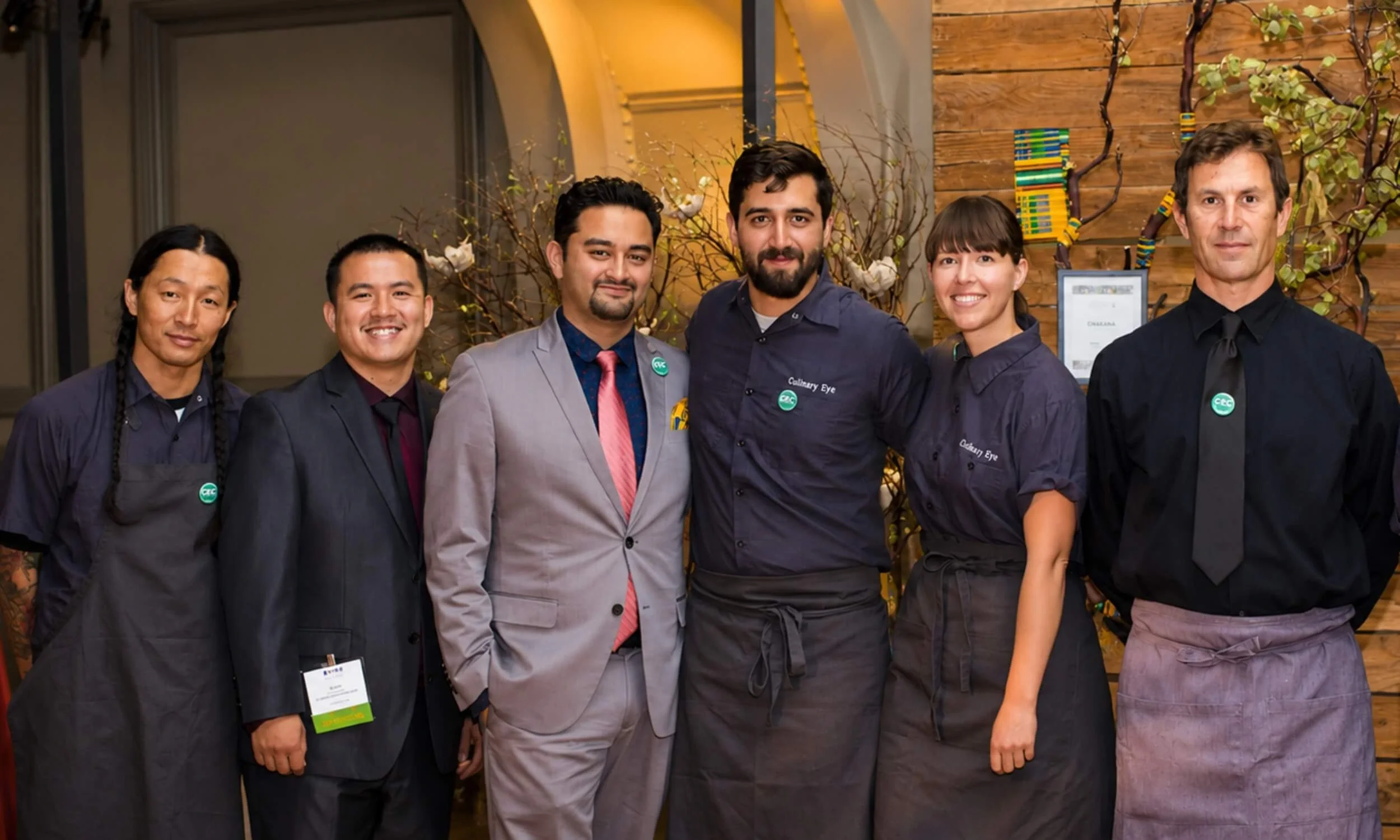
No two corporate galas have the same purpose, audience, or setting. That's why we begin every project by understanding your goals, your venue, and the experience you want guests to have. At Culinary Eye, corporate gala planning in San Francisco starts with collaboration, allowing us to shape the food, service, and event flow around the occasion rather than relying on a standard package.
We also look beyond traditional catering, combining culinary experiences with event design to create edible installations and branded displays that encourage guests to gather, interact, and enjoy the event in memorable ways.
Every gala is shaped by hundreds of small decisions, many of which guests never see. We believe those details matter because they create an event where food feels like part of the experience, not simply another item on the schedule.
Frequently Asked Questions (FAQs)
How far in advance should you plan a corporate gala?
Most corporate galas should be planned 9 to 12 months in advance, especially if you want a specific venue or event date. Starting early gives you more flexibility when booking venues, caterers, entertainment, and other vendors. It also allows enough time to finalize the guest list, develop the menu, and coordinate logistics without rushing important decisions.
What should you look for in a corporate gala venue?
The right corporate gala venue should offer enough space for your guest count while supporting the event's schedule and service requirements. Consider accessibility, parking, venue layout, audiovisual capabilities, catering facilities, and any restrictions on décor or entertainment. It's also important to evaluate loading access and preparation areas if your event includes full-service catering or custom installations.
How do you choose the right catering style for a corporate gala?
The best catering style depends on your event format and guest experience. Plated dinners work well for formal galas with speeches or award presentations, while buffet service offers greater flexibility for larger groups. Interactive food stations are a good option for networking events because they encourage guests to move around and engage with one another throughout the evening.
How much does a corporate gala cost?
The cost of a corporate gala varies depending on the venue, guest count, catering, entertainment, décor, and production requirements. Smaller events may require a modest budget, while larger galas with custom experiences can cost significantly more. Creating a detailed budget early helps you allocate funds effectively and prioritize the elements that matter most.
What are the biggest mistakes to avoid when planning a corporate gala?
The most common mistakes include booking vendors too late, choosing a venue without understanding its operational limitations, overlooking dietary requirements, and failing to communicate updates with all vendors. Skipping technical rehearsals or not preparing contingency plans can also create avoidable challenges on the day of the event.
How do you keep guests engaged during a corporate gala?
Guest engagement starts with thoughtful event planning. Interactive food stations, live entertainment, meaningful networking opportunities, well-paced programming, and spaces that encourage conversation all help guests stay involved throughout the evening. The goal is to create an event where people can participate naturally instead of simply observing.