
Catering Venue Without Kitchen in San Francisco: Smart Ways to Cater Any Event
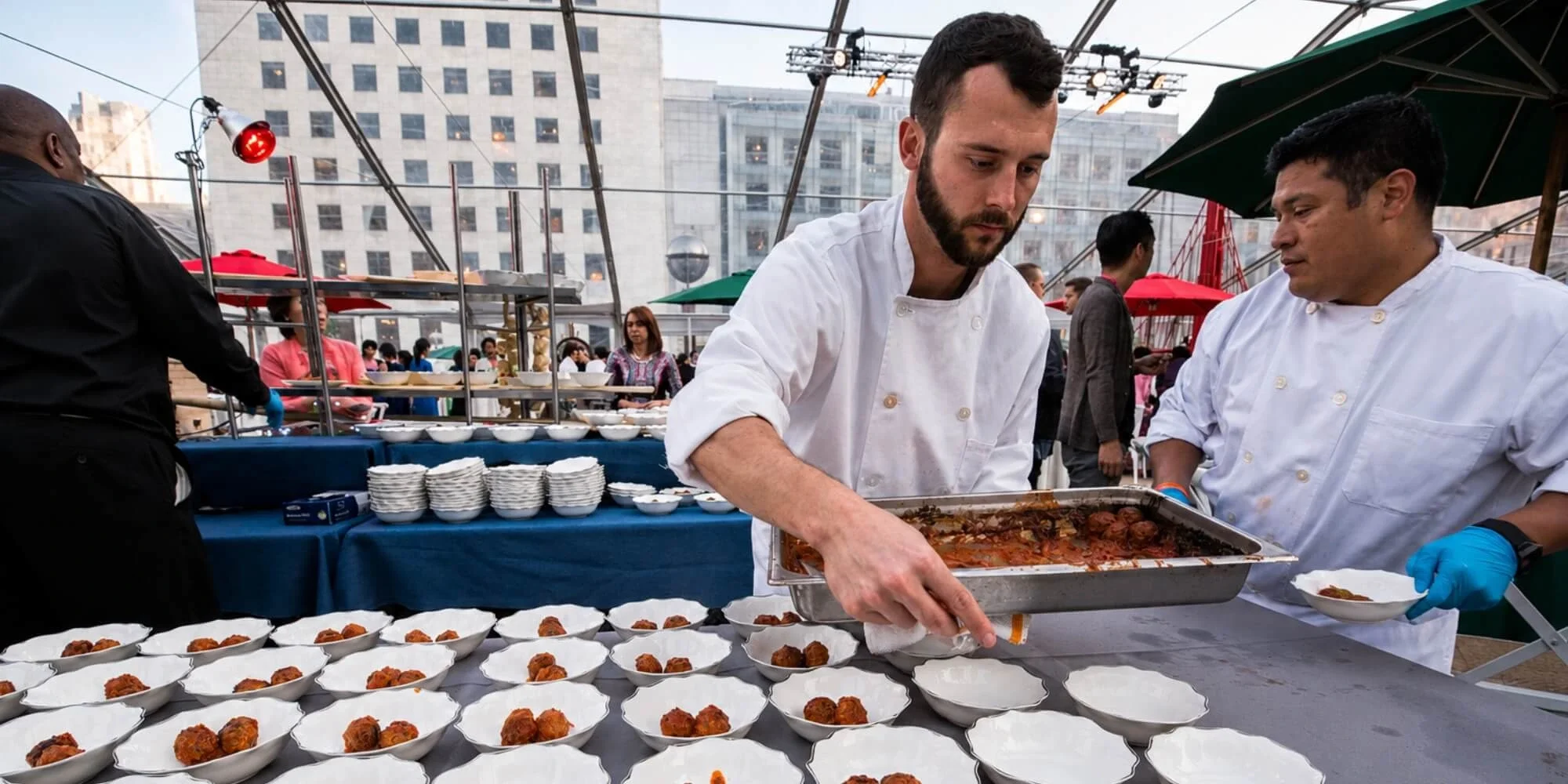
Some of the best event venues in San Francisco don't have commercial kitchens. That's often the first surprise for hosts booking a gallery, warehouse, rooftop, or private home. While these spaces require a different catering approach, they can deliver the same high standard of food and service with the right preparation. At Culinary Eye, we regularly adapt our menus, equipment, and service to venues with limited facilities, ensuring the setting works with the event rather than against it. This guide explains what to expect when choosing a catering venue without a kitchen in San Francisco and how experienced caterers manage food preparation, equipment, service, and event logistics in these distinctive spaces.
Why Many San Francisco Event Venues Don't Have Commercial Kitchens
Many of San Francisco's most sought-after event spaces weren't originally designed to host catered events. Former warehouses became creative venues, historic homes opened their doors to private gatherings, and galleries evolved into settings for launches, receptions, and celebrations. Rather than building new event spaces from the ground up, many venues have adapted existing buildings with unique architecture and character.
As a result, it's common to find venues without a commercial kitchen. Art galleries, converted warehouses, rooftop terraces, museums, wineries, private residences, and outdoor spaces all offer distinctive settings, but they also come with different operational requirements. Some have limited storage, while others offer little room for food preparation, equipment staging, or temporary service areas.
That's exactly why so many people choose a catering venue without kitchen in San Francisco. A product launch may feel more engaging in a gallery, while an intimate family celebration may be better suited to a private residence. In each case, the venue becomes part of the occasion rather than simply the place where it happens.
If you're considering a catering venue without kitchen in San Francisco, it's helpful to understand how the venue's layout and facilities influence the catering approach. While the food may not be prepared onsite, experienced caterers adapt their equipment, service style, and workflow to suit the space. We'll look at how that works in the next section.
How Catering Without Kitchen Works
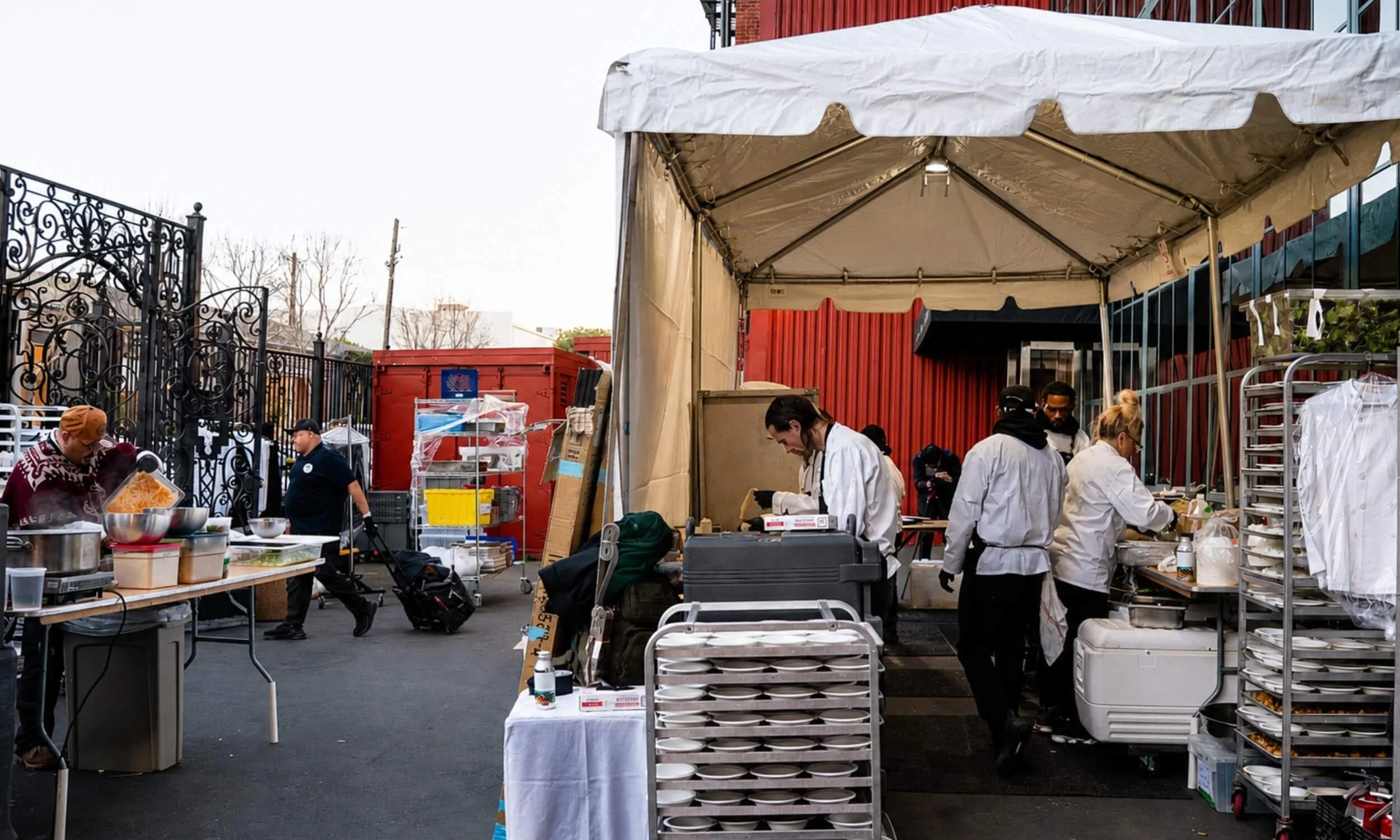
The process of catering without kitchen facilities may seem challenging at first, but it simply changes where the food is prepared and how it's served. Experienced caterers don't focus on what's missing. Instead, they build the service around the venue's capabilities.
Most food preparation for a kitchen-free event takes place in a licensed commercial kitchen before the catering team arrives at the venue. Once the food arrives onsite, chefs focus on the final steps, such as reheating, plating, garnishing, or finishing dishes that are best served fresh. Depending on the menu and the venue, they may also use induction burners, portable ovens, or warming cabinets to support service.
The process usually includes:
Preparing food in a licensed commercial kitchen before event day.
Packing dishes in insulated containers to maintain safe temperatures.
Transporting portable equipment alongside the food.
Setting up portable cooking, warming, or refrigeration equipment when needed.
Finishing selected dishes onsite for better texture and presentation.
Organizing experienced event staff and service responsibilities before guests arrive.
Monitoring food temperatures throughout service.
Packing down equipment efficiently after the event.
Experienced teams providing off-site catering in San Francisco also account for venue-specific requirements before event day. They review access points, available power, setup windows, and any restrictions that could affect service. Addressing these details early keeps the event on schedule and reduces the need for last-minute adjustments.
By the time guests arrive, the preparation, equipment setup, and food finishing are already complete. Guests simply enjoy food that's served at the right temperature and presented as intended. That's how a catering venue without kitchen in San Francisco can deliver the same quality of service as a venue with a commercial kitchen.
Planning the Right Menu for a Venue Without a Kitchen
For any event at a catering venue without kitchen in San Francisco, the menu should reflect the space just as much as the occasion. Before selecting dishes, caterers consider how the food will travel, where it will be finished, how guests will be served, and what equipment will be available onsite.
A rooftop with limited power or a historic home with narrow staircases calls for different menu choices than a hotel ballroom with a fully equipped commercial kitchen. Understanding the venue first makes it easier to choose dishes that perform well in that environment.
Some dishes and menu styles naturally adapt to kitchen-free venues better than others—not because they're simpler, but because they're designed to maintain their quality from preparation through service. For example, crisp items often lose their texture unless chefs finish them just before serving. Likewise, delicate sauces, herbs, and garnishes are usually added onsite to preserve both appearance and flavour.
The way guests will eat also shapes the menu. Interactive stations work particularly well because much of the preparation happens in advance, while the final touches take place in front of guests. Grazing tables, composed small plates, and seasonal buffets also suit kitchen-free venues because they require less continuous cooking during service.
Beverages deserve the same level of attention. Whether you're serving handcrafted cocktails, wine, or specialty coffee, professional bar service should be planned alongside the food so each station has the space, equipment, and staffing it needs.
An experienced team providing venue catering in San Francisco considers every stage of service before finalizing the menu. From seasonal canapés to multi-course dinners, gourmet catering can work beautifully in a catering venue without kitchen in San Francisco when every dish is selected with the venue, service style, and overall dining experience in mind.
“Planning a Kitchen-Free Event?
Every venue comes with its own requirements, and the best catering plans begin with understanding the space. If you’d like a tailored estimate for your event, you can reach out to discuss your venue, guest count, and ideas with our team.”
San Francisco Event Logistics That Can Affect Your Catering Plan
A well-planned menu can only go so far if the venue is difficult to access. Every catering venue without kitchen in San Francisco comes with its own logistical considerations, from hills and historic buildings to busy commercial districts and tight loading schedules. Understanding these details early helps catering teams prepare more effectively, avoid delays, and keep the event running smoothly.
Before confirming your catering plans, consider:
Whether the venue has a designated loading zone for catering vehicles.
Parking availability for delivery vans and equipment.
Vendor access windows for setup and breakdown.
Elevator availability or freight access for upper-floor venues.
Narrow staircases in historic buildings.
Available electrical outlets for portable equipment.
Water access if food will be finished onsite.
Strong afternoon winds at rooftop or waterfront venues.
Coordination with photographers, florists, entertainers, and rental companies.
Cleanup procedures and vendor exit times.
A gallery may offer beautiful natural light but very little room to stage food. A warehouse might have generous floor space but only a few power outlets. Meanwhile, some downtown venues require vendors to share loading docks or work within narrow access windows. Historic neighbourhoods can also affect delivery schedules, making early coordination with the venue especially important.
Paying attention to these details before event day helps a catering venue without kitchen in San Francisco operate as smoothly as one with a commercial kitchen, while reducing unnecessary disruptions for both vendors and guests.
Questions to Ask Before Hiring a Caterer
Experience matters even more when your venue doesn't have a commercial kitchen. Beyond reviewing menus and pricing, take time to understand how the catering team approaches logistics, communication, and problem-solving. Their answers will tell you far more about how the event will run than a proposal alone.
Consider asking:
Have you catered events at venues without commercial kitchens?
What portable equipment do you typically bring?
How do you maintain food quality during transport?
Which menu items are finished onsite?
How much setup time do you need?
What utilities should the venue provide?
Will you coordinate directly with the venue manager?
Can you adjust the menu if access or timing changes?
Look for answers that are specific rather than general. An experienced caterer should be able to explain how they adapt to different venues, coordinate with other vendors, and prepare for unexpected changes. Those practical examples often reveal far more than simple yes-or-no answers. At a catering venue without kitchen in San Francisco, that level of preparation can make the difference between a stressful setup and a well-executed event.
“Let’s Talk Through Your Event
Whether you’re hosting in a gallery, warehouse, private home, or another unique space, we’re happy to talk through the details. Together, we can explore ideas that suit your venue, your guests, and the way you’d like the event to feel.”
Bringing Creative Catering to Kitchen-Free Venues

No two venues operate the same way. A gallery has different access requirements than a private residence, while a warehouse may offer generous floor space but limited utilities. That's why Culinary Eye starts every project by understanding how the space functions before shaping the menu, service plan, and overall event approach.
Food, presentation, and the venue should feel like they belong together. Our event design services complement the menu with interactive stations, edible installations, and branded culinary displays that respond to the character of the space rather than competing with it. The result is an event where every element feels connected, regardless of whether the venue has a commercial kitchen.
Choosing a catering venue without kitchen in San Francisco doesn't mean limiting what's possible. It means working with a team that knows how to adapt the menu, presentation, and service to the space. That's the approach Culinary Eye brings to every event, helping hosts make the most of distinctive venues while delivering food and hospitality that feel perfectly suited to the occasion.
Frequently Asked Questions (FAQs)
Can you cater an event at a venue without a kitchen?
Yes. Professional caterers regularly serve events at venues without commercial kitchens by preparing food in a licensed commercial kitchen and transporting it safely to the venue. Depending on the menu, they may also bring portable cooking, warming, or refrigeration equipment to finish dishes onsite before serving guests.
What equipment does a caterer bring to a venue without a commercial kitchen?
The equipment depends on the menu and the venue, but it often includes portable ovens, induction burners, warming cabinets, refrigeration units, insulated food carriers, serving stations, and food preparation tools. Before the event, caterers also assess the venue's power supply, water access, and available setup space to determine what equipment is needed.
What menu styles work best for venues without commercial kitchens?
Menu styles that require minimal onsite cooking usually work best. Seasonal buffets, grazing tables, composed small plates, chef-attended stations, and dishes finished just before serving all maintain their quality during transport while still feeling fresh when guests are ready to eat.
Do caterers need access to electricity or water at every venue?
Not always. However, access to electricity and water can expand menu options and make onsite service more efficient. During the planning process, experienced caterers review the venue's available utilities and determine whether portable equipment or alternative service methods will be needed.
How much setup time does off-site catering usually require?
Most off-site catering events require between one and three hours of setup. The exact timing depends on factors such as guest count, menu complexity, venue access, equipment requirements, and whether food is being finished onsite. Larger events or venues with restricted access may require additional time.
Can a wedding or corporate event be catered at a venue without a commercial kitchen?
Yes. Weddings, corporate events, product launches, private celebrations, and nonprofit events are frequently held at venues without commercial kitchens. Experienced caterers adapt the menu, equipment, staffing, and service plan to suit the venue while maintaining food quality and smooth service throughout the event.
What should I ask a caterer before booking a venue without a kitchen?
Ask about the caterer's experience with kitchen-free venues, the equipment they provide, their food transportation process, setup requirements, utility needs, and how they coordinate with venue managers and other vendors. Their answers will help you determine whether they're prepared to work within the venue's limitations while delivering a well-organized event.