
How Many Bartenders Do I Need for 100, 150, or 200 Guests?

When people start planning beverage service, one question comes up quickly: how many bartenders do I need? The answer depends on more than guest count alone. Drink menus, venue layout, and the pace of the event all shape the staffing plan.
At Culinary Eye, bar services support the atmosphere of the entire gathering. Some events need fast cocktail production during a packed reception hour. Others work better with a slower pace and more interaction around the bar itself.
One crowded bar can change the energy of a reception within minutes. The right staffing setup helps the evening move comfortably from one part of the event to the next.
Quick Bartender Staffing Guide
| Guest Count | Beer & Wine Service | Full Bar Service | Cocktail-Heavy Event |
|---|---|---|---|
| 100 guests | 2 bartenders | 2–3 bartenders | 3 bartenders |
| 150 guests | 2–3 bartenders | 3–4 bartenders | 4 bartenders + barback |
| 200 guests | 3–4 bartenders | 4–5 bartenders | 5+ bartenders + barbacks |
These numbers give hosts a practical starting point. The final bartender count may change based on cocktail complexity, venue layout, service length, and whether the event needs multiple bars or barback support.
Why Bartender Count Matters at Large Events
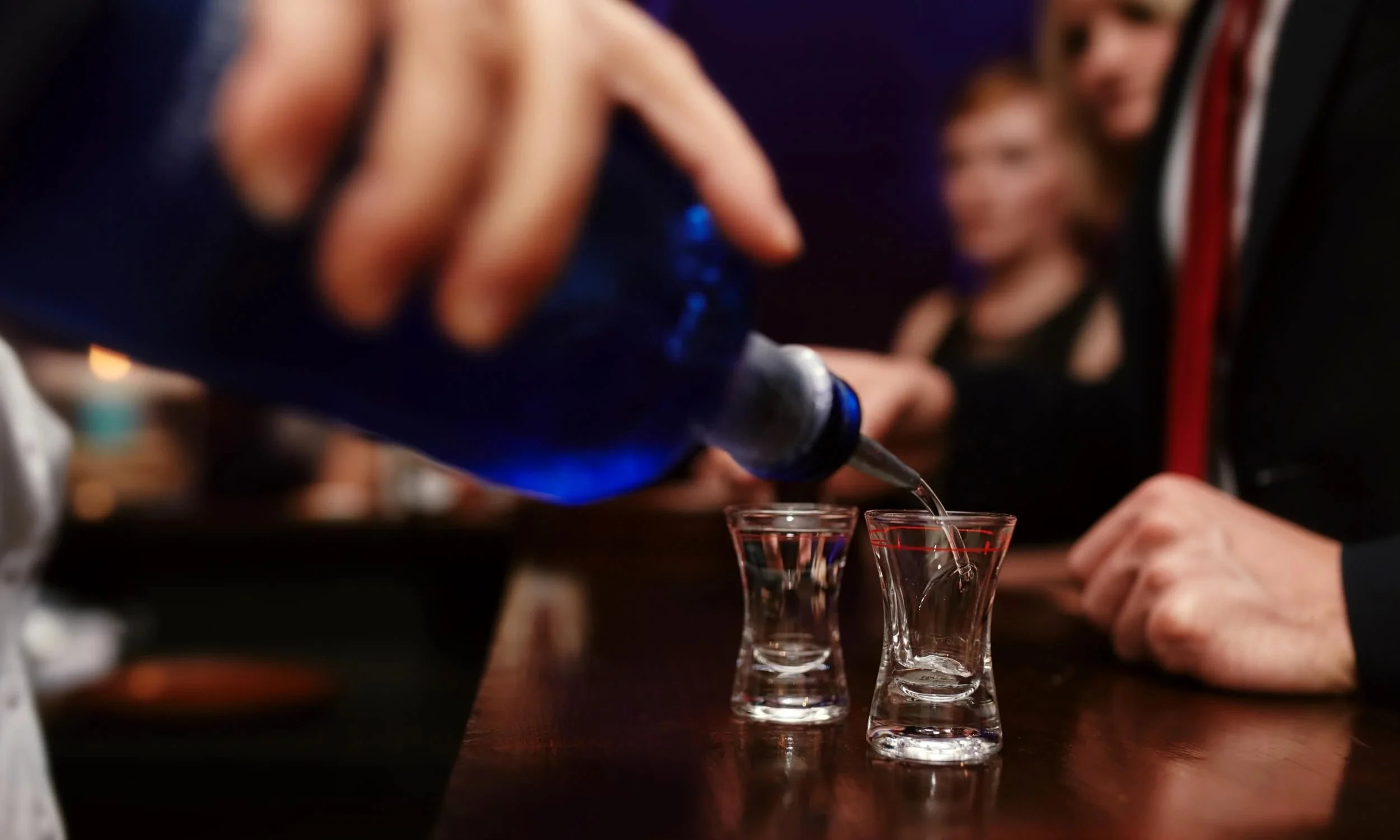
Bar operations affect far more than drink production. They shape the pace of the entire event.
An understaffed bar becomes noticeable quickly. Guests gather near the counter during cocktail hour, then another rush forms after speeches or dinner service. Before long, one section of the room feels crowded while the rest of the venue starts to empty out.
That is why many hosts ask, “How many bartenders do I need?” early in the planning process. Waiting until the menu gets finalized often creates problems later.
Bartenders also handle much more than cocktails. During busy stretches, they manage restocking, glassware, guest requests, and cleanup while keeping drinks moving steadily throughout the evening.
The format of the event changes the workload too. Corporate receptions usually create short ordering rushes between scheduled programming, while weddings maintain more consistent traffic across the night. Venue layout matters just as much. A rooftop reception with freight elevators requires a very different setup than a compact indoor dining room or private home event.
The Standard Bartender to Guest Ratio for Events
The bartender to guest ratio for events gives planners a useful starting point before adjusting for drink style, venue setup, and guest flow.
Most catering teams follow a few general staffing guidelines:
One bartender for 50 guests during beer and wine service
One bartender for 35 to 40 guests during full cocktail service
Additional staff for cocktails requiring fresh ingredients
Dedicated barbacks for larger receptions
Extra bartenders for multiple beverage stations
Those numbers work well as a baseline, but planning a cocktail menu often changes the workload quickly.
A gin and tonic takes seconds to prepare. Multi-step cocktails slow production almost immediately, especially during cocktail hour or after speeches when guests tend to order all at once.
Ordering patterns matter too. Guests rarely approach the bar evenly across the evening. Most people order during the same short windows throughout the reception.
When hosts start asking, “How many bartenders do I need?” the answer usually depends on production speed, venue logistics, and how guests will move through the space.
How Many Bartenders for 100 Guests?
The answer to “How many bartenders do I need?” depends heavily on the type of reception you are planning. A seated dinner with wine service requires a very different setup than a wedding serving cocktails throughout the night.
Most 100-guest receptions work comfortably within these ranges:
Two bartenders for beer and wine service
Two to three bartenders for a full open bar
Three bartenders for detailed cocktail menus
One bartender plus self-serve beverage stations for limited menus
A few details can increase staffing quickly:
Outdoor venues usually need additional support
Glassware service slows cleanup and turnover
Fresh garnishes increase preparation time
Longer receptions require more restocking
Multiple bars help reduce crowding during cocktail hour
Timing also plays a major role. Cocktail hour and post-ceremony service usually create the heaviest rushes of the evening. That is often when couples start asking how many bartenders for a wedding will keep the reception moving comfortably.
Smaller receptions also leave more space for interaction. Bartenders can explain ingredients, recommend pairings, and adjust drinks without rushing every conversation.
For 100-guest receptions, the answer to “How many bartenders do I need?” usually depends on the menu, timing, and overall pace of the event.
“Planning Bar Service for 100+ Guests?
Bar staffing starts affecting the flow of an event sooner than most people expect. If you are working through guest count, timing, or menu ideas, you can reach out to the Culinary Eye team for pricing and bar service details.”
How Many Bartenders for 150 Guests?
Planning bartenders for 150 guests requires more coordination than smaller receptions. At this size, operations start depending just as much on layout and timing as they do on bartender count.
A single bar rarely works well for a guest list this large. Splitting beverage stations across the venue helps reduce long waits and prevents crowding near entrances, dining areas, or dance floors.
A typical setup may include:
Three to four bartenders for full cocktail service
One barback handling ice and restocking
Cocktail servers during peak reception periods
Separate stations for wine or spirit-free drinks
A lead bartender coordinating supply levels
Menu structure also becomes more important here. Large-format cocktails, pre-batched drinks, and streamlined garnishes help maintain steady pacing throughout the evening without limiting the guest experience.
Venue logistics play a major role too. A rooftop event with freight elevators requires a very different staffing plan than a ballroom with direct kitchen access or a private home with limited prep space.
For many planners, this is the point where the conversation shifts from simple guest estimates to asking, “How many bartenders do I need?” for the pace and format of the event itself.
How Many Bartenders for 200 Guests?
Once events reach 200 guests, beverage operations start depending heavily on coordination, venue layout, and timing.
Many people planning bartenders for 200 guests assume adding more staff automatically fixes long lines. In practice, bar placement and setup usually make the biggest difference.
Large receptions tend to work best with:
Multiple full-service bars across the venue
Separate beer and wine stations
Dedicated water and spirit-free beverage areas
Pre-batched cocktails during peak ordering periods
Back-of-house prep support for restocking
A few common planning mistakes can slow operations quickly:
One central bar serving the entire reception
Complicated cocktail menus during busy periods
No barbacks supporting restocking
Long walking distances between prep areas
Limited nonalcoholic options
Guest behavior also changes at this size. Most people gravitate toward the first visible bar instead of searching for a shorter line elsewhere. As a result, crowded areas build up quickly near entrances and central gathering spaces.
Venue logistics become much more important too. A large warehouse reception, rooftop event, or outdoor venue often needs a completely different staffing approach than a traditional ballroom.
At this stage, “How many bartenders do I need?” becomes part of a much larger conversation about guest flow, bar placement, and the overall pace of the evening.
Other Factors That Affect How Many Bartenders You Need
Guest count only provides part of the picture. When hosts ask, “How many bartenders do I need?” service style, venue layout, and the pace of the event all play an important role in the answer.
Type of Event
Weddings usually create steady bar traffic throughout the night
Corporate receptions often produce short rushes between scheduled programming
Private parties may concentrate demand around signature cocktails
Cocktail Menu Complexity
Fresh citrus and detailed garnishes increase preparation time
Pre-batched cocktails help speed up operations during busy periods
Multi-step drinks require more coordination behind the bar
Venue Layout
Outdoor receptions often need satellite bars and prep stations
Rooftop venues may require longer restocking routes
Multi-room galleries usually benefit from multiple beverage stations
Length of Service
Longer receptions require more cleanup and restocking support
Multi-hour events often benefit from staff rotation
Short cocktail hours can create intense ordering rushes in a limited window
Guest Preferences
Some groups order mostly wine and beer
Others gravitate toward customized cocktails
Spirit-free menus now require more attention than many hosts expect
Once those details start coming together, “How many bartenders do I need?” becomes much easier to answer realistically.
Should You Add Barbacks or Cocktail Servers?
Many hosts hiring a bar service focus entirely on bartender count while overlooking the support staff that keeps operations moving smoothly. In many cases, adding barbacks or cocktail servers improves the flow of the event more than placing another bartender behind the counter.
For larger receptions especially, the answer to “How many bartenders do I need?” often depends on the support team working behind the bar as well.
Barbacks handle much of the operational work behind the scenes. Their responsibilities may include:
Restocking liquor, mixers, and garnishes
Managing ice throughout the event
Clearing used glassware
Supporting cleanup behind the bar
Assisting with storage and equipment
Cocktail servers support the event differently. Instead of drawing everyone toward the bar at the same time, they move drinks throughout the venue during busy periods. That approach helps reduce crowding and keeps conversations from getting interrupted by long waits at the counter.
For larger receptions especially, “How many bartenders do I need?” is often only part of the staffing conversation. Barbacks and cocktail servers usually play an equally important role in keeping drinks moving steadily throughout the event.
“Let’s Talk Through the Details
Large receptions often need more coordination behind the bar than guests ever notice. Culinary Eye plans beverage service around guest flow, venue layout, and the pace of the evening so the experience feels comfortable from start to finish.”
How Culinary Eye Approaches Bar Service Planning

At Culinary Eye, beverage service supports the atmosphere and flow of the entire gathering rather than operating as a separate station off to the side.
Corporate launches, weddings, gallery events, and private dinners all require different staffing approaches. Some receptions need high-volume bars during short ordering windows, while others leave more room for interaction around custom cocktails and conversation.
Before finalizing the setup, the team studies guest flow, venue layout, and the pace of the event itself. Questions like “How many bartenders do I need?” usually connect to much larger decisions about timing, menu structure, and the way guests will move through the space.
Some gatherings benefit from streamlined cocktails that keep drinks moving steadily, while others allow more room for layered drinks, interactive presentations, or guest customization.
Culinary Eye also adapts comfortably across San Francisco and Bay Area homes, galleries, warehouses, rooftops, offices, outdoor venues, and private event spaces. Instead of relying on fixed formulas, the team builds bar operations around the experience guests will have throughout the event.
Frequently Asked Questions (FAQs)
How many drinks can one bartender make per hour?
Most bartenders can serve 60 to 100 drinks per hour during beer, wine, and simple cocktail service. Labor-intensive cocktails requiring shaking, garnishes, or fresh ingredients usually slow production.
Do I need a barback for 150 or 200 guests?
Yes, most large receptions benefit from at least one barback. Barbacks handle ice, restocking, glassware, and cleanup support so bartenders can focus on serving guests during busy periods.
How many bars do you need for 200 guests?
Most 200-guest receptions work best with two to four beverage stations, depending on the venue layout and drink menu. Multiple bars help reduce long lines and distribute guests more evenly throughout the event.
Does a cocktail menu affect how many bartenders you need?
Yes, cocktail menus directly affect staffing needs. Multi-step drinks, fresh citrus, detailed garnishes, and specialty cocktails slow production and usually require additional bartenders or prep support.
Should beer and wine have a separate bar station?
Separate beer and wine stations often help speed up operations at large receptions. They reduce pressure on the main cocktail bar and keep lines moving more steadily during peak ordering periods.
What is the best bar setup for an outdoor wedding?
Outdoor weddings usually work best with multiple beverage stations, nearby prep areas, and easy access to ice and storage. The setup should also account for walking distance, weather conditions, and guest flow throughout the venue.