
Alcohol Permit for Events in San Francisco: What You Need to Know
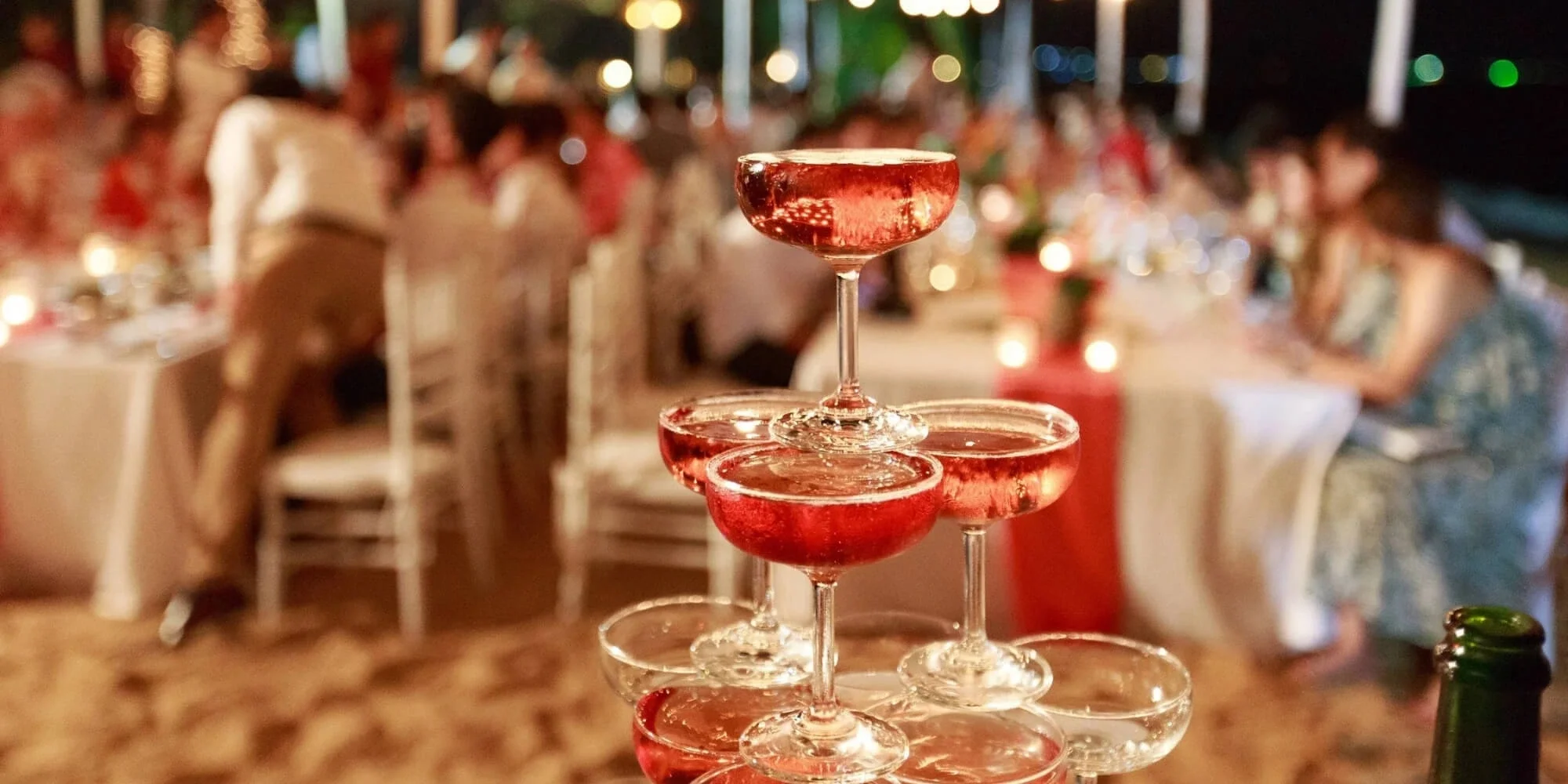
Planning alcohol service for an event involves more than selecting cocktails and staffing bartenders. An alcohol permit for events in San Francisco determines whether alcohol can legally be served, sold, or included within ticketed experiences.
This type of permit is a temporary authorization, typically issued through the California Department of Alcoholic Beverage Control, that allows alcohol to be served or sold under specific conditions.
Whether you're hosting a corporate gathering or a private celebration, skipping this step can create real complications. Experienced teams like Culinary Eye build bar programs with both design and compliance in mind from the start.
Many hosts begin with the look and feel of the event. That’s natural. Still, permits and regulations shape the structure underneath. Addressing them early keeps plans realistic and avoids last-minute adjustments.
Do You Need an Alcohol Permit for Events in San Francisco?
Not every event requires one, but many do. The answer depends on how alcohol is served, where the event takes place, and whether money is involved.
You’ll likely need an alcohol permit for events in San Francisco if:
You plan to sell alcohol directly
Your event is open to the public
The venue does not hold its own liquor license
Alcohol is included within ticket pricing or VIP packages
You may not need one if:
The event is private and invitation-only
Alcohol is offered free of charge
The venue already covers alcohol service legally
Even small changes in format can shift requirements. For example, turning a private gathering into a ticketed event can trigger permit obligations.
Types of Alcohol Permits for Events in San Francisco
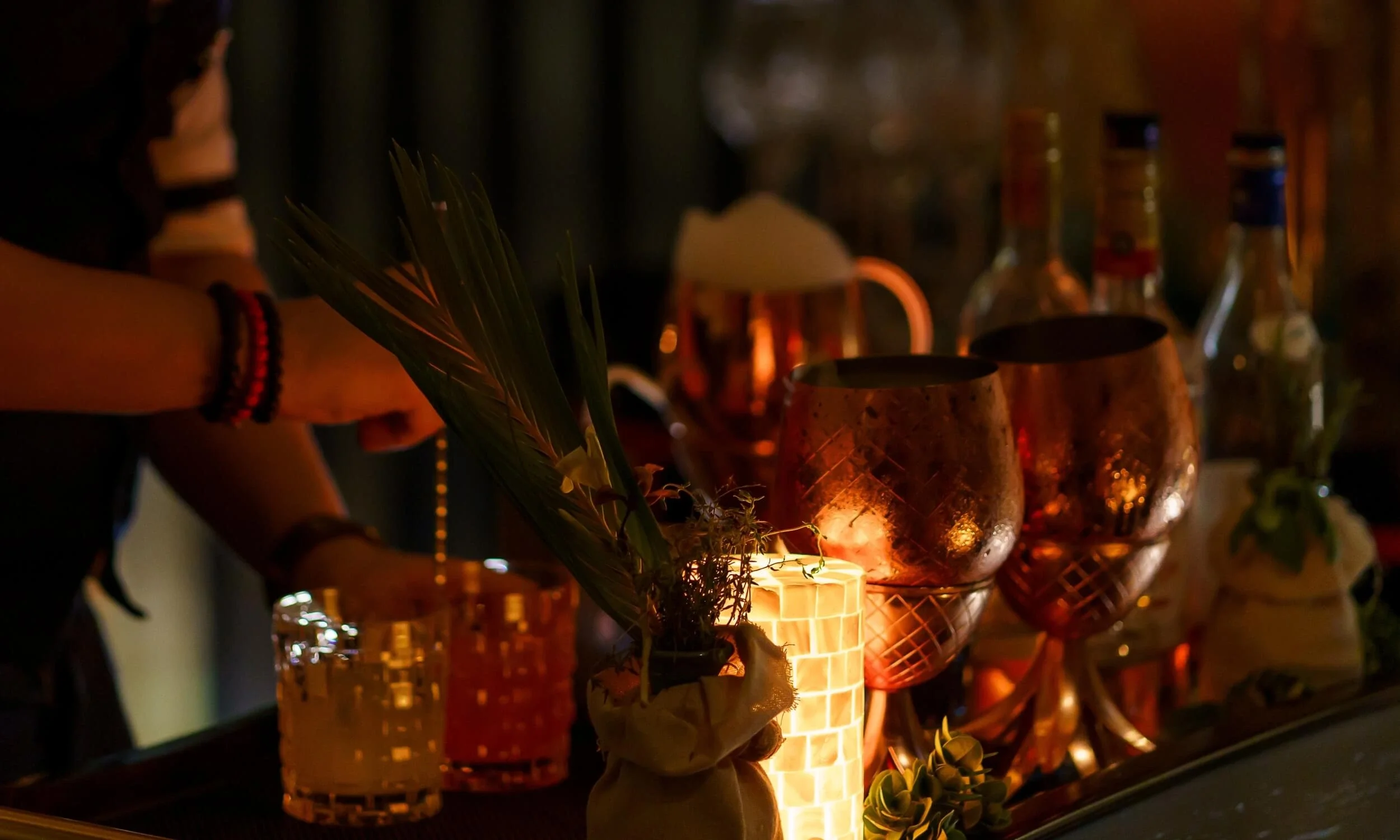
San Francisco offers several permit types, each tied to how your event is structured.
Common options include:
One-day permits for temporary events
Daily licenses for alcohol sales
Caterer’s permits connected to licensed vendors
Nonprofit permits for fundraising events
Outdoor permits for parks and public spaces
Each permit comes with its own timeline and limits. Some one-day permits move within a few weeks. Others, especially for public spaces or large events, require additional approvals and public notices. Choosing the correct permit early helps avoid delays. It also keeps your planning aligned with what’s feasible in your venue.
How to Apply for an Alcohol Permit for Events in San Francisco (Step-by-Step)
The process becomes manageable once broken into clear steps.
To secure an alcohol permit for events in San Francisco, you’ll typically:
Identify the correct permit based on your event structure
Submit your application through California ABC
Gather required documents, including venue approval and event details
Pay the applicable fees
Respond promptly to follow-up requests
Some permits require public notice postings. Missing that step can delay approval. Starting at least 4–6 weeks in advance gives you room to adjust, especially for public or outdoor events.
“Planning the bar side of your event?
Permits, staffing, and service all connect more than they first appear. If you’d like to think it through with someone who’s done it before, you can reach out to our team and talk through your plans.”
Quick Checklist Before Serving Alcohol at Your Event
Before finalizing your plans, it helps to confirm a few essentials:
Confirm whether your event requires a permit
Apply early through the appropriate channel
Hire certified and trained bartenders
Secure liability insurance
Align with venue-specific rules
Early alignment keeps everything steady as the event approaches.
RBS Certification Bartender California: Do You Need One?
Responsible service is part of the foundation. In California, many alcohol servers must complete Responsible Beverage Service (RBS) training.
If your event includes hired staff, RBS certification bartender California requirements often apply. In practice, this means your bartenders are trained to:
Check identification accurately
Recognize signs of intoxication
Manage service pace responsibly
Step in when needed
This training supports safety in real time and helps protect both hosts and guests. While permits handle approval on paper, trained staff ensure everything holds up in practice.
Event Alcohol Compliance in Bay Area: Key Rules You Must Follow
Permits are only one part of the picture. What happens during the event carries equal weight.
Key rules tied to event alcohol compliance in Bay Area include:
Verifying that all guests meet the legal drinking age
Refusing service to visibly intoxicated individuals
Following approved service hours
Maintaining proper liability insurance
Providing security when required
These rules apply across most event types, from private gatherings to large public activations. Enforcement remains active, especially within San Francisco city limits and high-visibility venues. Even small oversights can lead to fines or shutdowns. Because of this, planning an alcohol permit for events in San Francisco should include how service is handled in real time—from pacing drinks to managing guest interaction.
Common Mistakes to Avoid When Serving Alcohol at Events
Most issues don’t come from major missteps. They come from small assumptions.
Common mistakes include:
Waiting too long to apply for permits
Choosing the wrong permit type
Assuming the venue handles compliance
Hiring untrained or uncertified bartenders
Skipping liability insurance
These details connect. A delay in one area often affects others. Addressing them early keeps everything aligned.
Costs Breakdown: What to Budget For
Alcohol service involves more than the drinks. Several elements shape the final cost.
Typical expenses include:
Permit application fees
Bartender and staffing costs
Liability insurance
Bar equipment and rentals
Venue-related fees
Costs vary based on event type, guest count, and location, especially when working within San Francisco public spaces or parks, where additional approvals can extend timelines and increase overall expenses. Alongside permitting, the catering cost also plays a role in shaping your total budget, particularly when food and bar service are designed together. In these cases, working with a full-service caterer can simplify the process, as bundled services reduce coordination and help keep your event liquor license in San Francisco aligned with your overall budget.
“Bringing the details together takes a steady hand
From permits to service flow, every piece shapes how the event feels. If you want support aligning it all, we’ll walk through it with you.”
Tips for a Smooth, Stress-Free Event
Execution shapes how the event feels to your guests.
To keep things steady:
Work with licensed and experienced vendors
Align teams on timing and service flow
Offer thoughtful non-alcoholic options
Communicate expectations clearly
Keep permits accessible onsite
Guests may not notice logistics directly. However, they notice when something feels off. Strong coordination keeps the experience consistent.
Pulling the Details Into Place

Managing permits, staffing, and compliance separately can become overwhelming. Each piece affects the next. Culinary Eye approaches this as a connected process. Their team considers permitting, staffing, and service together.
Their bar services include trained professionals who meet California requirements and respond in real time. This reduces risk during the event itself.
They also coordinate across vendors, timelines, and venues. Whether the setting is a private home, a gallery, or an open space within San Francisco or the wider Bay Area, the approach stays consistent.
In many cases, they adapt service to non-traditional venues. This might mean shaping flow in a warehouse, working within an outdoor layout, or designing stations that encourage guests to gather naturally.
At the same time, the experience remains thoughtful. Stations invite people to slow down, look closer, and share a moment. Service feels steady, not rushed.
In a city where regulations and logistics often overlap, experience brings clarity. Handling an alcohol permit for events in San Francisco becomes more manageable when each part is considered together.
Frequently Asked Questions (FAQs)
Do I always need an alcohol permit for events in San Francisco?
Not always. An alcohol permit for events in San Francisco is usually required for public or ticketed events. Private events where alcohol is free and not included in ticket pricing may not need a permit, depending on the venue.
How long does it take to get an alcohol permit approved?
Approval timelines vary. Most alcohol permits for events in San Francisco take a few weeks, while permits for public events or outdoor venues may take longer due to additional approvals and notice requirements.
Can I serve alcohol at a public park in San Francisco?
Yes, but you’ll need special approval. Serving alcohol in public parks requires an alcohol permit for events in San Francisco, along with additional city permits depending on the location and event size.
Do bartenders need certification in California?
Yes. Many events require bartenders with RBS certification in California. This ensures they are trained in responsible alcohol service, including checking IDs and managing guest safety.
What happens if I don’t get a permit?
Serving alcohol without an alcohol permit can lead to fines, event shutdowns, or legal liability. Even private events may face penalties if they don’t meet local requirements.
How does event alcohol compliance in the Bay Area affect my event?
Event alcohol compliance in the Bay Area covers age verification, service limits, insurance, and safety rules. Following these requirements helps ensure your event operates legally and avoids penalties.